
The quest for a good night’s sleep is a perennial human endeavor. In our increasingly digital lives, where screens are ubiquitous and blue light exposure is a constant companion, understanding the subtle influences on our sleep patterns has become more critical than ever. While factors like caffeine intake, exercise, and stress are well-documented sleep disruptors, the impact of color often gets overlooked. This article delves into the science behind color perception and its profound, yet often underestimated, effect on our ability to fall asleep and stay asleep. We will explore how different wavelengths of light interact with our biological clock and how this knowledge can be harnessed, particularly within the realm of technology, to foster more restful nights.
The Biological Clock and the Influence of Light
Our bodies operate on an internal 24-hour cycle known as the circadian rhythm, often referred to as our biological clock. This intricate system regulates a vast array of physiological processes, including sleep-wake cycles, hormone release, body temperature, and metabolism. The primary external cue that synchronizes our circadian rhythm with the environment is light.
Understanding the Circadian Rhythm
The suprachiasmatic nucleus (SCN), a tiny cluster of nerve cells in the hypothalamus of the brain, acts as the master clock. It receives direct input from the eyes, detecting light levels in our surroundings. When light enters the eye, specialized photoreceptor cells, distinct from those responsible for vision (rods and cones), transmit signals to the SCN. These signals inform the brain whether it’s day or night, influencing the production of hormones like melatonin.
Melatonin: The Hormone of Darkness
Melatonin, often dubbed the “hormone of darkness,” plays a crucial role in regulating sleep. Its production by the pineal gland is suppressed by light and increases in the absence of light, signaling to the body that it’s time to wind down and prepare for sleep. This natural cascade is precisely why exposure to light in the evening can disrupt our sleep.
The Spectrum of Light and Its Impact
Light is composed of a spectrum of colors, each corresponding to different wavelengths. The colors we perceive are determined by the wavelengths of light that reach our eyes. For instance, shorter wavelengths correspond to blues and violets, while longer wavelengths are associated with reds and oranges. Our SCN is particularly sensitive to certain wavelengths, and it’s this sensitivity that dictates how light influences our circadian rhythm.
Blue Light: The Sleep Disruptor
Among all the colors in the visible spectrum, blue light stands out as the most potent regulator of our circadian rhythm, and consequently, a significant disruptor of sleep. This is due to its short wavelength and high energy.
The Scientific Basis of Blue Light Sensitivity
The intrinsically photosensitive retinal ganglion cells (ipRGCs) in our eyes, which are crucial for conveying light information to the SCN, are most sensitive to light in the blue portion of the spectrum (approximately 460-480 nanometers). This sensitivity is a remnant of our evolutionary past, when daylight, rich in blue light, was the primary indicator of wakefulness and activity.
Screens and the Blue Light Epidemic
In the modern technological landscape, our primary sources of blue light exposure are artificial. Electronic devices such as smartphones, tablets, computers, and televisions emit significant amounts of blue light. The prolonged and often close-proximity use of these devices, especially in the hours leading up to bedtime, can trick our brains into believing it’s still daytime.
The Consequences of Evening Blue Light Exposure
When our ipRGCs detect this “daytime” blue light in the evening, they signal to the SCN to suppress melatonin production. This suppression leads to a delayed sleep onset, reduced sleep quality, and can contribute to a phenomenon known as “social jetlag” – a misalignment between our internal biological clock and societal schedules. Over time, chronic disruption of melatonin production can have broader implications for health, including an increased risk of metabolic disorders, mood disturbances, and weakened immune function.
Colors That Promote Relaxation and Sleep
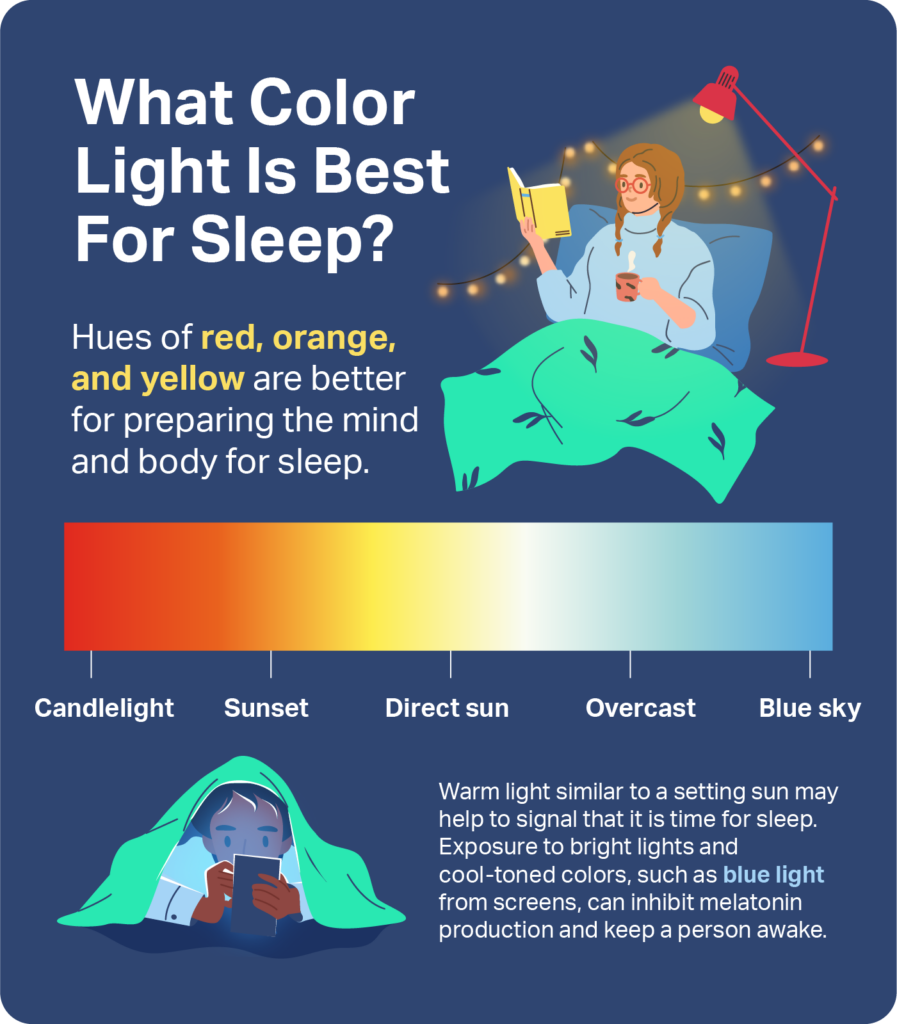
While blue light is a sleep disruptor, other colors, particularly those with longer wavelengths, are known to promote relaxation and prepare the body for sleep. These colors mimic the warm hues of sunset and are perceived by our brains as less alerting.
The Calming Effect of Warmer Hues
Colors in the red and orange spectrum, with their longer wavelengths, have a less potent impact on the SCN compared to blue light. Research suggests that exposure to these warmer tones in the evening can be less disruptive to melatonin production, and in some cases, may even be conducive to relaxation.
Exploring the Spectrum for Sleep Environments
-
Reds and Pinks: These colors are often associated with warmth, comfort, and romance. While deep reds can be stimulating, softer shades like rose or blush pink are often found to be calming. In the context of technology, this translates to considering display settings or ambient lighting. For instance, a “night mode” or “reading mode” on devices that shifts the screen’s color temperature towards warmer tones is a direct application of this principle.
-
Oranges and Yellows: Similar to reds, these colors evoke feelings of warmth and coziness. Soft oranges and muted yellows can create a serene atmosphere. This is why many suggest using dim, warm-toned lamps in bedrooms rather than bright, cool-toned overhead lights.
-
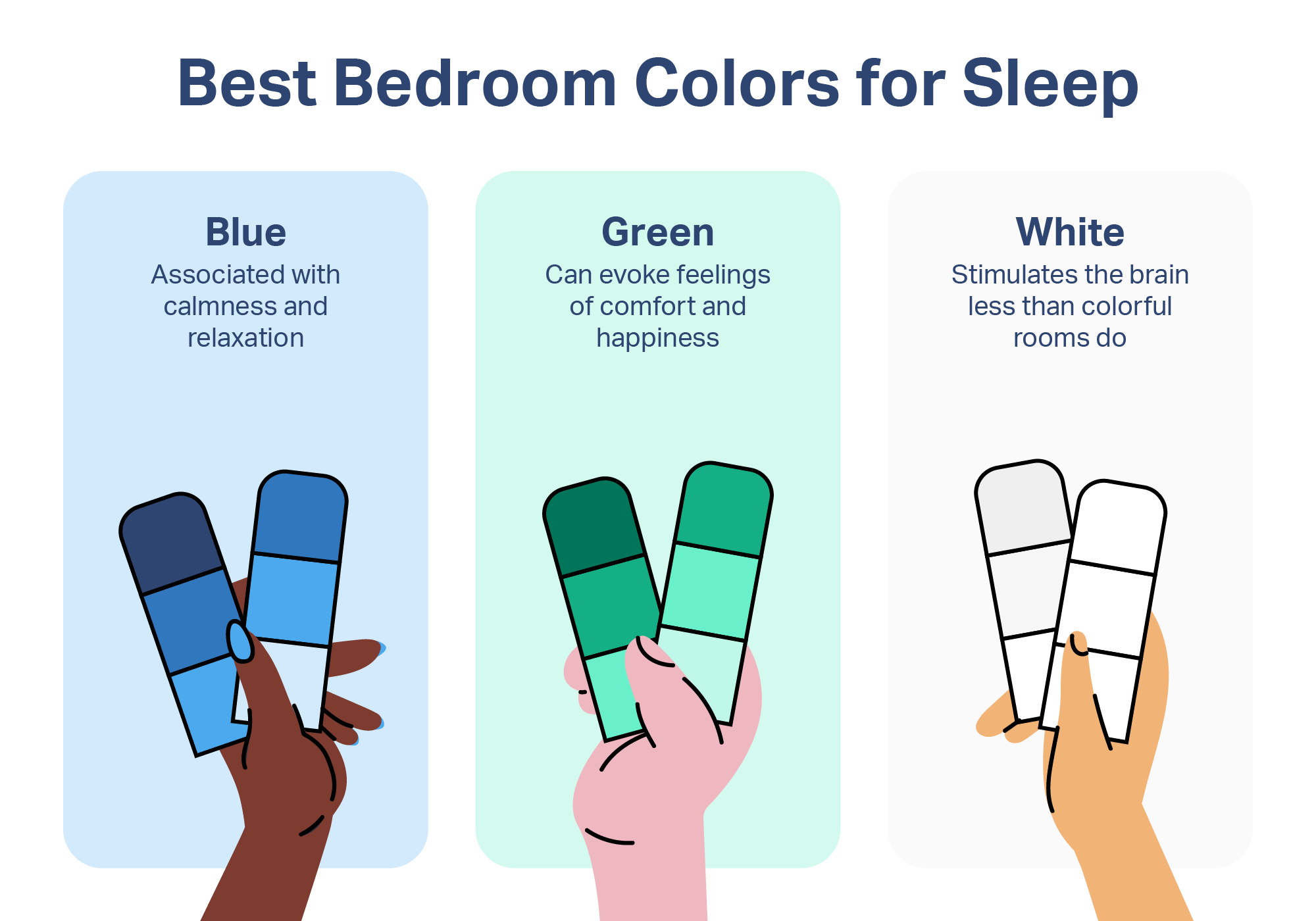
Greens and Blues (in moderation and specific shades): While blues can be problematic, certain shades of green and softer, desaturated blues can also have a calming effect. Think of the serene colors of nature – a soft forest green or a muted sky blue. However, it’s crucial to differentiate these from the vibrant, stimulating blues emitted by screens. The key lies in the saturation and brightness of the color.
Leveraging Color Technology for Better Sleep
The understanding of color’s impact on sleep provides a powerful opportunity to integrate this knowledge into the technological solutions we use daily. By strategically employing color in our digital environments, we can mitigate sleep disruption and actively promote relaxation.
Smart Lighting and Ambient Color Control
The advent of smart lighting systems has revolutionized how we control our home environments. These systems allow users to adjust not only the brightness but also the color temperature and even the specific color of their lights.
-
Customizable Schedules: Smart lights can be programmed to gradually shift from cooler, brighter tones during the day to warmer, dimmer hues in the evening. This mimics natural light cycles, helping to guide the body’s circadian rhythm. For example, a smart bulb in a bedroom could transition from a bright white in the morning to a soft amber an hour before bedtime.
-
“Wind-Down” Modes: Many smart home platforms and lighting brands now offer pre-set “wind-down” or “sleep” modes that automatically adjust lighting to a warm, relaxing spectrum. This takes the guesswork out of creating a sleep-conducive atmosphere.
Display Settings and Blue Light Filters
The widespread use of blue light has prompted technology manufacturers to incorporate features aimed at reducing its impact on sleep.
-
Night Shift/Blue Light Filters: Operating systems on smartphones, tablets, and computers increasingly include built-in “Night Shift” or “Blue Light Filter” functions. These features shift the display’s color temperature towards warmer tones, effectively reducing the amount of blue light emitted. While these filters are a valuable tool, it’s important to note that they don’t eliminate blue light entirely, and their effectiveness can vary.
-
Adaptive Brightness and Color: Some advanced displays and software offer adaptive settings that adjust both brightness and color temperature based on the time of day and ambient light conditions. This proactive approach can help maintain a more consistent sleep-conducive environment.
Wearable Technology and Sleep Tracking
While not directly manipulating ambient color, wearable technology plays a role in indirectly informing our understanding and management of sleep.
-
Circadian Rhythm Monitoring: Some advanced wearables can track metrics related to sleep and activity patterns, providing insights into an individual’s circadian rhythm. By understanding when sleep is being disrupted, users can then make informed decisions about their environment, including lighting and screen use.
-
Personalized Recommendations: As AI and data analysis in wearables become more sophisticated, we can anticipate personalized recommendations for optimizing sleep environments, which may include advice on color exposure and timing.
The Future of Color and Sleep Technology
The integration of color science into technology is still evolving. Future innovations could include:
-
Proactive Sleep Environments: Imagine devices that actively monitor your sleep patterns and adjust your environment – including lighting and even screen content – to optimize your sleep quality.
-
Color-Optimized User Interfaces: Software designers may increasingly consider the color palettes of their applications, especially for late-night use, to minimize sleep disruption.
-
Therapeutic Color Applications: Beyond general sleep improvement, research may lead to more targeted therapeutic applications of specific colors or light sequences for sleep disorders.
In conclusion, the color of light, particularly the prevalence of blue light from our digital devices, has a profound and measurable impact on our sleep-wake cycles. By understanding the biological mechanisms at play and leveraging the advancements in color technology, we can proactively create environments that promote relaxation and foster more restorative sleep. As we navigate an increasingly screen-centric world, conscious choices about our color exposure, especially in the hours before bed, are not just about aesthetics but about fundamental well-being.
aViewFromTheCave is a participant in the Amazon Services LLC Associates Program, an affiliate advertising program designed to provide a means for sites to earn advertising fees by advertising and linking to Amazon.com. Amazon, the Amazon logo, AmazonSupply, and the AmazonSupply logo are trademarks of Amazon.com, Inc. or its affiliates. As an Amazon Associate we earn affiliate commissions from qualifying purchases.