
The tragic demise of Jay Gatsby, the enigmatic millionaire whose lavish parties and mysterious past define F. Scott Fitzgerald’s quintessential American novel, The Great Gatsby, occurs in Chapter 8. This pivotal moment is not just a plot point; it is the somber culmination of the American Dream’s distortion, a brutal commentary on social class, unrequited love, and the elusive nature of happiness in a world obsessed with superficiality. While the specific chapter provides a factual answer, the profound implications of Gatsby’s death resonate far beyond the pages of a literary classic, offering enduring lessons that, surprisingly, find contemporary echoes in our technology-driven, brand-conscious, and financially complex modern world.
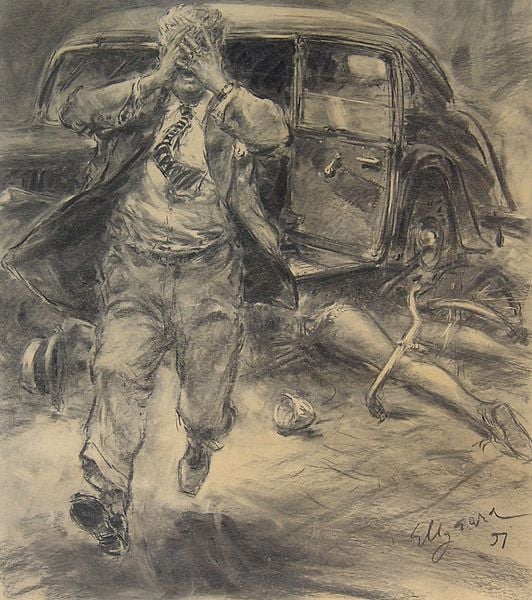
The Fateful End: Gatsby’s Demise in Chapter 8
Chapter 8 opens with a palpable sense of dread, following the chaotic and emotionally charged events of the previous day, which saw Myrtle Wilson’s death and Daisy’s inability to confront her choices. Gatsby, ever the devoted and tragically deluded lover, still clings to the hope of a future with Daisy, despite the undeniable collapse of his grand illusion. He confides in Nick Carraway, revealing the true depth of his past, his humble beginnings, and the immense effort he poured into transforming himself for Daisy. This intimate confession underscores the profound vulnerability beneath his ostentatious facade.
A Summary of Chapter 8’s Climax
The morning of his death, Gatsby is restless but resolute. Nick, sensing the impending doom or at least the end of an era, advises him to leave West Egg, believing he is in danger. However, Gatsby, perhaps out of loyalty to his dream or a fatalistic acceptance, refuses to abandon his post. The actual moment of his death is quick and brutal. George Wilson, Myrtle’s grief-stricken and vengeance-seeking husband, fueled by Tom Buchanan’s insidious suggestions and his own warped sense of justice, tracks Gatsby to his mansion. Believing Gatsby was not only Myrtle’s lover but also the driver of the yellow car that killed her (a car Daisy was actually driving), Wilson shoots Gatsby as he floats in his swimming pool, then turns the gun on himself.
The scene is one of stark isolation and ultimate tragedy. Gatsby, the man who built an empire to win back a single woman, dies alone, abandoned by the very people he sought to impress and whose lives he inadvertently entangled. The opulence of his mansion, a symbol of his desperate ambition, becomes the silent backdrop to his ignominious end. His dream, once so vibrant and seemingly within reach, shatters into a million pieces, revealing its fragile, fabricated nature.
The Symbolism of a Tragic End
Gatsby’s death is rife with symbolism. It signifies the death of the American Dream itself, not as a concept of upward mobility and self-improvement, but as a corrupted pursuit of wealth and status for superficial ends. His wealth, built on illicit dealings, ultimately cannot buy him love, happiness, or social acceptance. His pursuit of Daisy, who represents old money and an unattainable past, leads him to a literal dead end. The setting—the swimming pool—is particularly poignant; it’s a place of leisure and illusion that turns into his grave. The absence of his “friends” at his funeral further emphasizes the hollowness of his relationships and the superficiality of the Jazz Age society he embodied. His death serves as a brutal awakening, exposing the moral bankruptcy lurking beneath the glittering surface of the Roaring Twenties.
Echoes of Gatsby in the Digital Age: Branding, Illusion, and Tech
While The Great Gatsby is a novel rooted in the 1920s, its core themes of identity, aspiration, and the pursuit of perceived value resonate powerfully in the 21st century. In an era dominated by technology, where personal brands are meticulously crafted online and financial success is often paraded on digital platforms, Gatsby’s story offers a chillingly relevant parable about authenticity, perception, and the consequences of living an illusory life.
Crafting a Digital Persona: Gatsby’s Brand Strategy Reimagined
Jay Gatsby, with his mysterious past, his meticulously curated image, and his extravagant parties, was a master of personal branding long before the advent of social media. He understood the power of perception. His opulent mansion, bespoke suits, and carefully chosen phrases (“old sport”) were all components of a deliberate strategy to project an image of old money and sophisticated success. He wanted to be seen in a certain light, not just to impress society, but primarily to attract and reclaim Daisy. His entire life was a performance, a brand built on desire and deception.
Today, this art of persona crafting has moved from grand mansions to digital screens. Influencers meticulously curate their Instagram feeds, entrepreneurs build intricate personal brands on LinkedIn, and celebrities manage their public image across countless platforms. Just like Gatsby, many strive to present an idealized version of themselves, blurring the lines between reality and aspiration. Digital tools and apps facilitate this: advanced photo editing software, AI-powered content generation, and sophisticated marketing algorithms allow individuals and brands to craft compelling narratives that may or may not reflect their true selves.
However, Gatsby’s downfall serves as a potent reminder of the perils of inauthentic branding. His carefully constructed facade ultimately crumbled under scrutiny, leading to his isolation and death. In the digital age, a similar phenomenon occurs. Reputational damage due to unmasking of inauthenticity, “cancel culture,” and the relentless pursuit of “likes” can have devastating consequences for individuals and corporations alike. Building a sustainable personal or corporate brand today requires transparency, genuine engagement, and a foundation of core values—lessons Gatsby learned too late. The challenge is amplified by digital security concerns: breaches of privacy, identity theft, and the permanence of online data can quickly shatter a carefully built digital persona, proving that a brand, whether personal or corporate, is only as strong as its underlying integrity.
The Allure of Algorithmic Wealth: Money in a Modern West Egg
Gatsby’s immense wealth was acquired through illicit means—bootlegging, racketeering, and shady bond dealings—symbolizing the dark underbelly of the Jazz Age’s economic boom. His money was “new money,” disconnected from the generational prestige of “old money,” which further complicated his acceptance into Daisy’s world. Yet, the sheer volume of his riches was undeniable, allowing him to throw lavish parties that drew hundreds, all seeking connection, entertainment, or perhaps a slice of his opulent world.
In our contemporary landscape, the allure of rapid wealth accumulation remains as potent as ever, often amplified by the digital sphere. The rise of cryptocurrencies, meme stocks, NFTs, and online trading platforms has created new avenues for what can sometimes feel like “algorithmic wealth”—money made quickly, often with limited transparency about its origins or underlying value, much like Gatsby’s own fortune. Fintech tools and apps allow individuals to invest, trade, and manage finances with unprecedented ease, democratizing access to financial markets but also potentially exposing users to high risks and speculative ventures.
The cautionary tale of Gatsby’s money is particularly relevant. His wealth, while impressive, ultimately brought him no true happiness or security. It was a means to an end—to win Daisy—and once that end proved unattainable, his entire financial edifice felt hollow. Modern “get-rich-quick” schemes, online scams, and the speculative bubbles that frequently emerge in the digital economy echo this emptiness. The constant pursuit of online income, side hustles, and speculative investments can lead to financial instability if not approached with diligence, ethical considerations, and a deep understanding of market realities. Gatsby’s story reminds us that true financial security and fulfillment often come from sustainable practices, ethical earnings, and a balanced perspective on the role of money in life, rather than from chasing the glittering, often illusory, promises of quick riches.

Leveraging Technology to Unpack Literary Masterpieces
While The Great Gatsby is a classic literary work, modern technology offers fascinating new avenues for its analysis, interpretation, and appreciation. The fields of Digital Humanities and AI-powered literary analysis are transforming how scholars, students, and even general readers engage with texts like Fitzgerald’s masterpiece, moving beyond traditional close reading to explore new dimensions of meaning and context.
AI and Natural Language Processing in Literary Analysis
Imagine feeding the entire text of The Great Gatsby into an AI program trained on Natural Language Processing (NLP). Such tools can perform a myriad of analytical tasks that would be incredibly time-consuming for humans:
- Sentiment Analysis: An AI could track the emotional tone of characters or chapters, identifying shifts from hope to despair, or the subtle undertones of cynicism in characters like Tom Buchanan. For instance, it could quantify the prevalence of words related to sadness or disillusionment in Chapter 8 compared to the early, more hopeful chapters.
- Character Trait Extraction: AI can identify recurring descriptive phrases or actions associated with specific characters, helping to build a comprehensive profile of their personalities and motivations. It could highlight the consistency of Gatsby’s “dreamer” persona versus the fleeting nature of Daisy’s commitments.
- Thematic Analysis: By identifying recurring keywords, concepts, and semantic relationships, AI can pinpoint central themes like the American Dream, social class, illusion vs. reality, and the passage of time. It could analyze how frequently “green light” appears and its evolving contextual meaning throughout the novel.
- Stylometric Analysis: AI can analyze Fitzgerald’s unique writing style—sentence structure, vocabulary choices, use of figurative language—and even compare it to his other works or contemporary authors to identify influences and distinct literary fingerprints.
- Intertextual Connections: Advanced AI can search vast literary databases to identify allusions, parallels, or shared motifs between The Great Gatsby and other works, enriching our understanding of its place within the literary canon.
These technological advancements transform literary analysis from a purely subjective exercise to one augmented by data-driven insights, offering new perspectives on complex narratives and character developments. For educators, AI tools can streamline the creation of study guides, comprehension questions, and even help students identify areas for deeper analysis, enhancing productivity in the classroom and research lab.
From Print to Pixel: Digital Humanities and Immersive Storytelling
The digital age also opens up possibilities for reimagining how we experience literary works. Digital Humanities initiatives leverage technology to create interactive and immersive learning experiences around texts like The Great Gatsby:
- Interactive Maps and Visualizations: Imagine an interactive map of West Egg and East Egg, allowing users to trace Nick’s journey, visualize the distances between characters’ homes, and overlay historical data about 1920s Long Island. This could include architectural renderings of Gatsby’s mansion or interactive timelines of historical events contemporary to the novel.
- Augmented Reality (AR) and Virtual Reality (VR) Experiences: Picture stepping into Gatsby’s lavish parties in VR, interacting with virtual guests, and experiencing the sights and sounds of the Jazz Age firsthand. AR apps could allow users to “place” digital recreations of Gatsby’s car or mansion into their real-world environment, offering a dynamic way to visualize the novel’s settings.
- Digital Archives and Databases: Researchers can utilize comprehensive digital archives containing Fitzgerald’s manuscripts, letters, and contemporary newspaper articles to gain deeper insights into the novel’s genesis and reception. These databases, accessible globally, facilitate collaborative research and offer unprecedented access to primary sources, enhancing our understanding of corporate identity and the brand Fitzgerald built around his work.
- Gamified Learning: Educational apps and platforms can turn the study of The Great Gatsby into an interactive game, with quizzes, character-matching challenges, and narrative exploration modes, making the learning process more engaging, especially for younger audiences.
These technological applications bridge the gap between classic literature and modern digital engagement, making complex narratives more accessible, interactive, and relevant for a generation that grew up with screens. They demonstrate how tech can not only analyze but also revitalize our connection to timeless stories.
Beyond the Page: Enduring Lessons on Money, Reputation, and Reality
Gatsby’s tragic end in Chapter 8 is more than just the conclusion of a novel; it’s a stark parable with universal lessons that resonate powerfully in our contemporary world. His story forces us to confront uncomfortable truths about the illusions we chase, the value we place on superficial markers of success, and the profound importance of authenticity in an increasingly interconnected and often performative society.
The Perils of Unchecked Ambition: A Financial Fable
Gatsby’s ambition was immense, singularly focused on recapturing the past and winning Daisy’s love. To achieve this, he amassed vast wealth through questionable means, believing money was the key to unlocking his dreams. His story serves as a potent financial fable, cautioning against the perils of unchecked ambition and the illusion that wealth alone can buy happiness, love, or respect.
In today’s fast-paced economy, the drive for financial success can often overshadow ethical considerations or personal well-being. The pressure to earn online income, secure impressive investments, or pursue lucrative side hustles can lead individuals down risky paths, mirroring Gatsby’s own journey. His narrative reminds us that “new money” often carries a stigma, and true financial security comes not just from accumulation, but from ethical sourcing, responsible management, and understanding its limitations. Money can provide comfort and opportunity, but it cannot purchase genuine connection, integrity, or a clear conscience. Gatsby’s ultimate isolation, despite his immense wealth, underscores the idea that a sole focus on financial metrics can lead to a profound spiritual and emotional bankruptcy. His story encourages a more balanced perspective on personal finance, prioritizing long-term stability, ethical practices, and the intrinsic value of human relationships over the fleeting allure of superficial riches.
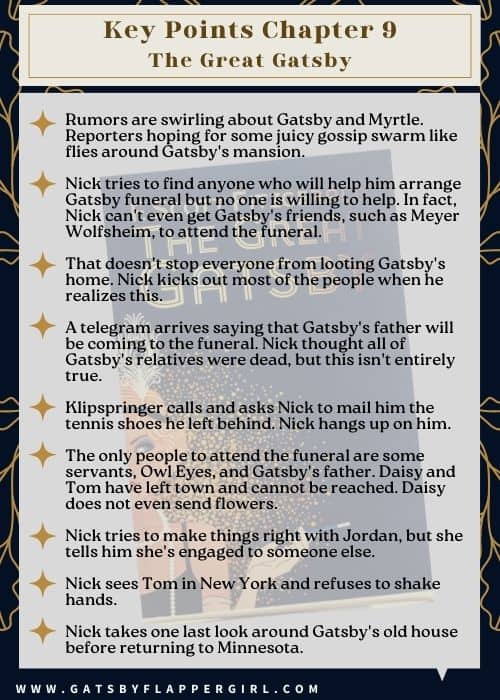
Building an Authentic Brand in a World of Illusions
Gatsby spent years meticulously crafting a brand for himself: the mysterious, wealthy host of legendary parties. This brand was designed to project an image of success and desirability, an elaborate lure for Daisy. However, it was built on a foundation of lies and a past he desperately tried to erase. When his true identity and the source of his wealth were exposed, his entire carefully constructed persona collapsed, leaving him exposed and vulnerable.
In the digital age, where personal branding and corporate identity are paramount, Gatsby’s story is a critical reminder of the importance of authenticity. We live in a world saturated with curated social media feeds, influencer marketing, and corporate PR campaigns, all striving to project an ideal image. Tech tools and apps make it easier than ever to create polished, seemingly perfect personas. However, like Gatsby’s mansion, these digital facades are vulnerable. The rapid spread of information, the transparency demanded by digital communities, and the increasing scrutiny of online reputations mean that inauthentic brands are quickly exposed.
Building a lasting and respected brand—whether personal or corporate—requires more than just a glossy veneer. It demands integrity, consistency between words and actions, and a genuine connection with one’s audience or customers. Gatsby’s tragic isolation at the end of his life, despite having been surrounded by hundreds at his parties, is a testament to the hollowness of relationships built on illusion. For businesses, this means investing in ethical practices, transparent communication, and genuine customer engagement. For individuals, it means cultivating an online presence that genuinely reflects their values and character. In a world increasingly adept at discerning authenticity, the lessons from Gatsby’s meticulously crafted but ultimately doomed brand are more relevant than ever: true value, and true connection, cannot be faked.
Gatsby’s death in Chapter 8 is not merely the end of a character; it is a profound literary moment that continues to provoke thought and discussion. When viewed through the lens of technology, branding, and money, his century-old story takes on new dimensions, offering timeless insights into the human condition and the enduring complexities of the American Dream in any era.
aViewFromTheCave is a participant in the Amazon Services LLC Associates Program, an affiliate advertising program designed to provide a means for sites to earn advertising fees by advertising and linking to Amazon.com. Amazon, the Amazon logo, AmazonSupply, and the AmazonSupply logo are trademarks of Amazon.com, Inc. or its affiliates. As an Amazon Associate we earn affiliate commissions from qualifying purchases.