
California, a state synonymous with sunshine and innovation, has for decades also been a poster child for devastating wildfires. These infernos are not a new phenomenon, but their frequency, intensity, and the scale of their destruction have escalated dramatically, prompting a critical question: What truly causes the fire in California? While the immediate sparks might be varied, a deeper examination reveals a complex interplay of environmental, climatic, and human factors, with a surprising undercurrent of technological and systemic influences that we’ll explore through the lens of Tech, Brand, and Money.
The Tinderbox: Understanding California’s Combustible Landscape
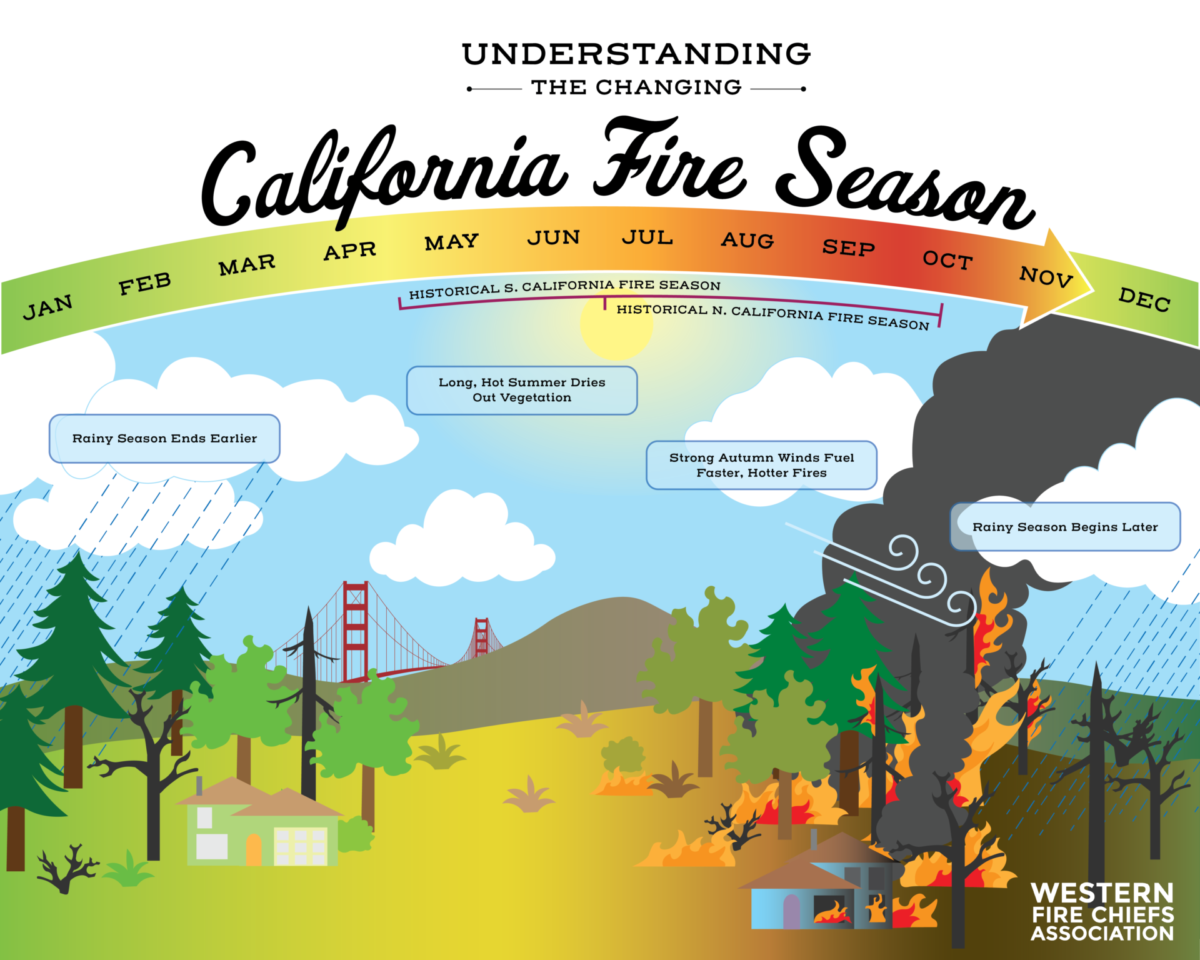
California’s natural environment is inherently predisposed to fire. Its Mediterranean climate, characterized by hot, dry summers and mild, wet winters, creates a predictable cycle of fuel accumulation and drying. This natural fire regime, once managed by indigenous practices and natural ignitions, has been profoundly altered.
Fuel Load: A Legacy of Suppression and Neglect
For much of the 20th century, the prevailing fire management strategy in California was one of aggressive suppression. The goal was to extinguish every fire as quickly as possible, preventing any natural burns. While well-intentioned, this policy had a catastrophic unintended consequence: it prevented the natural clearing of underbrush, dead trees, and accumulated leaf litter. This “fuel load” has become exceptionally dense in many forested areas, creating a veritable tinderbox. When fires do ignite, they have an abundance of readily available fuel, allowing them to spread with unprecedented speed and ferocity.
Climate Change: The Accelerant
The undeniable reality of climate change acts as a powerful accelerant to California’s wildfire problem. Rising global temperatures are leading to:
- Prolonged Droughts: California is experiencing longer and more severe drought periods. This parches vegetation, making it highly flammable and increasing its susceptibility to ignition.
- Increased Heatwaves: More frequent and intense heatwaves bake the landscape, further drying out fuels and creating extreme fire weather conditions.
- Earlier Snowmelt: Warmer springs lead to earlier snowmelt in the Sierra Nevada mountains, shortening the period of natural water availability for vegetation and extending the dry season.
- Changes in Precipitation Patterns: While overall precipitation might not drastically change in some models, the timing and intensity of rainfall are becoming more erratic. This means longer dry spells interspersed with potentially more intense, but less effective, rainfall events.
These climatic shifts are not just theoretical; they are observable trends that directly contribute to the increased fire risk across the state.
Wind: The Unpredictable Fury
While not a “cause” in the sense of ignition, powerful Santa Ana winds (in Southern California) and Diablo winds (in Northern California) play a crucial role in the rapid and devastating spread of wildfires. These hot, dry, offshore winds can fan flames into uncontrollable infernos, pushing them at breakneck speeds through even the most resistant landscapes. When these winds coincide with a period of extreme dryness and high fuel loads, the conditions are ripe for catastrophic fire events.
Ignition Points: From Natural to Human-Caused
The actual spark that ignites a wildfire can originate from various sources, with human activities being the dominant factor in recent years.
The Role of Infrastructure and Human Activity
- Power Lines: Utility infrastructure, particularly aging power lines, has been identified as a significant cause of some of the most destructive fires in California. Sparks from downed or malfunctioning lines, especially during high winds, can easily ignite dry vegetation. This has led to intense scrutiny of utility companies and their vegetation management practices, with significant financial and reputational implications.
- Arson: While less frequent than other causes, deliberate acts of arson continue to contribute to the wildfire problem.
- Campfires and Debris Burning: Unattended campfires, improperly managed debris burns, and escaped agricultural burns can all escalate into wildfires.
- Vehicle Issues: Sparks from vehicles, faulty exhaust systems, or dragging chains can also be ignition sources.
- Lightning: While natural, lightning-caused fires are more common in remote, wildland areas and often occur during thunderstorms that also bring rain, which can sometimes help suppress them. However, dry lightning strikes can ignite fires that spread rapidly.
The Challenge of Prevention and Enforcement
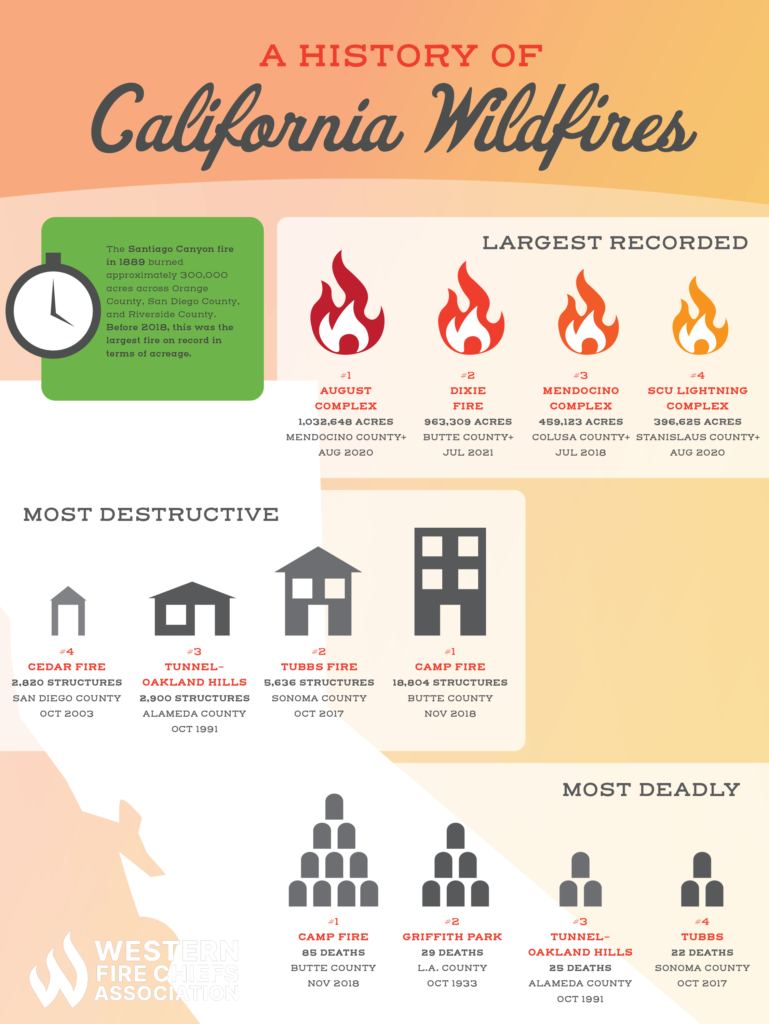
Preventing human-caused ignitions is a monumental challenge. It requires a multi-pronged approach that includes public education, stringent enforcement of fire restrictions, and technological solutions. The sheer scale of California, with its vast wildland-urban interface (WUI), makes comprehensive surveillance and immediate intervention incredibly difficult.
The Broader Context: Systemic Factors Influencing Wildfires
Beyond the immediate environmental and ignition factors, a deeper analysis reveals systemic influences that exacerbate California’s wildfire crisis. These are areas where Tech, Brand, and Money intersect with the physical realities of fire.
The Wildland-Urban Interface (WUI): Where Homes Meet the Wilderness
One of the most significant drivers of wildfire damage and loss in California is the expanding Wildland-Urban Interface (WUI). This is the area where human development encroaches into wildland areas, blurring the lines between communities and flammable landscapes.
- Development Trends: Decades of development have seen more homes built in fire-prone regions, often without adequate fire-resilient building codes or community planning. This puts more lives and property at risk.
- Reputational Risk for Developers and Municipalities: The increasing frequency of devastating fires in the WUI creates significant reputational risk for developers who build in these areas and for municipalities that approve such developments. Insurance companies also play a crucial role, with rising premiums and even cancellations becoming commonplace in high-risk zones, impacting the “Money” aspect of homeownership and development.
Technological Innovations in Fire Management and Prevention
The fight against wildfires is increasingly leveraging technology, offering hope for better prediction, detection, and response.
- AI and Machine Learning for Predictive Analytics: Advanced AI algorithms are being developed to analyze vast datasets – including weather patterns, fuel moisture levels, historical fire data, and topographical information – to predict where and when wildfires are most likely to occur. This allows for proactive resource allocation and early warning systems.
- Satellite Imagery and Remote Sensing: Satellites equipped with infrared and thermal sensors can detect heat signatures from nascent fires, enabling rapid identification even in remote areas. Drones are also being deployed for aerial surveillance, providing real-time imagery and data.
- Smart Grid Technology and Utility Monitoring: For utility companies, the focus is on employing advanced sensors and monitoring systems to detect potential issues with power lines before they cause ignitions. This includes predictive maintenance and automated shutdown capabilities during high-risk weather events. This directly impacts the “Money” of utility operations and the “Brand” reputation of these vital services.
- Digital Security and Data Integrity: As more technology is deployed for fire management, ensuring the digital security of these systems and the integrity of the data they collect becomes paramount. A cyberattack on fire prediction systems or early warning networks could have devastating consequences.
The Financial Ramifications: Costs of Prevention, Response, and Recovery
The financial implications of California’s wildfires are staggering, impacting individuals, businesses, and government budgets.
- Cost of Firefighting and Suppression: The direct costs of fighting wildfires are immense, involving personnel, aircraft, equipment, and long-term recovery efforts. These costs are borne by state and federal agencies, with significant budget allocations.
- Insurance Market Instability: The escalating risk of wildfire damage has led to a crisis in the insurance market. Premiums are skyrocketing, and some insurers are withdrawing coverage from high-risk areas altogether. This directly impacts personal finance and the “Money” people can afford to spend on housing in these regions. It also creates a reputational challenge for insurance companies if they are perceived as abandoning vulnerable communities.
- Economic Impact on Businesses and Tourism: Wildfires disrupt supply chains, damage businesses, and deter tourism, leading to significant economic losses. The “Brand” of California as a desirable place to live and visit is also impacted by the pervasive threat of fire.
- Investment in Prevention and Mitigation: While prevention is often less visible, it represents a crucial investment. This includes forest thinning, prescribed burns, creating defensible space around homes, and upgrading infrastructure. The “Money” invested in these preventative measures can save vastly more in the long run.

Conclusion: A Multifaceted Challenge Requiring Integrated Solutions
The question “what causes the fire in California” doesn’t have a single, simple answer. It’s a wicked problem born from a confluence of natural predispositions, the undeniable force of climate change, and a complex web of human actions and systemic vulnerabilities.
To effectively address California’s wildfire crisis, a holistic approach is required, one that integrates:
- Robust Land Management: Prioritizing strategic fuel reduction, prescribed burns, and ecological restoration to mimic natural fire regimes where appropriate.
- Climate Change Mitigation: Aggressively pursuing policies to reduce greenhouse gas emissions and adapt to the changing climate.
- Infrastructure Modernization: Investing in resilient power grids and implementing strict regulations for utility companies regarding vegetation management and equipment maintenance.
- Smart Development Practices: Rethinking land-use planning in the WUI, promoting fire-resistant building materials, and fostering community preparedness.
- Technological Advancement: Continuing to harness AI, satellite imagery, and other digital tools for enhanced prediction, early detection, and response.
- Financial Innovation: Developing sustainable insurance models, investing in disaster resilience, and exploring new financial mechanisms for fire prevention and recovery.
- Public Awareness and Engagement: Educating the public about fire risks and promoting responsible behavior in wildland areas.
Ultimately, the fire in California is a stark reminder of our interconnectedness with the environment and the profound impact of human decisions on ecological systems. By understanding the multifaceted causes and embracing integrated solutions that span Tech, Brand, and Money, California can move towards a future where its communities and its wildlands can coexist more safely and sustainably.