
Low blood glucose, medically known as hypoglycemia, is a serious condition that can affect dogs of all ages and breeds. While often associated with puppies or toy breeds, it can manifest in various scenarios, sometimes linked to underlying health issues or even nutritional deficiencies. Understanding the root causes of hypoglycemia is crucial for pet owners, enabling them to recognize the signs, seek timely veterinary care, and implement appropriate management strategies. This article delves into the diverse factors that can lead to low glucose levels in dogs, offering insights that are relevant even within the broader context of technological advancements, brand awareness, and financial planning, by drawing parallels and highlighting the importance of proactive management and informed decision-making.
Understanding Glucose and Its Importance in Dogs
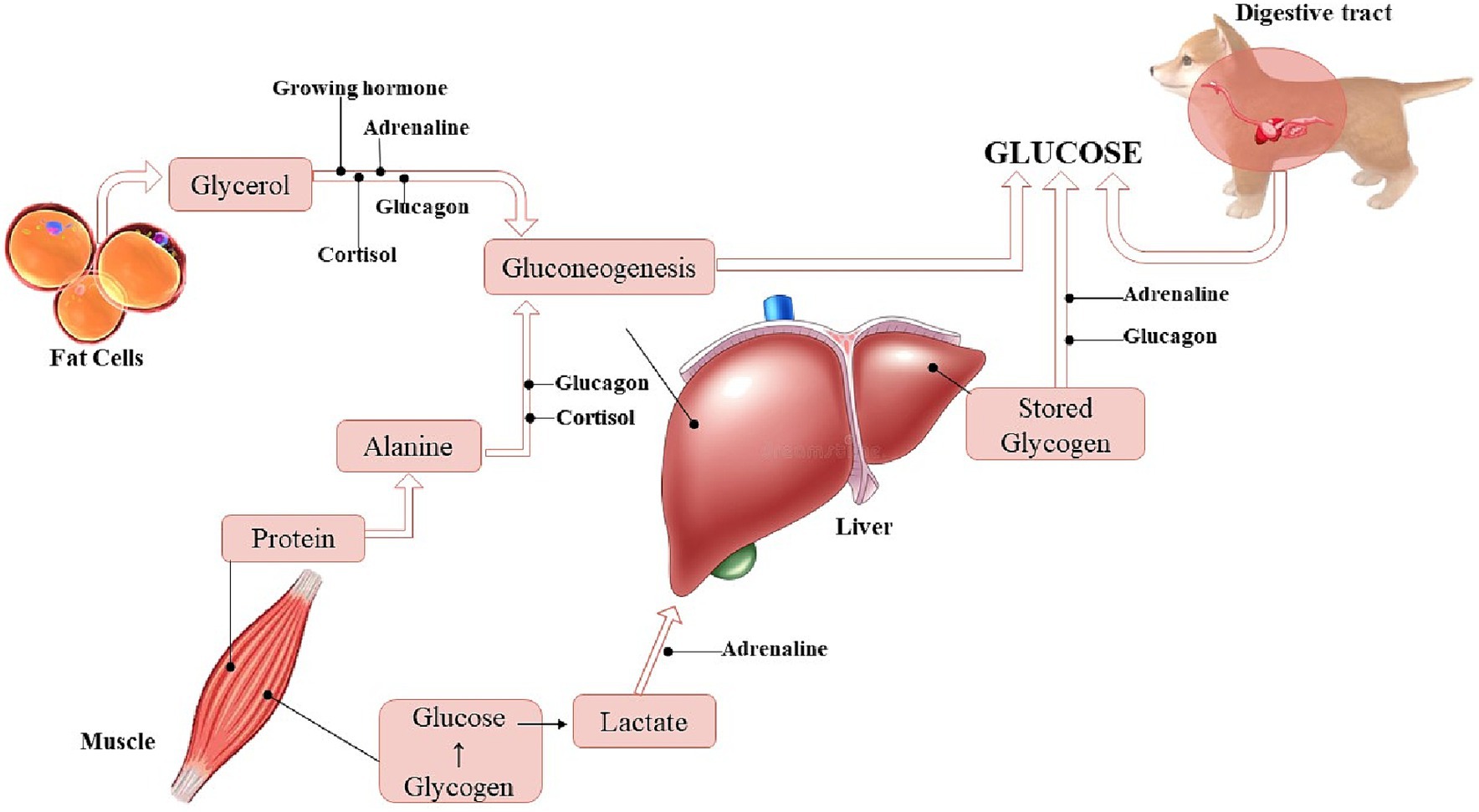
Glucose, a simple sugar, is the primary source of energy for a dog’s body, fueling everything from brain function to muscle activity. It’s absorbed from food and regulated by hormones, primarily insulin, produced by the pancreas. Insulin helps move glucose from the bloodstream into cells for energy. When this delicate balance is disrupted, either by insufficient glucose production, excessive insulin activity, or impaired glucose utilization, blood glucose levels can drop dangerously low.
Hypoglycemia is a condition where the concentration of glucose in the blood falls below the normal range. This can lead to a cascade of symptoms as the body’s organs, particularly the brain, are deprived of their essential fuel. The severity of symptoms often correlates with the speed and extent of the glucose drop. Mild cases might present as lethargy, while severe, prolonged hypoglycemia can result in seizures, coma, and even death.
Common Causes of Hypoglycemia in Dogs
Several factors can contribute to the development of low blood glucose in dogs. These can be broadly categorized into several areas, each requiring a different approach to diagnosis and management.
Dietary and Nutritional Factors
The most straightforward cause of low glucose is insufficient caloric intake. If a dog isn’t consuming enough food, or if the food is not appropriately balanced in terms of carbohydrates, fats, and proteins, their body may struggle to maintain adequate glucose levels.
Inadequate Food Intake
Sudden appetite loss: This can be due to illness, stress, or even dental issues that make eating painful. If a dog stops eating for an extended period, their glucose reserves can be depleted.
Malnutrition: Dogs fed a diet that is chronically deficient in calories or essential nutrients can become hypoglycemic. This is more common in puppies or elderly dogs with compromised appetites.
Intensive physical activity without adequate caloric replenishment: While exercise is vital for a dog’s health, strenuous or prolonged activity without sufficient food intake to match energy expenditure can lead to a temporary drop in blood glucose. This is akin to a runner “hitting the wall” due to depleted glycogen stores.
Food allergies or intolerances: In some cases, a dog might have an adverse reaction to certain ingredients in their food, leading to gastrointestinal upset and reduced nutrient absorption. This indirectly impacts glucose availability.
Imbalanced Diet
Low carbohydrate diets: While proponents of certain diet trends might advocate for low-carb options, a dog’s body relies on carbohydrates for readily available glucose. A diet severely lacking in carbohydrates can predispose a dog to hypoglycemia.
Poor quality food: Not all dog food is created equal. Cheap, low-quality foods may contain fillers and fewer digestible nutrients, meaning the dog needs to eat more to get the same nutritional benefit. This can lead to a situation where even if the dog is eating, they are not absorbing enough glucose-generating nutrients.
Rapid weaning of puppies: Puppies rely on their mother’s milk or a specialized puppy formula for nourishment. Abruptly weaning them without a gradual introduction to solid food can lead to a drop in glucose levels as their bodies adapt.
Medical Conditions and Illnesses
Beyond diet, various medical conditions can disrupt the body’s glucose regulation mechanisms.
Endocrine Disorders
Insulinoma: This is a tumor of the pancreas that produces excessive amounts of insulin. Insulin’s job is to lower blood glucose, so an overproduction leads to dangerously low levels. This is a serious condition requiring immediate veterinary attention and often surgical intervention.
Addison’s Disease (Hypoadrenocorticism): This condition affects the adrenal glands, which produce hormones like cortisol. Cortisol plays a role in glucose metabolism, and its deficiency can lead to hypoglycemia.
Cushing’s Disease (Hyperadrenocorticism): While typically associated with high blood sugar, paradoxically, some dogs with Cushing’s disease can experience hypoglycemia, especially if they are being treated with certain medications that can impact glucose levels or if they have concurrent conditions.
Liver Disease
The liver plays a critical role in storing glycogen (a form of stored glucose) and releasing it into the bloodstream when needed. Severe liver disease, whether due to infection, toxins, or genetic conditions, can impair this function, leading to hypoglycemia.
Sepsis and Severe Infections
During a severe infection or sepsis, the body’s metabolic processes can become dysregulated. The increased demand for energy by fighting off the infection, combined with potential impaired liver function, can lead to a drop in blood glucose.
Certain Cancers
Some types of cancer can consume glucose at a high rate, leading to depletion in the bloodstream. Additionally, certain tumors can produce hormones that mimic insulin, thus lowering blood glucose.
Heart Failure
Severe heart failure can impair blood flow to vital organs, including the liver and pancreas, affecting their ability to regulate glucose.
Medications and Toxins
Accidental ingestion of certain substances or prescribed medications can also trigger hypoglycemia.
Accidental Ingestion of Human Medications
Xylitol: This artificial sweetener, commonly found in sugar-free gums, candies, baked goods, and some peanut butters, is highly toxic to dogs. Even small amounts can cause a rapid and profound release of insulin, leading to severe hypoglycemia. It can also cause liver failure.
Oral Hypoglycemic Agents: Accidental ingestion of diabetes medications prescribed for humans, such as glipizide, glyburide, or metformin, can cause a significant drop in blood glucose in dogs.
Certain Veterinary Medications
While designed to treat specific conditions, some veterinary medications can have side effects that include hypoglycemia. For example, certain antibiotics or medications used to treat heart conditions might, in rare cases, affect glucose levels.
Pesticides and Herbicides
Some agricultural chemicals, particularly those containing organophosphates, can interfere with the nervous system and enzyme function, potentially leading to hypoglycemia as a secondary effect.
Breed and Age Predispositions
While any dog can develop hypoglycemia, certain groups are more at risk.
Toy Breeds and Puppies
Neonatal Hypoglycemia: Puppies, especially those from large litters or born to mothers with poor nutritional status, are prone to hypoglycemia. Their small body size means they have limited glycogen reserves, and their metabolism is still developing.
Adult Toy Breeds: Small breeds like Yorkshire Terriers, Chihuahuas, Pomeranians, and Poodles have a higher metabolic rate relative to their body size. This means they can deplete their glucose reserves more quickly, making them susceptible to hypoglycemia, especially if they miss a meal or engage in strenuous activity.
Working Dogs and Highly Active Breeds
Dogs engaged in strenuous activities like sled pulling, agility trials, or extensive hunting may be at risk if their caloric intake doesn’t match their energy expenditure.
Other Factors
Extreme Stress or Excitement
While not a direct cause, extreme stress or prolonged periods of intense excitement can trigger a surge in adrenaline, which can, in some dogs, lead to an initial increase in blood glucose followed by a subsequent drop as the body works to re-regulate.
Recognizing the Signs of Hypoglycemia in Dogs
The symptoms of low blood glucose can vary widely in severity and presentation. Early recognition is key to prompt intervention.
Early and Mild Symptoms
- Lethargy and weakness: The dog may appear unusually tired, sluggish, and have difficulty maintaining balance.
- Appetite changes: They might show a sudden decrease in appetite or, conversely, an insatiable hunger as their body craves glucose.
- Disorientation and confusion: The dog may seem “out of it,” unresponsive to commands, or appear lost.
- Trembling or shivering: This can be a sign of the body trying to generate heat and energy.
Advanced and Severe Symptoms
- Muscle tremors or twitching: Involuntary muscle movements can become more pronounced.
- Vomiting: This can occur due to nausea or as a symptom of the body’s distress.
- Seizures: This is a critical sign indicating that the brain is severely deprived of glucose.
- Collapse: The dog may become unresponsive and unable to stand.
- Coma: In severe, untreated cases, the dog can fall into a coma.
The Importance of Proactive Management and Veterinary Care
Understanding the causes and signs of hypoglycemia is the first step towards protecting your dog. This knowledge can be framed through the lens of our website’s core topics:
Technology and Information
Just as technology provides tools for monitoring and managing various aspects of our lives, from software for productivity to AI for personalized experiences, understanding canine health benefits from accessible, reliable information. The internet, veterinary resources, and even pet-specific apps can provide valuable insights into nutrition, early symptom recognition, and emergency protocols. Staying informed about potential health risks, much like staying updated on cybersecurity threats, is a proactive measure. Technology can aid in tracking feeding schedules, activity levels, and even provide reminders for vet appointments, contributing to preventative care.
Brand and Reputation (of Pet Health)
Just as a strong brand builds trust and loyalty, the established reputation of veterinary medicine and responsible pet ownership practices is paramount. Relying on accredited veterinary professionals for diagnoses and treatment plans builds a “brand” of reliability for your dog’s health. Educating oneself about potential health issues and acting on that knowledge strengthens the “brand” of a responsible pet owner. This extends to choosing high-quality pet food brands and understanding their nutritional impact, akin to understanding the reputation of a product or service before investing.
Money and Financial Planning (for Pet Health)
The financial aspect of pet ownership, while often overlooked, is crucial for ensuring your dog receives the best care. Unexpected veterinary bills, especially for conditions like hypoglycemia that can require extensive diagnostics and treatment, can be substantial. This highlights the importance of pet insurance, setting aside emergency funds, or creating a “pet health budget.” Proactive measures, such as regular vet check-ups and investing in a balanced diet, can often prevent more costly emergencies down the line. This mirrors personal finance principles of investing in preventative measures to avoid larger financial burdens later.
Seeking Veterinary Diagnosis and Treatment
If you suspect your dog is experiencing hypoglycemia, it is imperative to contact your veterinarian immediately. They will perform a thorough physical examination, inquire about your dog’s history (diet, activity, symptoms), and likely conduct diagnostic tests.
Diagnostic Tests
- Blood Glucose Measurement: A rapid blood glucose test can confirm low levels.
- Blood Work (CBC and Chemistry Panel): This helps assess overall health, identify underlying infections, evaluate organ function (liver, kidneys), and check for hormonal imbalances.
- Insulin Level Testing: If insulinoma is suspected, blood samples are analyzed to measure insulin and glucose levels simultaneously.
- Imaging (X-rays, Ultrasound): These may be used to detect tumors or other abnormalities in the pancreas or liver.
Treatment
Treatment for hypoglycemia depends on the underlying cause and severity.
- Immediate Glucose Administration: For severely hypoglycemic dogs, intravenous (IV) glucose solutions are administered to rapidly raise blood sugar levels.
- Dietary Management: For mild cases or as a follow-up, a veterinarian may recommend a diet rich in complex carbohydrates and protein to help stabilize blood glucose. Frequent small meals are often advised.
- Underlying Cause Treatment: If a specific medical condition is identified (e.g., insulinoma, Addison’s disease, liver disease), treatment will target that specific illness. This may involve surgery, medication, or specialized therapies.
- Continuous Monitoring: Dogs recovering from hypoglycemia, especially those with chronic conditions, will require ongoing monitoring of their blood glucose levels.

Conclusion
Low blood glucose in dogs is a serious condition with a range of potential causes, from dietary indiscretions to complex medical illnesses. By understanding these causes, recognizing the warning signs, and seeking prompt veterinary care, dog owners can significantly improve their pet’s prognosis. Proactive health management, informed decision-making about nutrition and lifestyle, and a preparedness for potential financial implications are all integral aspects of responsible pet ownership. Just as in the realms of technology, branding, and personal finance, a well-informed and proactive approach is key to navigating the challenges and ensuring the long-term health and well-being of our beloved canine companions.
aViewFromTheCave is a participant in the Amazon Services LLC Associates Program, an affiliate advertising program designed to provide a means for sites to earn advertising fees by advertising and linking to Amazon.com. Amazon, the Amazon logo, AmazonSupply, and the AmazonSupply logo are trademarks of Amazon.com, Inc. or its affiliates. As an Amazon Associate we earn affiliate commissions from qualifying purchases.