
The distinctive, often comical, yet sometimes concerning sound of a hiccup is not exclusive to humans. Our canine companions can also experience these involuntary spasms, leaving many pet owners wondering: “What causes hiccups in dogs?” While typically harmless and a common occurrence, especially in puppies, understanding the underlying mechanisms and potential triggers can alleviate owner anxiety and, more importantly, highlight how modern technology, strategic branding, and informed financial planning contribute to a holistic approach to pet care. This article delves into the physiological basis of canine hiccups, exploring how a contemporary perspective — integrating insights from technology, brand strategy, and personal finance — enriches our understanding and management of our pets’ well-being.
Understanding the Physiology Behind Canine Hiccups: A Deeper Dive
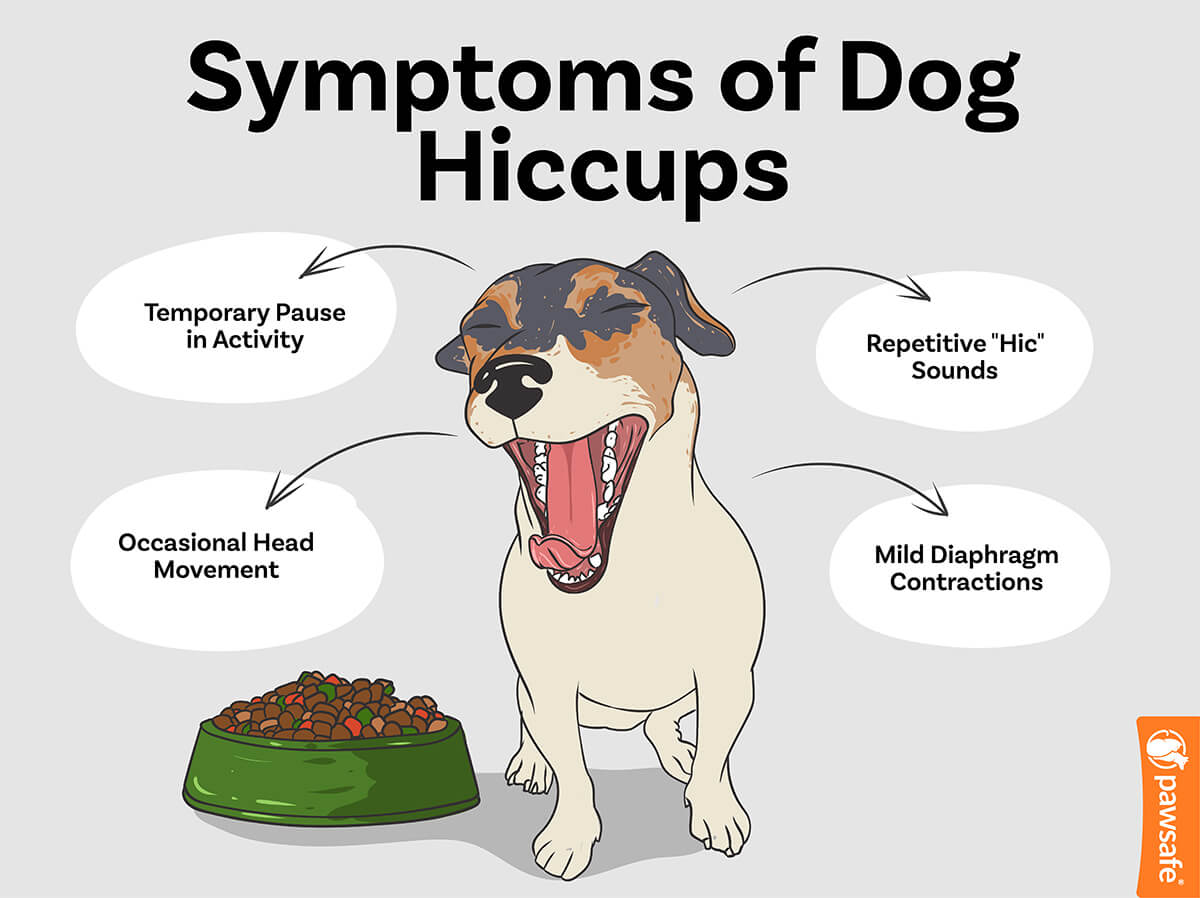
At its core, a hiccup (or singultus, in medical terms) is an involuntary contraction of the diaphragm, followed by a sudden closure of the glottis (the space between the vocal cords). This rapid glottal closure is what produces the characteristic “hic” sound. While the exact biological purpose of hiccups remains a mystery across species, in dogs, it’s generally linked to temporary irritations or stimulations of the nerve pathways that control the diaphragm.
The Mechanics of a Canine Hiccup
The diaphragm is a large, dome-shaped muscle located at the base of the chest cavity, separating the abdomen from the thorax. It plays a crucial role in respiration, contracting to draw air into the lungs and relaxing to expel it. The vagus nerve, phrenic nerve, and sympathetic nerve pathways are all involved in controlling the diaphragm’s movement. When these nerves become irritated or overstimulated, they can trigger spasmodic contractions of the diaphragm, leading to hiccups. This rapid, uncontrolled contraction pulls air into the lungs quickly, but before the lungs can fully expand, the glottis snaps shut, resulting in the characteristic hiccup sound and sensation.
For puppies, hiccups are particularly common. Their developing bodies, including their respiratory and nervous systems, are still maturing. This immaturity often means their diaphragm and associated nerves are more easily stimulated or irritated, making them more prone to bouts of hiccups. Just like human infants, puppies may experience hiccups frequently without any underlying health concerns. It’s often a sign of their systems learning to regulate.
Common Triggers and When to Be Concerned
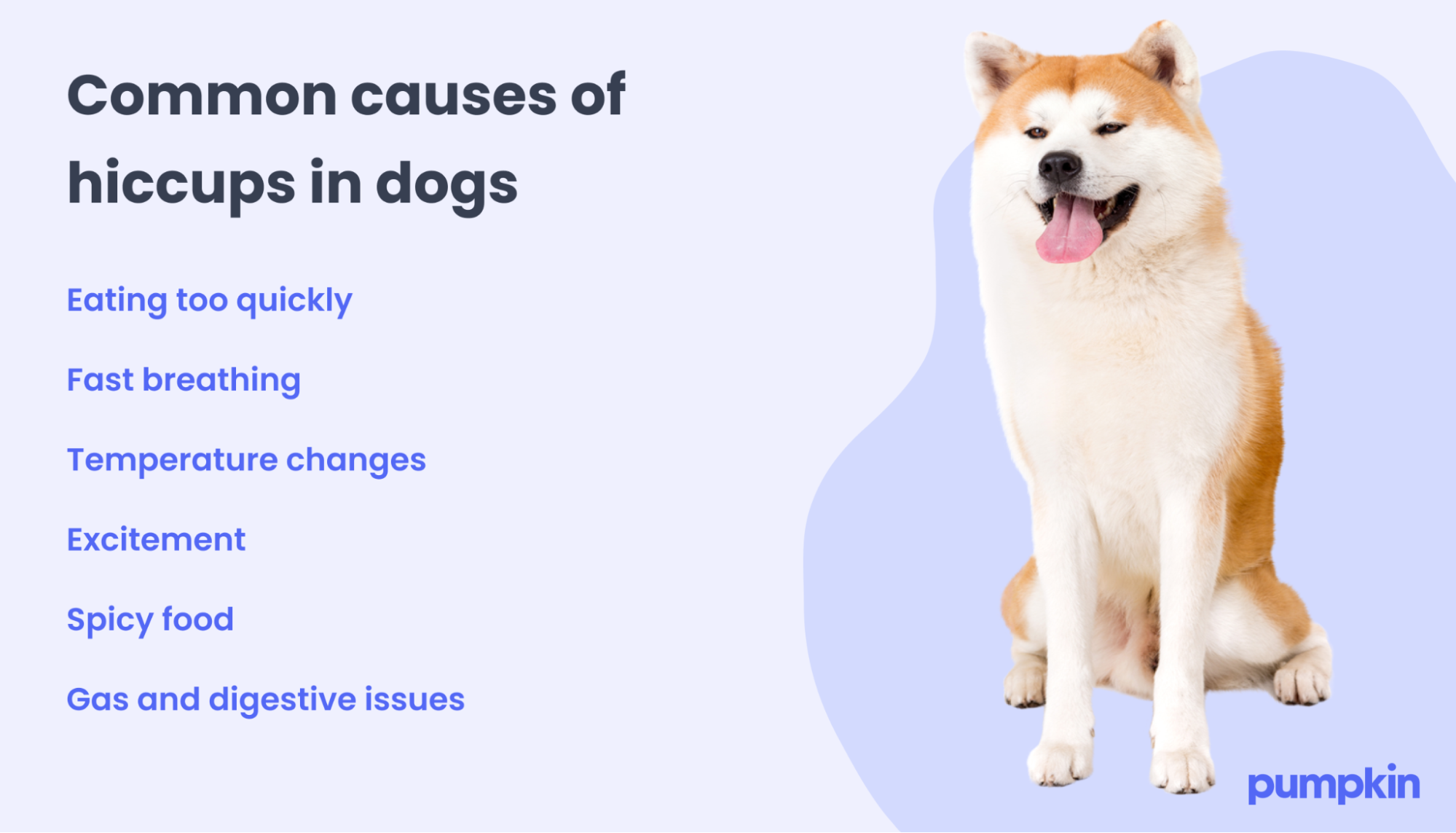
While many cases of canine hiccups are benign and self-resolving, certain common triggers are often observed:
- Rapid Eating or Drinking: One of the most frequent causes, especially in puppies and enthusiastic eaters. When dogs eat or drink too quickly, they tend to swallow a lot of air along with their food or water. This excess air can distend the stomach, which in turn can put pressure on the diaphragm and irritate the nerves, leading to hiccups.
- Excitement or Stress: Periods of heightened emotion, whether positive (like playtime) or negative (like anxiety during a vet visit), can alter a dog’s breathing patterns. Rapid or irregular breathing due to excitement can also lead to air swallowing and subsequent hiccups.
- Over-excitement/Vigorous Play: Similar to general excitement, intense physical activity can cause dogs to breathe erratically or swallow air, triggering hiccups.
- Stomach Upset: Mild gastrointestinal irritation can also contribute to diaphragm spasms.
- Temperature Changes: A sudden drop in body temperature or being too cold can sometimes induce hiccups, though this is less common.
While most hiccups are harmless and resolve on their own within minutes, there are instances when they might signal a more serious underlying issue. If hiccups are prolonged (lasting for hours), occur very frequently, are accompanied by other symptoms such as coughing, wheezing, lethargy, vomiting, or difficulty breathing, or if your dog seems distressed, it’s advisable to consult a veterinarian. These could indicate respiratory problems, asthma, pneumonia, or even gastrointestinal disorders. However, for the vast majority of cases, canine hiccups are a temporary, harmless quirk of their physiology.
Leveraging Technology for Pet Health Monitoring and Management
In today’s interconnected world, technology plays an increasingly significant role in every aspect of our lives, and pet care is no exception. While hiccups are usually minor, the broader application of tech for pet health allows for comprehensive monitoring and proactive management, transforming how we understand and respond to our pets’ needs, from mundane issues to more complex health concerns.
Smart Pet Devices: Beyond Basic Care
The market for smart pet devices has exploded, offering solutions that go far beyond traditional collars and leashes. These gadgets, often linked to smartphone apps, can provide invaluable data and convenience, indirectly helping to mitigate common hiccup triggers and manage overall health:
- Smart Feeders: For dogs prone to hiccups due to rapid eating, smart feeders are a game-changer. These devices can dispense food in measured portions at scheduled intervals, preventing your dog from gorging. Some even have slow-feed mechanisms or puzzle-like designs that force dogs to eat more slowly, significantly reducing the amount of air swallowed. This direct intervention addresses a primary cause of hiccups and promotes healthier digestion.
- Wearable Pet Trackers and Health Monitors: Similar to human fitness trackers, pet wearables can monitor activity levels, sleep patterns, and sometimes even heart rate and respiration. While they might not directly detect hiccups, consistent monitoring of respiratory patterns can help identify abnormal breathing that might precede or accompany more serious conditions, giving owners peace of mind or an early warning. They provide data that can be shared with a vet, creating a more informed discussion about a pet’s overall health trajectory.
- Pet Cameras with Two-Way Audio: For owners who are away during the day, pet cameras allow real-time observation of their dog’s behavior. If a dog is experiencing frequent or prolonged hiccups, the owner can monitor their pet’s distress level, check for accompanying symptoms, or even use the two-way audio feature to soothe them. This provides critical observational data that might otherwise be missed, informing decisions about whether a vet visit is needed.
- Digital Security for Pet Data: As more pet devices connect to the internet and gather sensitive data (e.g., feeding schedules, activity logs, vet records), digital security becomes paramount. Protecting this information from breaches is crucial for maintaining the privacy of pet owners and the integrity of their pet’s health records. Understanding basic cybersecurity practices for smart home devices extends to pet tech, ensuring a secure digital environment for managing pet care.
AI and Software in Veterinary Science and Pet Owner Education
Artificial intelligence and specialized software are beginning to revolutionize veterinary diagnostics and pet owner resources. While diagnosing hiccups typically doesn’t require advanced AI, these technologies contribute to a broader ecosystem of informed pet care:
- Veterinary Telemedicine Platforms: For non-urgent concerns like persistent but otherwise benign hiccups, telemedicine platforms offer a convenient way to consult with a vet remotely. Owners can quickly get professional advice, share videos of their pet’s symptoms, and receive reassurance or guidance on next steps without the immediate stress and cost of an in-person visit. This accessibility can prevent unnecessary anxiety and empower owners with immediate expert opinions.
- Pet Health Apps and Symptom Checkers: Numerous apps provide comprehensive information on pet health conditions, including common ailments like hiccups. These apps can offer symptom checklists, first aid tips, and reminders for vaccinations, medications, and vet appointments. While not a substitute for professional veterinary advice, they serve as valuable educational tools, helping owners understand what’s normal and when to seek help. Some advanced apps might use AI to suggest possible conditions based on reported symptoms, guiding owners towards more informed action.
- Data Analytics for Breed-Specific Insights: AI can analyze vast datasets of pet health records to identify patterns, predispositions, and common issues within specific breeds. While unlikely to pinpoint the cause of an individual dog’s hiccup, this macro-level data can inform breeding practices, preventative care guidelines, and even product development for breed-specific dietary needs that might impact conditions like hiccups.
- Productivity Tools for Pet Management: Beyond dedicated pet apps, general productivity tools can be adapted for pet care. Calendar apps for scheduling vet appointments or medication reminders, note-taking apps for tracking symptoms or dietary changes, and even shared family calendars can ensure that all household members are aligned on a pet’s care regimen, leading to more consistent and effective management of their health and well-being.
By embracing these technological advancements, pet owners are better equipped to monitor their dogs’ health, prevent common issues like hiccups, and make informed decisions, transforming pet care into a more proactive, data-driven, and integrated experience.
The “Brand” of Pet Care: Trust, Information, and Community
Beyond the physiological and technological aspects, the way we perceive and engage with pet care is heavily influenced by “brand.” This encompasses not just the identity of products and services, but also the reputation of experts, the strategic communication of information, and the development of trustworthy communities. In the context of canine hiccups, understanding brand helps us navigate the vast landscape of advice and products, identifying reliable sources and solutions.
Branding for Trust and Expertise in Pet Health
- Veterinary Clinic Branding: A veterinary clinic’s brand strategy is crucial for building trust. A clinic that communicates clearly, offers transparent services, and maintains a reputation for compassionate and knowledgeable care becomes a go-to source for pet owners. When a dog has hiccups, owners instinctively turn to a trusted vet brand, seeking reassurance and expert advice on whether the condition is benign or indicative of something more serious. Their branding, from their website design to their online reviews and social media presence, reinforces this perception of reliability.
- Pet Food and Product Branding: Many pet food brands position themselves not just on nutrition, but also on specific health benefits. Brands that market “slow-feeding” bowls or easily digestible formulas indirectly address issues like hiccups caused by rapid eating or digestive upset. Their branding often highlights natural ingredients, scientific backing, or ethical sourcing, aiming to build consumer confidence. A brand’s reputation for quality can influence an owner’s choice, potentially leading to products that prevent common issues like hiccups. Similarly, the branding of pet tech companies that produce smart feeders or health monitors emphasizes innovation, ease of use, and a commitment to pet well-being, distinguishing them in a crowded market.
- Expert and Influencer Personal Branding: In the digital age, veterinarians, pet trainers, and even knowledgeable pet owners establish personal brands through blogs, social media, and YouTube channels. These individuals become trusted sources of information, sharing insights on topics from dog training to health concerns like hiccups. Their personal brand — built on authenticity, expertise, and consistent valuable content — can significantly influence how pet owners interpret symptoms and seek solutions. A well-regarded pet influencer providing practical tips for managing puppy hiccups can reach a wide audience, offering accessible and relatable advice.
Marketing Strategies for Pet Health Awareness and Community Building
- Educational Content Marketing: Brands in the pet industry, whether they sell food, insurance, or tech, often invest in content marketing to educate pet owners. Articles, videos, and infographics explaining “what causes hiccups in dogs” are not just informative; they are also a form of brand building. By providing valuable, accessible information, these brands position themselves as knowledgeable authorities and caring partners in pet ownership. This strategy fosters a loyal community of informed customers.
- Community Engagement and Support Forums: Online pet communities, social media groups, and forums serve as critical spaces for pet owners to share experiences, ask questions, and offer support. These platforms, often moderated or sponsored by pet brands or organizations, act as informal “brand spaces.” When an owner posts about their dog’s hiccups, they receive diverse perspectives, tips, and emotional support from fellow pet lovers. These communities build collective knowledge and reinforce the idea that pet ownership is a shared journey, often guided by brand-aligned resources and expertise.
- Reputation Management and Trust Signals: In an era of online reviews and instant feedback, reputation management is vital for any pet-related brand. Positive reviews for veterinary services, pet products, or pet tech gadgets build trust and encourage new customers. Conversely, negative feedback, especially regarding product safety or effectiveness, can quickly erode a brand’s standing. Brands actively manage their online reputation, ensuring that their promise of quality and care aligns with customer experience, which in turn influences pet owners’ decisions when addressing any pet health concern, including a simple hiccup.
Ultimately, the “brand” in pet care creates an ecosystem of trust, information, and support. It helps pet owners discern reliable advice from misinformation, choose products that align with their values and their pet’s needs, and feel part of a larger community dedicated to canine well-being.
Financial Considerations and Resource Management for Canine Well-being
Pet ownership, while incredibly rewarding, comes with significant financial responsibilities. Even common, benign issues like hiccups can, in rare cases, lead to vet visits, diagnostics, and potentially treatment, all of which incur costs. Understanding the “money” aspect of pet care involves proactive financial planning, strategic budgeting, and exploring avenues for financial support, ensuring that our pets receive the best possible care without causing undue strain on our wallets.
Budgeting for Pet Health: Proactive vs. Reactive Spending
Effective financial management for pet owners requires a blend of proactive planning and a readiness for unexpected expenses.
- Routine Care and Preventative Measures: A significant portion of pet-related spending should be allocated to routine care, which can indirectly prevent issues that might lead to hiccups or more severe conditions. This includes high-quality food (which can prevent digestive upset, a potential hiccup trigger), regular vet check-ups, vaccinations, parasite prevention, and dental care. Budgeting for these predictable expenses ensures a baseline of health, reducing the likelihood of minor issues escalating. For instance, investing in a slow-feeder bowl (a minor cost) can prevent frequent vet visits for concerns related to rapid eating and associated hiccups or bloat.
- Emergency Fund for Unexpected Health Issues: While most hiccups are harmless, the anxiety they cause might lead an owner to seek veterinary consultation, incurring consultation fees. More serious, unexpected health issues can arise without warning, from accidents to sudden illnesses. Having an emergency fund specifically for pet care—separate from other personal savings—is crucial. This fund allows owners to make decisions based on their pet’s health needs, rather than being limited by immediate financial constraints. This proactive approach ensures that if a hiccup does turn out to be a symptom of a larger problem, financial resources are readily available.
- Financial Tools for Tracking Pet Expenses: Utilizing personal finance software or budgeting apps can help pet owners meticulously track all pet-related expenses. Categorizing spending on food, vet visits, grooming, toys, and insurance allows owners to see where their money is going, identify areas for potential savings, and ensure they are staying within their pet care budget. Some apps even offer specific modules for pet management, integrating health records with financial tracking.
The Value of Pet Insurance and Financial Planning
Pet insurance is a financial product designed to mitigate the cost of unexpected veterinary care. While it might seem like an additional expense, it acts as a financial safety net, providing peace of mind for owners.
- Mitigating Unexpected Costs: For a minor issue like persistent hiccups, pet insurance typically wouldn’t be invoked unless it led to extensive diagnostics or treatment for a serious underlying condition. However, for major illnesses, surgeries, or chronic conditions, pet insurance can cover a substantial portion of veterinary bills, which can easily run into thousands of dollars. This means that if a dog’s hiccups were indeed a symptom of something serious, insurance could prevent a difficult financial decision from compromising the pet’s care.
- Choosing the Right Plan: Different pet insurance plans offer varying levels of coverage—from accident-only to comprehensive plans that include illness, wellness care, and even behavioral therapy. Understanding the nuances of deductibles, reimbursement percentages, and annual limits is key to selecting a plan that aligns with an owner’s financial capacity and their pet’s specific needs and risk factors (e.g., breed-specific predispositions).
- Long-term Financial Planning for Pet Ownership: Pet ownership is a long-term commitment, often spanning a decade or more. Integrating pet care costs into broader personal financial planning ensures sustainability. This includes factoring in potential increases in veterinary costs as a pet ages, specialized diets, or geriatric care. Financial advisors can help pet owners incorporate these variables into their overall budget and investment strategies.

Monetizing Pet Passion: From Side Hustles to Sustainable Businesses
Interestingly, a deep understanding of pet health, even common concerns like hiccups, can also open doors to online income and side hustles, transforming passion into profit.
- Pet Blogging and Content Creation: Owners who research and understand pet health deeply can create valuable content (blogs, videos, social media posts) that educates others. Sharing personal experiences, tips for managing hiccups, or reviews of slow-feeder bowls can attract an audience. This content can then be monetized through advertising, affiliate marketing (e.g., recommending pet products), or sponsored posts, turning a hobby into a side income or even a full-time business.
- Online Pet Product Reviews and Recommendations: Leveraging knowledge about pet products—including those designed to prevent hiccups—allows individuals to offer informed reviews. This can lead to opportunities for product testing, affiliate marketing, or even consulting for pet product brands.
- Pet-Related Services (Side Hustle to Business): Services like pet sitting, dog walking, or even creating custom pet accessories can start as side hustles and evolve into sustainable businesses. Understanding pet health nuances, such as knowing when a dog’s hiccup warrants concern, adds a layer of professionalism and trust that can help build a strong brand for these services, enabling them to command better rates and attract more clients. Financial tools designed for small businesses can help manage these ventures, tracking income, expenses, and profitability.
By integrating financial planning into pet ownership, from budgeting for routine care to considering pet insurance and even exploring pet-related income opportunities, owners can ensure that their beloved companions receive optimal care, reducing stress and enhancing the overall quality of life for both pet and owner.
In conclusion, while “what causes hiccups in dogs” might seem like a simple question, exploring its answer through the lenses of technology, brand strategy, and financial wisdom reveals a much richer, more integrated understanding of modern pet care. From leveraging smart devices to prevent common triggers, to trusting reputable brands for quality products and advice, and strategically managing the financial aspects of pet ownership, every element contributes to a holistic and informed approach to ensuring the health and happiness of our canine friends. This comprehensive perspective not only helps address the occasional hiccup but also empowers pet owners to provide the best possible life for their loyal companions in an increasingly complex world.
aViewFromTheCave is a participant in the Amazon Services LLC Associates Program, an affiliate advertising program designed to provide a means for sites to earn advertising fees by advertising and linking to Amazon.com. Amazon, the Amazon logo, AmazonSupply, and the AmazonSupply logo are trademarks of Amazon.com, Inc. or its affiliates. As an Amazon Associate we earn affiliate commissions from qualifying purchases.