
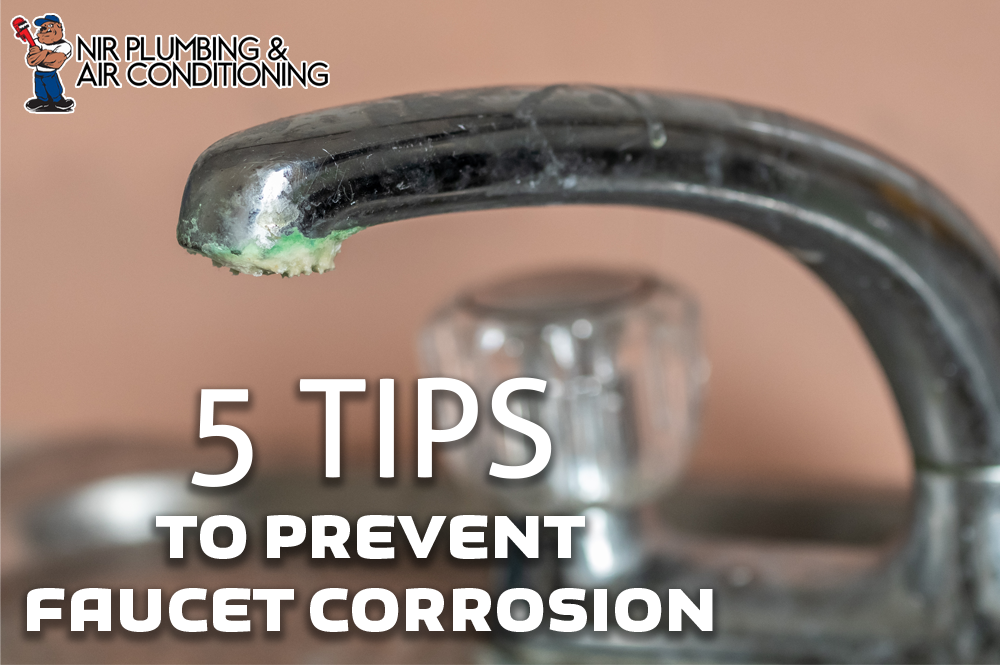
Corrosion, the gradual deterioration of materials, especially metals, by chemical or electrochemical reaction with their environment, is a common and frustrating issue for bathroom faucets. Far from being a simple aesthetic problem, it can compromise the functionality and longevity of these essential fixtures. Understanding the underlying technological and material science principles behind faucet corrosion is crucial for homeowners and manufacturers alike, enabling informed choices in design, material selection, and maintenance. This exploration delves into the technological factors that contribute to faucet corrosion, focusing on the interplay of water chemistry, material composition, and the performance of protective finishes.
The Electrochemical Dance: Water Chemistry and Metal Interactions
The primary driver of corrosion in metallic components, including those found in bathroom faucets, is electrochemistry. Faucets are typically constructed from metals like brass, zinc alloys, stainless steel, and sometimes plated with chrome or nickel. These materials, when exposed to an electrolyte – in this case, water – can participate in electrochemical reactions.
Understanding Galvanic Corrosion: Dissimilar Metals in Contact
A significant contributor to faucet corrosion is galvanic corrosion, an electrochemical process that occurs when two dissimilar metals are in electrical contact in the presence of an electrolyte. In the context of a faucet, this can happen internally between different metal components or externally if the faucet comes into contact with other conductive materials.
The relative nobility of metals is ranked on the galvanic series. When two metals from different positions in this series are in contact, the more active (less noble) metal will act as the anode and corrode preferentially, while the more noble metal acts as the cathode and is protected. For instance, if a brass faucet (primarily copper and zinc) has internal components made of a less noble metal, or if it’s in contact with a dissimilar metal fitting, galvanic action can accelerate the corrosion of the brass. This phenomenon is particularly relevant in the manufacturing and assembly of faucets, where various metal alloys and plating materials are brought together. Manufacturers must carefully consider the galvanic compatibility of all materials used in their products to prevent premature failure.
Electrolyte Properties: The Role of Water Chemistry
Water, while seemingly benign, is far from a neutral substance in its interaction with metals. Its chemical composition, including pH, dissolved solids, and the presence of specific ions, directly influences its corrosivity.
pH Levels and Acidity/Alkalinity
The pH of water is a measure of its acidity or alkalinity. Water with a low pH (acidic) is more aggressive and can accelerate the dissolution of metals. Acidic water can readily strip electrons from metal atoms, initiating the oxidation process that leads to corrosion. Conversely, highly alkaline water can also present challenges, sometimes leading to different forms of corrosion or the degradation of protective coatings. Maintaining a neutral pH (around 7) is generally ideal for minimizing metal corrosion.
Dissolved Solids and Mineral Content
The concentration of dissolved solids in water, often referred to as “hard water” when high, plays a critical role. Minerals like calcium and magnesium, while not directly corrosive themselves, can precipitate out of the water, forming scale deposits on faucet surfaces. These deposits can create localized environments where corrosive substances are trapped, leading to pitting or crevice corrosion. Furthermore, the presence of dissolved ions such as chlorides and sulfates can significantly increase the electrical conductivity of water, thereby enhancing electrochemical corrosion rates. Chloride ions, in particular, are known to break down passive protective layers on metals like stainless steel, making them highly susceptible to pitting corrosion.
Dissolved Gases: Oxygen and Carbon Dioxide
Dissolved oxygen is a key reactant in many corrosion processes. It acts as the cathodic depolarizer, accepting electrons from the metal and driving the oxidation reaction forward. Faucets are constantly exposed to aerated water, providing an ample supply of oxygen. Dissolved carbon dioxide, on the other hand, can form carbonic acid in water, lowering its pH and increasing its corrosivity. The interplay of these dissolved gases within the water supply is a subtle yet significant factor in the overall corrosion potential.
Material Science and Manufacturing Defects: The Foundation of Failure
The inherent properties of the materials used in faucet construction, coupled with potential flaws introduced during the manufacturing process, lay the groundwork for corrosion. The selection of appropriate materials and rigorous quality control are paramount in preventing these issues.
Metal Alloys and Their Susceptibility
Different metal alloys exhibit varying degrees of resistance to corrosion. Brass, a common material for faucet bodies, is an alloy of copper and zinc. While generally durable, it can be susceptible to dezincification, a form of corrosion where zinc is selectively leached from the alloy, leaving behind a porous, weakened structure. The specific composition of the brass alloy and the manufacturing process can influence its susceptibility to this type of corrosion.
Zinc alloys, often used in lower-cost faucets, are generally less resistant to corrosion than brass or stainless steel. They can be prone to a form of corrosion called “white rust,” characterized by a powdery white deposit, which can quickly degrade the structural integrity of the faucet.
Stainless steel, with its inherent chromium content that forms a passive oxide layer, offers excellent corrosion resistance. However, even stainless steel can be susceptible to certain forms of corrosion, such as pitting and crevice corrosion, especially in the presence of aggressive ions like chlorides, or if the passive layer is compromised. The grade and finish of the stainless steel used in faucets are critical factors in its long-term performance.
Plating and Coating Technologies: The Protective Barrier
Most faucets feature a decorative and protective plating or coating. This layer is the first line of defense against corrosion, preventing direct contact between the base metal and the corrosive environment. The technology behind these coatings is sophisticated, and their effectiveness is directly linked to their quality and integrity.

Chrome Plating: A Common but Vulnerable Layer
Chrome plating is a popular choice due to its bright, reflective finish and good hardness. It typically involves plating a layer of nickel over the base metal (often brass or zinc alloy) and then a thin layer of chromium over the nickel. The nickel layer provides a smooth, corrosion-resistant barrier, while the chromium layer offers a hard, aesthetically pleasing surface. However, if the underlying nickel layer is porous or if the chrome layer is too thin, corrosive elements can reach the base metal, initiating corrosion. Tiny pinholes or imperfections in the plating can act as initiation sites for galvanic corrosion, with the exposed base metal corroding sacrificially.
Other Finishes: PVD, Powder Coating, and Ceramic
Beyond chrome, various other finishes are employed. Physical Vapor Deposition (PVD) is a modern coating technology that creates a very hard and durable layer, often with a metallic appearance. PVD finishes are generally more resistant to scratching and corrosion than traditional plating. Powder coating involves applying a dry powder and then curing it with heat, creating a robust and often colored finish. Ceramic coatings offer excellent hardness and chemical resistance, providing a durable and long-lasting barrier. The success of these finishes depends heavily on the meticulous application process and the adherence of the coating to the substrate.
Manufacturing Imperfections: The Hidden Flaws
Even with high-quality materials and advanced coating technologies, manufacturing defects can introduce vulnerabilities that lead to corrosion.
Porosity and Inclusions
During the casting or molding of metal components, porosity (the presence of small voids or gas bubbles) can occur. These internal voids can become sites for corrosion to initiate, as they create areas of weakness and can trap moisture. Similarly, inclusions, foreign particles embedded within the metal matrix, can disrupt the uniform electrochemical potential of the material, leading to localized corrosion.
Inadequate Surface Preparation
The preparation of the metal surface before plating or coating is critical for adhesion and durability. If the surface is not properly cleaned, degreased, or etched, the subsequent protective layer may not bond effectively. This can lead to delamination, chipping, or premature wear of the coating, exposing the underlying metal to the corrosive environment.
Inconsistent Coating Thickness
As mentioned with chrome plating, inconsistent thickness of the protective layer is a significant issue. Areas with thinner plating are more susceptible to damage and corrosion. Modern manufacturing techniques aim for uniformity, but variations can still occur, particularly in intricate faucet designs.
Environmental Factors and Usage Patterns: The External Influences
Beyond the inherent properties of the faucet and the water chemistry, external environmental factors and how the faucet is used can significantly influence the rate and type of corrosion it experiences.
Aggressive Cleaning Agents
The frequent use of abrasive or chemically aggressive cleaning agents can damage the protective finishes on faucets. Many common household cleaners contain acids, alkalis, or abrasive particles that can scratch, etch, or even dissolve the plating, exposing the underlying metal to corrosion. Using mild soaps and water, and avoiding harsh chemicals, is a simple yet effective way to preserve the faucet’s finish.
Hard Water Deposits and Buildup
While not a direct cause of corrosion in all cases, the accumulation of hard water deposits (limescale) can indirectly promote corrosion. As scale builds up, it can trap moisture and create localized environments where corrosive substances are concentrated. These deposits can also disrupt the smooth flow of water, leading to stagnant areas where corrosion is more likely to occur. Regular cleaning to remove scale buildup is therefore beneficial not only for aesthetics but also for preventing potential corrosion issues.
Wear and Tear from Daily Use
The constant manipulation of faucet handles, the flow of water, and even the friction from drying the faucet can contribute to wear and tear on the protective finishes. Minor scratches and abrasions, over time, can compromise the integrity of the plating, creating entry points for corrosive elements. This is particularly true for finishes that are inherently less durable, such as thinner chrome plating or certain painted finishes.
Environmental Exposure
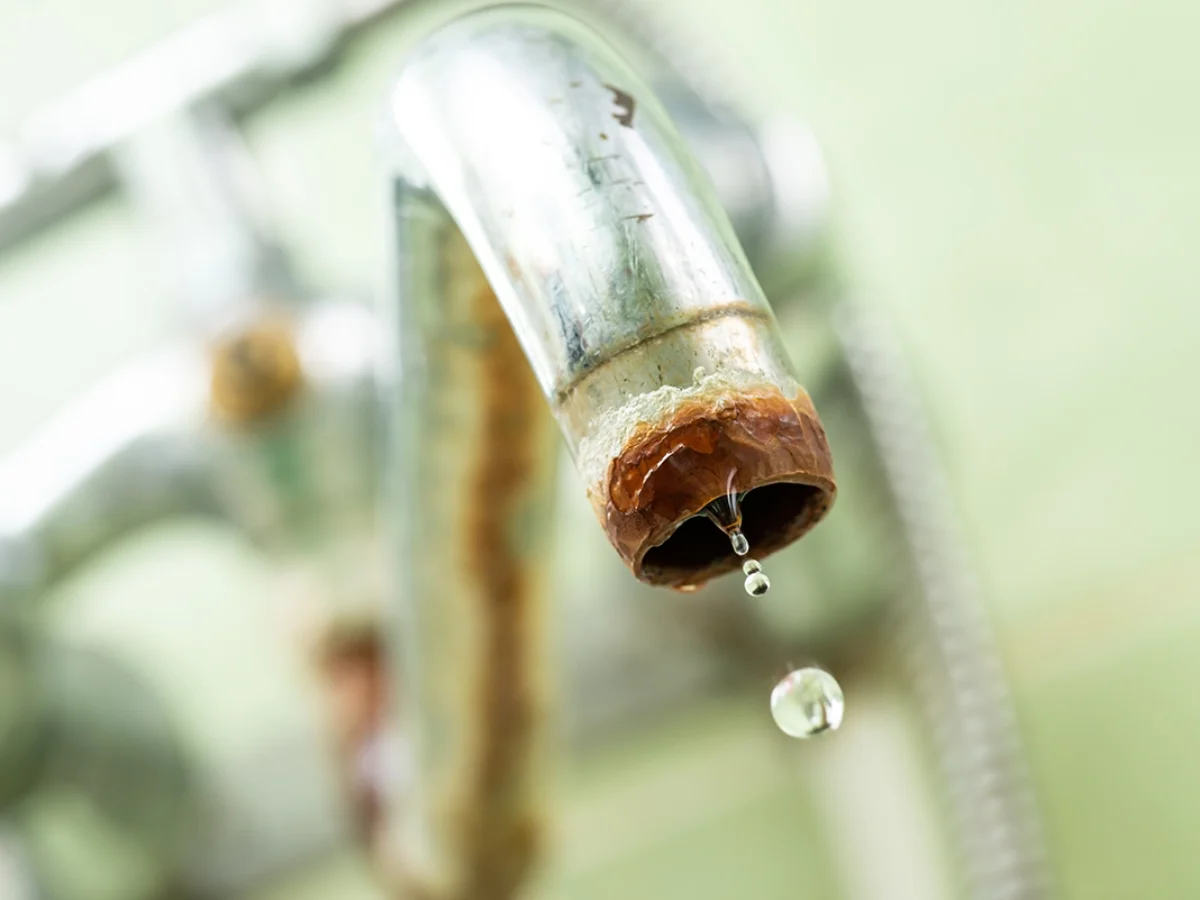
In coastal areas, the presence of salt in the air and moisture can accelerate corrosion. Similarly, in regions with industrial pollution, the air and water can contain higher concentrations of corrosive substances like sulfur dioxide, which can contribute to acid rain and increase the corrosivity of water. While primarily a concern for outdoor fixtures, these environmental factors can indirectly impact indoor environments through the water supply.
In conclusion, faucet corrosion is a multifaceted issue rooted in the complex interplay of electrochemical principles, material science, and manufacturing technology. Understanding these causes empowers consumers to make informed purchasing decisions, prioritize maintenance, and ultimately extend the lifespan and aesthetic appeal of their bathroom fixtures. By selecting faucets made with appropriate, corrosion-resistant materials, featuring high-quality protective finishes, and by employing sensible usage and cleaning practices, homeowners can significantly mitigate the risk of corrosion and ensure their faucets remain functional and attractive for years to come.
aViewFromTheCave is a participant in the Amazon Services LLC Associates Program, an affiliate advertising program designed to provide a means for sites to earn advertising fees by advertising and linking to Amazon.com. Amazon, the Amazon logo, AmazonSupply, and the AmazonSupply logo are trademarks of Amazon.com, Inc. or its affiliates. As an Amazon Associate we earn affiliate commissions from qualifying purchases.