
The question “what cars are ATF transmission?” might seem straightforward, but it opens a complex and crucial discussion for any car owner or enthusiast. Automatic Transmission Fluid (ATF) is the lifeblood of an automatic transmission, a sophisticated piece of engineering responsible for seamlessly shifting gears and delivering power to the wheels. Understanding which vehicles utilize ATF, why it’s so vital, and the implications of using the wrong type are fundamental to vehicle maintenance and longevity. This article will delve into the technical intricacies of ATF, the types of transmissions that rely on it, and how to navigate the ever-evolving landscape of fluid specifications.

The Ubiquitous Role of ATF in Modern Transmissions
Automatic Transmission Fluid is far more than just a lubricant. It performs a multitude of critical functions within the complex machinery of an automatic transmission, making it an indispensable component. Its composition is a carefully engineered blend of base oils and additives, each designed to contribute to the transmission’s optimal performance and durability.
Beyond Lubrication: The Multifaceted Functions of ATF
While lubrication is a primary function, ATF is responsible for several other vital tasks:
- Hydraulic Power Transmission: In many automatic transmissions, ATF is the medium through which hydraulic pressure is generated and transmitted. This pressure is used to actuate clutches, bands, and torque converters, enabling gear changes and power transfer. The viscosity and compressibility of the fluid directly impact the responsiveness and smoothness of these operations.
- Cooling: The immense friction and mechanical work within an automatic transmission generate significant heat. ATF circulates through the transmission, absorbing this heat and carrying it to the transmission cooler, typically integrated into the radiator or as a standalone unit. Proper cooling prevents overheating, which can lead to premature wear and catastrophic failure of transmission components.
- Cleaning and Debris Removal: As gears and clutch packs engage and disengage, microscopic wear particles and other debris are generated. ATF acts as a cleaning agent, suspending these particles and carrying them to the filter, where they are trapped. This prevents them from circulating and causing damage to sensitive internal components.
- Corrosion Prevention: The metallic components within a transmission are susceptible to rust and corrosion. ATF contains additives that protect these surfaces from moisture and chemical attack, extending their lifespan.
- Seal Conditioning: ATF is formulated to condition and maintain the integrity of the various seals within the transmission. This prevents leaks and ensures that hydraulic pressure is maintained effectively.
The specific formulation of ATF varies significantly between manufacturers and even between different transmission models within the same manufacturer. This is due to the varying design philosophies, materials used, and operational demands placed on different transmissions.
The Evolution of Automatic Transmissions and Fluid Requirements
The journey of the automatic transmission began with relatively simple designs that required less specialized fluids. However, as transmissions became more complex, with more gears, sophisticated valve bodies, and increasingly demanding performance expectations, so too did the requirements for ATF.
- Early Transmissions: Older transmissions, like the early Hydramatic or Dynaflow, often used simpler fluids that might be compatible with a wider range of applications. However, these transmissions were also less efficient and offered fewer gear ratios.
- Modern Multi-Speed Transmissions: Today’s automatic transmissions frequently feature six, eight, ten, or even more gears. These advancements require fluids with precise friction characteristics to ensure smooth engagement and disengagement of clutch packs under various operating conditions. The control systems also rely on accurate hydraulic response, which is heavily influenced by the ATF’s properties.
- Continuously Variable Transmissions (CVTs): While not technically “ATF” in the traditional sense, CVTs utilize a specialized fluid that serves similar purposes. However, CVT fluids have unique shear stability and friction modification properties to manage the continuously changing ratios.
- Dual-Clutch Transmissions (DCTs): DCTs, while often automated manual transmissions, also employ specialized fluids. These fluids need to manage the engagement of two independent clutches, requiring precise friction control and excellent thermal stability.
The evolution of transmission technology has driven a parallel evolution in ATF formulations, leading to a vast array of specifications and proprietary blends.
Identifying Cars That Utilize ATF: A General Overview
The short answer to “what cars are ATF transmission?” is that the vast majority of vehicles equipped with automatic transmissions use Automatic Transmission Fluid. This encompasses a broad spectrum of passenger cars, SUVs, trucks, and even some performance-oriented vehicles. However, it’s crucial to understand that “ATF” is not a single, universal fluid.
Passenger Cars and SUVs: The Dominant Users
Virtually all modern gasoline and diesel-powered passenger cars and SUVs that are not equipped with a manual transmission will have an automatic transmission that requires ATF. This includes:
- Traditional Torque Converter Automatics: These are the most common type of automatic transmission and are found in a wide array of vehicles from brands like Toyota, Honda, Ford, General Motors, BMW, Mercedes-Benz, Volkswagen, and many others.
- CVT-Equipped Vehicles: While the fluid is specific to CVTs, it falls under the broader umbrella of transmission fluids and is often referred to in discussions about automatic transmission maintenance. Many Japanese and some European manufacturers heavily utilize CVTs in their compact and mid-size vehicles.
- DCT-Equipped Vehicles: Increasingly, manufacturers are adopting DCT technology, especially in performance-oriented models and some mainstream vehicles seeking improved fuel efficiency. These also require specialized fluids.
Trucks and Commercial Vehicles
Light-duty, medium-duty, and even some heavy-duty trucks are equipped with automatic transmissions that rely on ATF.
- Pickup Trucks: From Ford F-150s and Chevrolet Silverados to Ram 1500s, these workhorses predominantly use automatic transmissions requiring specific ATF formulations.
- Commercial Vans and Trucks: Many delivery vans and medium-duty trucks also utilize automatic transmissions for ease of operation in urban environments and for load-carrying capabilities.
Performance Vehicles and Luxury Cars
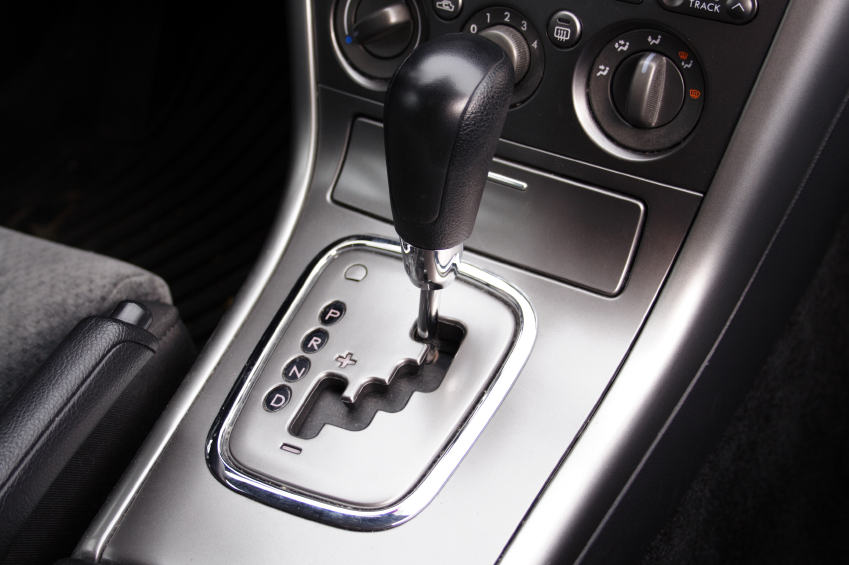
Even high-performance and luxury vehicles, which might seem to lean towards manual transmissions or more exotic technologies, often employ highly advanced automatic transmissions that still require specialized ATFs.
- Sports Cars: Many modern sports cars feature highly responsive and rapid-shifting automatic transmissions (often DCTs) that are meticulously engineered to work with specific fluid types.
- Luxury Sedans and SUVs: Premium vehicles prioritize smooth operation and advanced features, which are delivered by sophisticated automatic transmissions that depend on precisely formulated ATFs.
It is important to note that while the term “ATF” is widely used, the actual fluid required for a specific vehicle can vary dramatically.
Navigating the Labyrinth of ATF Specifications
The biggest challenge for car owners when it comes to ATF is understanding that there isn’t a one-size-fits-all solution. The term “ATF” is a generic descriptor, and numerous proprietary specifications exist, often designated by abbreviations and numbers specific to each manufacturer.
The Importance of Manufacturer Specifications
Automotive manufacturers invest heavily in developing and testing their transmissions. This development process includes specifying the exact type of ATF that will ensure optimal performance, longevity, and warranty compliance. These specifications are not arbitrary; they are dictated by the unique internal components, operating pressures, clutch materials, and seal types used in each transmission.
- Proprietary Formulations: Brands like Honda (e.g., HMMF, DW-1), Toyota (e.g., T-IV, WS), Ford (e.g., MERCON V, MERCON LV), General Motors (e.g., Dexron-VI), and ZF (e.g., Lifeguard fluids) all have their own unique ATF specifications. These fluids are often not interchangeable.
- Dexron and MERCON Standards: While many manufacturers now use their own proprietary fluids, the legacy of General Motors’ Dexron and Ford’s MERCON standards still influences the market. Dexron-VI, for instance, is a widely adopted specification that many aftermarket fluids aim to meet.
- API and ILSAC Classifications: While less common for ATFs compared to engine oils, some general performance standards may be referenced. However, manufacturer-specific standards are far more critical.
The Dangers of Using the Wrong ATF
Using an incorrect type of ATF can have severe consequences for an automatic transmission, ranging from minor performance issues to complete failure.
- Friction Modification: The friction modifiers in ATF are precisely calibrated to control how the clutch packs engage. Using fluid with incorrect friction properties can lead to slipping clutches, harsh shifting, delayed engagement, or even overheating of clutch plates.
- Viscosity Mismatch: The viscosity (thickness) of the ATF is critical for proper hydraulic operation. If the fluid is too thick, it can lead to sluggish shifts and increased strain on the pump. If it’s too thin, it may not provide adequate lubrication and hydraulic pressure.
- Material Compatibility: ATFs contain additives that protect seals and other internal components. Using a fluid that is not compatible can cause seals to swell, shrink, or degrade, leading to leaks and internal damage.
- Corrosion and Wear: Incorrect additives can fail to protect internal metal parts from corrosion and excessive wear, accelerating the degradation of the transmission.
- Voiding Warranties: Using a non-specified ATF will almost certainly void the manufacturer’s warranty on the transmission, leaving the owner responsible for potentially very expensive repairs.
How to Determine the Correct ATF for Your Vehicle
The most critical step in maintaining an automatic transmission is ensuring you are using the correct ATF. Fortunately, this information is readily accessible.
Consulting Your Owner’s Manual
The owner’s manual is your primary and most reliable source for determining the correct ATF specification for your vehicle. It will explicitly state the required fluid type, often referencing a manufacturer’s proprietary name or a recognized industry standard.
- Locating the Information: The ATF specification is typically found in the “Maintenance,” “Specifications,” or “Fluid Capacities” section of your owner’s manual.
- Understanding the Designation: Pay close attention to the exact designation. For example, “Dexron-VI” is different from “Dexron-III,” and “Honda DW-1” is distinct from “Honda HCF-2.”
Checking Under the Hood or Fuel Door
Some manufacturers may also print this information on a sticker under the hood or inside the fuel filler door. This is a convenient way to quickly reference the specification if you don’t have your manual readily available.
Decoding Fluid Labels and Websites
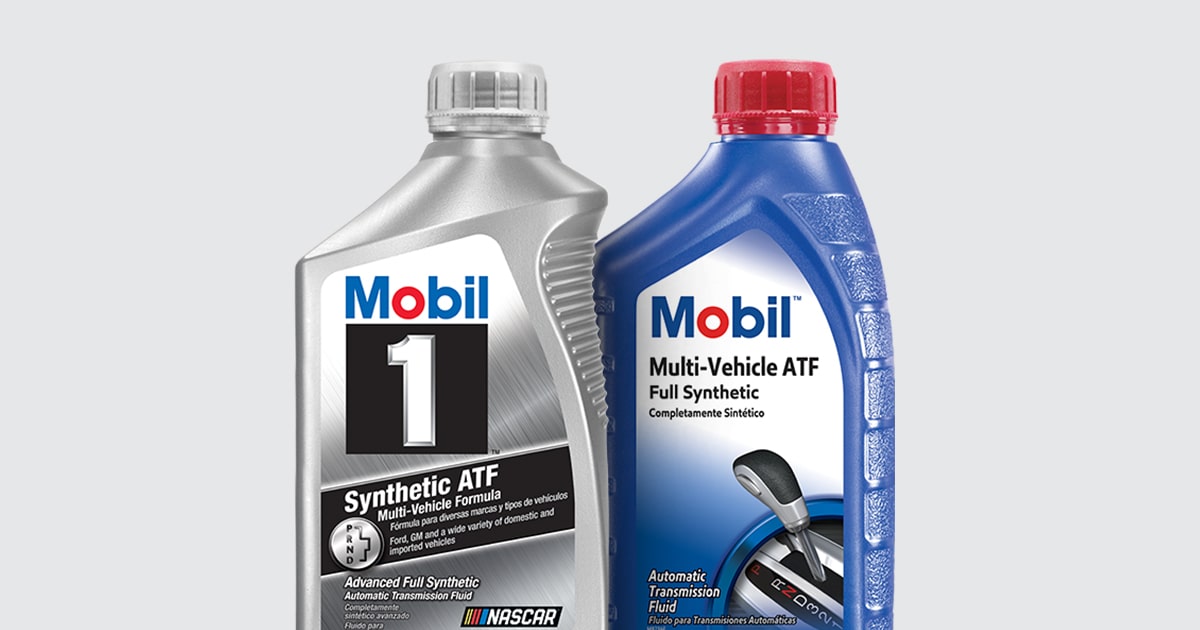
When purchasing ATF, always check the product label to ensure it explicitly states compatibility with your vehicle’s required specification. Reputable fluid manufacturers will clearly list which OEM specifications their product meets.
- Aftermarket vs. OEM: While aftermarket ATFs can be a cost-effective option, it is crucial to select a product from a reputable brand that guarantees full compatibility with your vehicle’s specific requirements. In some cases, especially for highly specialized transmissions, using genuine OEM fluid might be the safest bet.
- Online Resources: Many automotive parts retailers and fluid manufacturers provide online lookup tools where you can enter your vehicle’s make, model, and year to find compatible fluids. However, always cross-reference this information with your owner’s manual.
In conclusion, the question of “what cars are ATF transmission?” leads us to a fundamental understanding of modern automotive technology. The vast majority of automatic transmissions, from everyday sedans to heavy-duty trucks, rely on Automatic Transmission Fluid. However, the diversity of transmission designs necessitates a diverse range of ATF formulations. Meticulously adhering to manufacturer-specified fluid requirements is not merely a recommendation; it is an absolute necessity for ensuring the smooth operation, longevity, and reliability of your vehicle’s automatic transmission. By consulting your owner’s manual and selecting the correct fluid, you are making a critical investment in the health and performance of your car.