
The tragic death of actor Paul Walker in a fiery single-car crash on November 30, 2013, sent shockwaves across the globe, particularly among fans of the Fast & Furious franchise and the automotive enthusiast community. While the immediate question for many was “what car killed Paul Walker?”, the incident transcended a simple identification of the vehicle involved. It sparked a broader conversation about high-performance automotive technology, brand responsibility, the financial ramifications of such tragedies, and the enduring legacy of a beloved public figure. This article aims to move beyond the superficial query, exploring the complex interplay of technology, brand, and money surrounding the fatal accident, offering insights relevant to modern automotive safety, brand management, and financial accountability.

The Machine at the Heart of the Tragedy: The Porsche Carrera GT
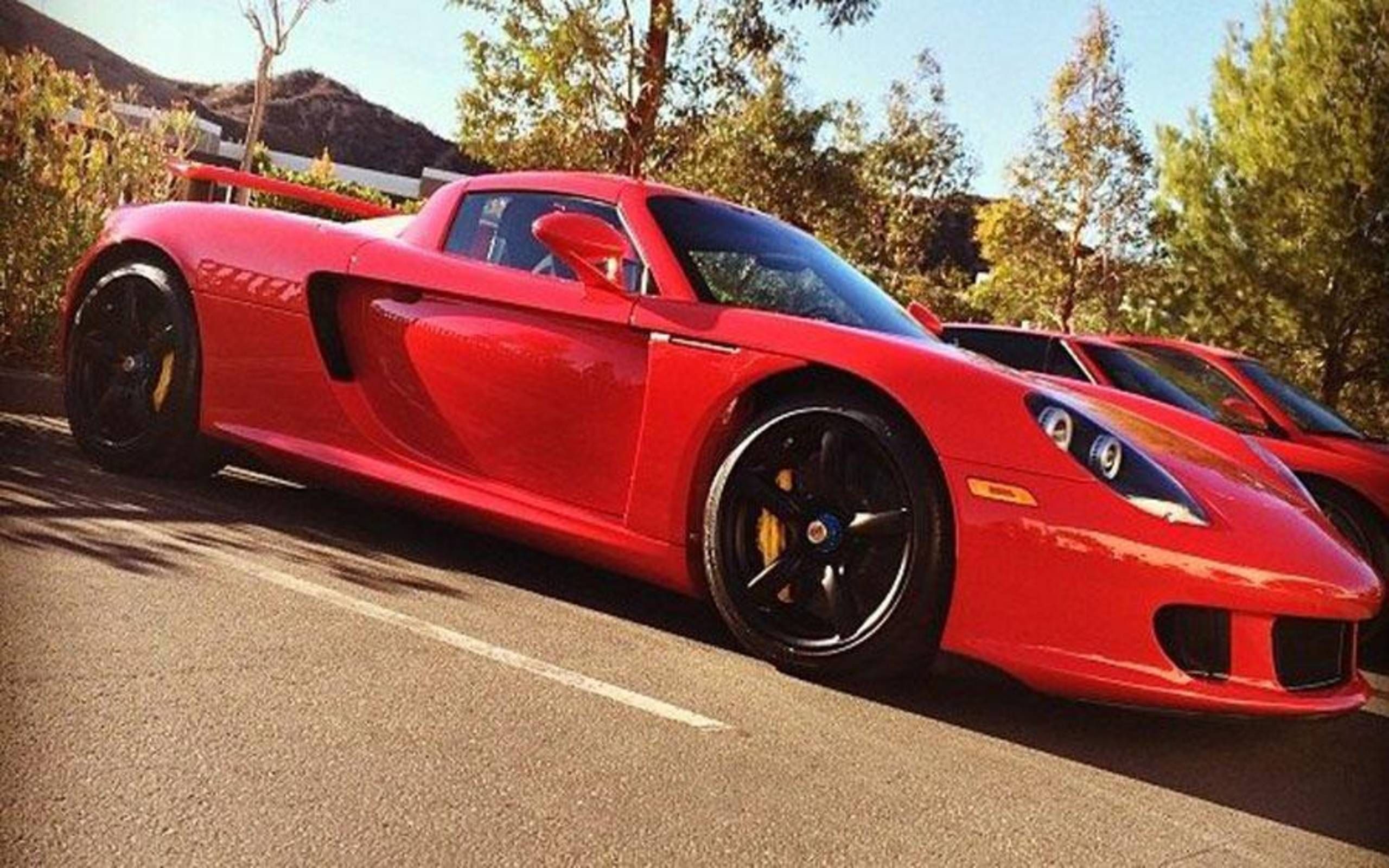
At the core of the investigation and public fascination was the vehicle itself: a 2005 Porsche Carrera GT. Far from being an ordinary car, the Carrera GT was a limited-production, high-performance supercar, revered by purists for its raw power and demanding driving characteristics. Understanding its technological profile is crucial to grasping the context of the accident.
A Legacy of Raw Power and Engineering Prowess
The Porsche Carrera GT was a marvel of early 21st-century automotive engineering, designed to be a track-focused road car. Its heart was a naturally aspirated 5.7-liter V10 engine, originally developed for a Le Mans prototype race car, producing a staggering 605 horsepower. This powerplant was mated to a six-speed manual transmission, sending power directly to the rear wheels. The car’s chassis featured a monocoque and subframe made entirely of carbon fiber reinforced plastic (CFRP), a technology more commonly found in aerospace and Formula 1 racing at the time. This construction provided incredible rigidity and kept the car’s weight exceptionally low, contributing to its phenomenal acceleration (0-60 mph in under 4 seconds) and a top speed exceeding 200 mph.
From a technology trends perspective, the Carrera GT represented the pinnacle of analog performance. It embraced lightweight materials and sheer mechanical force over the burgeoning electronic aids that would become standard in later generations of supercars. Its design philosophy was about direct driver engagement, offering a visceral experience that few other road cars could match. This focus on pure, unadulterated performance, however, also came with inherent challenges, particularly in the realm of driver control and safety.
The Analog Beast: A Precursor to Modern Safety Standards
One of the most critical technological aspects of the Carrera GT, when viewed through the lens of the Paul Walker accident, is what it lacked compared to contemporary and future supercars. While it featured basic stability control and anti-lock brakes (ABS), it conspicuously predated the widespread adoption of advanced electronic driver-assistance systems (ADAS) that are now commonplace, even in many family sedans. Systems like sophisticated traction control, torque vectoring, adaptive cruise control, lane-keeping assist, and advanced electronic stability programs (ESP) with multiple modes were either nascent or not integrated to the same degree as they are today.
The Carrera GT was notorious for being a challenging car to drive at its limits, even for experienced drivers. Its mid-engine layout, immense power, and lack of advanced electronic nannies meant that any sudden loss of traction could quickly lead to an unrecoverable slide, particularly when driven aggressively. Reviewers and professional drivers often described it as a car that demanded respect and skill, punishing mistakes swiftly. In contrast, modern supercars, while equally powerful, often come equipped with highly sophisticated software and AI-driven systems that can intervene seamlessly to prevent loss of control, offering a greater margin of safety for drivers approaching the car’s dynamic limits. The fatal accident served as a stark reminder of the delicate balance between raw performance and the ever-evolving landscape of automotive safety technology.
The Interplay of Technology and Safety in Automotive Design
The Paul Walker tragedy underscored the relentless march of technological progress in automotive safety. It compelled a closer look at how vehicle design, safety features, and even investigative techniques have evolved to prevent accidents and understand their causes.
Evolving Safety Standards: From Crumple Zones to AI-Driven ADAS
Automotive safety has undergone a revolutionary transformation in recent decades. The Carrera GT, while advanced for its time in terms of performance, represented an era when passive safety features (like airbags, seatbelts, and strategically designed crumple zones to absorb impact energy) were the primary focus. These are crucial and have saved countless lives, but they act during a crash. The major shift since then has been towards active safety systems designed to prevent the crash from happening in the first place.
Today’s vehicles integrate an array of sensors, cameras, radar, and lidar, all processed by sophisticated software and often leveraging AI algorithms. This enables features like automatic emergency braking (AEB), blind-spot monitoring, rear cross-traffic alerts, lane-keeping assistance, and adaptive cruise control. These systems continuously monitor the environment around the car, detecting potential hazards and, if necessary, intervening to avoid or mitigate collisions. The development of advanced materials science has also progressed, leading to stronger, lighter vehicle structures that offer improved occupant protection. The accident involving the Carrera GT highlighted a transitional period where extreme performance was still largely unbuffered by the comprehensive electronic safety nets that would soon become industry standards, pushed partly by consumer demand and regulatory pressures for safer vehicles.
Forensic Technology: Unraveling the ‘Why’
Beyond the vehicle’s inherent design, technology plays a pivotal role in understanding how and why accidents occur. The investigation into the Paul Walker crash was extensive, relying heavily on cutting-out-edge forensic technology. Accident reconstruction specialists utilized various digital tools, including computer simulations, 3D modeling, and analysis of tire marks, debris fields, and vehicle deformation. Data recorders (often referred to as “black boxes” or Event Data Recorders – EDRs) present in many modern vehicles can record crucial information leading up to a crash, such as speed, brake application, throttle position, and seatbelt usage. While the specific data available from a 2005 Carrera GT might have been less comprehensive than from a current model, forensic experts still piece together a detailed narrative using all available physical and digital evidence.
This application of technology extends to understanding material failures, component integrity, and environmental factors. For instance, in the Walker case, the condition of the tires was a significant point of contention in subsequent lawsuits. Forensic tire analysis, leveraging material science and expert examination, helped determine the age and wear of the tires, contributing to the understanding of their potential role in the accident. The precision offered by modern forensic technology is indispensable, transforming accident investigations from observational guesswork into data-driven scientific inquiries, ultimately aiming to prevent future tragedies by identifying root causes.
Brand Resonance and Reputation in the Aftermath
The tragic incident had profound implications for multiple brands: Porsche, as the manufacturer of the vehicle; Paul Walker himself, as an individual and a global celebrity; and the Fast & Furious film franchise he was synonymous with. Such events invariably trigger intense scrutiny, legal challenges, and a re-evaluation of brand identity and messaging.

Porsche’s Brand: Navigating Peril and Prestige
For a luxury automaker like Porsche, synonymous with performance, precision engineering, and safety (within its class), an accident of this magnitude involving one of its flagship models presents a significant brand challenge. While the official investigation determined that driver error and excessive speed were the primary causes, subsequent lawsuits by Walker’s daughter and father alleged design defects in the Carrera GT, particularly regarding its stability and crashworthiness. These legal battles, although ultimately not successful in proving defects, put Porsche’s engineering and safety standards under a harsh public spotlight.
Porsche’s brand strategy, in response, focused on upholding its reputation for engineering excellence and reiterating that its vehicles meet stringent safety standards. Crisis communication involved providing technical data, cooperating with investigations, and defending its product’s design. The incident did not permanently tarnish Porsche’s overall brand, which remains highly prestigious. However, it served as a stark reminder of the vulnerability even iconic brands face when their products are involved in high-profile tragedies. It reinforces the importance of meticulous design, rigorous testing, and transparent communication, especially in the context of high-performance vehicles where the line between exhilarating experience and extreme risk is finely drawn.
Paul Walker’s Enduring Legacy: From Persona to Philanthropy
Paul Walker’s personal brand was inextricably linked to cars and speed, largely thanks to his role as Brian O’Conner in the Fast & Furious series. His genuine passion for automotive culture resonated deeply with fans, making his death in a car crash particularly poignant and ironic. The accident did not diminish his brand; rather, it cemented his image as a genuine enthusiast and tragically underscored the dangers inherent in the very world he loved onscreen.
His legacy, however, extends far beyond his acting career. Walker was also a dedicated philanthropist, founding Reach Out Worldwide (ROWW), an organization providing aid to disaster-stricken areas. His death brought increased attention and donations to ROWW, transforming his personal brand into one of enduring compassion and service. This shift highlights how a public figure’s brand can evolve posthumously, finding new dimensions of impact. Universal Studios, the studio behind Fast & Furious, also worked to honor his memory, carefully crafting the storyline for Furious 7 to provide a respectful farewell to his character, further intertwining his personal brand with the franchise’s identity.
The “Fast & Furious” Franchise: A Brand Forged in Speed and Loss
The Fast & Furious franchise itself represents a global brand phenomenon, built on themes of speed, family, and adrenaline. Paul Walker’s death occurred midway through the filming of Furious 7, posing an unprecedented challenge for the brand. The incident forced the studio to halt production, rewrite significant portions of the script, and creatively utilize CGI and body doubles (including Paul’s brothers) to complete his character’s scenes.
This crisis became a masterclass in brand resilience and empathetic marketing. Instead of shying away from the tragedy, Universal Studios embraced it, dedicating Furious 7 to Walker’s memory. The film’s emotional ending, featuring a poignant tribute to Walker and his character’s “retirement” from the series, resonated deeply with audiences worldwide. It transformed the film from a mere action movie into a powerful cinematic eulogy, garnering immense critical and commercial success. The global box office revenue for Furious 7 soared past $1.5 billion, making it the highest-grossing film in the franchise and a testament to the brand’s ability to adapt, mourn, and ultimately, triumph over adversity, reinforcing the “family” theme central to its narrative.
The Financial Ripples: Costs, Claims, and Consequences
Beyond the technological and brand considerations, the Paul Walker tragedy had significant financial implications, ranging from the immediate costs of a high-performance vehicle to multi-million dollar legal battles and the broader economic impact on the film industry and automotive safety investments.
The Price of Performance: Investment in High-End Vehicles
The Porsche Carrera GT involved in the accident was an expensive machine. With an original sticker price well over $400,000, and a rapidly appreciating market value due to its rarity and iconic status, it represented a significant investment. High-performance vehicles, by their nature, entail higher costs—not just in purchase price, but also in specialized maintenance, insurance premiums, and the specific high-performance tires that were a point of contention in the legal proceedings.
For enthusiasts, owning such a car is a passion-driven investment, appreciating in value over time. However, this financial investment also comes with inherent risks. The cost of a totaled supercar is substantial, and while insurance typically covers physical damage, the broader financial ramifications of a fatal accident extend far beyond the vehicle itself, illustrating the multifaceted nature of financial commitment in the world of high-performance automotive ownership.
Legal Battles and Financial Settlements: The Cost of Tragedy
Following the accident, extensive legal proceedings ensued. Paul Walker’s father, as executor of his estate, and his daughter, Meadow Walker, filed separate wrongful death lawsuits against Porsche. These lawsuits alleged that the Carrera GT had design defects that contributed to the accident and Paul Walker’s death, including issues with the car’s stability, seatbelt design, and fuel cell integrity.
These legal battles represented enormous financial outlays for all parties. Porsche incurred significant legal defense costs, while the Walker family sought substantial compensation for wrongful death, loss of future earnings, and pain and suffering. Although Porsche successfully defended itself against the claims of design defect, a confidential settlement was reached between Meadow Walker and Porsche in 2017, the details of which remain private. Separately, Meadow Walker also received a $10.1 million settlement from the estate of Roger Rodas, the driver of the car, acknowledging his partial responsibility for the crash. These financial settlements underscore the profound monetary cost of tragedy, encompassing legal fees, insurance payouts, and compensation for devastating losses, highlighting the complex financial instruments and systems designed to address such unforeseen events.
The Economics of Safety: A Business Imperative
The entire incident and its aftermath reinforced the economic imperative for automakers to prioritize and continually invest in safety. While cutting-edge performance sells cars, a reputation for safety protects a brand’s long-term financial health and market share. Accidents, especially high-profile ones, can lead to costly recalls, regulatory penalties, declining sales, and expensive lawsuits—all of which directly impact a company’s bottom line.
Therefore, the ongoing investment in R&D for advanced driver-assistance systems (ADAS), passive safety technologies, and rigorous testing is not just about ethical responsibility; it’s a sound business strategy. Consumers increasingly demand safer cars, and safety ratings significantly influence purchasing decisions. Furthermore, regulatory bodies around the world continually tighten safety standards, compelling manufacturers to innovate. The financial impact of the Paul Walker crash, including the millions spent in legal defense and settlements, serves as a powerful reminder that while the pursuit of extreme performance can be exhilarating, the economic consequences of failing to balance it with robust safety measures can be devastating for individuals, brands, and the broader automotive industry. The delicate dance between pushing technological boundaries and ensuring human safety remains a critical financial and ethical challenge for every car manufacturer.
aViewFromTheCave is a participant in the Amazon Services LLC Associates Program, an affiliate advertising program designed to provide a means for sites to earn advertising fees by advertising and linking to Amazon.com. Amazon, the Amazon logo, AmazonSupply, and the AmazonSupply logo are trademarks of Amazon.com, Inc. or its affiliates. As an Amazon Associate we earn affiliate commissions from qualifying purchases.