
In the modern automotive landscape, the definition of a “good car” has shifted. While horsepower and fuel efficiency were once the primary metrics of excellence, the rise of long-range commuting and autonomous driving features has shifted the focus toward the interior experience. Specifically, the technology behind seating has become a frontier for innovation. When consumers ask, “What car has the most comfortable seats?” they are no longer just asking about soft cushions; they are asking about biomechanical engineering, haptic feedback systems, and AI-driven climate control.
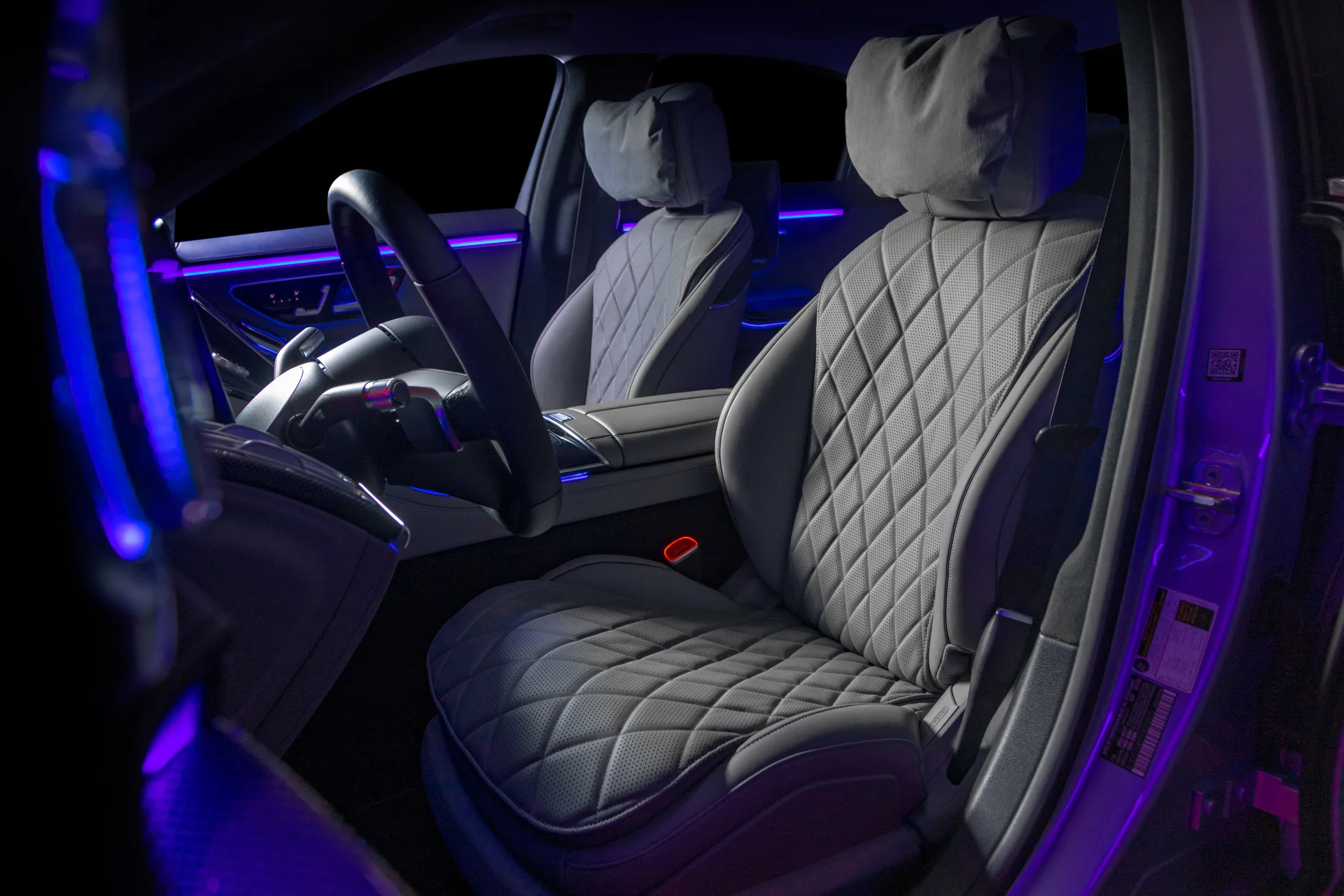
The quest for the ultimate seat is a high-stakes race involving material science, digital sensors, and orthopedic research. Today’s most comfortable seats are complex technological hubs designed to mitigate fatigue, enhance safety, and provide a personalized wellness environment.
The Science of Ergonomics: Biometric Mapping and Structural Support
The foundation of a comfortable seat lies in its structural engineering. Unlike the overstuffed “armchair” seats of the 1970s, modern high-tech seating focuses on spinal alignment and pressure distribution.
Pressure-Point Mapping and Orthopedic Alignment
Top-tier manufacturers, most notably Volvo and Mercedes-Benz, utilize sophisticated pressure-mapping technology during the R&D phase. By using thousands of digital sensors to measure how a human body interacts with various foam densities, engineers can identify “hot spots” where blood flow might be restricted.
Volvo, often cited as having the best seats in the industry, collaborates directly with orthopedic surgeons. Their seating tech focuses on the “S-curve” of the spine. By using high-strength steel frames and multi-density polymers, these seats provide proactive support that prevents the lower back from collapsing during long journeys. The technology is designed to keep the occupant’s spine in a neutral position, reducing the cognitive load of driving by minimizing physical discomfort.
Nissan’s Zero Gravity Tech: From NASA to the Highway
One of the most significant technological leaps in mid-range seating came from Nissan’s “Zero Gravity” seats. Inspired by NASA research on Neutral Body Posture (NBP)—the position the human body naturally assumes in a weightless environment—Nissan developed a seat with 14 different pressure points. The tech utilizes a continuous support system from the hips to the shoulders. By mimicking the body’s natural relaxed state, these seats reduce muscular fatigue significantly, proving that high-end ergonomic tech is migrating from luxury flagships to everyday commuters.
Thermal Management and Advanced Material Science
Comfort is inextricably linked to the body’s thermal regulation. The tech behind keeping a driver at the “perfect” temperature has evolved far beyond simple heating elements.
Active Climate Control and Phase Change Materials
Modern luxury seats in vehicles like the BMW 7 Series or the Audi A8 utilize active ventilation systems. These are not merely fans blowing air; they are integrated thermal management systems. High-end seats now incorporate Phase Change Materials (PCM)—substances that absorb or release heat as they transition between solid and liquid states (at a microscopic level).
Furthermore, “smart” heating tech now uses infrared sensors to monitor the surface temperature of the passenger’s skin. If the system detects a drop in skin temperature, it automatically adjusts the seat’s heating elements and the heated armrests to maintain a localized microclimate. This “thermal cocooning” ensures that the occupant remains comfortable regardless of the external environment.
Sustainable High-Tech Textiles
The materials covering the tech are also changing. While leather was once the gold standard, new synthetic materials like Volvo’s “Nordico” or Range Rover’s Kvadrat wool-blends are engineered for superior breathability and tactile comfort. These materials are designed using 3D-knitting techniques that allow for variable density—meaning the material can be firmer in areas requiring support and softer in areas contacting sensitive skin. This marriage of textile tech and ergonomics represents the next level of interior luxury.
Haptic Feedback and Pneumatic Wellness Systems
The most advanced seats currently on the market are essentially robotic massage therapists. This is where the intersection of software and mechanical engineering becomes most apparent.
Pneumatic Actuators and Dynamic Bolstering
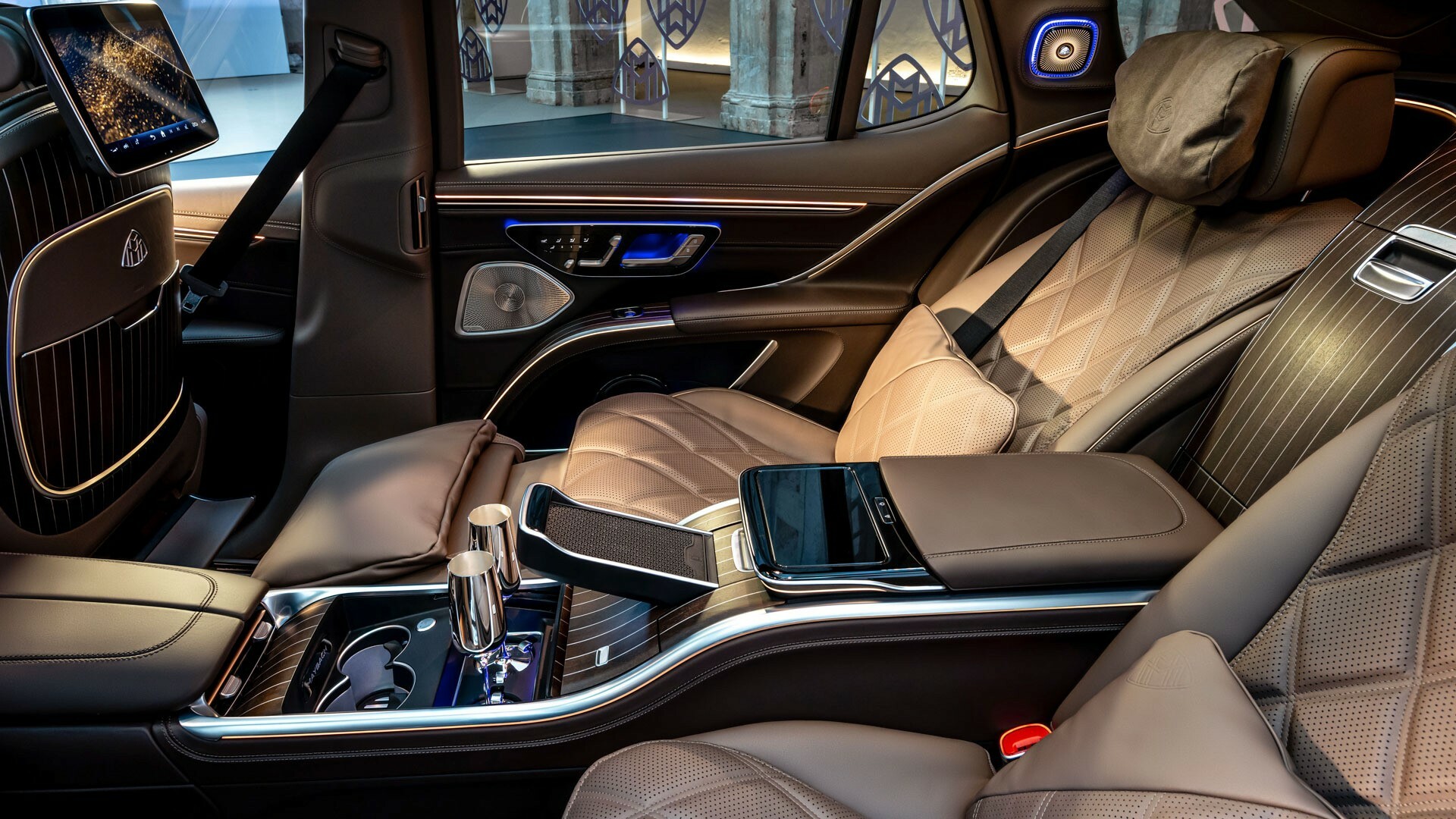
Mercedes-Benz’s “Multicontour” seats represent the pinnacle of pneumatic technology. Unlike cheaper mechanical massage systems that use rotating plastic nodes, these seats utilize a series of air chambers (actuators) that inflate and deflate via a centralized computer.
A key tech feature here is “Active Cushioning.” As the car enters a sharp turn, the car’s lateral G-force sensors send data to the seat’s ECU (Electronic Control Unit). The seat then instantaneously inflates the side bolsters on the opposite side of the turn to hold the driver firmly in place. This prevents the driver from sliding, reducing the physical strain required to stay centered behind the wheel.
The “Energizing Comfort” Ecosystem
Software integration is the final layer of seat comfort. Mercedes-Benz’s “Energizing Comfort” system links the seat’s massage functions, climate control, ambient lighting, and even the audio system. The car’s AI can suggest a “refresh” or “warmth” program based on how long the driver has been behind the wheel or even by analyzing the driver’s heart rate via a synced smartwatch. This holistic approach treats the seat as a wellness tool rather than a static piece of furniture.
The Digital Cockpit: Software-Defined Comfort and Memory
As vehicles become “software-defined,” the way we interact with our seats is becoming increasingly digitized.
Cloud-Based User Profiles
In EVs like the Tesla Model S or the Lucid Air, seat comfort is part of a digital profile stored in the cloud. When a driver enters the vehicle, the car identifies them via their smartphone or facial recognition and automatically adjusts the seat, steering wheel, and mirrors to their precise ergonomic coordinates.
Beyond simple positioning, these systems now remember “comfort preferences.” If a driver typically prefers a “deep tissue” massage setting and a 72-degree seat surface during evening commutes, the vehicle’s AI learns these patterns and automates the experience. This removes the “friction” of manual adjustment, contributing to a sense of psychological comfort and ease.
Acoustic Comfort and Active Noise Cancellation
The tech of a comfortable seat also involves what you don’t feel—vibration. High-tech seats are now being designed with integrated vibration dampeners and, in some cases, speakers for active noise cancellation. By placing high-fidelity speakers in the headrests, manufacturers like Range Rover can emit “anti-noise” frequencies that cancel out road roar before it reaches the driver’s ears. This “acoustic comfort” is a vital component of the overall sensory experience, ensuring that the physical softness of the seat is matched by a tranquil cabin environment.
Conclusion: The Future of Autonomous Seating
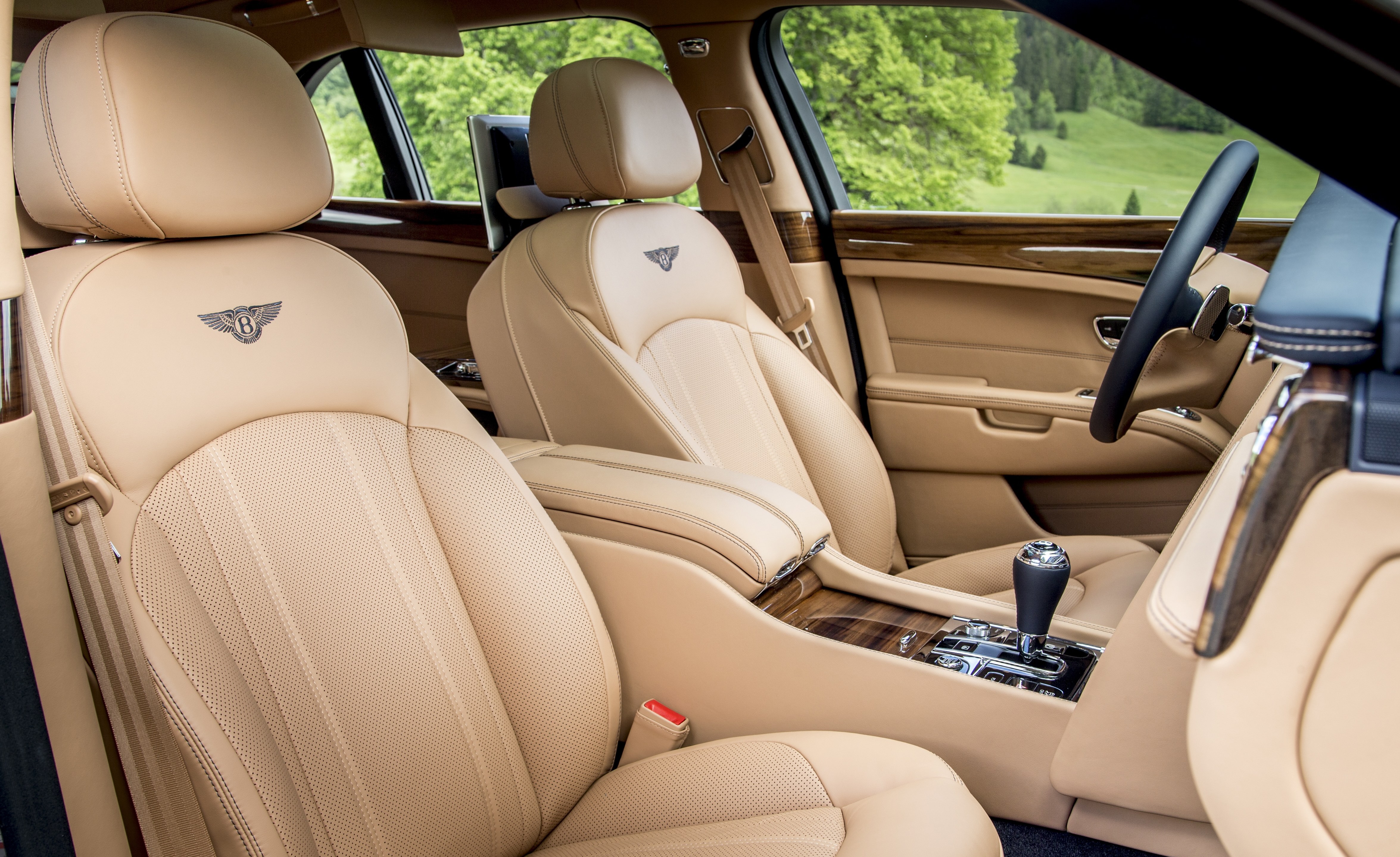
When evaluating what car has the most comfortable seats, it is clear that the leaders—Volvo, Mercedes-Benz, BMW, and Nissan—are those who treat the cabin as a technological ecosystem. We are moving toward a future where “Kinetic Seats” will shift subtly while we drive to stimulate blood flow and prevent deep-vein thrombosis on long trips.
The most comfortable car is no longer the one with the softest leather; it is the one with the most intelligent software, the most responsive pneumatic systems, and the most advanced biometric sensors. As we move toward a future of autonomous driving, the seat will evolve from a control station into a mobile sanctuary, powered by the same cutting-edge tech that drives the rest of the digital world. For the modern consumer, comfort is the ultimate luxury, and technology is the engine that delivers it.
aViewFromTheCave is a participant in the Amazon Services LLC Associates Program, an affiliate advertising program designed to provide a means for sites to earn advertising fees by advertising and linking to Amazon.com. Amazon, the Amazon logo, AmazonSupply, and the AmazonSupply logo are trademarks of Amazon.com, Inc. or its affiliates. As an Amazon Associate we earn affiliate commissions from qualifying purchases.