
Few vehicles in television history are as inextricably linked to a character’s transformation as the cars driven by Walter White in the iconic series Breaking Bad. From the beginning of his journey as a downtrodden high school chemistry teacher to his eventual descent into the notorious drug lord “Heisenberg,” White’s automotive choices serve as powerful, often ironic, symbols of his evolving identity, financial status, and moral decay. Far from mere props, these vehicles offer a fascinating lens through which to explore themes of technology, personal branding, and the profound impact of money – areas highly relevant to our digital age discussions.
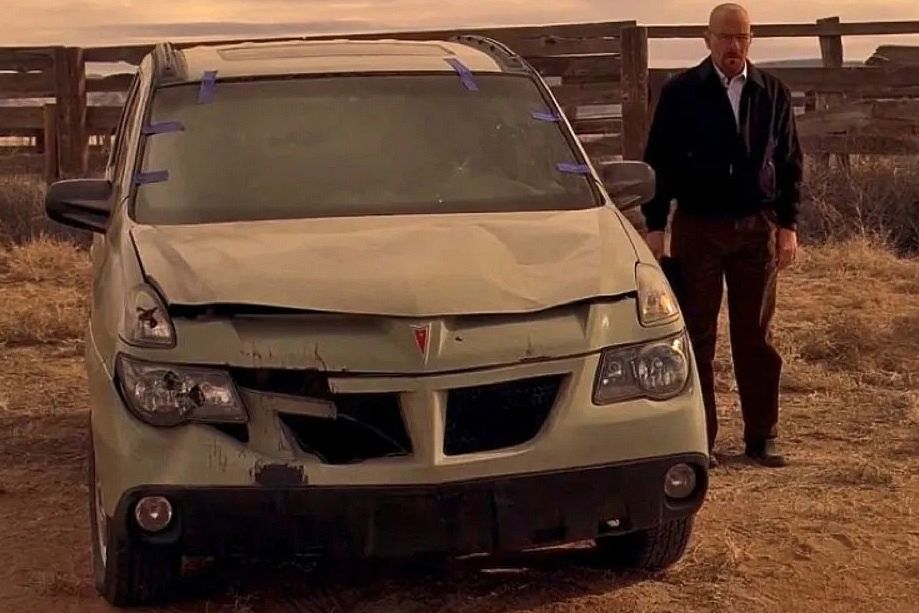
The question “what car did Walter White drive?” primarily conjures the image of one specific vehicle: the much-maligned, yet undeniably iconic, Pontiac Aztek. But his automotive journey was not a single-car affair. As Walter White sheds his skin, so too do his rides change, each one narrating a chapter in his dark saga. We’ll delve into the symbolic weight of the Aztek, the powerful statement of his later luxury vehicles, and how these choices resonate with the very fabric of tech innovation, brand perception, and financial decision-making that shapes our modern world.
The Unforgettable Pontiac Aztek: A Brand Identity in Motion
When we first meet Walter H. White, he’s a man defined by missed opportunities, simmering resentment, and a profound lack of ambition beyond survival. His vehicle perfectly encapsulates this initial state: the Pontiac Aztek. Introduced in 2001, the Aztek quickly became synonymous with questionable design choices and commercial failure, often cited as one of the worst cars ever made. Its presence in Breaking Bad was no accident; it was a deliberate choice by the creators to amplify Walt’s initial patheticism.
More Than Just a Car: The Aztek as a Character’s Reflection
The Aztek, in its original form, was an attempt by Pontiac to fuse the versatility of an SUV with the sportiness of a car, a vision that, for many, went spectacularly awry in execution. Its bulky, plasticky exterior, coupled with its beige-gold color, screamed “suburban dad trying too hard, but failing.” For Walter White, the Aztek was an extension of his own perceived mediocrity and emasculation. It was a utilitarian box, a symbol of his practical, uninspired life, serving its purpose without flair or prestige. It wasn’t the car he wanted; it was the car he had, likely out of necessity and a complete disregard for automotive aesthetics or personal brand projection.
Even the wear and tear on Walt’s Aztek added to its symbolic weight. Dented, scratched, and perpetually dirty, it reflected his increasingly chaotic life. The Aztek wasn’t just a physical container for Walt; it was a metaphor for his trapped existence, a vehicle that transported him from his mundane teaching job to his equally mundane second job at a car wash, and later, to the clandestine world of crystal meth manufacturing. Its utilitarian nature, however, also made it surprisingly effective for transporting equipment and product, inadvertently becoming a workhorse in his illicit enterprise. The car’s low profile and forgettable design (initially, at least) allowed it to blend into the background, a perfect cover for a man trying to operate in the shadows.
The Aztek’s Place in Automotive Branding History
From a “Brand” perspective, the Aztek’s history is a fascinating case study in commercial miscalculation and subsequent cultural redemption. Originally marketed as a “sport recreational vehicle” designed for an active lifestyle, its target audience largely rejected its polarizing design. Critics lambasted its aesthetics, and sales figures never met expectations, leading to its discontinuation in 2005, just two years before Breaking Bad premiered.
However, Breaking Bad unwittingly gave the Aztek a second life, transforming it from a punchline in automotive design into a pop culture icon. Its association with Walter White imbued it with a new, albeit dark, mystique. Suddenly, the Aztek wasn’t just a “bad car”; it was Walter White’s car, a symbol recognized globally. This unexpected turn highlights how powerful media can be in rebranding, even for a product that was commercially unsuccessful. The Aztek’s brand identity shifted from a design failure to a crucial narrative element, demonstrating how context can radically alter perception. Enthusiasts and collectors now seek out Azteks, often specifically the beige models, not for their original design appeal, but for their undeniable connection to the Breaking Bad universe, proving that even a perceived brand flop can achieve cult status through cultural relevance.
From Modesty to Mayhem: Tracking Walt’s Automotive Evolution
As Walter White’s persona evolves from mild-mannered teacher to ruthless drug kingpin, his financial resources grow exponentially, and with them, his taste in automobiles. The transition from the Aztek to more powerful, luxurious vehicles is a visual shorthand for his increasing confidence, arrogance, and the dark satisfaction he derives from his “Heisenberg” identity.
The Chrysler 300 SRT-8: A Statement of Newfound Power and Wealth
The most prominent successor to the Aztek in Walter’s garage is the black Chrysler 300 SRT-8. This car couldn’t be more different from the Aztek, both in terms of design philosophy and the image it projects. The Chrysler 300, particularly the high-performance SRT-8 variant, is an assertive statement of power, luxury, and menace. Its imposing, almost gangster-like aesthetic, with a bold grille, muscular lines, and dark color, perfectly embodies the ruthless, unapologetic Heisenberg persona that Walt has fully embraced.
From a “Money” standpoint, the shift to the Chrysler 300 SRT-8 represents Walt’s newfound financial freedom – or rather, his ill-gotten gains. While the Aztek was a symbol of his economic struggles and suburban conformity, the Chrysler 300 is a direct manifestation of his millions in drug money. It’s an expensive, high-performance vehicle that screams “I have arrived,” and “I am dangerous.” This purchase is not about practicality; it’s about signaling status and dominance, a tangible reward for his illicit success. It reflects a complete reversal of his previous financial conservatism, indicative of a man no longer bound by societal norms or monetary constraints. The Chrysler is a trophy, a visible marker of his complete transformation, showing the audience that Walter White is no longer worried about budgeting for a reliable, unassuming vehicle.

Other Wheels and Their Subtler Statements
While the Aztek and the Chrysler 300 SRT-8 are the most iconic, Walter White’s journey involves a few other vehicles that subtly underscore his changing circumstances and the show’s underlying themes.
Early in his transition, Walter also drives a dilapidated 1986 Volvo 240, inherited from Jesse Pinkman. This brief interlude with a truly beat-up, classic Swedish sedan reinforces his initial struggles and the gritty reality of his new life. It’s a pragmatic choice borne out of necessity, a functional vehicle that further highlights his detachment from material possessions before his financial ascent.
Later, in his fully evolved Heisenberg phase, Walter is also seen driving a 2012 Cadillac Deville in New Hampshire while in hiding. This car, while not as performance-oriented as the Chrysler 300 SRT-8, still conveys an air of understated luxury and classic American prestige. Its choice reflects a character who, even in isolation, retains a desire for comfort and a lingering sense of his former power. The Deville, in this context, is less about flashy display and more about comfort and a certain dignified anonymity—or what passes for it given his notoriety. It’s a pragmatic luxury, allowing him to maintain a semblance of his powerful identity while remaining incognito, a crucial aspect for a man on the run, showcasing how money can still afford a degree of comfort and escape, even for a fugitive.
These secondary vehicles, though less prominent, consistently tie back to the “Money” narrative. Each change in car reflects not just a personal preference but a direct consequence of his burgeoning wealth (or lack thereof), charting his financial trajectory alongside his moral one.
Behind the Wheel: Technology, Finance, and the Heisenberg Persona
The vehicles in Breaking Bad do more than transport characters; they serve as a dynamic backdrop for exploring the intersection of technology, financial decision-making, and brand identity in a contemporary context.
Automotive Tech as a Narrative Device: From Dated to Dominant
Considering the “Tech” aspect, the cars in Breaking Bad offer a fascinating glimpse into automotive technology of the early 2000s and how it contrasts with today’s advancements. The Pontiac Aztek, despite its futuristic marketing, was largely devoid of the advanced driver-assistance systems, sophisticated infotainment, or seamless connectivity we expect today. Its tech features were rudimentary by modern standards – a CD player, perhaps basic cruise control, and standard safety features for its time. This lack of “smart” technology subtly reinforces Walt’s initial outdated existence, a man struggling in a technologically advancing world.
In contrast, the Chrysler 300 SRT-8, while still from an earlier generation, represented a significant leap in performance technology for its time. Its powerful HEMI engine, advanced suspension, and sport-tuned components were cutting-edge for a sedan, reflecting Heisenberg’s embrace of power and precision. The technological “upgrade” from the Aztek to the Chrysler mirrored Walt’s own transformation from a technically proficient but socially inept chemist to a highly skilled, ruthless, and technologically savvy drug manufacturer, utilizing his scientific prowess for illicit ends.
Today, looking back at these cars, we can see how quickly automotive technology evolves. Features that were considered luxury in the Chrysler are standard in many entry-level vehicles now. Modern cars boast AI-driven navigation, predictive maintenance, advanced digital security, and seamless integration with personal devices – tools that could have dramatically altered Walt’s operations, for better or worse. Imagine Walt attempting to evade authorities with GPS tracking in every vehicle, or trying to operate a covert mobile lab with car-to-car communication systems potentially compromising his privacy. The dated tech of his early cars was, in a strange way, a boon for his anonymity, highlighting how technological simplicity can sometimes offer a form of digital security by omission.

The Economics of Breaking Bad’s Garage: A Financial Journey
From a “Money” perspective, Walter White’s cars are stark illustrations of his financial arc, moving from abject struggle to unimaginable wealth, and the ensuing financial mismanagement. The initial Aztek purchase likely involved a modest loan or was bought second-hand, a necessity rather than a choice. Its maintenance would have been a recurring, unwelcome expense for a man already stretched thin. This period highlights the common reality of personal finance: making do with what you have, prioritizing utility over desire.
As Walt accumulates millions, his approach to money changes drastically. The purchase of the Chrysler 300 SRT-8 is an extravagant, almost impulsive, declaration of his newfound financial power. It’s a depreciating asset, a luxury item that quickly loses value but provides immense psychological satisfaction. This decision reflects a common pitfall of sudden wealth: abandoning sound financial principles for conspicuous consumption. Rather than investing wisely or establishing legitimate businesses, Walt splurges on symbols of power, showcasing a lack of financial literacy and long-term planning, despite his intellectual brilliance. His money becomes a tool for immediate gratification and intimidation, rather than a foundation for sustainable wealth.
The ultimate financial irony lies in the fact that despite accumulating over $80 million, Walter White ultimately dies virtually penniless, his assets seized or given away in a futile attempt to secure his family’s future. The cars he drove, particularly the Aztek and the Chrysler 300, remain enduring symbols of his financial journey – from struggling anonymity to dangerous affluence, and ultimately, to a self-inflicted financial ruin. They are a potent reminder that money, acquired through unethical means and managed without foresight, can be as destructive as it is empowering.
In conclusion, Walter White’s cars in Breaking Bad are far more than just vehicles. They are meticulously chosen elements that weave together the complex narrative threads of technology, personal branding, and the corrupting influence of money. The Pontiac Aztek transformed from an automotive pariah into a cultural icon, representing the mundane existence and eventual rebirth of a man into Heisenberg. The Chrysler 300 SRT-8 stood as a testament to his ruthless power and the vast illicit wealth he commanded. Through these vehicles, Breaking Bad provided a masterclass in how everyday objects can embody profound symbolic meaning, leaving an indelible mark on television history and continuing to resonate with audiences who recognize the intertwined impact of technology, brand perception, and financial choices in shaping individual destinies.
aViewFromTheCave is a participant in the Amazon Services LLC Associates Program, an affiliate advertising program designed to provide a means for sites to earn advertising fees by advertising and linking to Amazon.com. Amazon, the Amazon logo, AmazonSupply, and the AmazonSupply logo are trademarks of Amazon.com, Inc. or its affiliates. As an Amazon Associate we earn affiliate commissions from qualifying purchases.