
In the dynamic world of commercial transportation, a Commercial Driver’s License (CDL) is more than just a permit; it’s a professional credential that unlocks a wide array of career opportunities. While the Class A CDL often grabs the spotlight for its ability to operate the largest tractor-trailer combinations, the Class B CDL is an equally vital and incredibly versatile license that powers a significant segment of our economy. It’s the license that puts you behind the wheel of many essential vehicles, from city buses to heavy-duty dump trucks, impacting everything from local logistics to public services. Understanding the scope of a Class B CDL is the first step towards a rewarding career, one that increasingly intersects with technology, personal branding, and smart financial planning.
Unpacking the Class B CDL: Your Gateway to Diverse Driving Opportunities
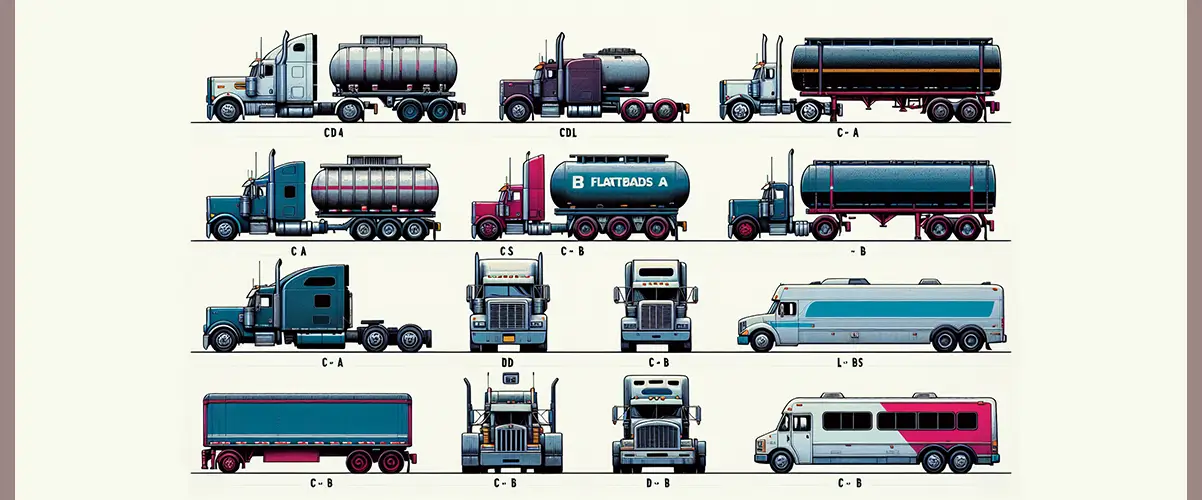
A Class B CDL is specifically designed for operating single vehicles with a Gross Vehicle Weight Rating (GVWR) of 26,001 pounds or more, or towing a vehicle not exceeding 10,000 pounds GVWR. This distinction is crucial, as it differentiates it from a Class A CDL, which permits towing heavier trailers. For those considering a career in commercial driving, a Class B license offers a practical entry point into an industry brimming with demand.
Defining the Class B CDL
At its core, the Class B CDL is about operating substantial single-unit vehicles. This means you’re not typically hauling massive articulated trailers, but rather driving robust, heavy-duty trucks and buses that are integral to daily operations across countless industries. The weight threshold of 26,001 pounds is the key determinant, opening doors to a specific category of vehicles that are both challenging and rewarding to operate.
Common Vehicles and Their Purpose
The sheer diversity of vehicles you can drive with a Class B CDL is impressive. These roles are often local or regional, meaning drivers can return home daily, a significant advantage for many.
- Straight Trucks: These are perhaps the most common vehicles under the Class B umbrella. Think of large delivery trucks for parcels, beverages, furniture, or other goods, often seen navigating urban and suburban routes. These are the backbone of last-mile delivery and inter-city logistics.
- Dump Trucks: Essential for construction, landscaping, and infrastructure projects, dump trucks haul vast quantities of sand, gravel, dirt, and other materials. Operating a dump truck requires precision and an understanding of load distribution and site safety.
- Segmented and Passenger Buses: This includes city buses, tour buses (non-articulated), and shuttle buses. For those who enjoy interacting with the public and providing a vital service, bus driving is a stable and often community-focused career. A “Passenger” (P) endorsement is required for this.
- Utility Vehicles: Many utility companies rely on Class B drivers to operate bucket trucks for line maintenance, service vehicles for repairs, and other specialized equipment. These roles often involve technical skills beyond just driving.
- Tow Trucks (Heavy Duty): Operating large tow trucks capable of moving disabled commercial vehicles often falls under the Class B purview. This demands skill in vehicle recovery and load securement.
- Concrete Mixer Trucks: These heavy vehicles transport ready-mix concrete to construction sites. Their operation involves managing the rotating drum and understanding the properties of concrete.
- Garbage Trucks/Refuse Vehicles: A critical public service, these vehicles require skilled drivers to navigate residential and commercial areas, often operating complex hydraulic systems for collection.
- Snowplows and Salt Spreaders: During winter months, Class B drivers often play a crucial role in maintaining safe roadways, operating heavy equipment for snow removal.
Each of these vehicle types comes with its own set of operational nuances and challenges, offering a variety of environments and skills to master.
Understanding Endorsements and Specialized Driving
While the Class B CDL itself grants access to a specific vehicle class, endorsements further specialize your driving capabilities. These additional certifications demonstrate proficiency in operating certain types of vehicles or handling particular kinds of cargo.
- P (Passenger) Endorsement: Mandatory for driving any vehicle designed to transport 16 or more passengers (including the driver), such as buses.
- S (School Bus) Endorsement: Required for driving a school bus, involving additional background checks and specific testing related to student safety.
- N (Tanker) Endorsement: Necessary for transporting liquid or gaseous materials in tanks exceeding a certain capacity. This is common for fuel delivery or specific chemical transport.
- H (Hazardous Materials) Endorsement: Required for transporting placarded hazardous materials. This endorsement involves extensive background checks and knowledge of HazMat regulations. Combining N and H often results in an “X” endorsement.
Obtaining relevant endorsements can significantly increase your employability and open doors to higher-paying, specialized driving jobs.
The Path to Obtaining Your Class B CDL
Acquiring a Class B CDL involves several steps, emphasizing safety and competency.
- Meet Eligibility Requirements: Typically, you must be at least 18 years old (21 for interstate driving or HazMat), have a valid state driver’s license, and be able to pass a Department of Transportation (DOT) physical examination.
- Obtain a Commercial Learner’s Permit (CLP): This requires passing a general knowledge test covering CDL regulations, air brakes (if applicable), and combination vehicles (even if only towing a light trailer). You must hold your CLP for a minimum period (usually 14 days or more) before taking the skills test.
- Complete Entry-Level Driver Training (ELDT): As of February 2022, federal regulations mandate ELDT for first-time CDL applicants. This training covers theory and behind-the-wheel instruction from an approved provider.
- Pass the Skills Test: This comprehensive test includes a pre-trip inspection, basic controls test (maneuvering the vehicle), and a road test. You must perform these tests in a Class B vehicle similar to what you intend to drive professionally.
The process demands dedication, but the investment in time and effort is often quickly repaid through lucrative career opportunities.
Driving Forward: Class B CDL Through the Lens of Technology
The commercial driving industry, including Class B operations, is undergoing a profound transformation driven by technology. From optimizing routes to enhancing safety, tech innovations are reshaping how drivers work, how fleets are managed, and how logistics operate. For the modern Class B CDL holder, embracing these tools isn’t just an advantage; it’s becoming a necessity.
Harnessing Digital Tools for Efficiency
Modern Class B operations are far more sophisticated than just a truck and a map. Drivers and dispatchers leverage a suite of digital tools to enhance productivity and compliance.
- Electronic Logging Devices (ELDs): Mandated for most commercial drivers, ELDs automatically record driving time, ensuring compliance with Hours of Service (HOS) regulations. This digital shift from paper logs enhances accuracy, reduces administrative burden, and improves safety by preventing driver fatigue.
- GPS and Navigation Apps: Advanced GPS systems are tailored for commercial vehicles, providing routes that account for vehicle dimensions, weight restrictions, and hazardous material regulations. Apps like Waze and Google Maps are useful for traffic, but specialized trucking GPS systems offer critical safety and efficiency features.
- Fleet Management Software: For companies operating multiple Class B vehicles, fleet management software provides real-time tracking, fuel efficiency monitoring, maintenance scheduling, and driver performance analytics. This tech enables optimal resource allocation and reduces operational costs.
- Telematics Systems: These integrated systems collect and transmit data on vehicle performance, driver behavior, and location, offering insights for predictive maintenance, insurance rate adjustments, and safety coaching.
- Specialized Apps for Drivers: A growing ecosystem of mobile applications supports drivers on the road. These include apps for finding truck parking, comparing fuel prices, accessing digital load boards (though less common for Class B, some local courier services use them), managing expenses, and communicating with dispatch.
AI and Automation in Modern Logistics
Artificial intelligence (AI) is beginning to have a significant impact on logistics and supply chain management, even influencing Class B operations.
- AI-Powered Routing and Optimization: AI algorithms can analyze vast datasets—including real-time traffic, weather, delivery schedules, and vehicle capacities—to generate the most efficient routes, minimize fuel consumption, and optimize delivery windows. This is particularly valuable for complex urban delivery routes common for Class B vehicles.
- Predictive Maintenance: AI tools analyze telematics data to predict when vehicle components are likely to fail, allowing for proactive maintenance scheduling. This reduces downtime, extends vehicle life, and enhances safety.
- Enhanced Safety Features: AI-driven camera systems and sensors provide advanced driver assistance, including collision avoidance, lane departure warnings, and blind-spot monitoring. These technologies augment driver awareness and significantly reduce accident risks.
Navigating the Future of Commercial Driving
The long-term future of commercial driving includes considerations of autonomous vehicles and electric powertrains. While fully autonomous Class B vehicles are still some way off, drivers need to be aware of these trends.
- Electric Trucks and Buses: Many Class B vehicle manufacturers are developing and deploying electric models, especially for urban and regional routes where range anxiety is less of a concern. Drivers may need to adapt to new charging infrastructures and vehicle dynamics.
- Human-Machine Collaboration: Even with advancements in automation, human drivers will remain crucial for complex urban environments, specialized deliveries, and situations requiring human judgment and problem-solving. The future likely involves a blend of advanced technology assisting human drivers, making the job more efficient and safer.
- Upskilling and Digital Literacy: Class B drivers of the future will increasingly benefit from digital literacy, not just in operating vehicles but in interacting with sophisticated onboard systems, logistics software, and communication platforms.
Building Your Professional Brand on the Road
In any profession, your reputation precedes you. For a Class B CDL holder, your brand isn’t just about the company you work for; it’s about your personal commitment to professionalism, safety, and reliability. In an industry where trust and efficiency are paramount, cultivating a strong personal brand can open doors to better job opportunities, higher earning potential, and a more respected career trajectory.
The Driver as a Brand Ambassador
Every time a Class B driver gets behind the wheel of a company vehicle, they become an extension of that company’s brand. A professional driver reflects positively on the employer, while a careless or unprofessional one can damage reputation.
- Professional Appearance and Demeanor: This extends beyond personal grooming to how a driver interacts with customers, dispatchers, and the public. Politeness, good communication skills, and a helpful attitude reinforce a positive brand image.
- Vehicle Maintenance and Cleanliness: A well-maintained and clean vehicle not only ensures safety and operational efficiency but also projects an image of professionalism and attention to detail.
- Adherence to Rules and Regulations: Following traffic laws, HOS regulations, and company policies is non-negotiable. A driver with a clean record is highly valued and trusted.
Cultivating a Reputation for Reliability and Safety
At the core of a strong driver brand are reliability and an unwavering commitment to safety. These attributes are highly sought after by employers and clients.
- Punctuality and Dependability: Meeting deadlines and showing up on time are critical in logistics. A reputation for reliability makes you an indispensable asset.
- Safety Record: A clean driving record, free of accidents and violations, is the most powerful testament to a driver’s professionalism and competence. Companies prioritize safety above all else.
- Attention to Detail: For specialized roles like HazMat or passenger transport, meticulous attention to detail in pre-trip inspections, cargo securement, or passenger welfare builds trust and enhances safety.
- Problem-Solving Skills: Being able to calmly and effectively handle unexpected challenges on the road – from navigating detours to minor mechanical issues – showcases resourcefulness and professionalism.
Strategic Branding for CDL Professionals and Businesses
Beyond individual drivers, the principles of branding apply to the companies operating Class B fleets.
- Corporate Identity: Logistics companies must develop a strong corporate identity through consistent branding on their vehicles, uniforms, and digital presence. This builds recognition and trust with clients.
- Marketing and Design: Effective marketing showcases the reliability, speed, and safety of a company’s Class B services. This might involve digital marketing campaigns, customer testimonials, and a user-friendly website.
- Reputation Management: In the age of online reviews and social media, managing one’s reputation (both as an individual driver and a company) is crucial. Positive interactions and a commitment to service excellence build a strong online and offline presence.
- Talent Attraction: Companies with strong brands are more attractive to skilled drivers, reducing turnover and ensuring a high-quality workforce. A company known for respecting its drivers and investing in their well-being will naturally attract top talent.
The Financial Roadmap: Earning Potential and Smart Money Management with a Class B CDL
A Class B CDL is not just a license; it’s an investment in your financial future. The demand for skilled commercial drivers ensures competitive wages, but maximizing this potential requires more than just driving ability. It involves understanding salary expectations, making smart financial choices, and even exploring entrepreneurial avenues.
Salary Expectations and Career Investments
The earning potential for Class B CDL holders can vary significantly based on location, industry, experience, and the endorsements held.
- Average Earnings: Entry-level Class B drivers can expect to start in the range of $35,000 to $50,000 annually. With experience, specialized endorsements (like HazMat or Passenger), and a clean driving record, salaries can rise to $60,000 or more, especially in regions with high demand or for specialized roles like municipal bus drivers or heavy equipment operators.
- Hourly vs. Salary: Many Class B jobs, particularly local delivery or construction roles, are paid hourly, often with opportunities for overtime. Public sector jobs (like city bus drivers or sanitation workers) often come with stable salaries, benefits packages, and retirement plans.
- Return on Investment (ROI): The cost of obtaining a Class B CDL, including training and fees, can range from a few thousand dollars to upwards of $8,000 for comprehensive programs. Compared to the time and cost of a four-year college degree, a CDL offers a relatively quick and affordable path to a stable, well-paying career. The ROI can be very high, with drivers often recouping their training costs within the first year or two of employment.
- Benefits: Beyond salary, many Class B positions offer comprehensive benefits, including health insurance, paid time off, and retirement plans, which significantly add to the overall compensation package.
Financial Tools and Business Acumen for Drivers
Smart financial management is essential for CDL holders, whether they are employees or aspiring owner-operators.
- Budgeting and Expense Tracking: For all drivers, understanding income and expenses is critical. Apps like Mint, YNAB (You Need A Budget), or simpler spreadsheet tools can help track fuel costs, daily expenses, and personal budgets.
- Personal Finance for Drivers: Developing a solid savings plan, managing debt, and planning for retirement are crucial. Many drivers, especially those paid hourly, can experience fluctuations in income, making emergency savings even more important.
- Investing in Skills: Continuous learning, such as acquiring new endorsements or attending advanced driving courses, is an investment that pays off by increasing earning potential and job security.
- Business Finance for Owner-Operators (Niche Class B): While less common than Class A, some Class B drivers choose to become owner-operators, particularly in specialized fields like local dump truck hauling, small equipment transport, or dedicated courier services. This requires a strong grasp of business finance, including managing cash flow, understanding insurance, taxes, maintenance costs, and pricing services competitively. Financial tools specific to small businesses can be invaluable here.
Exploring Niche Markets and Income Streams
A Class B CDL can also be a springboard for unique entrepreneurial ventures or side hustles.
- Specialized Hauling/Delivery: With a dump truck or flatbed, you can offer services for local landscaping projects, material delivery for small contractors, or even specialized event setup/takedown.
- Seasonal Work: Operating snowplows, agricultural equipment, or specialized vehicles for seasonal events can provide significant income boosts.
- Driving for Municipalities or Schools: These jobs often provide excellent stability, benefits, and predictable hours, which can be attractive for long-term career planning.
- Online Income Related to Expertise: Drivers can leverage their experience to create online content (blogs, YouTube channels) about CDL training, life on the road, or specific vehicle operations, potentially generating income through advertising, sponsorships, or digital product sales.
- Training and Mentorship: Experienced Class B drivers can eventually move into roles as CDL instructors, helping to train the next generation of drivers and sharing their knowledge for a new income stream.
In conclusion, the Class B CDL is a powerful and flexible credential that opens doors to a diverse range of critical jobs. Its value is only growing as technology integrates further into logistics, demanding drivers who are not just skilled behind the wheel but also digitally literate and financially savvy. For individuals seeking a stable, well-compensated career with a clear path for growth and specialization, investing in a Class B CDL is a strategic move that aligns perfectly with the demands of the modern economy. It’s a career that combines practical skills with opportunities for continuous learning, personal branding, and robust financial security, making it a cornerstone of the transportation industry.
aViewFromTheCave is a participant in the Amazon Services LLC Associates Program, an affiliate advertising program designed to provide a means for sites to earn advertising fees by advertising and linking to Amazon.com. Amazon, the Amazon logo, AmazonSupply, and the AmazonSupply logo are trademarks of Amazon.com, Inc. or its affiliates. As an Amazon Associate we earn affiliate commissions from qualifying purchases.