
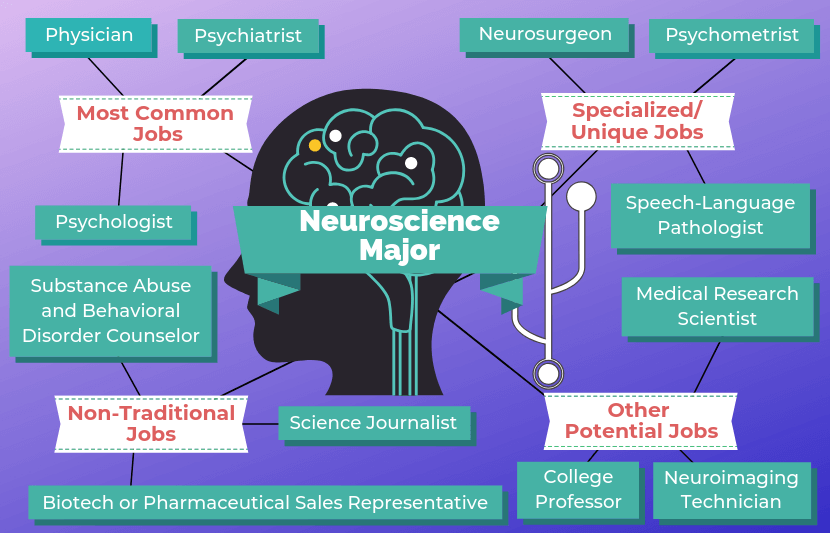
The journey to earning a Neuroscience PhD is an arduous yet profoundly rewarding intellectual pursuit. It demands years of dedication to rigorous research, complex problem-solving, and a deep dive into the most intricate and fascinating system known: the human brain. Graduates emerge not just with a doctoral degree, but with a formidable toolkit of highly transferable skills—analytical prowess, critical thinking, experimental design, statistical expertise, and the ability to synthesize vast amounts of information into coherent insights.
For many, the traditional path of academic research beckons, envisioning a life at the bench, unraveling the mysteries of neurological diseases or fundamental brain function. However, the modern landscape for PhD graduates is far broader and more dynamic than ever before. The unique intersection of neuroscientific understanding with rapidly evolving fields like technology, branding, and finance has opened up a wealth of non-traditional career paths, offering unprecedented opportunities for innovation, impact, and financial growth. This article explores the diverse and exciting avenues available to Neuroscience PhD holders, demonstrating how their specialized knowledge can be leveraged to shape the future across various high-growth sectors, moving far beyond the confines of the traditional lab.
Decoding the Digital Brain: Neuroscience at the Forefront of Technology
The synergy between neuroscience and technology is perhaps one of the most exciting and rapidly expanding frontiers for PhD graduates. As we delve deeper into understanding the brain, the principles governing its function are increasingly being applied to develop smarter technologies, enhance human-computer interaction, and even address complex societal challenges. A Neuroscience PhD equips individuals with the fundamental knowledge to bridge the biological and the digital, making them invaluable assets in the tech industry.
Powering AI and Machine Learning: From Neural Networks to Neuro-Inspired Computing
The very foundation of Artificial Intelligence (AI) and Machine Learning (ML) draws inspiration from the brain’s neural networks. Neuroscience PhDs are uniquely positioned to contribute to the next generation of intelligent systems, moving beyond abstract algorithms to develop more biologically plausible and robust AI. Their expertise is crucial in roles involving advanced data analysis, where they design algorithms that can process, interpret, and learn from massive, complex datasets, akin to how the brain processes sensory information.
This includes working on cutting-edge Brain-Computer Interfaces (BCIs), which allow direct communication pathways between the brain and external devices. Imagine developing neuroprosthetics that restore mobility, creating innovative neurorehabilitation technologies that aid recovery from stroke, or even designing AI tools for real-time brain data analysis in clinical settings. Such roles require not only a deep understanding of neural circuits and signal processing but also proficiency in software development, AI tools, and an eye for future technology trends. They might lead teams designing novel machine learning architectures inspired by cortical columns, or developing software that interprets EEG signals to control robotic limbs, pushing the boundaries of what gadgets and apps can achieve through direct neural input.
Enhancing User Experience (UX) and Human-Computer Interaction (HCI)
Beyond the direct emulation of brain function, neuroscience provides profound insights into how humans perceive, process information, make decisions, and interact with the world. This understanding is gold for User Experience (UX) and Human-Computer Interaction (HCI) design. A Neuroscience PhD can apply cognitive principles to create more intuitive, engaging, and effective software, apps, and gadgets. They can analyze user behavior through a neurocognitive lens, identifying pain points related to attention, memory, perception, and emotional responses to design interfaces that minimize cognitive load and maximize user satisfaction.
For instance, understanding how visual attention operates helps design clearer interfaces, while knowledge of reward pathways can inform the gamification of apps to boost engagement. Neuroscientists in UX/HCI might conduct user studies, analyze biometric data (like eye-tracking or skin conductance), and translate their findings into actionable design recommendations. Their work directly influences the productivity of users by crafting streamlined digital experiences, ensuring that technology serves human needs efficiently and pleasurably. They might even contribute to developing new methodologies for user testing, informed by their deep understanding of human perception and cognition, leading to more rigorous and insightful reviews of digital products.
Cybersecurity and Digital Ethics: Protecting the Mind in the Machine Age
In an increasingly digital world, the human element remains the weakest link in cybersecurity. A Neuroscience PhD offers unique insights into cognitive biases, decision-making under stress, and the psychological vulnerabilities that cybercriminals exploit. This expertise is invaluable in designing more resilient digital security systems and educating users on best practices. Neuroscientists can help develop user interfaces for security tools that are inherently more intuitive and less prone to human error, understanding how attention, memory, and cognitive load impact security compliance.
Furthermore, as neurotechnology advances, ethical considerations become paramount. Questions about data privacy for brain data, the potential for cognitive enhancement, or the implications of AI on human autonomy require careful thought. Neuroscience PhDs are at the forefront of these discussions, contributing to policy frameworks, digital ethics guidelines, and public discourse around responsible innovation in neurotechnology. They can advise on the societal impacts of new technology trends, helping organizations navigate complex ethical landscapes and build public trust, ensuring that technological progress aligns with human values.
Shaping Perceptions: Neuroscience in Brand, Marketing, and Communication
The brain is the ultimate decision-maker, and understanding its intricacies offers an unparalleled advantage in fields dedicated to influencing perception, behavior, and connection. A Neuroscience PhD provides a unique lens through which to view brand strategy, marketing, and communication, moving beyond traditional demographics and psychographics to uncover the fundamental neural drivers of human engagement.
The Science of Persuasion: Neuromarketing and Consumer Insights
Neuromarketing is a burgeoning field where neuroscience principles are applied to understand consumer behavior, purchasing decisions, and brand loyalty. A Neuroscience PhD can lead research into how the brain responds to different advertisements, product designs, packaging, and brand messaging. By utilizing techniques like fMRI, EEG, and eye-tracking, they can uncover subconscious drivers of preference and intent that traditional surveys might miss. This knowledge allows companies to craft highly effective brand strategies, optimize marketing campaigns, and design products that resonate deeply with consumers’ emotional and cognitive systems.
For example, understanding the brain’s reward pathways can inform product pricing strategies, while insights into memory formation can help create memorable brand identities. Neuroscientists in this domain often work on case studies, analyzing the neural impact of various marketing stimuli to help brands build a stronger corporate identity and reputation. Their work goes beyond mere aesthetics, delving into the very neurological architecture that governs attraction and desire, making them crucial for companies aiming for truly impactful and data-driven marketing.

Building Thought Leadership and Scientific Storytelling
With their deep understanding of complex scientific concepts, Neuroscience PhDs are exceptionally skilled at translating intricate information into accessible and engaging narratives. This ability is invaluable for building personal brands as subject matter experts, whether in academia, industry, or public-facing roles. They can leverage their expertise to become influential thought leaders, consultants, public speakers, or science communicators in media.
Their training enables them to synthesize research, identify key trends, and articulate their insights persuasively, influencing corporate identity and shaping public opinion. They can create compelling content—articles, books, podcasts, documentaries—that demystifies neuroscience for broader audiences, enhancing the reputation of institutions and individuals alike. This form of personal branding is essential in a knowledge-driven economy, allowing neuroscientists to not only share their expertise but also to connect with stakeholders, attract collaborations, and drive innovation by inspiring others with the wonders of the brain. They can transform complex case studies into relatable stories, demonstrating the practical implications of neuroscientific research.
Design Thinking and Neuroaesthetics: Crafting Engaging Experiences
Design is not just about functionality or visual appeal; it’s about creating experiences that evoke specific emotions, facilitate understanding, and engage the senses. Neuroaesthetics, a field that examines the neural basis of aesthetic experience, offers a powerful framework for designers. A Neuroscience PhD can collaborate with designers and architects to inform the creation of spaces, products, and interfaces that are not only beautiful but also neurophysiologically optimized for human well-being and engagement.
Understanding how the brain processes color, symmetry, rhythm, and novelty can guide everything from interior design and urban planning to product packaging and digital interface layouts. For instance, knowledge of attentional biases can inform how information is presented in a design, while insights into emotional processing can help craft experiences that promote positive feelings. This application extends to areas like museum exhibits, immersive virtual reality experiences, and even marketing materials, where the goal is to create a deeply resonant and memorable interaction. Such expertise elevates brand strategy by ensuring that the physical and digital touchpoints of a brand are intelligently designed to foster connection and enhance user experience at a fundamental neurological level.
Cultivating Prosperity: Financial Frontiers for the Neuroscience PhD
While the pursuit of knowledge is often the primary driver for a PhD, the extensive skills and unique insights gained translate directly into significant financial opportunities. Beyond traditional salaries, Neuroscience PhDs are increasingly finding ways to generate wealth through entrepreneurship, strategic investment, and high-value consulting, transforming their intellectual capital into tangible financial success.
Entrepreneurship and Neurotech Ventures: From Lab to Market
The current landscape is ripe for entrepreneurial neuroscientists. With advancements in neuroimaging, AI, genetics, and biotechnology, the potential for creating innovative neurotech products and services is immense. A Neuroscience PhD offers the foundational knowledge to identify unmet needs, conceptualize novel solutions, and build companies from the ground up. These ventures could range from developing diagnostic tools for neurological disorders, therapeutic interventions for mental health conditions, BCI-controlled devices, neuro-inspired educational apps, or even specialized consulting firms offering neuroscientific insights to various industries.
Entrepreneurial neuroscientists are adept at translating research findings into marketable products, securing intellectual property, and navigating the complexities of business finance. They can leverage their academic networks for early-stage funding, attract investors by articulating compelling visions, and build teams capable of bringing their innovations to life. This path represents a significant opportunity for online income, side hustles (which can grow into full businesses), and substantial long-term wealth creation, allowing neuroscientists to directly monetize their expertise and drive significant impact.
Investment and Financial Analytics: Deciphering the Neuro-Economy
The neurotech sector is attracting substantial investment, and understanding its nuances requires specialized knowledge. Neuroscience PhDs are highly sought after by venture capital firms, private equity groups, and hedge funds to evaluate potential investments in biotech, medtech, and AI companies with a neuroscientific focus. They can assess the scientific validity of emerging technologies, analyze market potential, and advise on strategic investments, playing a critical role in shaping the future of neuro-innovation.
Furthermore, the principles of neuroscience are increasingly being applied to the field of behavioral finance. By understanding how cognitive biases, emotions, and neural reward systems influence economic decision-making, neuroscientists can contribute to more sophisticated financial models and investment strategies. They can work as quantitative analysts, consultants, or researchers in financial institutions, applying their analytical skills and understanding of the brain to decipher market trends and human economic behavior. This represents a powerful way to leverage advanced neuroscientific training into careers in financial tools, investment analysis, and business finance.
Diverse Earning Paths: Industry, Consulting, and Beyond
Beyond entrepreneurship and specialized financial roles, Neuroscience PhDs command high earning potential in more established industry settings. Pharmaceutical companies, biotech firms, and medical device manufacturers heavily recruit neuroscientists for roles in drug discovery, clinical trials, regulatory affairs, and product development. These positions often offer competitive salaries and benefits, contributing significantly to personal finance goals. Their expertise is vital in bringing new treatments and technologies from the lab to patients.
Independent consulting is another lucrative avenue, where neuroscientists can offer their specialized knowledge to a wide range of clients—from tech startups needing UX expertise to marketing agencies seeking consumer insights, or legal firms requiring expert witnesses. These side hustles can evolve into full-time consulting practices, offering flexibility and high hourly rates. Whether in direct research, product management, or strategic advisory roles, the analytical rigor and scientific depth provided by a Neuroscience PhD are highly valued, leading to diverse and financially rewarding career trajectories across various sectors.
Conclusion
The Neuroscience PhD is no longer a one-way ticket exclusively to academic research. It is a powerful credential that unlocks a vast array of opportunities across technology, brand, and finance. Graduates are armed not only with profound knowledge of the brain but also with an invaluable set of transferable skills—critical thinking, data analysis, problem-solving, and the ability to innovate at the intersection of disciplines.
From developing the next generation of AI and brain-computer interfaces to shaping consumer behavior through neuromarketing, advising on ethical neurotechnology, or launching groundbreaking neurotech startups, the potential for impact and financial success is immense. The key lies in recognizing the breadth of these possibilities, actively seeking out diverse experiences, and strategically networking across different industries. For those with a Neuroscience PhD, the future is incredibly bright, offering pathways to not just understand the brain, but to profoundly shape the world it inhabits.
aViewFromTheCave is a participant in the Amazon Services LLC Associates Program, an affiliate advertising program designed to provide a means for sites to earn advertising fees by advertising and linking to Amazon.com. Amazon, the Amazon logo, AmazonSupply, and the AmazonSupply logo are trademarks of Amazon.com, Inc. or its affiliates. As an Amazon Associate we earn affiliate commissions from qualifying purchases.