
The dietary laws of Judaism, known as Kashrut, represent one of the oldest and most complex regulatory frameworks in human history. For millennia, determining what is “kosher” (fit) and what is “treif” (torn or unfit) relied on manual inspection, oral tradition, and the sharp eyes of a Mashgiach (kosher supervisor). However, as the global food supply chain has evolved into a hyper-complex web of chemical additives, cross-continental shipping, and synthetic biology, the question of “what can Judaism not eat” has moved from the kitchen to the laboratory.
In the modern era, technology has become the primary lens through which these ancient laws are interpreted and enforced. From AI-driven ingredient analysis to the revolutionary implications of lab-grown meat, the intersection of tech and tradition is defining the future of observant consumption.

The Digitalization of Kashrut: Decoding Ancient Laws with AI
At its core, Kashrut is an information problem. A single processed snack can contain dozens of ingredients sourced from multiple countries, many of which are derivatives of animal products or processed on machinery that previously handled non-kosher items. Identifying what is forbidden requires a level of data processing that exceeds human capacity.
AI-Powered Recognition for Non-Kosher Ingredients
One of the most significant hurdles in Jewish dietary law is the prohibition of consuming insects. Even microscopic infestations in leafy greens or berries can render a meal non-kosher. Traditionally, this required laborious manual checking under high-intensity lamps. Today, AgTech startups are deploying high-resolution optical sensors and machine learning algorithms to automate this process.
By training neural networks on thousands of images of various insects versus vegetable textures, these AI systems can scan vast quantities of produce in seconds. This technology doesn’t just increase efficiency; it provides a level of precision that manual inspection cannot match, ensuring that “clean” food truly meets the digital-age definition of kosher.
Algorithmic Verification of Complex Supply Chains
The modern “E-number” system (food additives) is a minefield for the observant. An emulsifier might be plant-based, or it might be derived from animal fat. To solve this, developers have built massive databases that use algorithmic cross-referencing to track the “pedigree” of an ingredient.
Sophisticated software now allows kosher certification agencies to monitor production facilities in real-time. If a factory in Thailand changes its source of glycerin, the system flags the potential violation instantly, notifying supervisors before the product even hits the shipping container. This “Digital Mashgiach” approach represents a shift from periodic human audits to continuous software-based surveillance.
FoodTech and the Frontier of Lab-Grown Proteins
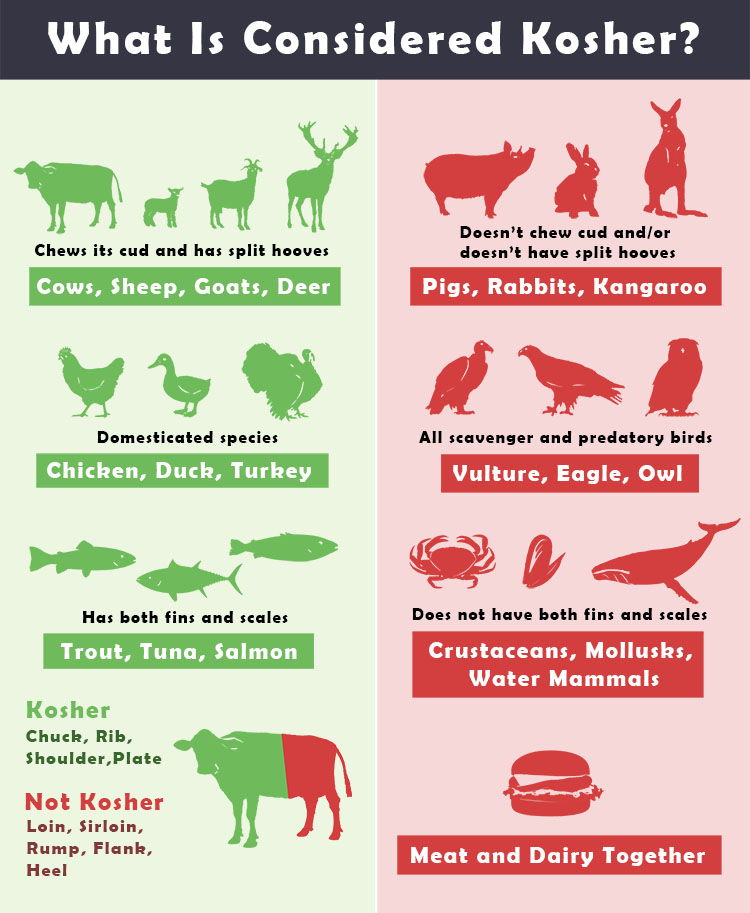
Perhaps the most provocative technological development in the world of kosher law involves cellular agriculture. For centuries, the list of what Judaism cannot eat has been static: pigs, shellfish, and the mixture of milk and meat. But when meat is grown in a bioreactor from a few stem cells, is it still “meat” in the eyes of the law?
Is Cultured Pork Kosher? The Molecular Debate
The prohibition against pork is arguably the most famous dietary restriction in Judaism. However, FoodTech companies are currently experimenting with “clean meat”—pork grown from cells without ever involving a living, breathing pig.
Leading rabbinical authorities and tech-ethicists are currently debating whether these cells, once removed from the animal and multiplied in a lab, lose their “identity” as pork. If the technology reaches a point where the end product is molecularly identical to meat but never lived as an animal, some argue it could be classified as pareve (neutral—neither meat nor dairy). This technological loophole could theoretically allow for the first “kosher” ham, a concept that would have been a theological impossibility only a decade ago.
Bio-printing and the Future of Pareve Alternatives
Beyond lab-grown meat, 3D bio-printing is being used to create plant-based alternatives that mimic the texture and flavor of forbidden foods like shrimp or lobster. By using plant-based proteins and “printing” them in layers to replicate the fibrous structure of shellfish, Tech firms are providing observant consumers with the sensory experience of “treif” foods without violating a single religious law. The technology focuses on the structural engineering of proteins, allowing for a culinary freedom that was previously inaccessible to those following a kosher diet.

Transparency Through the Ledger: Blockchain in Kosher Certification
Trust is the currency of the kosher market. When a consumer sees a “hechsher” (kosher symbol) on a product, they are trusting a long chain of human actors. Blockchain technology—specifically Distributed Ledger Technology (DLT)—is now being used to replace that blind trust with immutable data.
Real-Time Auditing of Slaughterhouses
The process of kosher slaughter (Shechita) is highly regulated, involving specific cuts and inspections of the animal’s internal organs. Blockchain allows for the creation of a “digital twin” for every animal. From the moment of slaughter, a secure entry is made in the ledger.
Every subsequent step—deveining, salting, packaging, and shipping—is recorded with a time-stamp and a digital signature. This prevents the “substitution” fraud that has occasionally plagued the industry, where non-kosher meat is illicitly swapped for kosher-certified cuts. With a QR code on the packaging, a consumer can trace their steak back to the specific farm and the specific slaughterer, verified by an unalterable digital record.
Combating Fraud in the Global Markets
As the demand for kosher-certified products grows—not just among Jewish populations but also among those seeking food safety—the risk of counterfeit certification symbols has increased. Blockchain provides a decentralized registry for these symbols. If a brand claims a certification it hasn’t earned, the blockchain-based verification system will fail to validate the product at the point of sale. This integration of FinTech and FoodTech ensures that the integrity of “what is eaten” is protected by cryptography rather than just paper certificates.
The Consumer Experience: Apps and Gadgets for the Observant Diner
Technology has moved the expertise of the Rabbi into the pocket of the consumer. The democratization of information through mobile apps and IoT devices has transformed how individuals manage dietary restrictions in their daily lives.
Scanning for Certainty: Mobile Apps for Supermarket Navigation
For an observant traveler in a foreign country, identifying what is safe to eat is a daunting task. Apps like “Is It Kosher?” and “CRC Kosher” utilize massive API integrations to provide instant answers. By scanning a barcode, the app queries global databases to determine if a product’s certification is current or if it contains hidden non-kosher enzymes.
Furthermore, these apps often use crowd-sourced data and GPS to locate the nearest kosher-certified restaurant, integrating reviews and real-time menu updates. This use of “Software as a Service” (SaaS) for religious adherence has made the world significantly “smaller” for those with restricted diets.
Smart Kitchens and IoT for Separation of Dairy and Meat
One of the most complex aspects of Judaism’s dietary laws is the total separation of meat and dairy products, including the use of separate dishes, sinks, and ovens. The “Smart Home” revolution is beginning to address these requirements through IoT (Internet of Things) integration.
We are seeing the emergence of “Kosher-mode” appliances that do more than just manage the Sabbath. Future smart ovens are being designed with dual-cavity sensors that can detect the molecular “signature” of the food being cooked. If a meat dish is placed in an oven recently used for dairy without the required cleaning/purging cycle, the oven can alert the user via a smartphone notification. Similarly, smart refrigerators can track the “status” of leftovers, ensuring that meat and dairy items are stored with the necessary physical barriers to prevent cross-contamination.
Conclusion: The Synthesis of Code and Commandment
The question of “what can Judaism not eat” is no longer answered solely by ancient texts, but by the developers, data scientists, and bio-engineers who are building the modern food infrastructure. Technology has not replaced the law; rather, it has provided the tools to observe it with greater precision and transparency than ever before.
As we move toward a future of synthetic proteins and AI-managed supply chains, the tech industry will continue to play a pivotal role in mediating the relationship between what is scientifically possible and what is religiously permissible. In this digital landscape, the “purity” of food is defined by the integrity of the data that tracks it, ensuring that ancient traditions can thrive in a high-tech world.
aViewFromTheCave is a participant in the Amazon Services LLC Associates Program, an affiliate advertising program designed to provide a means for sites to earn advertising fees by advertising and linking to Amazon.com. Amazon, the Amazon logo, AmazonSupply, and the AmazonSupply logo are trademarks of Amazon.com, Inc. or its affiliates. As an Amazon Associate we earn affiliate commissions from qualifying purchases.