
The quest for financial independence often begins with a single question: “What can I invest in to make money?” In an era of economic volatility and shifting market dynamics, the answer is no longer as simple as putting cash into a savings account. To truly build wealth, one must transition from a consumer mindset to an investor mindset, understanding that money is a tool that, when deployed correctly, generates more of itself over time.
Investing is the act of allocating resources—usually capital—with the expectation of generating an income or profit. However, the modern financial landscape offers a dizzying array of options, ranging from centuries-old tangible assets to cutting-edge digital vehicles. This guide explores the most effective avenues for investment, categorized by their risk profiles, liquidity, and potential for long-term returns.
Traditional Asset Classes: The Foundation of Wealth
For decades, the bedrock of personal finance has been built upon three primary pillars: equities, real estate, and fixed-income securities. These traditional assets remain the most reliable path to wealth for the majority of investors due to their proven track records and institutional support.
The Stock Market: Growth and Dividends
Investing in the stock market remains one of the most accessible ways to participate in the growth of the global economy. When you buy a stock, you are purchasing a piece of a corporation. Investors typically profit in two ways: capital appreciation (the stock price goes up) and dividends (a portion of the company’s profit paid out to shareholders).
For those seeking long-term wealth, the debate often settles between individual stock picking and broad-market indexing. While individual stocks offer the potential for “10x” returns, they require intense research and carry higher risk. Conversely, Index Funds and Exchange-Traded Funds (ETFs) allow investors to own a basket of hundreds of companies, providing instant diversification and historically consistent returns.
Real Estate: Tangible Assets and Passive Income
Real estate is a classic “hard asset” that provides both utility and investment value. Unlike stocks, real estate offers the benefit of leverage—the ability to use the bank’s money to increase your potential return on investment.
Investors can choose between residential rentals, commercial properties, or even Real Estate Investment Trusts (REITs). REITs are particularly attractive for those who want exposure to the property market without the headache of being a landlord. These are companies that own or finance income-producing real estate across various sectors, and they are required by law to distribute the majority of their taxable income to shareholders as dividends.
Bonds and Fixed Income: Managing Volatility
While stocks provide growth, bonds provide stability. When you buy a bond, you are essentially lending money to a government or a corporation for a set period in exchange for regular interest payments. In a diversified portfolio, fixed-income assets act as a buffer against stock market crashes. In high-interest-rate environments, government bonds and Treasury bills can offer attractive, low-risk yields that compete with more volatile investments.
Exploring Modern and Alternative Investments
In the 21st century, the definition of an “investment” has expanded. Beyond the stock exchange and property market, several alternative vehicles have emerged that offer unique risk-reward profiles and low correlation with traditional markets.
Peer-to-Peer (P2P) Lending and Private Credit
Technology has democratized the banking sector through P2P lending platforms. These services allow individuals to act as the lender, providing loans directly to other individuals or small businesses. In exchange for taking on the risk of default, investors can often earn interest rates significantly higher than those offered by traditional savings accounts. Similarly, private credit—investing in debt issued by non-public companies—has become a popular “Money” niche for those looking for yields that exceed the public bond market.
Commodities and Precious Metals
Gold, silver, and other commodities like oil or agricultural products serve as a hedge against inflation and currency devaluation. Gold, in particular, is often viewed as a “safe haven” asset. When the purchasing power of fiat currency drops, the price of gold tends to rise. While commodities do not produce cash flow (like dividends or rent), they are an essential component of a sophisticated portfolio designed to preserve wealth during periods of geopolitical or economic instability.

High-Yield Cash Management
For short-term goals, “investing” might simply mean optimizing your cash holdings. High-yield savings accounts (HYSAs) and Money Market Funds provide a way to earn a respectable return on liquid cash. While these won’t make you a millionaire overnight, they ensure that your emergency fund or upcoming down payment is protected from inflation while remaining accessible.
Investing in Yourself: The Highest ROI Asset
Perhaps the most overlooked answer to the question of where to put your money is “yourself.” In the realm of personal finance, your “human capital”—your ability to earn an income—is your most valuable asset, especially in the early stages of your financial journey.
Skill Acquisition and Specialized Education
The return on investment (ROI) for a $5,000 certification or a specialized training program can be astronomical. If a $2,000 course leads to a $20,000 salary increase, that is a 1,000% return in the first year alone—a figure no stock market index can consistently match. Investing in high-leverage skills such as financial analysis, project management, or technical sales directly increases your “earning floor,” providing more capital to funnel into other investments.
Building a Side Hustle or Micro-Business
With the rise of the digital economy, starting a small-scale business has never been more affordable. Whether it’s an e-commerce store, a consulting practice, or a service-based business, investing capital into your own venture allows for total control over the outcome. Unlike the stock market, where you are a passive observer, a business allows you to apply sweat equity to increase the value of your initial investment.
Networking and Social Capital
Money is often a byproduct of who you know and who knows what you can do. Investing in memberships to professional organizations, attending industry conferences, or simply paying for “power lunches” can open doors to private investment opportunities and career advancements that are never advertised to the general public.
Strategic Wealth Management: Diversification and Risk
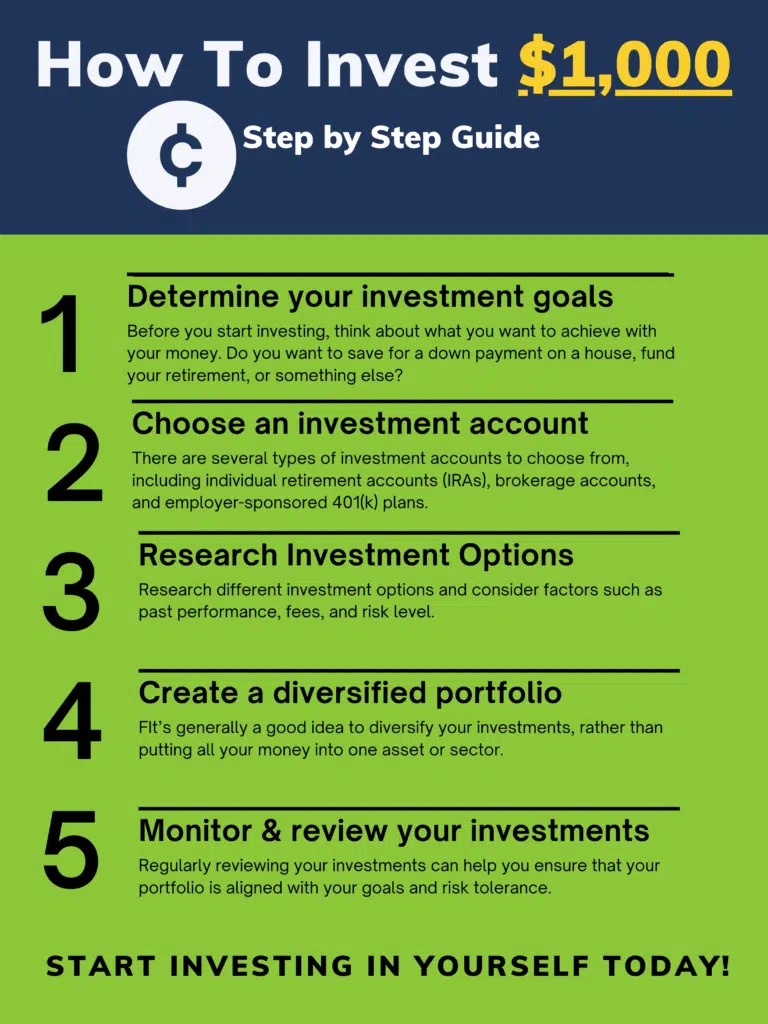
Knowing what to invest in is only half the battle; knowing how to manage those investments is what separates successful investors from those who lose money. The goal of a professional investment strategy is to maximize returns while minimizing the risk of total loss.
The Power of Compounding and Time Horizons
The “magic” of investing comes from compound interest—the process where your earnings begin to earn their own earnings. This is why the time you spend in the market is more important than “timing the market.” A consistent investment of $500 a month into a diversified portfolio over 30 years will almost certainly result in more wealth than trying to pick the perfect “moonshot” stock and failing.
Tax-Advantaged Accounts and Efficiency
To maximize your investment income, you must minimize your tax liability. Utilizing accounts like the 401(k), IRA (Individual Retirement Account), or ISA (Individual Savings Account) allows your investments to grow tax-free or tax-deferred. In the world of business finance, understanding the tax code is just as important as understanding the stock market. Every dollar saved in taxes is an extra dollar available for reinvestment.
Asset Allocation and Rebalancing
A professional portfolio should be diversified across various sectors and asset classes to ensure that a downturn in one (e.g., a real estate crash) does not wipe out your entire net worth. Furthermore, regular rebalancing—selling assets that have performed well and buying those that are undervalued—ensures that your risk profile remains aligned with your long-term goals.

Conclusion: Crafting Your Personal Investment Roadmap
There is no “one-size-fits-all” answer to what you should invest in to make money. The ideal choice depends on your age, your risk tolerance, and your ultimate financial goals. For a young professional, the best investment might be a combination of aggressive growth stocks and self-education. For someone nearing retirement, the focus shifts toward wealth preservation through bonds and dividend-paying real estate.
Ultimately, the most successful investors are those who view money as a seed. By planting it in diverse soils—stocks, real estate, personal skills, and alternative assets—and allowing it the time to grow, you can build a financial forest that provides security and abundance for decades to come. The first step is to stop asking what you can buy, and start asking where you can best deploy your capital for the greatest long-term impact.
aViewFromTheCave is a participant in the Amazon Services LLC Associates Program, an affiliate advertising program designed to provide a means for sites to earn advertising fees by advertising and linking to Amazon.com. Amazon, the Amazon logo, AmazonSupply, and the AmazonSupply logo are trademarks of Amazon.com, Inc. or its affiliates. As an Amazon Associate we earn affiliate commissions from qualifying purchases.