
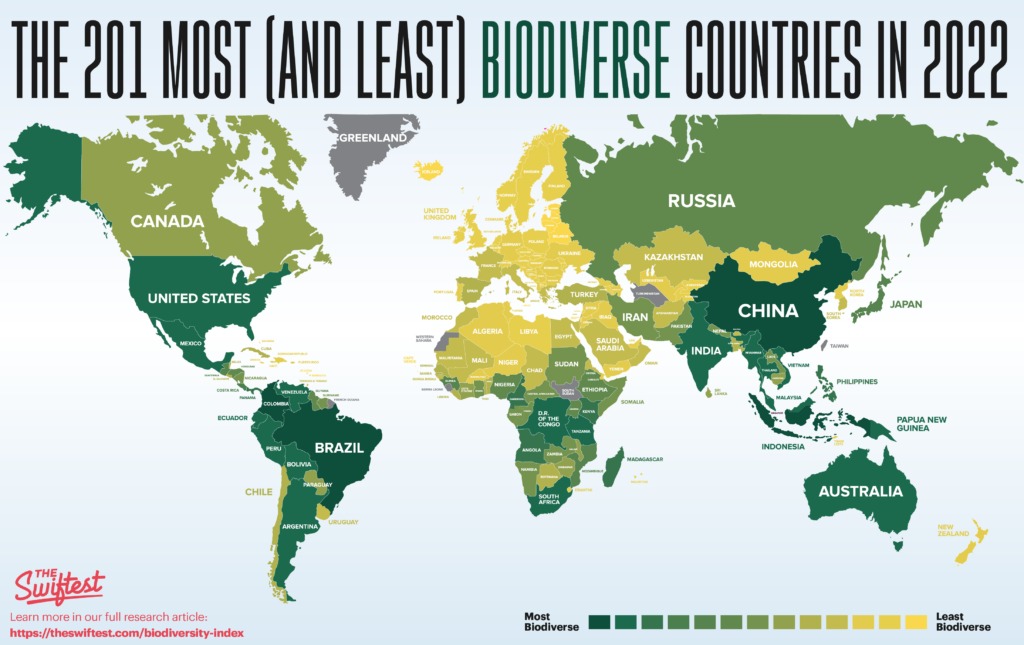
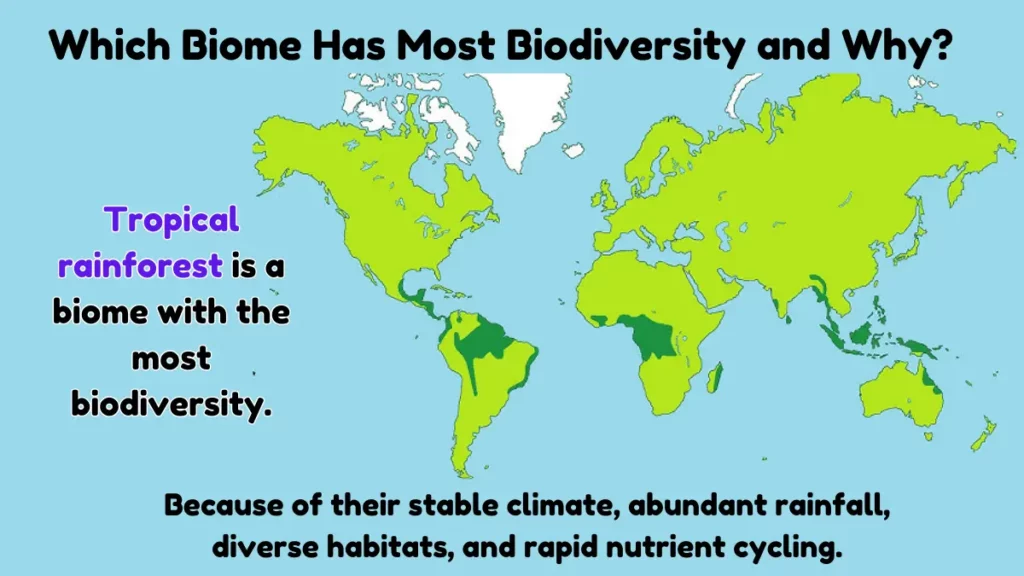
The question of which biome harbors the greatest biodiversity on Earth is one that captivates scientists, conservationists, and curious minds alike. While our planet boasts an incredible array of distinct ecosystems, each with its unique tapestry of life, one biome overwhelmingly stands out as the undisputed champion of species richness: the tropical rainforest. These vibrant, complex ecosystems, characterized by their towering trees, dense canopies, and perpetual warmth and humidity, are veritable treasure troves of life, housing more than half of the world’s plant and animal species, despite covering less than 7% of the Earth’s land surface. From the Amazon to the Congo, and from Southeast Asia to Madagascar, tropical rainforests represent the pinnacle of biological diversity, acting as crucial global reservoirs of genetic information and ecological services.
However, understanding the “what” is only the first step. In an increasingly interconnected world, the “why” and “how” we interact with and protect these vital biomes extend far beyond traditional ecological study. It touches upon the cutting edge of technology, the strategic imperatives of branding, and the intricate mechanisms of global finance. Our capacity to document, conserve, and even leverage the immense value of biodiversity is increasingly intertwined with advancements in AI, strategic marketing, and innovative investment models.
The Reigning Champion: Tropical Rainforests
Tropical rainforests are the epitome of ecological abundance. Located near the equator, they receive consistent high temperatures and abundant rainfall throughout the year, creating ideal conditions for life to flourish. This stable, warm, and wet environment has allowed for millions of years of uninterrupted evolution, leading to a phenomenal level of speciation and ecological complexity.
Why Tropical Rainforests Lead the Pack
Several key factors contribute to the unparalleled biodiversity found in tropical rainforests:
- Climate Stability: Unlike temperate regions that experience significant seasonal fluctuations, tropical rainforests maintain a relatively constant climate. This stability minimizes environmental stress, allowing species to specialize and thrive without having to adapt to drastic changes in temperature or water availability.
- High Primary Productivity: The continuous warmth and ample sunlight support incredibly high rates of photosynthesis, leading to a massive biomass of plants. This abundant plant life forms the base of a complex food web, supporting an enormous variety of herbivores, carnivores, and decomposers.
- Complex Vertical Structure: Tropical rainforests are characterized by distinct vertical layers, from the forest floor to the emergent canopy layer that can reach over 60 meters in height. Each layer offers unique microclimates and niches, allowing different species to specialize and occupy specific zones, thus maximizing the number of species that can coexist in a relatively small area.
- Co-evolution and Specialization: The long history of stable conditions has fostered intricate relationships between species. Plants and pollinators, predators and prey, parasites and hosts have co-evolved over millennia, leading to highly specialized adaptations. For example, many orchid species have evolved unique flower shapes and scents to attract specific insect pollinators, a testament to the intricate dance of co-evolution.
- Geographic Isolation and Refugia: Over geological timescales, events like ice ages or shifts in river courses have sometimes isolated pockets of rainforest. These isolated areas act as “refugia,” where species can evolve independently, leading to the formation of new species and increased endemism (species found nowhere else on Earth).
Biodiversity Hotspots and Their Global Significance
Within the broader tropical rainforest biome, certain regions are recognized as “biodiversity hotspots.” These are areas that boast an exceptionally high number of endemic species and are simultaneously under significant threat from human activities. Examples include the Atlantic Forest of Brazil, the Philippines, and the Sundaland region in Southeast Asia. These hotspots are not merely ecological curiosities; they are critical to the planet’s health. They provide essential ecosystem services such as climate regulation, water purification, soil stabilization, and a vast genetic library of potential future medicines and resources. Their rapid destruction due to deforestation, agriculture, and climate change represents an irreversible loss not just for nature, but for humanity’s future.
Beyond the Rainforest: Other Biodiversity-Rich Biomes
While tropical rainforests hold the top spot, other biomes also exhibit remarkable levels of biodiversity, each playing a crucial role in the global ecosystem. Recognizing these diverse hubs of life is essential for a holistic understanding of Earth’s biological wealth.
Coral Reefs: The Ocean’s Rainforests
Often referred to as the “rainforests of the sea,” coral reefs are incredibly diverse marine ecosystems. Though they cover less than 0.1% of the ocean floor, they support an estimated 25% of all marine species, including fish, mollusks, worms, crustaceans, and many more. The intricate three-dimensional structure created by coral polyps provides countless niches for shelter, feeding, and breeding. Like rainforests, coral reefs thrive in warm, shallow, clear waters, primarily in tropical and subtropical regions. They are vital for coastal protection, fisheries, and tourism, but are gravely threatened by ocean acidification, rising sea temperatures, pollution, and destructive fishing practices.
Other Contenders: From Wetlands to Mediterranean Forests
Other biomes also contribute significantly to global biodiversity:
- Wetlands: Including marshes, swamps, and bogs, wetlands are incredibly productive ecosystems. They support a high diversity of amphibians, reptiles, birds, and insects, and play crucial roles in water filtration, flood control, and carbon sequestration.
- Mediterranean Forests, Woodlands, and Scrub: Found in regions with hot, dry summers and mild, rainy winters (e.g., California, Mediterranean Basin, Chile), these biomes are known for their high levels of plant endemism. Many plants here have adapted to fire and drought, creating unique ecological communities.
- Temperate Forests: While less diverse than their tropical counterparts, temperate forests still support a rich array of life, particularly in terms of large mammals and migratory birds.
The Intersection of Biodiversity, Technology, and Innovation
The sheer scale of biodiversity and the threats it faces necessitate innovative approaches that transcend traditional conservation methods. This is where the realms of technology, brand strategy, and finance become indispensable partners in the fight to protect our planet’s natural heritage.
Tech for Biodiversity: Monitoring, Conservation, and Discovery
Technology is revolutionizing how we understand, monitor, and protect biodiversity. From advanced computational tools to innovative field gadgets, tech is providing unprecedented capabilities.
- Technology Trends & AI Tools: Artificial intelligence (AI) is at the forefront of biodiversity conservation. Machine learning algorithms can analyze vast datasets from satellite imagery to detect deforestation patterns, track illegal logging, and identify changes in habitat extent with remarkable accuracy and speed. AI-powered sound recognition software (bioacoustics) can monitor species populations by identifying unique animal calls, even in dense rainforests, offering a non-invasive way to survey biodiversity. Computer vision helps analyze camera trap footage to identify individual animals or species, greatly reducing manual effort. Beyond monitoring, AI is also aiding in predicting the spread of invasive species and modeling the impact of climate change on ecosystems.
- Software & Apps: Specialized software is crucial for managing and interpreting ecological data, from Geographic Information Systems (GIS) for mapping species distributions and habitat corridors to genomic sequencing software for understanding evolutionary relationships and genetic health. Citizen science apps, like iNaturalist or eBird, empower individuals worldwide to contribute valuable observational data, creating massive global datasets that scientists use to track species movements and population changes. These apps often leverage AI for species identification, making participation accessible to everyone.
- Gadgets & Digital Security: Drones equipped with high-resolution cameras, thermal imaging, and even LiDAR are being deployed to survey remote areas, map habitats, and deter poachers. Underwater robots and autonomous vehicles (AUVs) are exploring deep-sea environments and monitoring coral reefs. The immense amount of data generated by these technologies, from genetic sequences to satellite images, requires robust digital security measures to protect sensitive information, prevent data breaches, and ensure the integrity of conservation efforts. Secure cloud storage, encrypted communications, and data governance policies are becoming standard practice for conservation organizations.
- Productivity: Technology boosts the productivity of conservationists by automating data collection, analysis, and reporting, allowing them to focus more on strategic planning and on-the-ground action. From streamlined project management software to advanced data visualization tools, tech enhances efficiency and decision-making in complex conservation projects.
Branding Biodiversity: Marketing Conservation and Sustainable Practices
In a crowded public discourse, effective branding is essential for garnering support, raising awareness, and inspiring action for biodiversity conservation.
- Brand Strategy & Corporate Identity: Conservation organizations, national parks, and eco-tourism initiatives need compelling brand strategies to differentiate themselves and resonate with donors, visitors, and policymakers. This involves crafting a clear mission, defining core values, and communicating their unique impact. A strong corporate identity, including a memorable logo, consistent messaging, and visual aesthetics, helps build trust and recognition, transforming abstract concepts like “biodiversity” into tangible, relatable causes. Companies embracing sustainable practices also use branding to signal their commitment to environmental stewardship, building a reputation for responsibility.
- Marketing & Design: Strategic marketing campaigns are crucial for raising awareness about biodiversity loss and promoting conservation solutions. This includes digital marketing (social media, influencer partnerships, targeted ads), traditional media campaigns, and educational outreach. Design plays a vital role in communicating complex ecological concepts in an accessible and engaging way – think of visually stunning infographics, impactful documentaries, or interactive museum exhibits. Eco-tourism branding emphasizes unique experiences that connect visitors with nature while funding local conservation efforts. Product design, too, can reflect a commitment to biodiversity, from packaging made of sustainable materials to certifications that indicate responsible sourcing.
- Reputation: For businesses, a strong commitment to biodiversity conservation can significantly enhance corporate reputation. Consumers are increasingly scrutinizing companies’ environmental records, and genuine efforts in sustainability can build brand loyalty and attract socially conscious investors. Conversely, perceived greenwashing or involvement in environmentally destructive practices can severely damage a brand’s reputation, leading to boycotts, regulatory scrutiny, and a loss of market share. Case studies of companies successfully integrating biodiversity into their core operations provide valuable lessons in reputation management and ethical branding.
The Economics of Biodiversity: Investing in Nature and Sustainable Futures
Protecting biodiversity is not merely an environmental cost; it is an economic imperative and a significant opportunity for innovative finance and sustainable income generation.
- Investing & Business Finance: The financial sector is increasingly recognizing biodiversity as a material risk and an emerging investment opportunity. “Green investments” and “impact investing” channel capital into businesses and projects that aim to conserve biodiversity, restore ecosystems, or develop sustainable alternatives. This includes investments in sustainable agriculture, renewable energy, eco-tourism, and nature-based solutions. Financial institutions are developing new metrics and frameworks to assess biodiversity-related risks in portfolios and integrate environmental, social, and governance (ESG) factors into investment decisions. Business finance, too, is shifting, with companies seeking financing for projects that align with sustainable development goals (SDGs), including those related to life on land and below water.
- Online Income & Side Hustles: The growing awareness of biodiversity value is creating new avenues for online income and sustainable side hustles. Ecotourism, facilitated by online booking platforms and digital marketing, allows individuals and communities to generate income from nature appreciation. Sustainable agriculture, often marketed through direct-to-consumer online channels, offers ethical food choices. The burgeoning market for carbon credits and other nature-based solutions provides opportunities for landowners to generate income by preserving forests or restoring wetlands. Even digital content creation, such as nature photography, videography, or educational blogs about biodiversity, can generate income while raising awareness.
- Financial Tools: New financial tools are emerging to support biodiversity. These include “green bonds” specifically designed to fund environmental projects, biodiversity offsetting schemes where development impacts are compensated by conservation elsewhere, and payment for ecosystem services (PES) programs that financially reward landowners for stewarding natural resources. Economists are also developing methods to value natural capital, allowing for a more comprehensive accounting of the economic benefits provided by healthy ecosystems. Personal finance, too, plays a role, with individuals choosing ethical banks, investing in sustainable funds, or making conscious purchasing decisions that support businesses committed to biodiversity.
The Imperative to Protect: Our Collective Responsibility
The unparalleled biodiversity of tropical rainforests and other biomes is a testament to the richness of life on Earth. Yet, this natural heritage is under unprecedented threat. Our ability to protect it hinges on a collective, multi-faceted approach that integrates scientific understanding with technological innovation, strategic communication, and economic incentives.
Challenges and Threats
The primary drivers of biodiversity loss are well-documented:
- Habitat Loss and Degradation: Driven primarily by agriculture, urbanization, and resource extraction (logging, mining).
- Climate Change: Leading to shifts in species ranges, increased frequency of extreme weather events, ocean acidification, and habitat destruction.
- Pollution: Contaminating air, water, and soil, harming species and ecosystems.
- Invasive Species: Outcompeting native species and disrupting delicate ecological balances.
- Overexploitation: Unsustainable fishing, hunting, and harvesting of natural resources.

Pathways to a Sustainable Future
Addressing these challenges requires a concerted effort. Integrating technology, branding, and financial strategies into conservation efforts provides powerful pathways forward:
- Technological Advancement: Continued investment in AI, remote sensing, biotechnology, and data analytics can enhance our capacity for monitoring, understanding, and restoring ecosystems.
- Effective Communication and Branding: Raising public awareness and fostering a sense of urgency through compelling narratives and strong branding campaigns can mobilize political will, attract funding, and encourage sustainable consumer behavior.
- Innovative Financial Mechanisms: Developing new investment models, market-based incentives, and robust financial tools can unlock the capital needed to fund large-scale conservation initiatives and incentivize sustainable practices across industries.
- Policy and Governance: Strong national and international policies, coupled with effective governance, are essential to regulate resource use, protect critical habitats, and enforce environmental laws.
Ultimately, the future of biomes like the tropical rainforest, and the countless species they harbor, depends on a profound shift in human perception and practice. It requires recognizing that biodiversity is not an isolated ecological concern but an integral component of our global economy, technological progress, and social well-being. By harnessing the power of technology to monitor and understand, the art of branding to inspire and educate, and the leverage of finance to invest and incentivize, we can move from simply asking “what biome has the most biodiversity?” to actively ensuring that it continues to thrive for generations to come.
aViewFromTheCave is a participant in the Amazon Services LLC Associates Program, an affiliate advertising program designed to provide a means for sites to earn advertising fees by advertising and linking to Amazon.com. Amazon, the Amazon logo, AmazonSupply, and the AmazonSupply logo are trademarks of Amazon.com, Inc. or its affiliates. As an Amazon Associate we earn affiliate commissions from qualifying purchases.