
Navigating the landscape of automotive financing can often feel like a complex puzzle, especially when it comes to used vehicles. Unlike new car loans, which often feature subsidized rates from manufacturers, used car loan rates are influenced by a volatile mix of market conditions, credit profiles, and the inherent risks associated with aging assets. In today’s economic climate, where interest rates have seen significant shifts due to central bank policies, understanding the mechanics of used car loan rates is essential for any savvy consumer. This guide delves into the nuances of personal finance in the automotive sector, providing you with the insights needed to secure the most favorable terms for your next purchase.
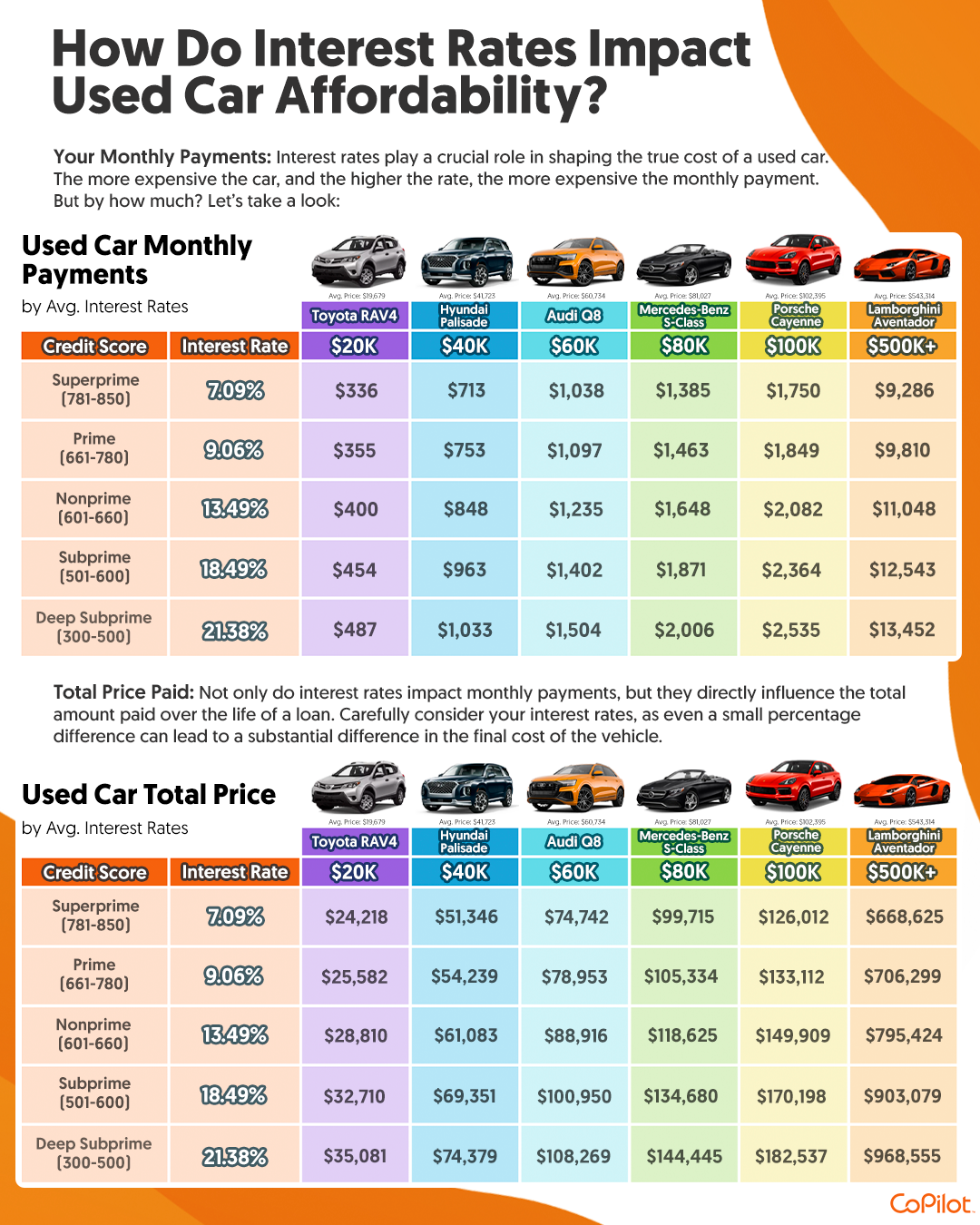
Key Factors That Determine Your Used Car Loan Rate
The interest rate you are offered for a used car is rarely a single, static number. Instead, it is a risk-based calculation performed by lenders. Understanding these variables allows you to position yourself as a low-risk borrower, potentially saving you thousands of dollars over the life of the loan.
The Role of Credit Scores and Tiers
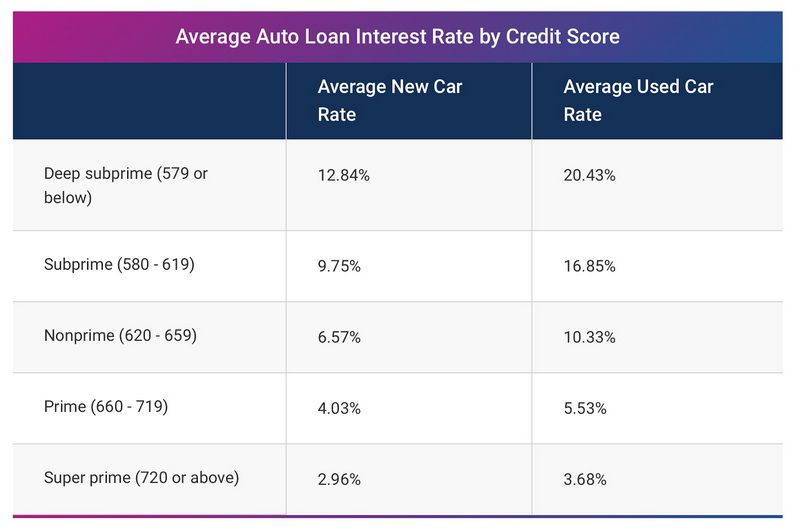
Your credit score is the most significant determinant of your interest rate. Lenders categorize borrowers into “tiers,” ranging from deep subprime to superprime. For those in the superprime category (typically scores above 780), used car rates may only be a few percentage points higher than new car rates. However, for subprime borrowers, rates can climb into the double digits. Lenders use these scores to predict the likelihood of default; a higher score indicates a history of reliability, which translates to a “discount” in the form of a lower interest rate.
Vehicle Age and Mileage
A unique aspect of used car financing is the asset’s condition. Lenders view older vehicles with high mileage as higher risks. If a vehicle breaks down and the owner cannot afford the repairs, they are more likely to default on the loan. Consequently, many banks have “age caps” (e.g., vehicles older than 10 years) or “mileage caps” (e.g., over 100,000 miles). If you choose a vehicle that falls outside these standard windows, you can expect a significantly higher interest rate or may need to seek a specialized lender.
Loan Duration and Term Lengths
The length of your loan, or the “term,” directly impacts your rate. While a 72-month or 84-month loan offers lower monthly payments, these longer terms almost always carry higher interest rates. This is because the lender is exposed to market fluctuations and the risk of the vehicle’s value dropping below the loan balance (being “underweight”) for a longer period. Opting for a shorter term, such as 36 or 48 months, typically rewards the borrower with a lower APR.
Where to Find the Most Competitive Rates
Not all lending institutions are created equal. Where you choose to secure your financing can be just as important as your credit score. Diversifying your search beyond the dealership’s finance office is a critical step in professional financial planning.
Credit Unions: The Member Advantage
Credit unions are member-owned, non-profit entities, which often allows them to offer lower interest rates on used car loans compared to national banks. Because they do not have to answer to shareholders, they can pass savings directly to their members. Furthermore, credit unions are often more flexible with borrowers who have a localized banking history but perhaps a slightly lower credit score.
Traditional Banks and National Lenders
Large national banks offer the benefit of convenience and robust digital platforms. If you already have a mortgage or a high-yield savings account with a major bank, you might qualify for “relationship discounts.” While their base rates may be slightly higher than credit unions, their streamlined approval processes and national reach make them a stable choice for many buyers.
Online Lenders and Fintech Platforms
The rise of financial technology has introduced a wave of online-only lenders that specialize in auto financing. These platforms often use proprietary algorithms that look beyond just your FICO score, considering factors like education and employment history. For tech-savvy consumers, online lenders provide a quick way to compare multiple offers simultaneously, often providing pre-approval in minutes.
Calculating the True Cost of a Used Car Loan
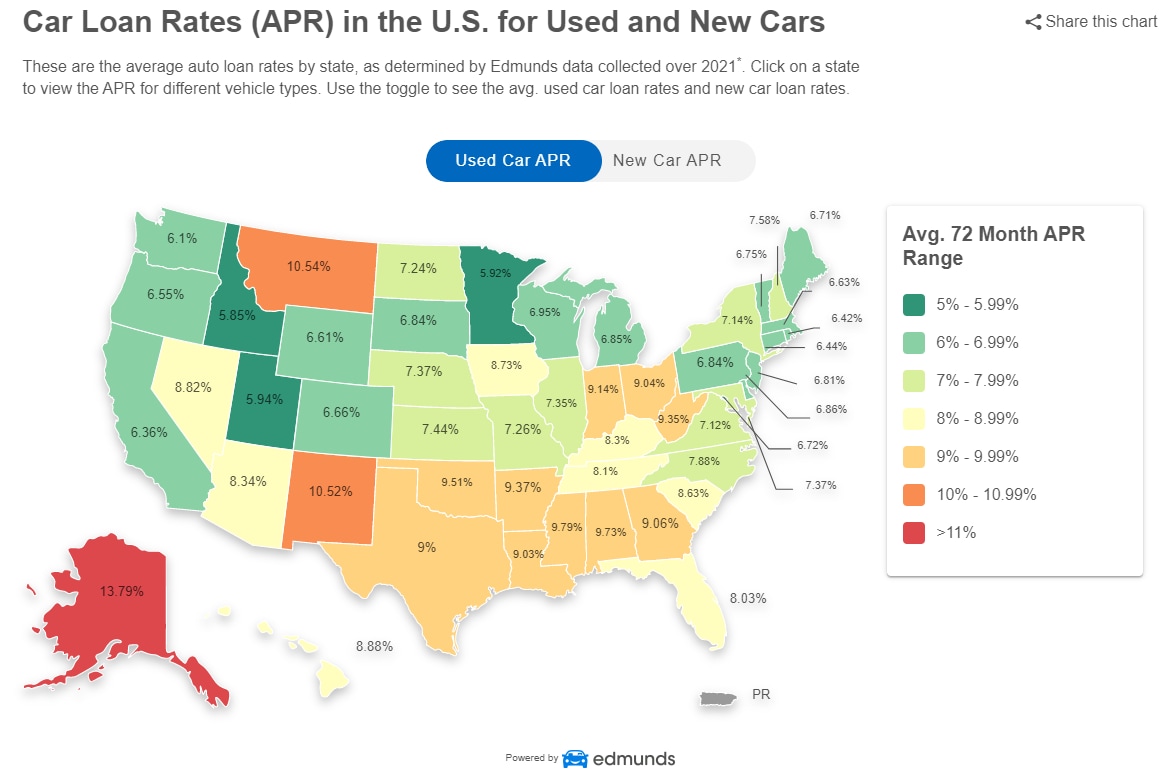
A common mistake in personal finance is focusing solely on the monthly payment. To truly understand what you are paying, you must look at the total cost of borrowing. This requires a deeper dive into how interest is calculated and how your initial decisions affect the long-term math.
Principal vs. Interest and Amortization
Most auto loans are simple-interest loans, meaning interest is calculated based on the remaining principal balance each month. In the early stages of your loan, a larger portion of your monthly payment goes toward interest. Understanding this “amortization” schedule is vital. If you plan to sell the car in two years, you need to ensure that the vehicle’s depreciation hasn’t outpaced the rate at which you are paying down the principal.
The Impact of Down Payments
A substantial down payment is one of the most effective tools for lowering your used car loan rate. By putting 20% or more down, you reduce the “Loan-to-Value” (LTV) ratio. A lower LTV reduces the lender’s risk; if they have to repossess the car, they are more likely to recoup their money. In return for this security, lenders often offer a lower interest rate. Additionally, a large down payment prevents you from entering a “negative equity” trap from day one.
Fees and Hidden Costs
The “Annual Percentage Rate” (APR) is a more accurate reflection of your cost than the base interest rate because it includes lender fees. When reviewing loan offers, look for origination fees, documentation fees, and “prepayment penalties.” A professional approach to used car financing involves reading the fine print to ensure that you aren’t penalized for paying off the loan early if your financial situation improves.
Practical Strategies to Lower Your Interest Rate
Securing a great rate is not just about having good credit; it is about strategy and timing. By taking proactive steps before visiting a dealership, you can gain significant leverage in negotiations.
The Power of Prequalification
Never walk into a dealership without a pre-approval from an outside lender. Prequalification involves a “soft” credit pull that gives you an estimate of your rate, while pre-approval is a formal commitment. Having a pre-approval letter in hand forces the dealership’s finance department to compete with the rate you already have. Dealers often have access to “wholesale” interest rates and can sometimes beat your bank’s offer to earn your business.
Improving Your Debt-to-Income Ratio
Before applying for a car loan, consider paying down small revolving debts, such as credit card balances. Lenders look at your Debt-to-Income (DTI) ratio to determine if you can afford the new monthly obligation. A lower DTI not only increases your chances of approval but can also shift you into a better pricing bracket for interest rates.
Considering a Co-signer
For younger buyers or those recovering from financial setbacks, a co-signer with strong credit can be a game-changer. A co-signer essentially “lends” their credit reputation to the primary borrower. This can drop an interest rate from 15% down to 5%, potentially saving thousands in interest. However, this should be handled with care, as any missed payments will negatively impact both parties’ credit scores.
Market Outlook: Why Rates are Fluctuating
To understand used car loan rates, one must look at the broader economic horizon. Rates do not exist in a vacuum; they are heavily influenced by the macroeconomic environment and the specific dynamics of the automotive industry.
Federal Reserve Policy and Benchmark Rates
The Federal Reserve’s decisions on the federal funds rate serve as the foundation for almost all consumer lending. When the Fed raises rates to combat inflation, banks find it more expensive to borrow money, and they pass those costs on to consumers in the form of higher APRs. Monitoring the Fed’s signals can help you time your purchase; if a rate cut is signaled for the next quarter, it might be worth waiting a few months to lock in a loan.
Inventory Challenges and Used Car Valuations
The used car market has experienced unprecedented volatility in recent years. High demand and low new-car inventory led to a spike in used car prices, which in turn affected loan amounts and rates. As inventory levels stabilize, vehicle valuations are beginning to correct. However, because the collateral (the car) is fluctuating in value, lenders remain cautious. Staying informed about used car price indices can help you determine if you are buying—and financing—at the peak or the valley of the market.
In conclusion, used car loan rates are a multifaceted aspect of personal finance that requires diligent research and strategic planning. By focusing on your credit health, comparing various lending institutions, and understanding the total cost of interest, you can navigate the financing process with confidence. A used car is a significant investment; ensuring you have the best possible loan rate is the first step toward long-term financial stability and successful asset management.
aViewFromTheCave is a participant in the Amazon Services LLC Associates Program, an affiliate advertising program designed to provide a means for sites to earn advertising fees by advertising and linking to Amazon.com. Amazon, the Amazon logo, AmazonSupply, and the AmazonSupply logo are trademarks of Amazon.com, Inc. or its affiliates. As an Amazon Associate we earn affiliate commissions from qualifying purchases.