
The iconic nesting dolls, with their vibrant colors and endearing faces, are instantly recognizable symbols of Russian culture. Often referred to colloquially as “Russian dolls,” these intricate wooden figures have captivated imaginations worldwide for over a century. While many people are familiar with their visual appeal and the charming act of revealing smaller dolls hidden within, a deeper understanding of their nomenclature, historical origins, and evolving significance, particularly within the realm of craft, design, and even as a cultural export, reveals a richer narrative. This article delves into the world of these fascinating artifacts, exploring their proper name, their journey from folk art to global commodity, and their enduring appeal in the digital age.

The Proper Nomenclature: Unpacking the Matryoshka Name
When encountering these wooden wonders, the term “Russian dolls” is a common descriptor, but it’s not their official or most accurate name. The correct term, deeply rooted in Russian tradition, is Matryoshka doll. The name “Matryoshka” itself is a diminutive form of the Russian female name “Matryona,” which was a popular name in rural Russia. “Matryona” is derived from the Latin word “mater,” meaning “mother.” This etymology is incredibly significant, as it directly reflects the core concept of the Matryoshka doll: a mother figure containing her offspring, symbolizing fertility, motherhood, and the continuity of generations.
Etymology and Cultural Roots
The choice of the name “Matryoshka” is far from coincidental. It encapsulates the very essence of the doll’s design and its symbolic representation within Russian culture. The idea of a series of nested figures, each smaller than the last, evokes the imagery of a pregnant woman, or a mother cradling her children. This association with motherhood and family ties makes the Matryoshka doll a potent symbol of continuity, protection, and the importance of lineage. In a society where family bonds have historically been central, this symbolism resonated deeply, contributing to the doll’s widespread adoption as a folk art form and souvenir. The visual representation of a family, with the largest doll as the matriarch and the subsequent smaller dolls as her children, further solidifies this connection to familial harmony and nurturing.
Variations and Misnomers
While “Matryoshka doll” is the correct term, other names and misnomers have emerged over time, both within and outside of Russia. In some Western countries, they are sometimes referred to as “babushka dolls,” which translates to “grandmother” in Russian. While a grandmother is a maternal figure, the term “babushka” is not the specific or correct name for the nesting doll. This misnomer likely arose from the perception of the dolls as representing older, wise women, or perhaps simply due to the broader association of Russian cultural items with traditional female figures. Understanding the distinction between “Matryoshka” and “babushka” is crucial for appreciating the precise cultural and linguistic nuances associated with these dolls. The term “nesting doll” is also a descriptive, rather than an etymological, term that accurately captures their physical characteristic.
The Genesis of the Matryoshka: From Folk Art to Iconic Toy
The creation of the Matryoshka doll is a relatively recent phenomenon in Russian history, dating back to the late 19th century. While the concept of nesting objects existed in various cultures, the specific form and design of the Matryoshka doll are attributed to a few key individuals and workshops. Its rapid rise in popularity speaks to its innovative design and its immediate appeal as a cultural artifact and a marketable item.
The Birthplace of the Matryoshka: Abramtsevo
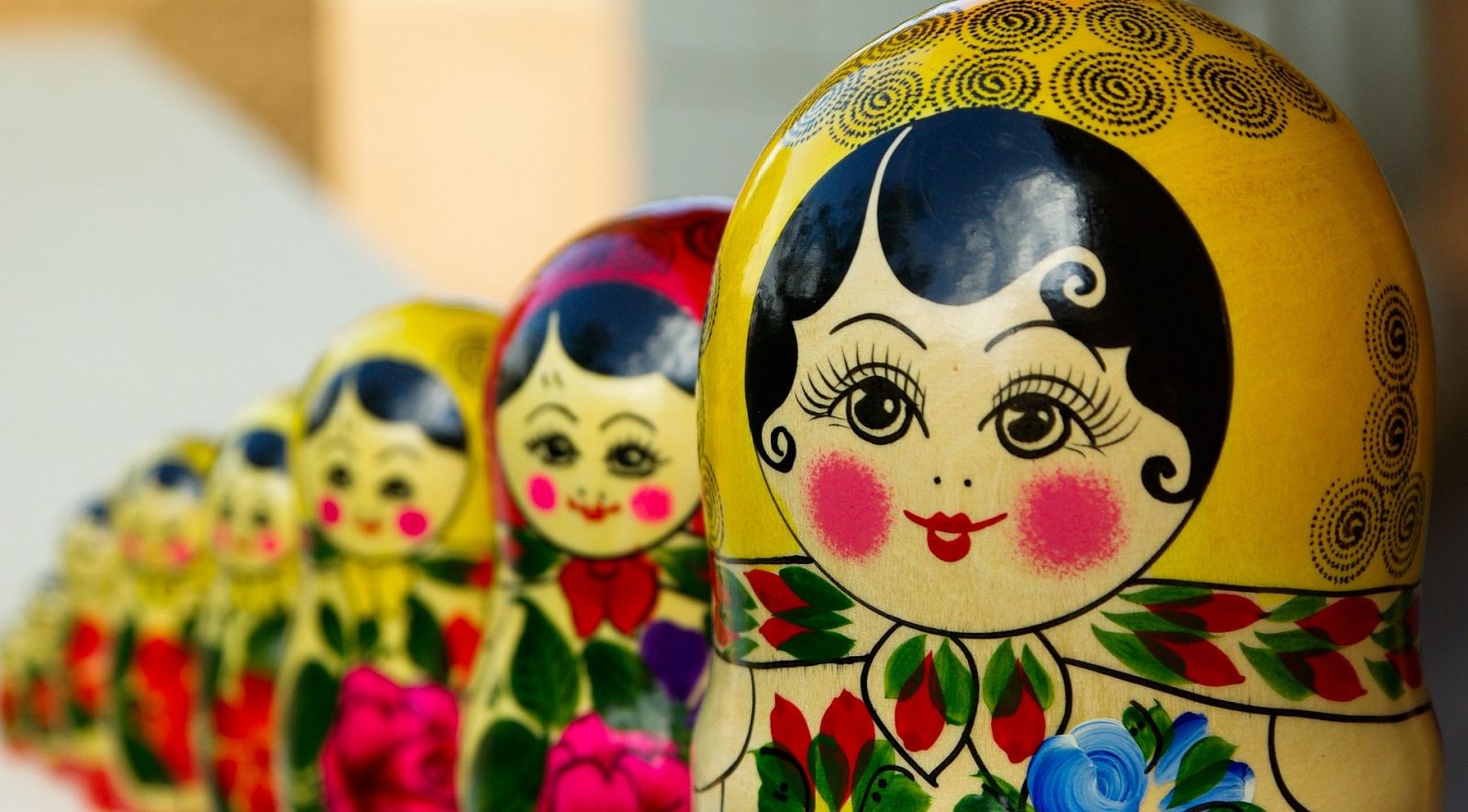
The most widely accepted origin story places the birth of the Matryoshka doll at the Abramtsevo Colony, an artist’s retreat near Moscow founded by Savva Mamontov. It is believed that the initial concept was inspired by a Japanese nesting doll that had been brought back from Japan by Mamontov’s wife. The idea was then brought to life by Vasily Zvyozdochkin, a woodcarver from Sergiyev Posad, who carved the first doll, and artist Sergey Malyutin, who painted it. The first Matryoshka doll was a peasant woman, dressed in traditional Russian attire, holding a rooster. The inner dolls depicted her children and then a smaller rooster. This initial design set the template for the many variations that would follow.
Evolution of Design and Themes
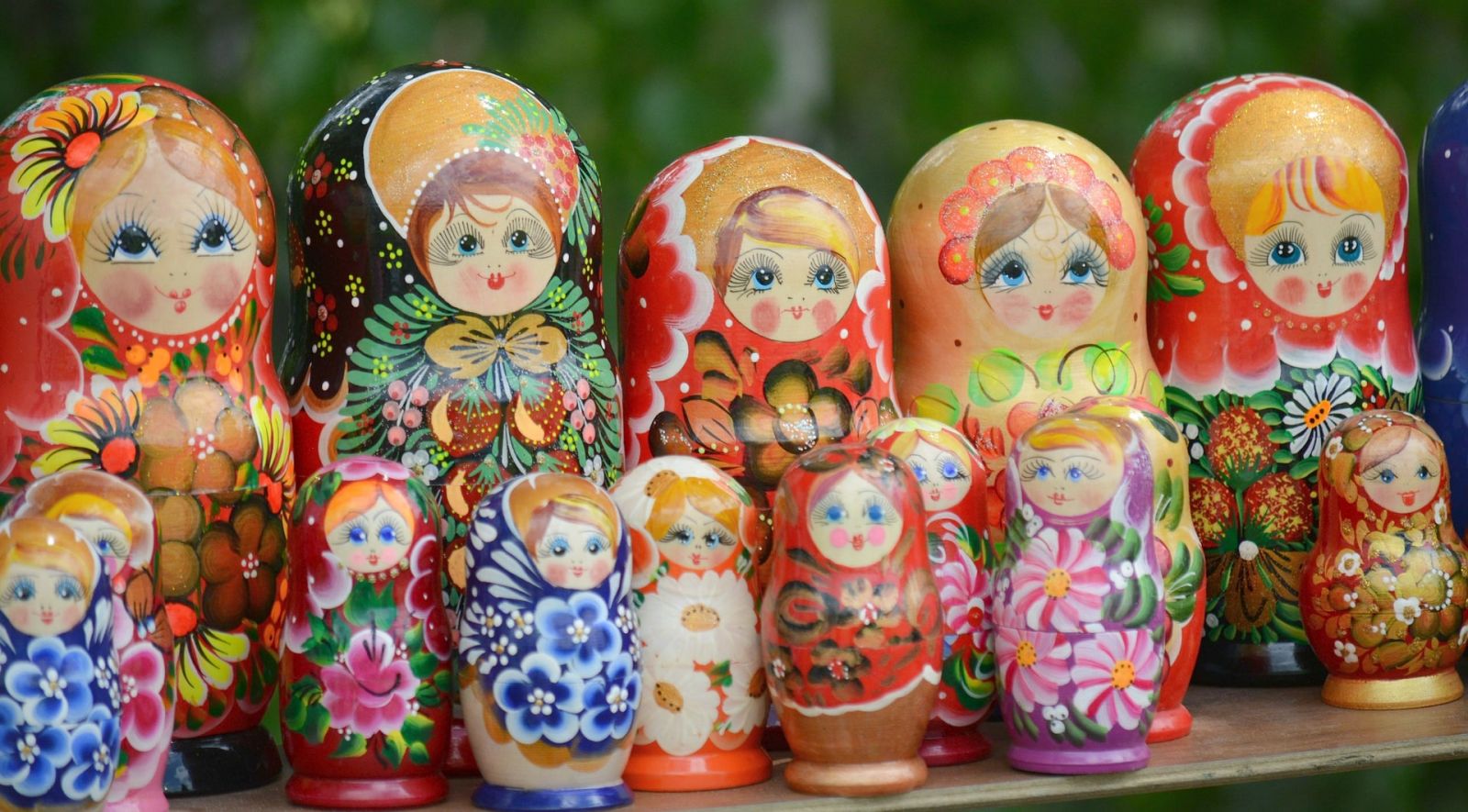
From its humble beginnings, the Matryoshka doll’s design underwent significant evolution. While the peasant woman theme remained popular, artists began to explore a vast array of subjects. This included fairy tale characters, historical figures, political leaders, animals, and even abstract designs. The increasing diversity in themes allowed for greater artistic expression and broader market appeal. The quality of craftsmanship also became a distinguishing factor, with hand-painted details, intricate patterns, and the use of fine wood becoming hallmarks of higher-end Matryoshka dolls. The progression from simple folk art to a canvas for diverse artistic expression highlights the adaptability and enduring appeal of the Matryoshka form.
Matryoshka Dolls in the Digital Age: Craftsmanship, E-commerce, and Cultural Preservation
In today’s interconnected world, Matryoshka dolls have found new avenues for reach and appreciation. The advent of e-commerce and digital marketing has transformed how these traditional crafts are produced, marketed, and consumed. While the core artistry remains, the business and promotional aspects have undergone a significant digital transformation.
Online Marketplaces and Global Reach
The internet has opened up a global marketplace for Matryoshka doll artisans. Platforms like Etsy, Amazon, and specialized online stores allow collectors and enthusiasts from all corners of the world to purchase these unique items directly from Russia or from reputable international sellers. This accessibility has not only boosted sales but has also introduced a wider audience to the nuances of Matryoshka craftsmanship. The ability to browse through hundreds of different designs, read reviews, and connect with sellers directly has demystified the purchasing process and fostered a more engaged customer base. This digital presence is crucial for the survival and growth of traditional crafts in a competitive global market.
The Art of Matryoshka: A Blend of Tradition and Innovation
The creation of a Matryoshka doll is a meticulous process that requires considerable skill and artistry. The process begins with selecting the right type of wood, typically linden or birch, which are soft and easy to carve. The wood is then seasoned and shaped by hand into a series of nesting forms. Each doll is carefully carved from a single piece of wood, ensuring that the inner dolls fit snugly within the outer ones. The painting process is where the true artistry shines. Using various techniques, including watercolors, gouache, and acrylics, artists meticulously hand-paint each doll with vibrant colors and intricate details. Modern artisans are increasingly incorporating contemporary designs and artistic styles, pushing the boundaries of traditional Matryoshka art while still respecting its heritage.
Preserving a Cultural Heritage Through Modern Means
The Matryoshka doll is more than just a souvenir; it is a tangible piece of Russian cultural heritage. In an era of mass production and globalization, the efforts to preserve and promote traditional crafts like Matryoshka doll making are vital. Many workshops and individual artisans are actively engaged in passing down the traditional techniques to younger generations, ensuring the continuity of this art form. Digital platforms play a role in this preservation by documenting the creation process, sharing the stories of the artists, and educating consumers about the cultural significance of these dolls. This blend of tradition and digital innovation is key to ensuring that the Matryoshka doll remains a vibrant and cherished symbol for generations to come, a testament to the enduring power of art, culture, and skilled craftsmanship.
aViewFromTheCave is a participant in the Amazon Services LLC Associates Program, an affiliate advertising program designed to provide a means for sites to earn advertising fees by advertising and linking to Amazon.com. Amazon, the Amazon logo, AmazonSupply, and the AmazonSupply logo are trademarks of Amazon.com, Inc. or its affiliates. As an Amazon Associate we earn affiliate commissions from qualifying purchases.