
The question “what are the top universities?” often immediately conjures images of venerable institutions with centuries of history, cutting-edge research facilities, and a global alumni network that reads like a who’s who of world leaders, Nobel laureates, and industry titans. While academic excellence and research output are undeniably central to their status, a deeper examination reveals that the concept of a “top university” is as much about brand strategy, corporate identity, and sophisticated marketing as it is about pedagogical prowess. In an increasingly competitive global education market, these institutions are not just learning centers; they are powerful, meticulously managed global brands, leveraging their heritage, reputation, and distinctive offerings to attract the brightest minds and secure their enduring legacy.
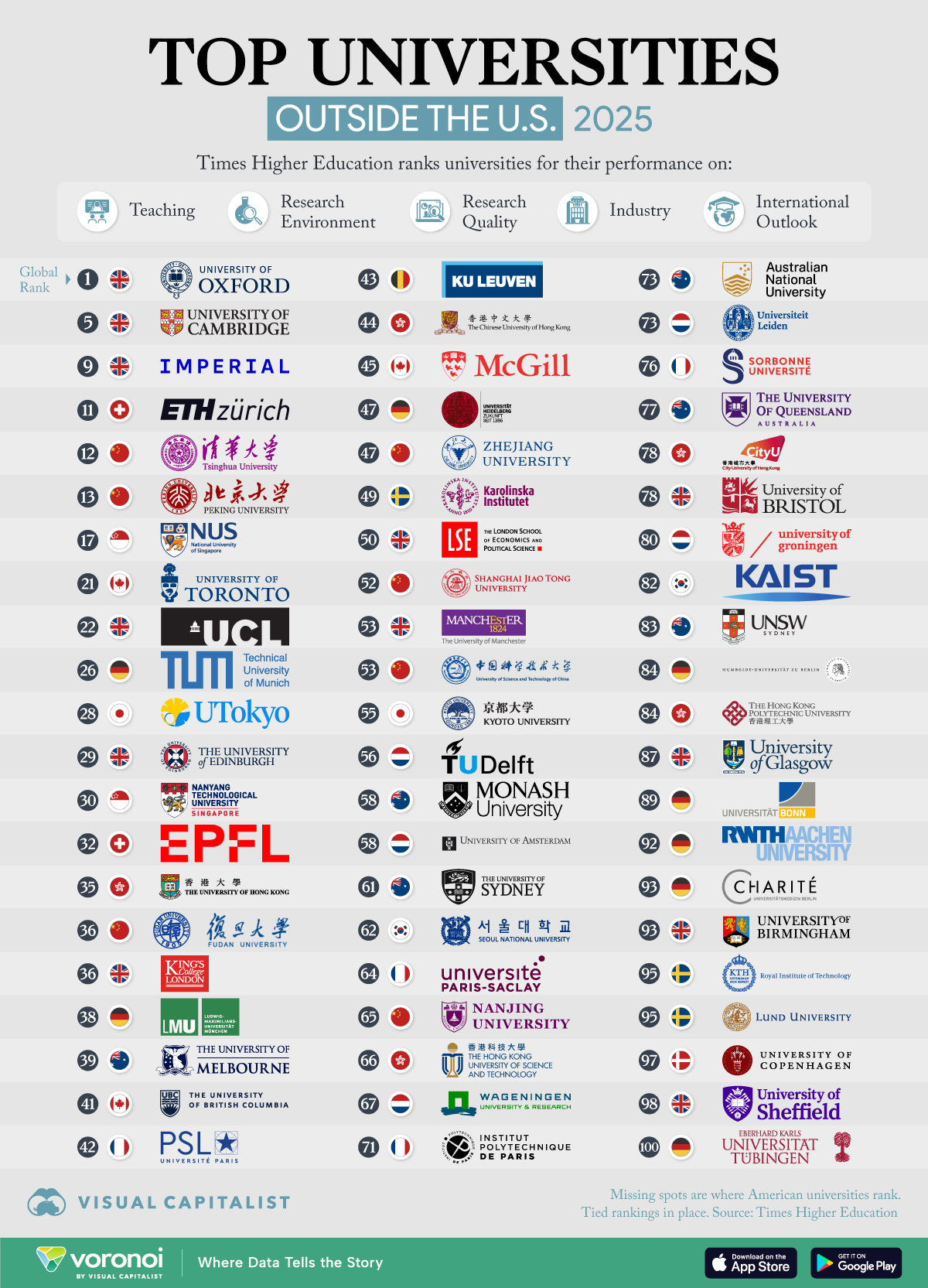
This article delves into the fascinating world of university branding, exploring how the most esteemed academic institutions cultivate, manage, and project their identities to maintain their elite status. We will examine the core components of a university’s brand, the strategies employed to enhance its appeal, and the profound impact of these branding efforts on everything from student recruitment to research funding and global influence.
The University as a Global Brand Entity
In the 21st century, a university’s identity extends far beyond its lecture halls and laboratories. It encompasses a complex interplay of perceptions, values, and experiences that collectively form a powerful brand. The “top” universities have mastered the art of defining and communicating this brand, transforming themselves into aspirational emblems of intellectual pursuit and professional success.
Defining “Top” Beyond Academics: The Brand Lens
While traditional university rankings often emphasize metrics like research citations, faculty-student ratio, and academic reputation surveys, these indicators are, at their heart, reflections of brand strength. A university with high academic reputation scores isn’t just known for good teaching; it’s a brand that has successfully conveyed its commitment to excellence, innovation, and intellectual rigor. The perceived quality of a university’s alumni network, for instance, is a powerful brand asset, signaling future opportunities and a valuable professional affiliation. Similarly, the impact of its research contributes to its brand as a leader in discovery, attracting further funding and talent. From this perspective, being “top” means possessing a brand that is widely recognized, respected, and highly desired by its target audiences – prospective students, faculty, researchers, donors, and industry partners.
The Power of Legacy and Prestige in Brand Building
Many of the world’s most “top” universities boast centuries of history, a profound advantage in brand building. This rich legacy provides an inherent sense of prestige, tradition, and gravitas that newer institutions struggle to replicate. The storied past of institutions like Oxford, Cambridge, Harvard, or Yale isn’t just a historical footnote; it’s a cornerstone of their brand identity. It evokes a sense of continuity, proven excellence, and a connection to transformative intellectual movements. This historical narrative is actively woven into their corporate identity through architecture, ceremonial traditions, and the celebration of distinguished alumni. This brand equity, built over generations, creates a powerful aspirational pull, making these universities symbols of enduring quality and intellectual heritage. Students and faculty are not just joining an institution; they are becoming part of a historical lineage.
Market Position and Competitive Advantage in Higher Education
The global higher education landscape is intensely competitive. Universities vie for limited resources: the brightest students, world-class faculty, research grants, and philanthropic donations. In this environment, a clear and compelling brand strategy is crucial for establishing a strong market position and competitive advantage. Top universities differentiate themselves not just through specific academic programs, but through their overall brand proposition. Some might emphasize innovation and entrepreneurship, others a liberal arts tradition, and yet others a focus on global engagement or social impact. Their brand defines their niche and helps them stand out in a crowded market. This strategic positioning allows them to attract candidates who align with their specific values and offerings, thereby reinforcing their unique identity and strengths.
Crafting and Maintaining a University’s Brand Identity
A university’s brand identity is a multifaceted construct, meticulously designed and consistently communicated to resonate with its diverse stakeholders. It’s about more than just a logo; it’s about the very soul and promise of the institution.
Core Brand Elements: Mission, Vision, and Values
At the heart of any strong university brand are its mission, vision, and values. These foundational statements articulate the institution’s purpose, its aspirations for the future, and the guiding principles that underpin all its activities. For top universities, these elements are not mere platitudes; they are living documents that inform strategic decisions, academic programs, research initiatives, and community engagement. For example, a university with a mission focused on “advancing knowledge and educating future leaders” will shape its curriculum, faculty recruitment, and external communications to consistently reflect this core purpose. These foundational statements provide a coherent narrative that anchors the university’s brand and provides a clear identity for all who interact with it.
Visual and Experiential Branding: The Embodiment of Identity
The visual and experiential aspects of a university’s brand are powerful communicators of its identity. The crest, logo, and official colors are instant identifiers, but the branding extends much deeper. The architectural style of the campus, the landscaping, the design of marketing materials, the online presence, and even the “feel” of student life all contribute to the experiential brand. Think of the distinctive gothic spires of an Ivy League campus, the modern minimalist aesthetic of a tech-focused university, or the vibrant urban energy of a metropolitan institution. These visual and environmental cues reinforce the brand’s personality. Similarly, campus traditions, student organizations, and the overall student experience are carefully curated to align with and amplify the university’s core brand values, creating memorable experiences that foster deep loyalty and a sense of belonging.
Strategic Communications and Storytelling

Even the most brilliant research or innovative teaching methods will go unnoticed without effective communication. Top universities invest heavily in strategic communications and storytelling to broadcast their achievements, share their impact, and articulate their unique value proposition. This involves sophisticated public relations, digital marketing campaigns across social media and university websites, targeted recruitment materials, and comprehensive alumni engagement programs. These efforts highlight groundbreaking research, celebrate successful alumni, showcase student achievements, and convey the university’s commitment to addressing global challenges. By consistently telling compelling stories that resonate with their brand identity, universities build and sustain their reputation, influencing public perception and attracting new talent and resources.
Measuring Brand Impact: Rankings, Reputation, and Recruitment
The ultimate measure of a university’s brand strength lies in its impact – its ability to attract, influence, and generate value. This impact is quantifiable in various ways, from global rankings to the caliber of its intake and the success of its alumni.
University Rankings as Brand Barometers
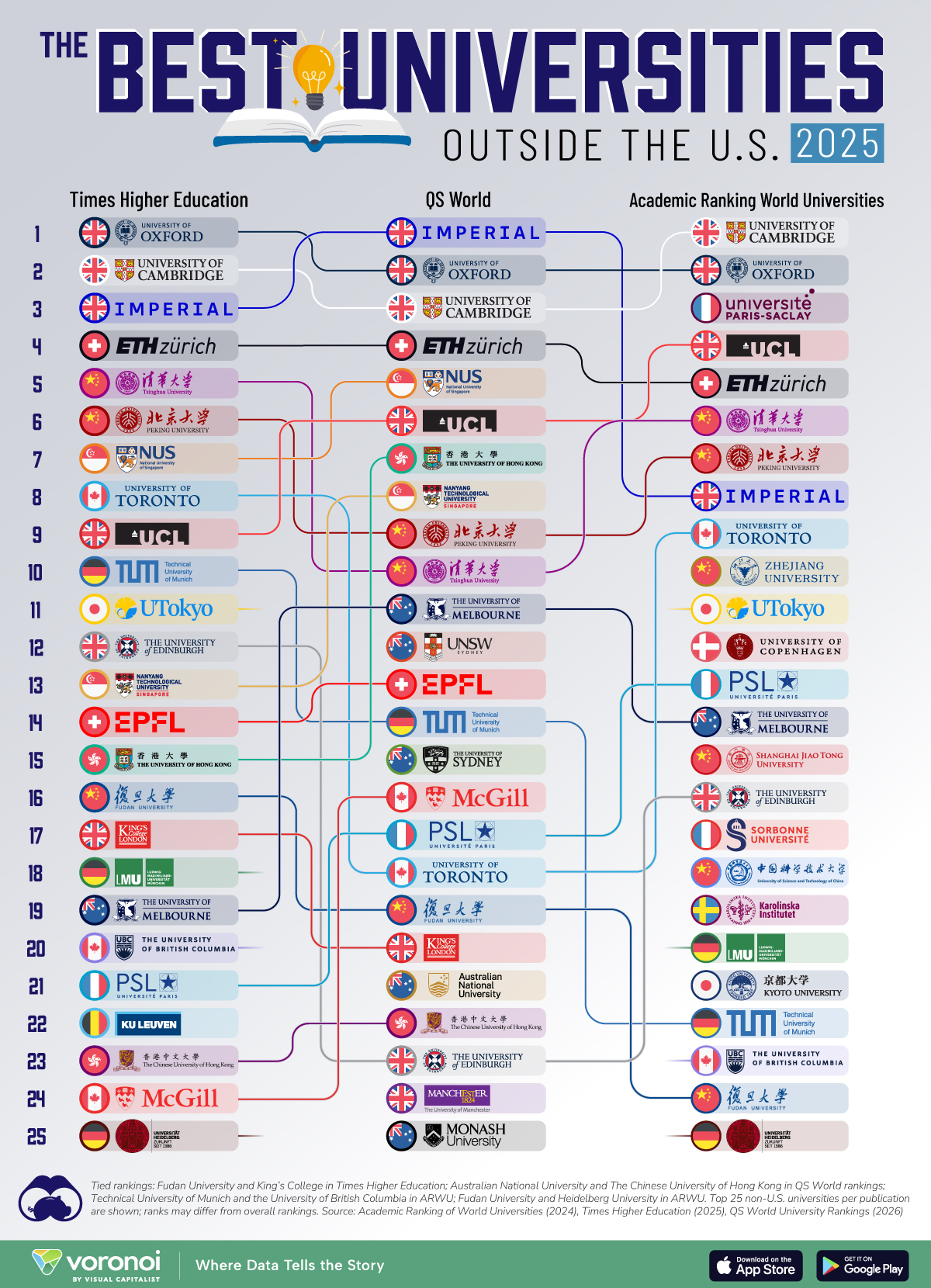
Global university rankings (such as QS World University Rankings, Times Higher Education World University Rankings, and the Academic Ranking of World Universities) are arguably the most visible and influential barometers of a university’s brand. While their methodologies are often debated, their psychological impact is undeniable. A rise in rankings can significantly boost a university’s perceived prestige, attracting more applications from high-achieving students and enhancing its appeal to top faculty. Conversely, a drop can trigger concern. These rankings act as a powerful form of third-party validation, translating a university’s internal strengths into an external metric of its global brand standing. They are not just academic assessments; they are comprehensive brand reports that shape perceptions worldwide.
Alumni Networks as Brand Ambassadors
A strong, engaged alumni network is one of a university’s most valuable and enduring brand assets. Graduates are living testaments to the institution’s quality and impact. Successful alumni serve as powerful brand ambassadors, elevating the university’s reputation through their achievements in various fields. Beyond prestige, alumni networks offer invaluable practical benefits: mentorship for current students, career opportunities, fundraising support, and advocacy. Their collective voice and continued engagement reinforce the university’s brand in professional circles and society at large, demonstrating the long-term return on investment of a university education and fostering a sense of community that extends far beyond graduation.
Attracting Talent: Students, Faculty, and Researchers
Ultimately, the strength of a university’s brand is best reflected in its ability to attract and retain top talent. For students, a strong brand signals academic excellence, career prospects, and a vibrant learning environment. For faculty and researchers, it promises cutting-edge facilities, collaborative opportunities, and the prestige associated with working at a renowned institution. Top universities leverage their brand to create a virtuous cycle: attracting the best talent leads to further academic and research achievements, which in turn enhance the brand, drawing even more talent. This continuous influx of high-caliber individuals is critical for maintaining a university’s position at the forefront of global education and research.
Challenges and Future of University Branding
The landscape of higher education is constantly evolving, presenting new challenges and opportunities for university branding. Institutions must remain agile and innovative to sustain their competitive edge and ensure their long-term relevance.
Navigating a Shifting Educational Landscape
The rise of online learning, hybrid models, micro-credentials, and a globalized student body necessitates a rethinking of traditional university branding. Universities must adapt their brand strategies to reach diverse audiences in new ways, offering flexible educational pathways without diluting their core identity. The demand for specific skills over general degrees is also impacting how universities position their programs and communicate their value proposition. Brands must project both stability and adaptability, signaling a commitment to timeless academic values while embracing modern pedagogical approaches and technological advancements.
Reputation Management in the Digital Age
In an era of instant communication and social media, reputation management has become a critical component of university branding. A single viral incident, positive or negative, can significantly impact public perception. Top universities must proactively manage their online presence, engage constructively with social media, and have robust crisis communication plans in place. Transparency, authenticity, and responsiveness are paramount in maintaining a trusted and respected brand image. The digital realm offers unprecedented opportunities for direct engagement and storytelling, but it also demands constant vigilance in protecting the university’s brand integrity.
Differentiation in a Crowded Market
As more institutions strive for global recognition, the challenge of differentiation intensifies. Many universities offer similar academic programs and boast impressive research outputs. To truly stand out, universities must articulate a unique selling proposition that goes beyond generic claims of excellence. This might involve specializing in niche research areas, fostering a distinctive campus culture, emphasizing unique experiential learning opportunities, or committing to specific societal impact goals. Strategic design, compelling marketing narratives, and a deep understanding of target audience needs are essential for carving out a distinct and memorable brand identity in an increasingly crowded global market.
Conclusion
The question “what are the top universities?” reveals far more than a simple academic query; it underscores the intricate relationship between educational excellence and sophisticated brand management. The institutions that consistently appear at the apex of global rankings are not merely academic powerhouses; they are master practitioners of brand strategy, corporate identity, and compelling marketing. They leverage their legacy, cultivate unique experiences, strategically communicate their achievements, and assiduously manage their reputation to create powerful, aspirational brands. In an evolving educational landscape, the continued success of these top universities will depend not only on their commitment to advancing knowledge and educating future leaders but also on their ability to adapt and innovate their brand strategies, ensuring their enduring relevance and appeal in a highly competitive world.
aViewFromTheCave is a participant in the Amazon Services LLC Associates Program, an affiliate advertising program designed to provide a means for sites to earn advertising fees by advertising and linking to Amazon.com. Amazon, the Amazon logo, AmazonSupply, and the AmazonSupply logo are trademarks of Amazon.com, Inc. or its affiliates. As an Amazon Associate we earn affiliate commissions from qualifying purchases.