
In the ever-evolving world of technology, branding, and finance, we often encounter symbols that go beyond the standard alphabet and numerals. These are the “special characters” – a diverse group of symbols that, while sometimes overlooked, play a crucial role in communication, security, and even creative expression across our digital lives. From the ubiquitous “@” in your email address to the powerful “#” that organizes online conversations, understanding what constitutes a special character and its significance is becoming increasingly important in navigating the modern digital landscape.

This article delves into the multifaceted world of special characters, exploring their definition, their impact across technology, branding, and finance, and the essential reasons why mastering their usage is no longer a niche skill but a fundamental aspect of digital literacy.
The Building Blocks of Digital Expression: Understanding Special Characters
At its core, a “special character” is any character that is not a letter (a-z, A-Z) or a digit (0-9). This broad definition encompasses a vast array of symbols, punctuation marks, mathematical operators, and even emojis, each with its own unique function and meaning.
Historically, the concept of special characters emerged with the development of early computing and telecommunications. The need to represent a wider range of information and commands beyond simple text led to the inclusion of these symbols in character sets like ASCII (American Standard Code for Information Interchange). As technology advanced, so did the complexity and variety of special characters, with the Unicode standard now accommodating thousands of characters from various languages and disciplines.
Beyond the Alphabet: Categorizing the Diverse World of Special Characters
While a definitive, universally agreed-upon categorization can be elusive due to the sheer breadth of special characters, we can broadly group them based on their common usage and origin:
Punctuation and Symbols of Communication
This is perhaps the most familiar category for most users. These characters are integral to structuring written language, conveying tone, and clarifying meaning.
- Punctuation Marks: Commas (,), periods (.), question marks (?), exclamation points (!), colons (:), semicolons (;), apostrophes (‘), quotation marks (“”), and dashes (-) are fundamental for grammatical correctness and readability.
- Enclosing Punctuation: Parentheses (()), brackets ([]), and braces ({}) are used to group information, denote alternatives, or highlight specific elements.
- Diacritical Marks: Accents (é, à, ü), umlauts, and tildes (ñ) are crucial for correctly representing words in languages other than English.
- Currency Symbols: The dollar sign ($), pound sterling symbol (£), euro symbol (€), and yen symbol (¥) are immediately recognizable and essential for financial transactions and discussions.
- Mathematical and Logical Operators: Plus (+), minus (-), multiplication (*), division (/), equals (=), greater than (>), less than (<), and their variations are the bedrock of calculations and programming.
- Other Common Symbols: The ampersand (&), the at symbol (@), the percent sign (%), and the pound/hash symbol (#) have all carved out significant roles in modern digital communication.
The Digital Utility Belt: Special Characters in Technology
In the realm of technology, special characters often serve a more functional purpose, acting as commands, delimiters, or indicators within software, programming languages, and digital platforms.
- Programming and Scripting: Characters like asterisks (*), slashes (/), backslashes (), underscores (_), colons (:), semicolons (;), and various bracket types are critical for defining syntax, variables, functions, and control structures in code. For instance, a semicolon often marks the end of a statement in languages like C++ or Java, while an asterisk can denote a pointer or wildcard.
- File Paths and URLs: Forward slashes (/) are used to separate directories in web addresses and file paths on Unix-like systems, while backslashes () serve a similar purpose on Windows.
- Regular Expressions: A powerful tool for pattern matching in text, regular expressions heavily rely on special characters like periods (.), asterisks (*), plus signs (+), question marks (?), and various bracket types to define complex search patterns.
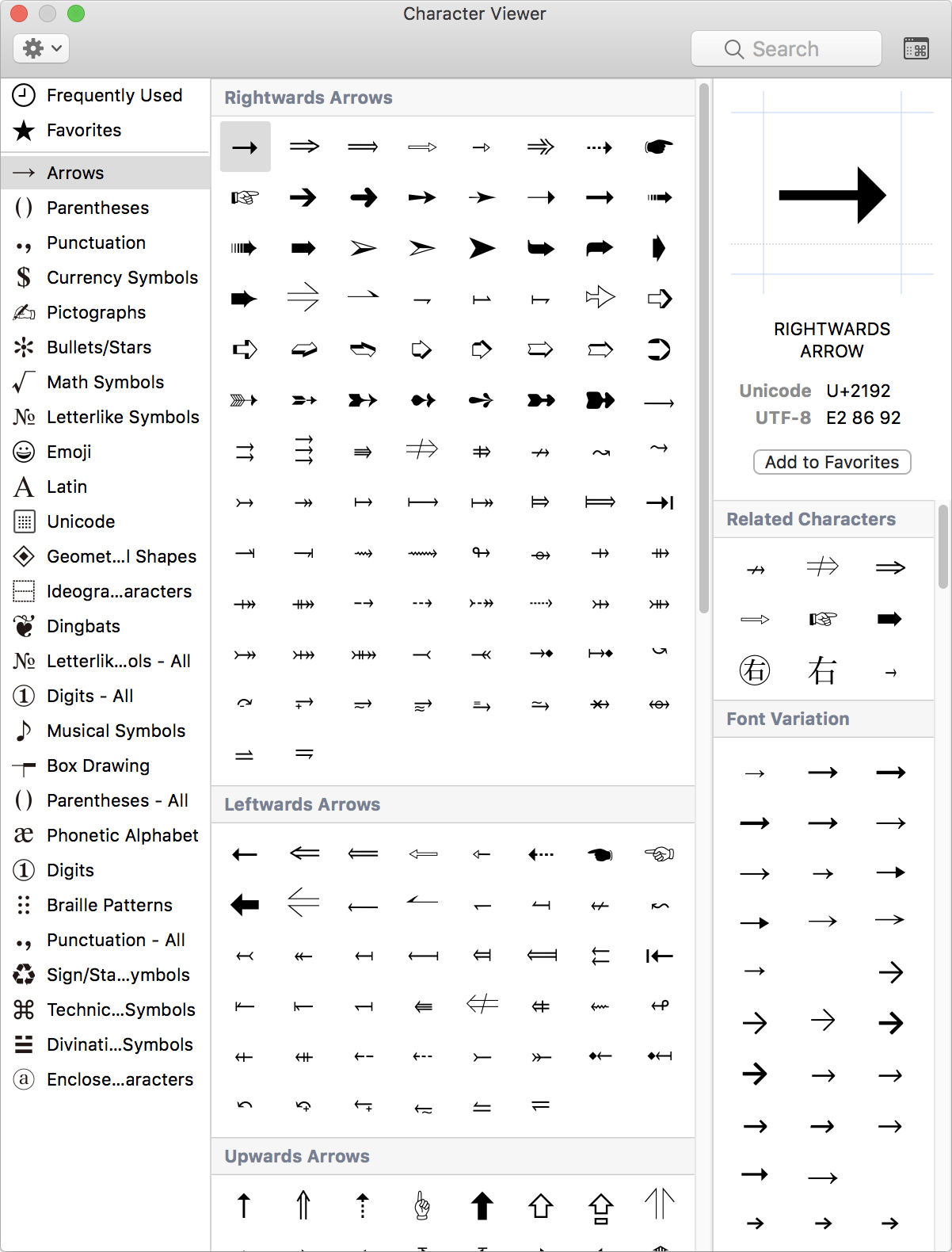
- User Interface Elements: Symbols like arrows (→, ←), checkboxes (☐, ☑), radio buttons (○, ●), and loading spinners (⟳) are used to enhance user experience and guide interaction.
- Emojis and Emoticons: These visual representations of emotions, objects, and concepts ( , , , ) have become a fundamental part of online communication, adding nuance and personality to text-based interactions.
Branding and Marketing: The Power of Visual Identity
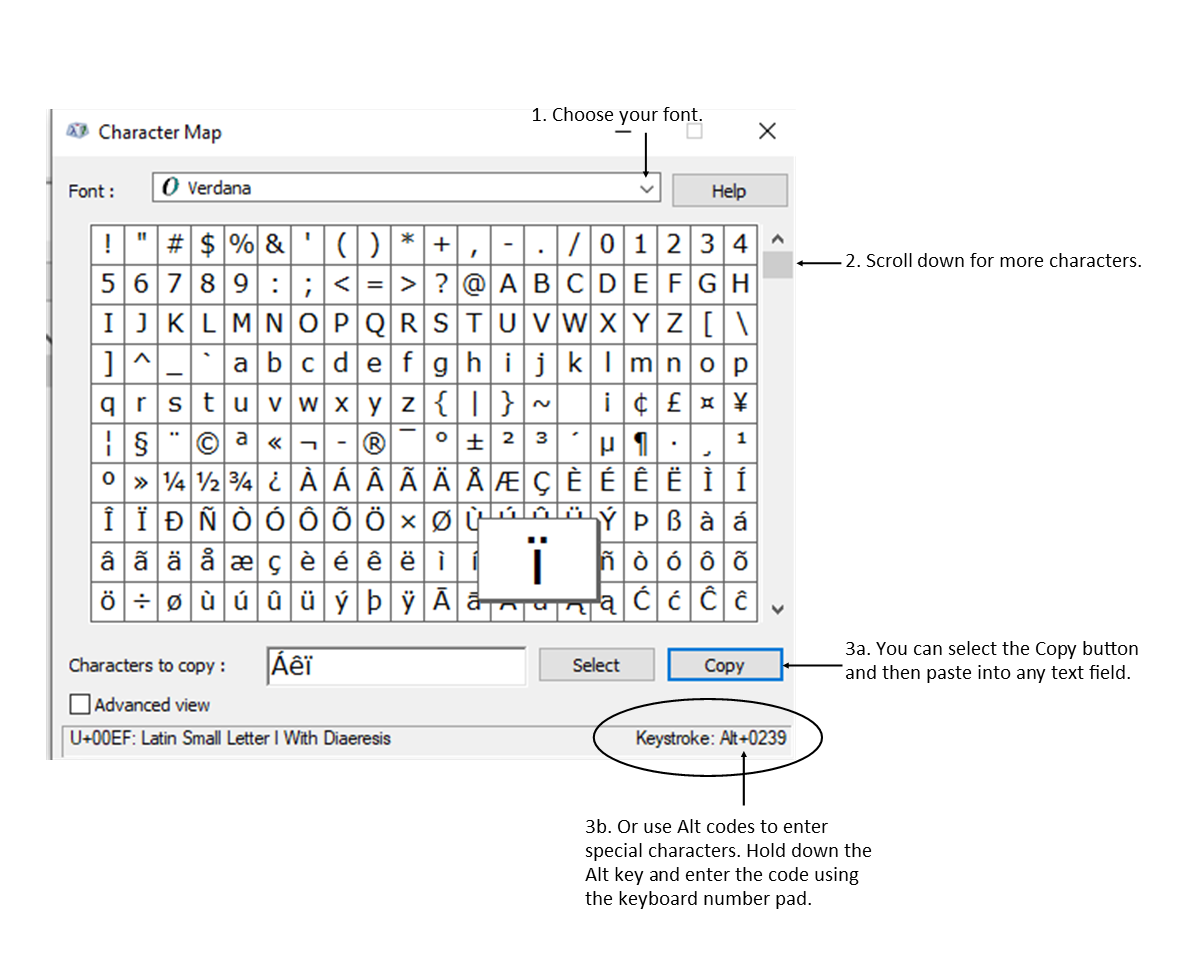
In the world of branding and marketing, special characters can transcend mere utility to become integral elements of a brand’s visual identity and communication strategy.
- Logos and Wordmarks: Many brands incorporate unique symbols or stylized versions of special characters into their logos to create a memorable and distinctive visual. Think of the Nike swoosh, the Apple logo, or the distinctive stylized “M” of McDonald’s – while not all are technically “special characters” in the alphanumeric sense, the principle of unique symbolic representation applies. However, actual special characters can be used creatively. For example, a stylized ampersand might form the core of a partnership-focused brand, or a unique punctuation mark could underscore a brand’s attention to detail.
- Taglines and Slogans: The judicious use of punctuation, like exclamation points for excitement or question marks for curiosity, can significantly impact the tone and memorability of a tagline.
- Social Media Hashtags (#): The hashtag has revolutionized online discourse, serving as a powerful tool for categorizing content, discovering trends, and building communities. Its ability to group conversations around specific topics makes it indispensable for marketing and public relations.
- The “@” Symbol for Mentions: Essential for social media, the “@” symbol allows users to directly address or tag other users, fostering engagement and direct communication.
Finance and Business: Precision and Efficiency
Special characters are indispensable in the financial and business world, where precision, clarity, and efficiency are paramount.
- Currency and Percentage: As mentioned earlier, currency symbols are vital for all financial dealings. The percentage sign (%) is equally crucial for expressing proportions, discounts, and growth rates.
- Mathematical Operations: The ability to perform calculations using +, -, *, / is fundamental to accounting, budgeting, and financial analysis.
- Financial Software and Tools: Many financial platforms and spreadsheets utilize a range of special characters for formulas, functions, and data manipulation. For example, the dollar sign ($) is often used to denote absolute cell references in spreadsheets, ensuring a formula always refers to a specific cell regardless of where the formula is copied.
- Legal and Contractual Language: Certain punctuation marks, like hyphens and parentheses, can have significant legal implications when used in contracts and agreements.
- Online Income and Side Hustles: Understanding how to use symbols like the dollar sign ($) when setting prices or the percentage sign (%) when calculating commissions is crucial for individuals pursuing online income streams and side hustles.
The Significance of Special Characters in Our Digital Lives
The ubiquitous nature of special characters means they are not mere decorative elements; they are functional tools that enhance communication, ensure security, and enable complex operations.
Enhancing Clarity and Precision in Communication
- Grammatical Correctness: Punctuation marks are the backbone of clear and coherent writing. Incorrect usage can lead to ambiguity, misinterpretation, and a loss of credibility.
- Conveying Nuance and Emotion: Emoticons and emojis have become a shorthand for expressing emotions in digital communication, bridging the gap left by the absence of body language and vocal tone.
- Structuring Information: Enclosing punctuation and symbols like colons help organize complex ideas and present information in a digestible format, especially in technical documentation or online tutorials.
The Crucial Role in Digital Security
- Password Strength: In the realm of digital security, the inclusion of special characters is a cornerstone of strong password creation. Passwords that utilize a mix of uppercase and lowercase letters, numbers, and special characters are significantly harder for brute-force attacks to crack. This is because the potential combinations increase exponentially with each additional character type. Websites and online services often enforce password policies that require the use of at least one special character to bolster user security.
- Data Encryption and Encoding: Various special characters are used in algorithms for data encryption and encoding, transforming sensitive information into an unreadable format that can only be deciphered with the correct key.
Enabling Complex Operations and Creativity
- Programming and Automation: Without special characters, the intricate logic of software, the automation of tasks, and the development of AI tools would be impossible. They are the syntax that allows machines to understand and execute commands.
- Data Analysis and Visualization: In fields like finance and data science, special characters are essential for performing complex calculations, manipulating data sets, and creating insightful visualizations that drive decision-making.
- Digital Art and Design: Artists and designers leverage the vast library of Unicode characters, including a multitude of special symbols and dingbats, to create unique visual experiences, from intricate illustrations to engaging web design elements.
Mastering the Art of Special Characters: A Skill for the Modern Age
In conclusion, the seemingly simple act of using a comma, a hashtag, or an asterisk is part of a much larger and more impactful ecosystem of special characters. They are the unsung heroes of our digital interactions, quietly enabling everything from sending an email to securing our financial accounts, and building powerful brands.
Whether you are a budding entrepreneur looking to craft a compelling brand identity, a tech enthusiast exploring the latest AI tools, or an individual managing your personal finances, understanding and effectively utilizing special characters is no longer a choice but a necessity. By mastering these enigmatic symbols, you unlock a deeper level of digital fluency, enhancing your communication, bolstering your security, and ultimately, empowering yourself in the ever-expanding digital frontier.