
The sun, our life-giving star, is a colossal powerhouse of energy, constantly engaged in dynamic and often dramatic events. Among the most spectacular of these are solar flares – sudden, intense bursts of radiation emanating from the sun’s surface. While we often associate the sun with warmth and light, these flares are a potent reminder of its raw power and have far-reaching implications, especially in our increasingly interconnected and technology-dependent society. Understanding what solar flares are, how they occur, and their potential impacts is no longer just a scientific curiosity; it’s becoming crucial for safeguarding our digital infrastructure and our very way of life.
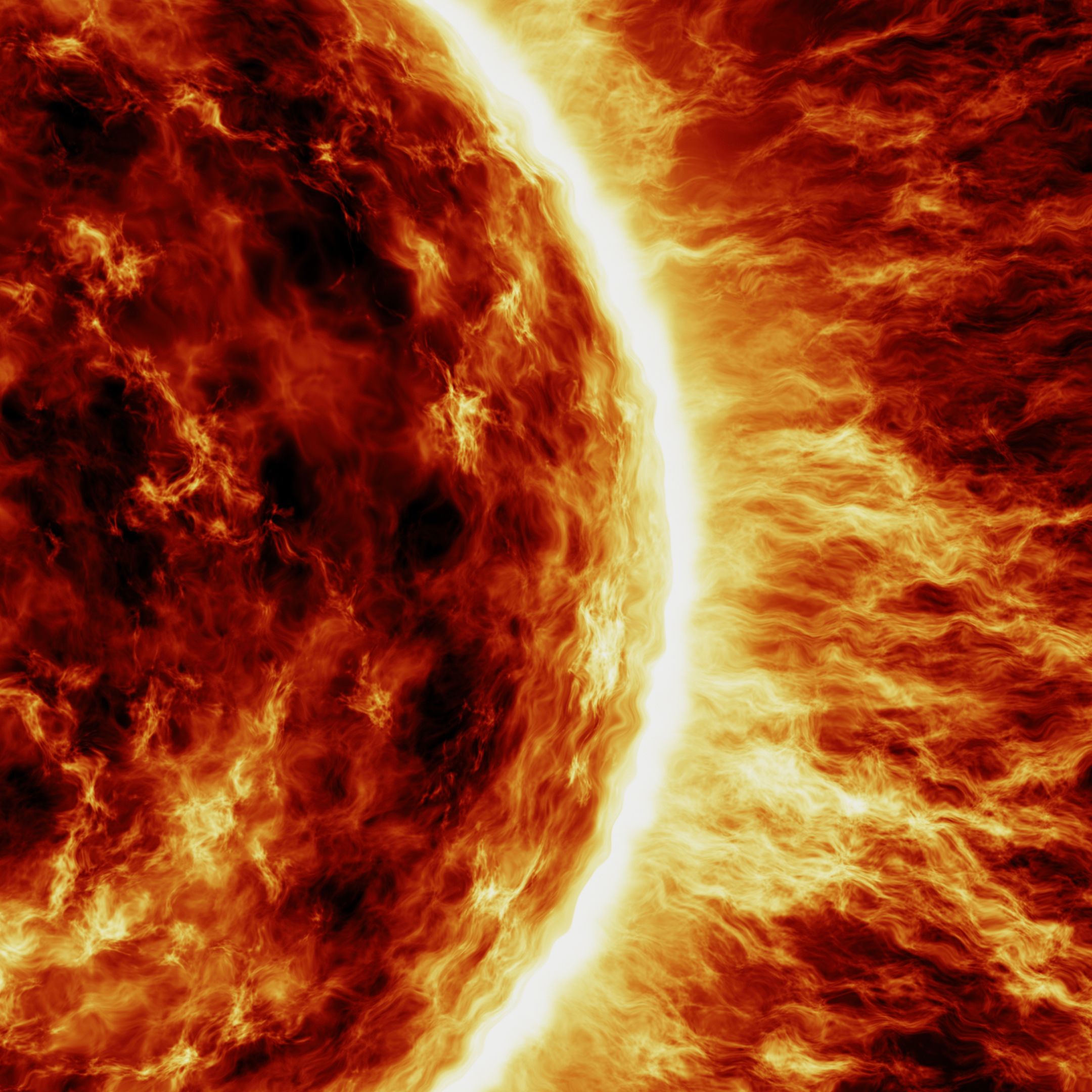
The Sun’s Fiery Temperament: Understanding Solar Flares
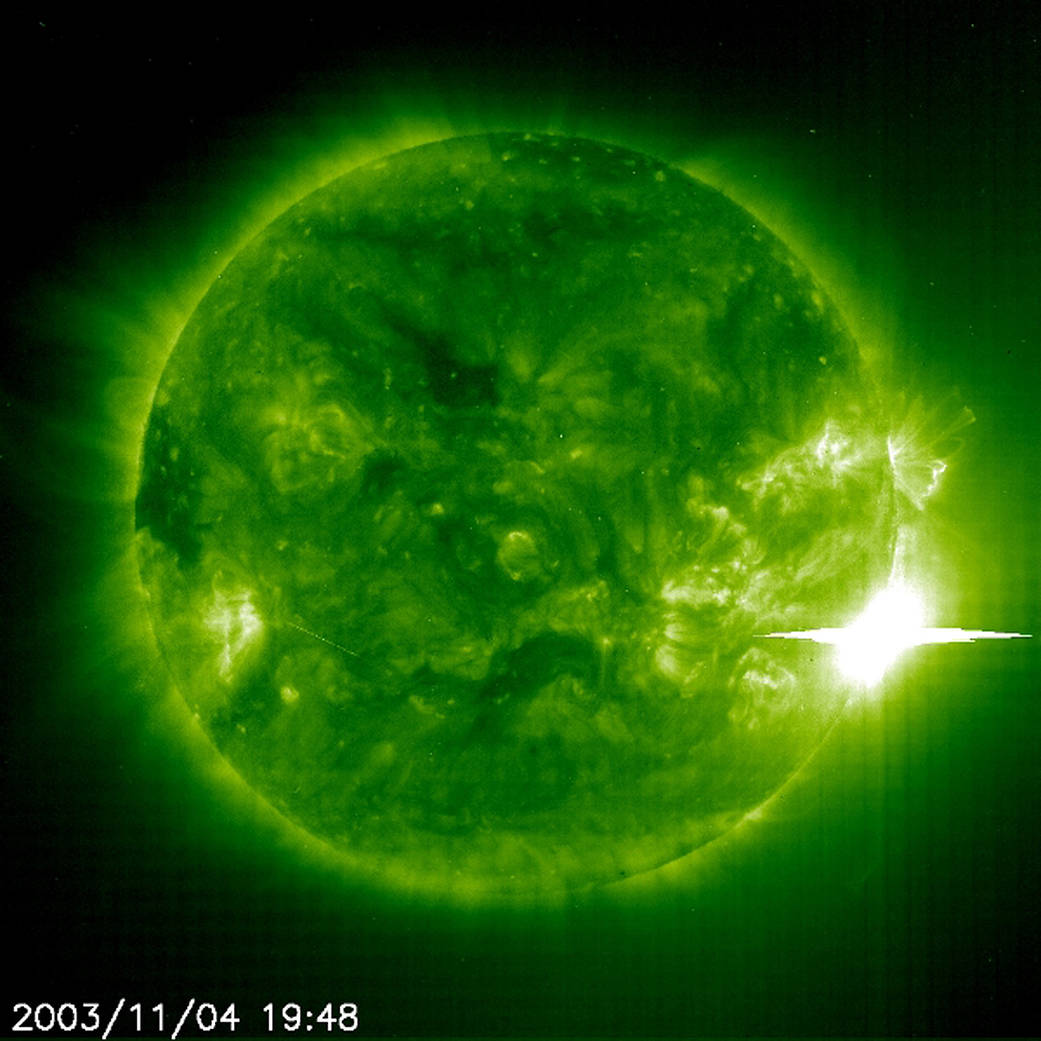
At its core, a solar flare is a rapid and energetic release of electromagnetic radiation from the sun’s atmosphere. Imagine a colossal magnetic explosion, occurring in regions where magnetic field lines become intensely tangled and stressed. These magnetic fields, generated by the churning plasma within the sun, can store vast amounts of energy. When these fields suddenly reconfigure, snapping and reconnecting, they unleash this stored energy in a blinding flash of light and a torrent of energetic particles.
The Mechanics of a Solar Flare: Magnetic Reconnection and Energy Release
The underlying mechanism for solar flares is a process known as magnetic reconnection. The sun’s interior is a tempestuous sea of charged particles, or plasma, that generates powerful magnetic fields. These fields extend outwards into the sun’s atmosphere, the corona, creating complex and often unstable structures. Think of these magnetic field lines like tightly wound rubber bands. When these “rubber bands” become twisted and stressed beyond their limit, they can snap and rearrange themselves into a simpler, lower-energy configuration. This sudden release of stored magnetic energy is what fuels a solar flare.
The energy released during a solar flare can manifest in several forms:
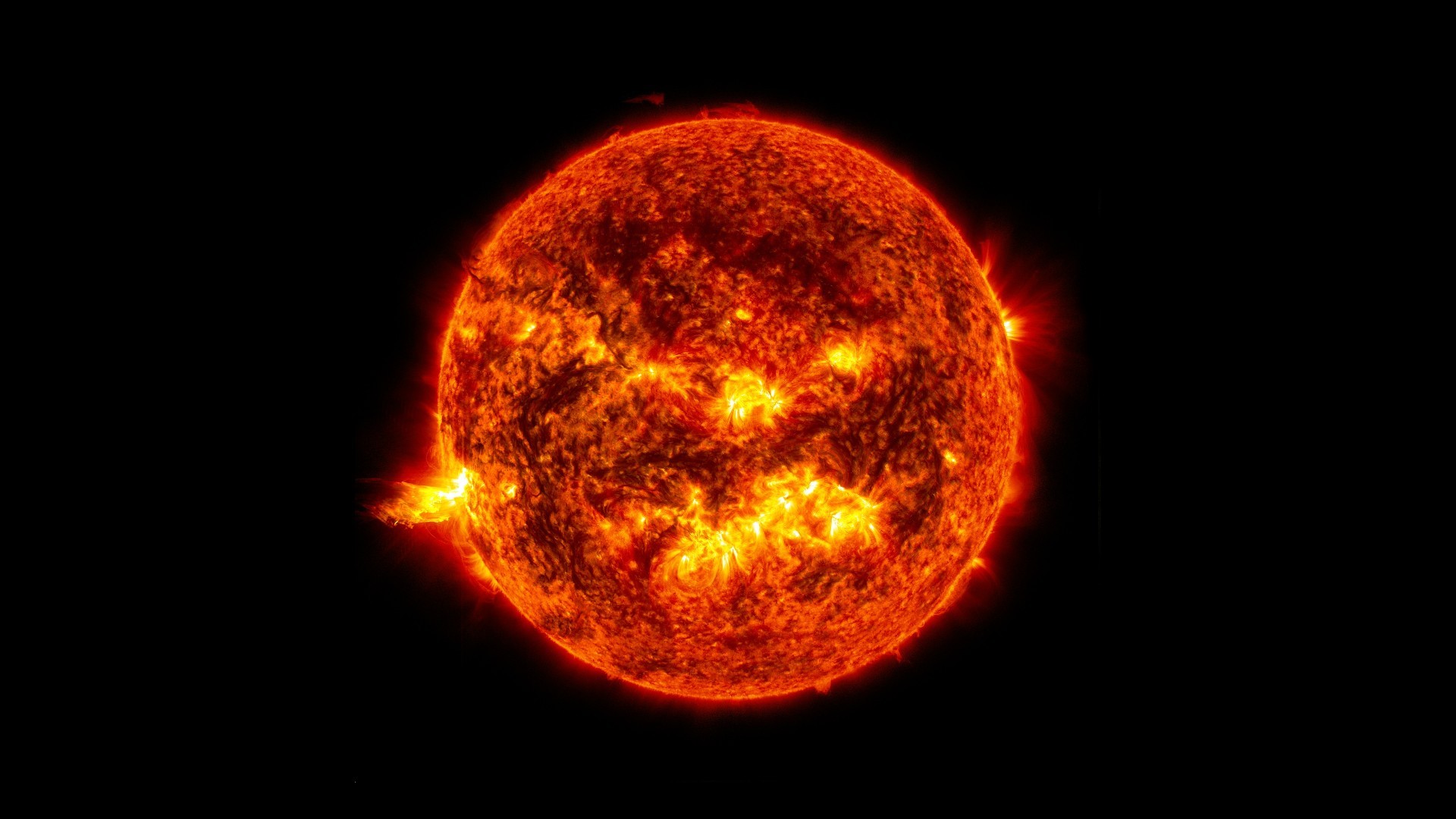
- Electromagnetic Radiation: This is the most immediate and visible aspect of a flare. It spans the entire electromagnetic spectrum, from radio waves to visible light, ultraviolet (UV) rays, X-rays, and even gamma rays. The intensity of this radiation can be immense, reaching Earth in just over eight minutes.
- Energetic Particles: Alongside the radiation, flares can also accelerate charged particles – protons and electrons – to near the speed of light. These particles, known as solar energetic particles (SEPs), can travel through space and reach Earth days after the initial flare.
- Coronal Mass Ejections (CMEs): While not always associated with every flare, powerful flares are often accompanied by Coronal Mass Ejections. These are colossal eruptions of plasma and magnetic field from the sun’s corona. CMEs are essentially massive clouds of charged particles that can travel across millions of miles of space. If Earth is in the path of a CME, the consequences can be particularly significant.
The intensity of solar flares is categorized using a simple letter system: A, B, C, M, and X, with X-class flares being the most powerful. Each class is ten times more powerful than the preceding one, meaning an X-class flare is 100 times more powerful than a C-class flare. Within each class, there’s also a numerical scale from 1 to 9 (e.g., X1.0, X2.0, etc.). Flares are also often associated with sunspots, the temporary cooler and darker regions on the sun’s surface caused by intense magnetic activity.
The Ripple Effect: How Solar Flares Impact Our Technological Infrastructure
For centuries, solar flares were primarily a concern for astronomers and a beautiful, albeit distant, celestial phenomenon. However, in our modern era, where so much of our lives is mediated by technology, these solar outbursts have become a significant threat. The very systems that power our communication, navigation, energy grids, and even financial markets are vulnerable to the effects of solar activity.
Disruptions to Communication and Navigation Systems
One of the most immediate impacts of strong solar flares is on radio communications. The intense burst of X-rays and UV radiation can ionize the Earth’s upper atmosphere (the ionosphere). This ionization can absorb or scatter radio waves, leading to disruptions in shortwave radio communications, a vital tool for long-distance broadcasting, amateur radio operators, and even some military communications.
Furthermore, the energetic particles from solar flares can interfere with satellite operations. Satellites rely on precise electronic systems, and the bombardment of high-energy particles can cause “single-event upsets” (SEUs), which are temporary glitches or permanent damage to electronic components. This can lead to data corruption, memory errors, and even the complete failure of satellite systems. For GPS (Global Positioning System) and other satellite-based navigation systems, this interference can translate into inaccurate positioning, which has serious implications for everything from aviation and shipping to precision agriculture and personal navigation.
Threats to Power Grids and Electrical Infrastructure
Perhaps the most concerning impact of severe solar activity, particularly from CMEs, is the potential to disrupt our terrestrial power grids. When a CME’s magnetic field interacts with Earth’s magnetic field, it can induce powerful electrical currents in long, conductive structures like power lines. These induced currents, known as geomagnetically induced currents (GICs), can overload transformers and other critical components of the electrical grid, potentially leading to widespread power outages. The “Great Geomagnetic Storm of 1989,” which caused a blackout in Quebec, Canada, affecting millions of people for hours, serves as a stark reminder of this vulnerability. Such an event today, with our even greater reliance on electricity, could have catastrophic consequences.
Implications for Digital Security and Data Integrity
In the realm of digital security, solar flares pose a more subtle but equally insidious threat. The radiation and energetic particles can affect sensitive electronic equipment used in data centers and computing infrastructure. This can lead to data corruption, memory errors, and potentially even the loss of critical data. While redundant systems and advanced error correction codes are in place, a sufficiently powerful solar event could overwhelm these defenses. Moreover, the disruption of communication networks caused by flares can also hinder the timely dissemination of security updates or the ability to respond to cyberattacks, creating a window of vulnerability.
Navigating the Solar Storm: Mitigation and Preparedness
While the prospect of a severe solar storm can seem daunting, it’s important to recognize that scientists are continuously monitoring the sun and developing strategies to mitigate the risks. Understanding the sun’s behavior and its potential impact on our technology is the first step towards effective preparedness.
Space Weather Forecasting: A Crucial Early Warning System
The field of space weather forecasting has made significant strides in recent decades. Agencies like the National Oceanic and Atmospheric Administration (NOAA) Space Weather Prediction Center (SWPC) in the United States, and similar organizations globally, constantly monitor the sun’s activity using a network of ground-based observatories and space-based satellites. These satellites, such as the Solar Dynamics Observatory (SDO) and the Parker Solar Probe, provide real-time data on solar flares, CMEs, and other solar phenomena.
This data allows forecasters to issue watches and warnings, providing crucial lead times for affected industries. For example, power grid operators can take steps to manage load and protect their equipment, satellite operators can put their spacecraft into safe modes, and airlines can reroute flights away from polar regions, which are more susceptible to radiation. The accuracy and timeliness of these forecasts are paramount to minimizing the disruptive potential of solar activity.
Technological Resilience and Investment in Protection
Beyond forecasting, technological solutions are being developed and implemented to enhance the resilience of our critical infrastructure. For power grids, this includes the deployment of devices that can detect and mitigate GICs, as well as hardening of transformers and other vulnerable components. For satellites, designers are incorporating more radiation-hardened electronics and implementing improved error detection and correction algorithms.
The financial sector, with its reliance on instantaneous data transfer and secure transactions, is also investing in robust backup systems and redundant communication channels to withstand potential disruptions. Similarly, in the realm of digital security, organizations are encouraged to maintain offline backups of critical data and to ensure that their cybersecurity protocols can function even under degraded network conditions. This proactive approach to building resilience is essential in a world where the sun’s unpredictable outbursts can have very real, tangible consequences for our digital lives and economic stability.
The Long-Term Perspective: Investing in our Solar Future
Ultimately, understanding solar flares is not just about reacting to immediate threats. It’s about a long-term perspective on our place within the solar system and the delicate balance of forces that govern our planet. As our reliance on technology continues to grow, so too does our vulnerability to natural phenomena like solar flares. Investing in space weather research, improving our forecasting capabilities, and building more resilient technological systems are not just scientific endeavors; they are investments in the continued stability and progress of our modern, interconnected world. The sun, the source of all life, also reminds us of its immense power, urging us to be prepared for the occasional celestial storm.
aViewFromTheCave is a participant in the Amazon Services LLC Associates Program, an affiliate advertising program designed to provide a means for sites to earn advertising fees by advertising and linking to Amazon.com. Amazon, the Amazon logo, AmazonSupply, and the AmazonSupply logo are trademarks of Amazon.com, Inc. or its affiliates. As an Amazon Associate we earn affiliate commissions from qualifying purchases.