
In a world increasingly aware of its environmental footprint and the finite nature of fossil fuels, the search for sustainable and reliable energy sources has never been more critical. Among the frontrunners in this green revolution stands wind energy. Once a niche technology, wind power has rapidly evolved into a major player in the global energy landscape, offering a compelling suite of advantages that extend far beyond simply generating electricity. This article delves into the multifaceted positives of wind energy, exploring its environmental, economic, and technological boons, and how these align with the core tenets of innovation, strategic growth, and sound financial planning.

Wind energy harnesses the kinetic power of the wind to drive turbines, which in turn generate electricity. This seemingly simple process belies a sophisticated technological ecosystem, a growing industry ripe for strategic development, and a significant contributor to economic prosperity. As we navigate the complexities of the modern world, understanding the advantages of wind energy is paramount for individuals, businesses, and policymakers alike.
The Environmental Imperative: A Breath of Fresh Air for the Planet
Perhaps the most widely recognized and arguably the most significant positive of wind energy lies in its profound environmental benefits. As our planet grapples with the escalating challenges of climate change, a transition away from carbon-intensive energy sources is no longer a distant aspiration but an urgent necessity. Wind power offers a clean, sustainable, and abundant alternative.
1. Zero Greenhouse Gas Emissions: A Carbon-Free Future
Unlike the combustion of fossil fuels like coal, oil, and natural gas, wind turbines produce electricity without releasing any greenhouse gases into the atmosphere. This is a monumental advantage in the fight against climate change. Greenhouse gases, primarily carbon dioxide (CO2) and methane, trap heat in the Earth’s atmosphere, leading to global warming, rising sea levels, and more extreme weather events. By displacing electricity generation from fossil fuel power plants, wind energy directly contributes to a significant reduction in these harmful emissions.
This aligns directly with the “Tech” aspect of our website’s focus. The development and deployment of advanced wind turbine technology represent a triumph of engineering and innovation. From more efficient blade designs to sophisticated control systems that optimize energy capture in varying wind conditions, the technological advancements in this sector are constantly pushing the boundaries of what’s possible. The ongoing research and development in areas like offshore wind farms, which can access stronger and more consistent wind speeds, further underscore the technological ingenuity driving this renewable energy source. The efficiency gains and cost reductions achieved through technological progress are making wind energy increasingly competitive.
2. Reduced Air and Water Pollution: Cleaner Communities
The burning of fossil fuels releases not only greenhouse gases but also a cocktail of other pollutants, including sulfur dioxide (SO2), nitrogen oxides (NOx), and particulate matter. These pollutants contribute to acid rain, respiratory illnesses, smog, and other detrimental health and environmental effects. Wind energy, on the other hand, generates electricity without these harmful byproducts. This leads to cleaner air and water, improving public health and preserving natural ecosystems. The absence of water usage in the generation process, unlike many conventional power plants that require vast amounts of water for cooling, is another significant environmental plus.
3. Land Use Efficiency and Coexistence with Agriculture
While wind farms do occupy land, their footprint is often more distributed and less impactful than other forms of energy infrastructure. Furthermore, the land between turbines can often continue to be used for agricultural purposes, such as grazing livestock or growing crops. This dual-use capability minimizes the disruption to rural landscapes and preserves valuable agricultural land. Compared to the extensive land requirements for coal mines or oil and gas extraction, wind energy offers a more integrated approach to land use.
The “Brand” aspect of our website is particularly relevant here. The development of a positive brand image for wind energy is crucial for its widespread acceptance and continued growth. This involves communicating the environmental benefits effectively, showcasing successful projects, and building trust within communities. Corporate social responsibility initiatives tied to wind farm development, such as supporting local community projects or environmental conservation efforts, can further bolster the brand and foster goodwill. The narrative around wind energy is shifting from a disruptive force to a harmonious partner with nature and local economies.
The Economic Engine: Fueling Growth and Opportunity
Beyond its environmental stewardship, wind energy is a powerful driver of economic development, creating jobs, fostering innovation, and offering long-term cost savings. The financial implications of embracing wind power are substantial and far-reaching.
1. Job Creation and Economic Stimulation
The wind energy sector is a significant source of employment, spanning manufacturing, installation, operation, and maintenance of wind turbines. From skilled engineers and technicians to project managers and construction workers, the industry provides a diverse range of job opportunities. These jobs often contribute to local economies, particularly in rural areas where wind farms are frequently located. The economic ripple effect extends to supporting industries, such as transportation, logistics, and specialized services, further amplifying the job creation potential.
This directly ties into the “Money” aspect of our website. Investment in wind energy infrastructure represents a substantial economic opportunity. Governments and private investors are increasingly channeling funds into renewable energy projects, recognizing the long-term returns and the potential for economic growth. For individuals, understanding the investment landscape within the renewable energy sector, including wind energy, can open doors to lucrative opportunities. This could involve investing in companies that manufacture wind turbines, develop wind farms, or provide related services. The growth of this sector is a testament to smart financial planning and the pursuit of sustainable economic models.
2. Cost Competitiveness and Energy Independence
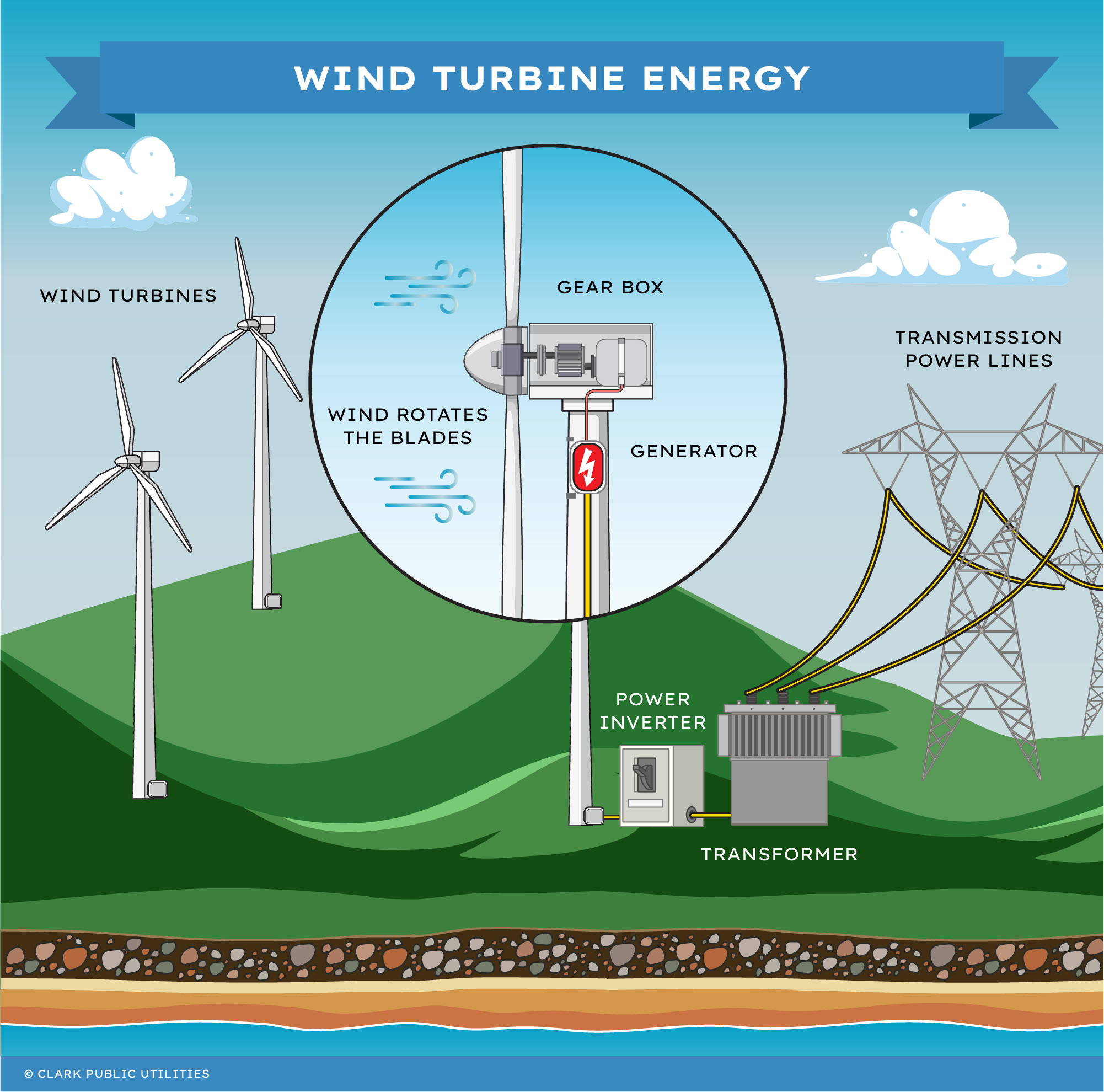
As technology has advanced and economies of scale have been achieved, the cost of generating electricity from wind has fallen dramatically, making it increasingly competitive with, and in many cases cheaper than, traditional fossil fuel sources. Once a wind farm is built, the “fuel” – wind – is free. This leads to more stable and predictable energy prices, shielding consumers and businesses from the volatile price fluctuations inherent in global fossil fuel markets. Furthermore, increasing domestic wind energy production enhances a nation’s energy independence, reducing reliance on foreign energy imports and bolstering national security.
The “Money” topic is strongly linked here. For businesses, investing in on-site wind energy generation or purchasing wind power through power purchase agreements (PPAs) can lead to significant long-term cost savings on energy expenses. This predictable cost structure allows for better financial planning and increased profitability. For individuals, the growing availability of distributed wind energy solutions, such as small-scale turbines for homes and farms, offers the potential for reduced electricity bills and even earning revenue by selling excess power back to the grid.
3. Rural Economic Development and Landowner Benefits
Wind farms often bring much-needed economic investment to rural communities. Landowners who lease their land for wind turbine installation can receive significant, long-term rental income, providing a stable and reliable revenue stream that can supplement agricultural income or provide economic security. This can revitalize rural economies, support local businesses, and help retain population in these areas. The development process itself often involves local contractors and suppliers, further boosting the local economy.
The “Brand” aspect plays a role in ensuring that these benefits are communicated effectively and that wind farm developments are perceived as a positive force within these communities. Transparency in negotiations with landowners and community engagement initiatives can build strong relationships and a positive brand perception for the wind energy projects and the companies involved.
Technological Innovation and Future Potential: Powering Tomorrow
The evolution of wind energy is a story of continuous technological advancement, driven by a relentless pursuit of efficiency, reliability, and scalability. The ongoing innovation in this field promises even greater contributions to our energy future.
1. Advancements in Turbine Technology: Bigger, Smarter, More Efficient
The design and engineering of wind turbines have undergone a dramatic transformation. Modern turbines are significantly larger, with longer blades that can capture more wind energy. Sophisticated aerodynamic designs, advanced materials, and intelligent control systems allow turbines to operate effectively across a wider range of wind speeds and conditions. The development of direct-drive turbines, which eliminate the need for gearboxes, increases reliability and reduces maintenance requirements. Furthermore, advancements in monitoring and predictive maintenance technologies, often leveraging AI and data analytics, ensure optimal performance and longevity.
This is the heart of the “Tech” focus. The innovation pipeline in wind energy is robust. Research into floating offshore wind platforms, for example, opens up vast new areas of the ocean for wind power generation, where winds are often stronger and more consistent. Innovations in energy storage solutions, such as advanced battery technologies, are also crucial for ensuring the reliability of wind power, as they can store excess energy generated during windy periods for use when the wind is calm.
2. Integration with Smart Grids and Hybrid Systems
The intermittency of wind power – the fact that it’s not always blowing – has historically been a challenge. However, this is being increasingly addressed through technological integration. Wind farms are being integrated into “smart grids,” which are modern, digitized electricity networks that can better manage and balance supply and demand. This includes advanced forecasting techniques, sophisticated grid management software, and the deployment of energy storage solutions.
The “Tech” aspect shines here, as AI tools and advanced software are instrumental in optimizing the performance of wind farms and their integration into the wider energy system. Furthermore, the development of hybrid renewable energy systems, combining wind power with solar energy and storage, offers a more consistent and reliable power supply. This interconnectedness and intelligence are key to unlocking the full potential of wind energy.
3. The Future of Wind: Offshore, Airborne, and Beyond
The future of wind energy is incredibly promising, with ongoing research and development exploring even more innovative approaches. Offshore wind, as mentioned, is a rapidly growing segment, offering immense potential due to stronger and more consistent winds over the ocean. Beyond that, concepts like airborne wind energy systems – essentially kites or drones that generate electricity at high altitudes – are being explored, promising access to even more powerful and consistent wind resources.
The “Tech” and “Brand” aspects converge in driving this future. Continued investment in research and development, supported by strong government policies and private sector innovation, is crucial. Building a positive brand for these emerging technologies, demonstrating their safety, reliability, and environmental benefits, will be essential for their widespread adoption.
Conclusion: A Wind of Change for a Sustainable Future
The positives of wind energy are undeniable and multifaceted. From its critical role in mitigating climate change and improving air quality to its capacity to drive economic growth, create jobs, and enhance energy independence, wind power stands as a cornerstone of a sustainable and prosperous future. The ongoing technological advancements and the increasing cost-competitiveness of wind energy further solidify its position as a leading renewable energy source.
For those interested in “Tech,” the innovation within the wind sector is a testament to human ingenuity and problem-solving. For those focused on “Brand,” the growing public and corporate commitment to sustainability presents a unique opportunity to build powerful narratives around green energy solutions. And for those concerned with “Money,” the economic opportunities and long-term financial benefits of investing in and utilizing wind energy are becoming increasingly compelling.
As we continue to strive for a cleaner, more secure, and economically vibrant world, embracing and expanding the use of wind energy is not just a prudent choice, but an essential one. The wind is not just a force of nature; it is a powerful catalyst for positive change.
aViewFromTheCave is a participant in the Amazon Services LLC Associates Program, an affiliate advertising program designed to provide a means for sites to earn advertising fees by advertising and linking to Amazon.com. Amazon, the Amazon logo, AmazonSupply, and the AmazonSupply logo are trademarks of Amazon.com, Inc. or its affiliates. As an Amazon Associate we earn affiliate commissions from qualifying purchases.