
The sight of those distinctive orange spheres adorning power lines is a common one, yet their purpose often remains a mystery to the casual observer. While they might seem like a curious embellishment, these objects are, in fact, vital components of our electrical infrastructure, designed with sophisticated engineering principles to enhance safety and visibility. Far from being mere decorative elements, these “marker balls” are a testament to the ongoing technological advancements in utility management and aerial safety. This article will delve into the technical intricacies of these orange balls, exploring their design, function, and the underlying technologies that make them indispensable for modern power line systems.
The Technical Mandate: Enhancing Aerial Visibility and Safety
The primary driver behind the implementation of orange marker balls is the critical need to improve the visibility of power lines to aerial traffic. This is not an arbitrary decision but a response to well-documented safety concerns and regulatory requirements. Understanding the engineering behind their design and placement is key to appreciating their significance.
The Aviation Safety Imperative
Power lines, especially those that span significant distances or cross natural barriers, pose a substantial risk to aircraft. Low-flying aircraft, including helicopters used for various purposes like agricultural spraying, emergency services, and recreational flights, can easily misjudge distances or fail to detect the presence of these thin conductors. This can lead to catastrophic collisions. The Federal Aviation Administration (FAA) in the United States, and similar aviation authorities globally, mandate the use of visual markers on power lines in areas where there is a risk to aviation. The orange marker balls are a direct technological solution to this problem. Their bright color and significant surface area make them highly conspicuous against a variety of backgrounds, from the green of forests to the blue of the sky.
Engineering for Visibility and Durability
The design of these marker balls is a nuanced exercise in material science and aerodynamics. They are not simply painted spheres; rather, they are constructed from robust materials engineered to withstand harsh environmental conditions and the rigors of their installation and long-term deployment.
Material Science and Color Choice
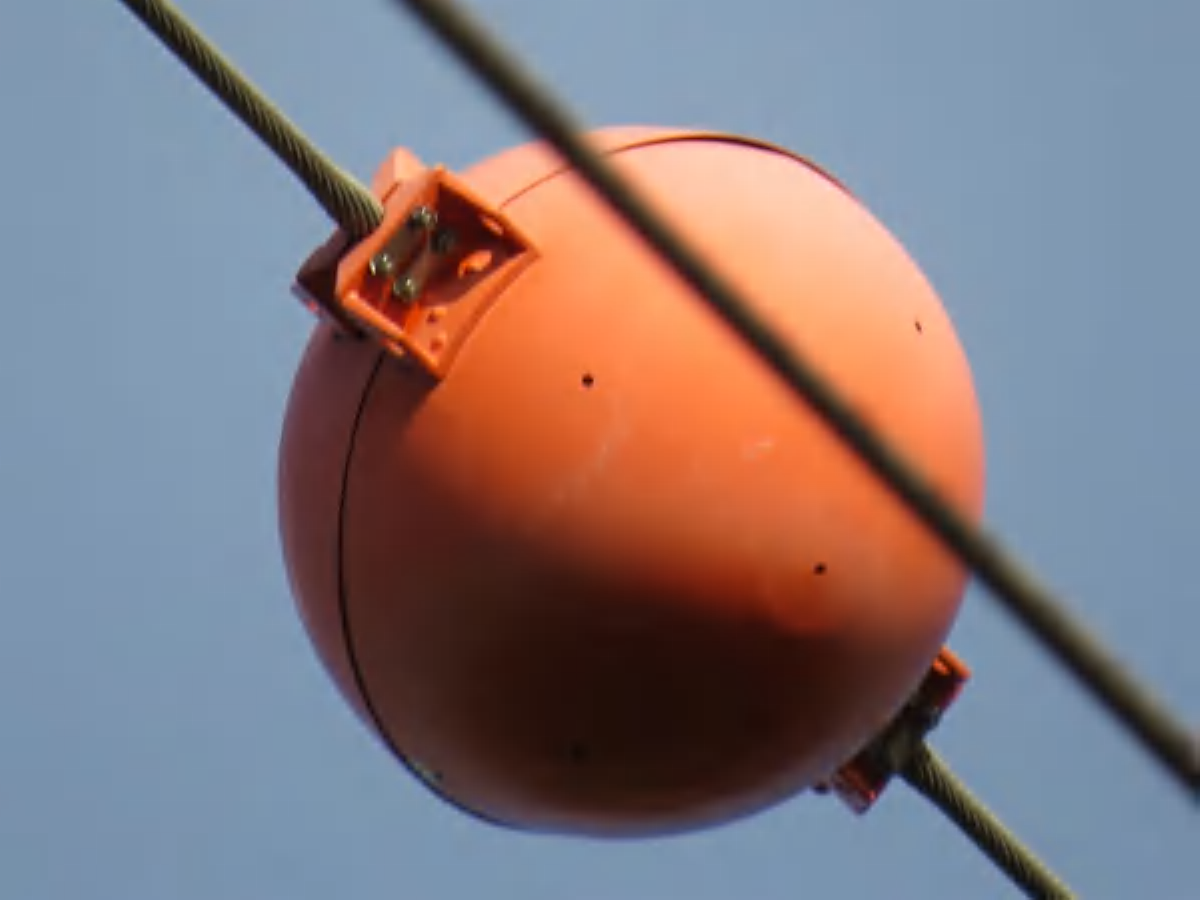
The most common material used for marker balls is fiberglass-reinforced plastic (FRP). This composite material offers an excellent balance of strength, durability, and weight. FRP is resistant to corrosion, UV radiation, and extreme temperatures, ensuring the longevity of the marker balls in diverse climates. The vibrant orange color is not accidental. It is a specific shade chosen for its high visibility across the visible light spectrum. This particular hue is known to be easily distinguishable by the human eye, especially in daylight and twilight conditions, further enhancing their effectiveness as visual cues. Some markers may also incorporate reflective materials, increasing their visibility at night or in low-light conditions when illuminated by aircraft lights.
Aerodynamic Considerations
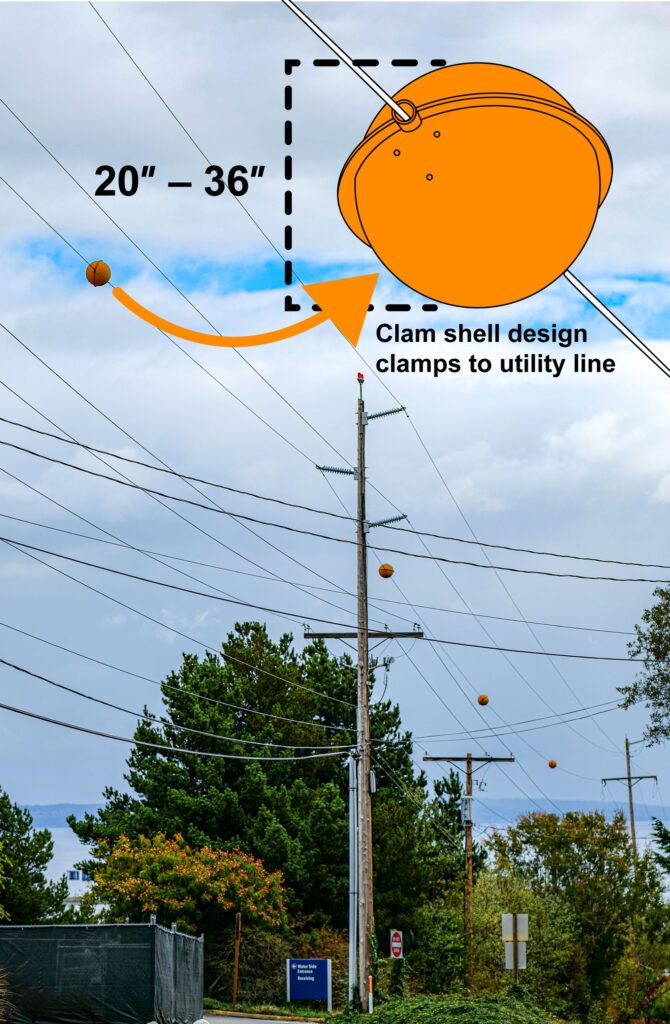
While appearing static, the shape and placement of these balls are also subject to aerodynamic considerations. The spherical or near-spherical design minimizes wind resistance, preventing excessive swaying and reducing the stress on the power line conductors. This is crucial for maintaining the structural integrity of the power lines themselves. The size of the marker balls is also carefully calibrated. They need to be large enough to be easily seen from a distance but not so large as to impose undue weight or wind load on the conductors or supporting structures. Standard diameters can range from approximately 12 inches to 36 inches, depending on the specific application and the voltage of the power line.
Installation and Placement Protocols
The effectiveness of marker balls is heavily reliant on their strategic placement. This is not a haphazard process but is guided by detailed protocols designed to maximize their impact on aerial safety.
Line of Sight and Spacing
Marker balls are typically installed on overhead transmission lines, particularly those that cross rivers, valleys, roads, or areas frequented by aircraft. The spacing between the balls is determined by factors such as the height of the power line, the terrain, and aviation traffic patterns. The goal is to ensure that at least one marker ball is always visible within the pilot’s field of view when approaching a power line obstacle. This often involves placing them at regular intervals, typically every few hundred feet, and at specific points of increased hazard, such as near airports or known flight paths.
Conductor Attachment Mechanisms
The method of attaching the marker balls to the conductors is another area of technological consideration. The attachment mechanisms must be secure, allowing for the weight and movement of the ball without damaging the conductor’s insulation or its structural integrity. Specialized clamps and hardware are used, designed to distribute the load evenly and prevent chafing or abrasion. These attachments are engineered to maintain their grip over time, resisting the effects of vibration and weather.
Beyond Aviation: Additional Technological Functions and Innovations
While aviation safety is the paramount reason for their existence, the technologies employed in marker balls are evolving, leading to additional functionalities that contribute to the overall efficiency and resilience of the power grid.
Enhanced Ground Visibility and Wildlife Protection
In addition to aiding aircraft, marker balls also serve to increase the visibility of power lines to ground-based observers and, importantly, to wildlife.
Preventing Avian Collisions
Bird strikes are another significant concern, particularly for large birds of prey or migratory species. Power lines can be nearly invisible against the sky to birds, leading to fatal collisions. The bright orange color of the marker balls makes the conductors more apparent, helping birds to avoid them. While the primary focus is on aviation, this secondary benefit contributes to avian conservation efforts. Some specialized marker balls are even designed with specific textures or shapes to further deter birds from perching or flying into them.
Improving Ground-Based Detection
For utility workers and the general public, particularly in rural or forested areas, marker balls can serve as an additional visual warning, aiding in the identification of power line routes and potential hazards. This is especially useful during adverse weather conditions where visibility might be compromised for ground personnel.
Smart Technologies and Monitoring Applications
The integration of smart technologies is beginning to transform even seemingly simple infrastructure elements like marker balls. Future iterations and specialized applications are incorporating advanced features for monitoring and data collection.
Integrated Sensors and Communication
Researchers and utility companies are exploring the integration of sensors within marker balls. These sensors could monitor environmental conditions such as wind speed and direction, temperature, and even the structural integrity of the power lines themselves. This data, transmitted wirelessly, could provide real-time insights into the operational status of the grid and enable proactive maintenance, thus preventing outages. Imagine marker balls that can detect excessive vibration and transmit an alert, indicating a potential issue before it leads to a failure.
Advanced Material Composites and Coatings
Ongoing research into advanced material composites and specialized coatings is leading to even more durable and effective marker balls. This includes exploring materials with enhanced UV resistance, improved impact absorption, and even self-cleaning properties to maintain optimal visibility over extended periods. The development of lighter yet stronger materials can also reduce the strain on power lines.
The Economics of Safety: Cost-Benefit Analysis of Marker Ball Technology
The deployment of marker balls represents a significant investment for utility companies. However, when viewed through the lens of risk mitigation and operational efficiency, the cost-benefit analysis overwhelmingly favors their implementation.
Mitigating the High Cost of Accidents
The financial implications of an aircraft collision with a power line are severe. Beyond the immediate destruction of the aircraft and potential loss of life, such incidents can lead to widespread power outages, significant infrastructure damage, environmental impact, and substantial legal liabilities for the utility. The cost of a single major accident far outweighs the cumulative cost of installing and maintaining marker balls across an entire transmission network. The FAA and other regulatory bodies often mandate these safety measures precisely because the cost of inaction is so demonstrably higher than the cost of prevention.
The Long-Term Value of Proactive Infrastructure Management
Marker balls contribute to a broader strategy of proactive infrastructure management. By enhancing visibility and potentially integrating monitoring capabilities, they help utilities to:
- Reduce Outage Frequency: By preventing collisions that cause line breaks or damage to equipment.
- Improve Maintenance Planning: Through early detection of potential issues via integrated sensors.
- Enhance Worker Safety: By making power line routes more visible and identifiable.
- Extend Equipment Lifespan: By reducing the stress and potential damage caused by unexpected impacts.
The initial outlay for marker balls and their installation is a relatively small price to pay for the considerable savings and operational stability they provide over the long lifespan of the power grid.
The Future of Power Line Markers: Evolving Technologies and Integration
The humble orange ball on a power line is far from a static technology. As our understanding of infrastructure needs and technological capabilities advances, so too will the design and function of these vital safety devices.
Integration with Grid Modernization Efforts
As utility companies invest in smart grid technologies and the Internet of Things (IoT), marker balls are likely to become more deeply integrated into these evolving networks. This could involve:
- Centralized Data Platforms: Sensor data from marker balls feeding into centralized grid management platforms for comprehensive monitoring and analysis.
- Automated Alerts and Response Systems: Triggering automated alerts for maintenance crews or even emergency services in the event of a detected anomaly.
- Predictive Analytics: Using aggregated data from multiple marker balls to predict potential failure points or maintenance needs across the network.

Advanced Materials and Environmental Considerations
Future marker balls may also leverage breakthroughs in materials science. This could include:
- Biodegradable or Recyclable Materials: To minimize environmental impact at the end of their lifecycle.
- Self-Healing Materials: That can repair minor damage, further extending their lifespan and reducing maintenance.
- Adaptive Camouflage or Signaling: While bright orange is effective, future designs might explore materials that can dynamically adjust their visibility based on ambient light conditions or specific signaling requirements.
The orange balls on power lines, while seemingly simple, represent a sophisticated application of technology aimed at ensuring safety and reliability in our increasingly complex electrical infrastructure. Their evolution from basic visual aids to potentially integrated monitoring devices underscores the continuous innovation occurring within the technological landscape of utilities.
aViewFromTheCave is a participant in the Amazon Services LLC Associates Program, an affiliate advertising program designed to provide a means for sites to earn advertising fees by advertising and linking to Amazon.com. Amazon, the Amazon logo, AmazonSupply, and the AmazonSupply logo are trademarks of Amazon.com, Inc. or its affiliates. As an Amazon Associate we earn affiliate commissions from qualifying purchases.