
In the landscape of modern cinema and global marketing, few entities have achieved the level of immediate brand recognition commanded by the Minions. What began as secondary comedic relief in the 2010 film Despicable Me has evolved into a multi-billion-dollar brand ecosystem managed by Illumination Entertainment and Universal Pictures. While the casual observer might simply see a sea of yellow, the strategic naming and individualization of these characters are masterclasses in brand strategy, character IP management, and global market penetration.
To understand “what are the names of the minions” is to look past the surface-level trivia and examine how a brand creates distinct identities within a monolithic collective. By naming specific Minions—Kevin, Stuart, and Bob—the architects of the franchise transformed an anonymous workforce into a suite of relatable brand ambassadors.

The Anatomy of an Iconic Brand Mascot: Visual Shorthand and Simplicity
The success of the Minions brand begins with a core principle of effective design: radical simplicity. In the world of branding, a logo or mascot must be recognizable even when stripped of its details. The Minions represent a “visual shorthand” that is unparalleled in the animation industry.
Simplicity as a Scalable Asset
The pill-shaped design of a Minion is a stroke of branding genius. Because the basic silhouette is so simple, it is infinitely scalable and adaptable. Whether it is a giant inflatable at a theme park, a tiny icon on a smartphone screen, or a collaborative logo on a package of Chiquita bananas, the brand identity remains intact. This scalability is a cornerstone of “Brand Design,” ensuring that the character can live across various mediums without losing its essence.
Pantone Minion Yellow: The Psychology of Color
In 2015, the Pantone Color Institute officially launched “Minion Yellow.” This marked the first time a color was created and named after a character in a movie. From a brand strategy perspective, this is a profound achievement. Yellow is psychologically associated with energy, optimism, and joy. By claiming a specific hue in the public consciousness, the Minions franchise secured a visual “anchor” that triggers brand recall even in the absence of the characters themselves.
Individual Identity vs. Collective Brand: The Strategy of Naming
A common challenge for brands that utilize “horde” or “collective” mascots is the lack of emotional depth. If every character is identical, the audience finds it difficult to form a personal connection. Illumination solved this by introducing specific, named characters who serve as the “faces” of the brand. This strategy mirrors corporate branding where a parent company (the collective Minions) uses sub-brands (individual characters) to reach different audience segments.
Kevin, Stuart, and Bob: The Rule of Three in Character Branding
When the franchise moved toward the 2015 Minions prequel, the brand strategy shifted from a collective to a “trio” model. This is a classic narrative and marketing trope known as the “Rule of Three.”
- Kevin (The Strategic Leader): Kevin represents the “parental” or “heroic” figure. He is taller, has two eyes, and possesses a sprout of hair. In brand terms, Kevin is the “Reliable Professional” archetype, providing structure to the chaos.
- Stuart (The Rebellious Creative): With his single eye and penchant for playing the ukulele, Stuart is the “Cool” archetype. He appeals to the teenage and young adult demographic, embodying a sense of non-conformity and artistic flair.
- Bob (The Innocent Vulnerability): Short, round, and possessing heterochromia (different colored eyes), Bob is the “Child” archetype. He represents pure innocence and “kawaii” (cute) culture, which is essential for capturing the hearts of younger children and the toy market.
Humanizing the Crowd through Distinctive Archetypes
Beyond the core trio, other named Minions like Dave, Jerry, Phil, and Mel serve specific functions within the brand’s narrative universe. By giving these characters names—names that are notably ordinary and human—the brand creates a bridge between the alien and the familiar. When a consumer asks for a “Bob” plush toy instead of just a “Minion,” the brand equity has successfully transitioned from a commodity to a personalized relationship.

Intellectual Property and the Merchandising Machine
The names of the Minions are more than just labels; they are protected assets within a vast Intellectual Property (IP) portfolio. The monetization of these names through licensing and merchandising is what transformed a movie character into a global corporate identity.
Licensing the Yellow Aesthetic
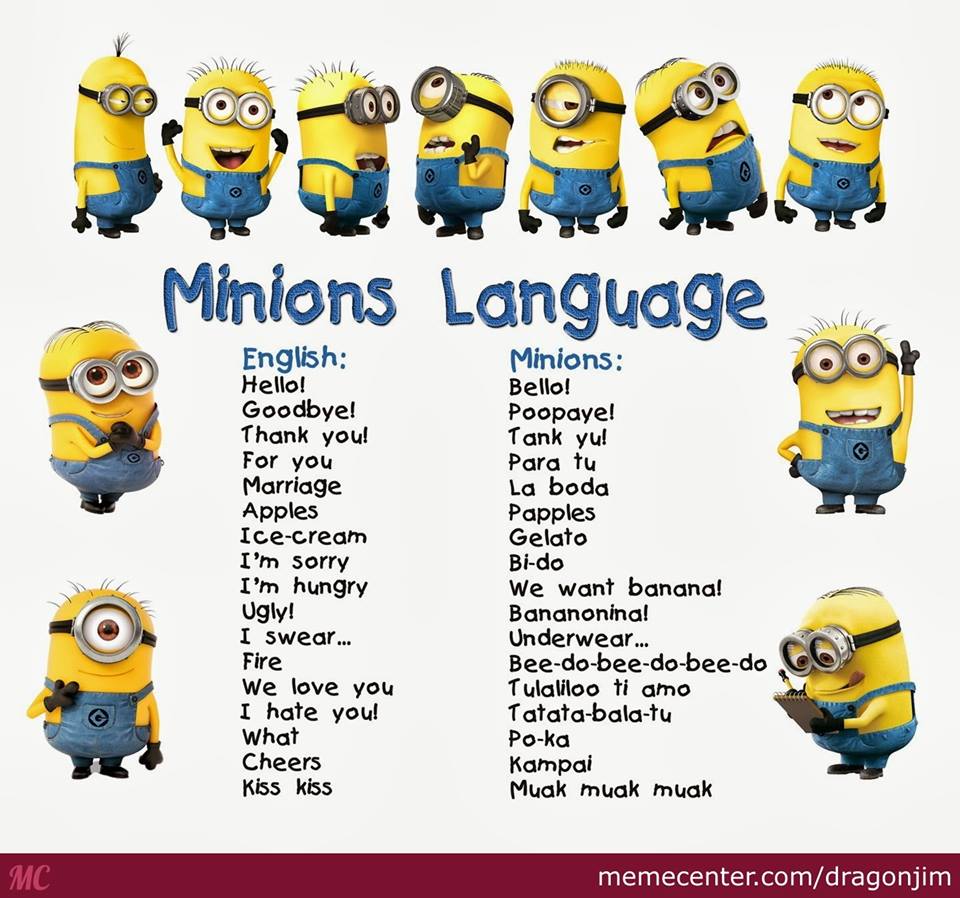
The Minions’ brand strategy relies heavily on “omnipresence.” By licensing the characters to everything from high-fashion labels to household cleaning supplies, Universal Pictures ensures the brand stays top-of-mind. The brilliance here is that the Minions “fit” everywhere. Because their “language” (Minionese) is a polyglot of various global tongues, they are the ultimate international brand ambassadors. They do not require localization; they are born global.
Cross-Generational Marketing Strategies
A key pillar of the Minions’ brand longevity is their ability to appeal across generational divides. While children are drawn to the physical comedy and the “Bob” persona, adults are often engaged through the clever use of nostalgia in their branding. For instance, the marketing for Minions: The Rise of Gru leaned heavily into 1970s aesthetics, disco music, and retro tech. This “Brand Layering” ensures that the franchise is not pigeonholed as “just for kids,” but is instead viewed as a lifestyle brand for families.
Case Study: Lessons in Brand Longevity and Digital Evolution
Maintaining a brand for over a decade is a significant challenge, especially in the fast-paced digital age. The Minions have managed this by embracing digital trends and allowing the brand to evolve through user-generated content.
Adapting to Digital Trends and Memes
The Minions have become a staple of meme culture. While some brands might attempt to litigate or control how their characters are used online, the Minions’ brand managers have largely allowed for a degree of “organic chaos.” The “Gentleminions” trend—where teenagers wore suits to cinemas to watch The Rise of Gru—is a perfect example of a brand benefiting from a subculture it didn’t create but certainly welcomed. This flexibility allows the brand to remain culturally relevant to Gen Z and Alpha.
Guarding the Brand Voice in Collaborations
Even with their widespread use, the “brand voice” of the Minions is strictly guarded. They never speak a fully intelligible language, they are never truly malicious, and their humor is always rooted in slapstick. This consistency is vital. Whether a Minion appears in a Super Bowl commercial or on a cereal box, their behavior is predictable. In brand strategy, consistency builds trust. The names Kevin, Stuart, and Bob act as a guarantee of a specific type of entertainment experience.
The Future of the Minion Identity: Expanding the Universe
As we look toward the future of the franchise, the naming and categorization of Minions will likely become even more specialized. As the brand enters the realm of theme park expansions (such as Villain-Con Minion Blast at Universal Studios), the “names” of the characters become the foundation for “Environmental Branding.”
In this context, the name of a Minion isn’t just a piece of trivia; it is a touchpoint in a customer’s journey. By maintaining a balance between the “Yellow Horde” (the collective brand) and the “Core Trio” (the individual sub-brands), Illumination Entertainment has created a resilient, billion-dollar identity that defies the typical life cycle of a film mascot.
The names—Kevin, Stuart, Bob, and their numerous companions—serve as the emotional hooks that keep the brand anchored in the hearts of a global audience. They prove that in the world of corporate identity and brand strategy, personality is the most valuable currency. By giving a name to the nameless, the architects of the Minions franchise turned a background gag into a foreground phenomenon, ensuring that the “Yellow Brand” will remain a dominant force in the global marketplace for decades to come.
aViewFromTheCave is a participant in the Amazon Services LLC Associates Program, an affiliate advertising program designed to provide a means for sites to earn advertising fees by advertising and linking to Amazon.com. Amazon, the Amazon logo, AmazonSupply, and the AmazonSupply logo are trademarks of Amazon.com, Inc. or its affiliates. As an Amazon Associate we earn affiliate commissions from qualifying purchases.