
Understanding what the markets are doing today requires more than a cursory glance at a green or red ticker tape. In an era defined by rapid information flow, algorithmic trading, and shifting geopolitical landscapes, “the market” has become a multifaceted ecosystem. Whether you are a seasoned institutional investor, a retail trader, or someone simply looking to protect their personal savings, the movements of the global markets serve as a barometer for economic health, investor sentiment, and future expectations.
To answer the question of what the markets are doing today, one must look beneath the surface of the major indices to understand the underlying drivers of value, the impact of monetary policy, and the emerging trends in alternative assets. This guide provides a comprehensive analysis of the current financial landscape and how to interpret the signals coming from the world’s trading floors.
Understanding Market Indicators and Economic Health
The most immediate answer to “what the markets are doing” is usually found in the performance of the major benchmark indices. However, these numbers are merely the end result of a complex series of economic inputs. To truly understand today’s market, one must analyze the indicators that drive these fluctuations.
The Role of Benchmark Indices: S&P 500, Nasdaq, and the Dow
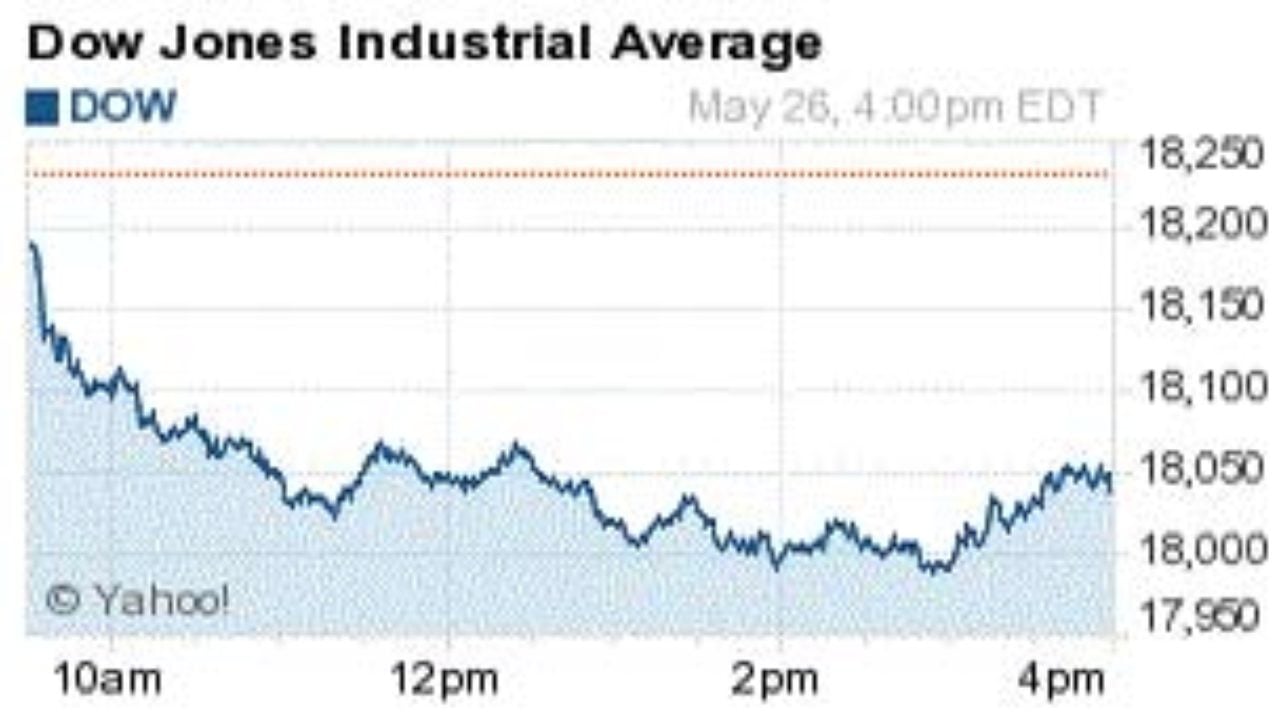
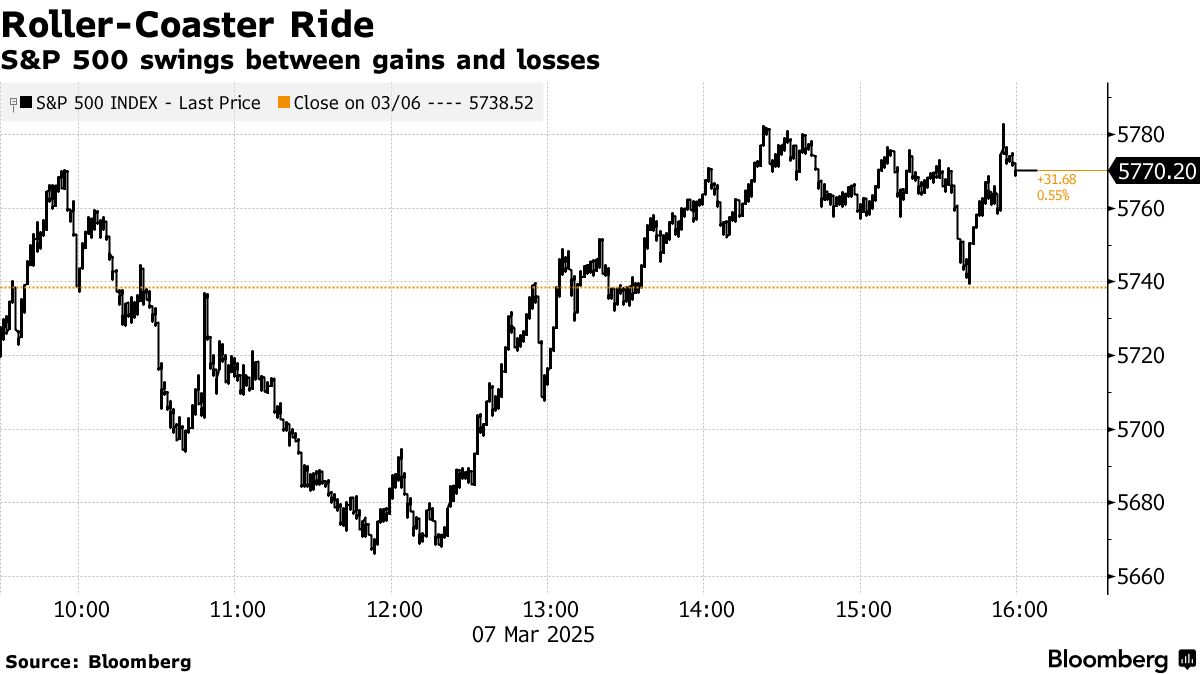
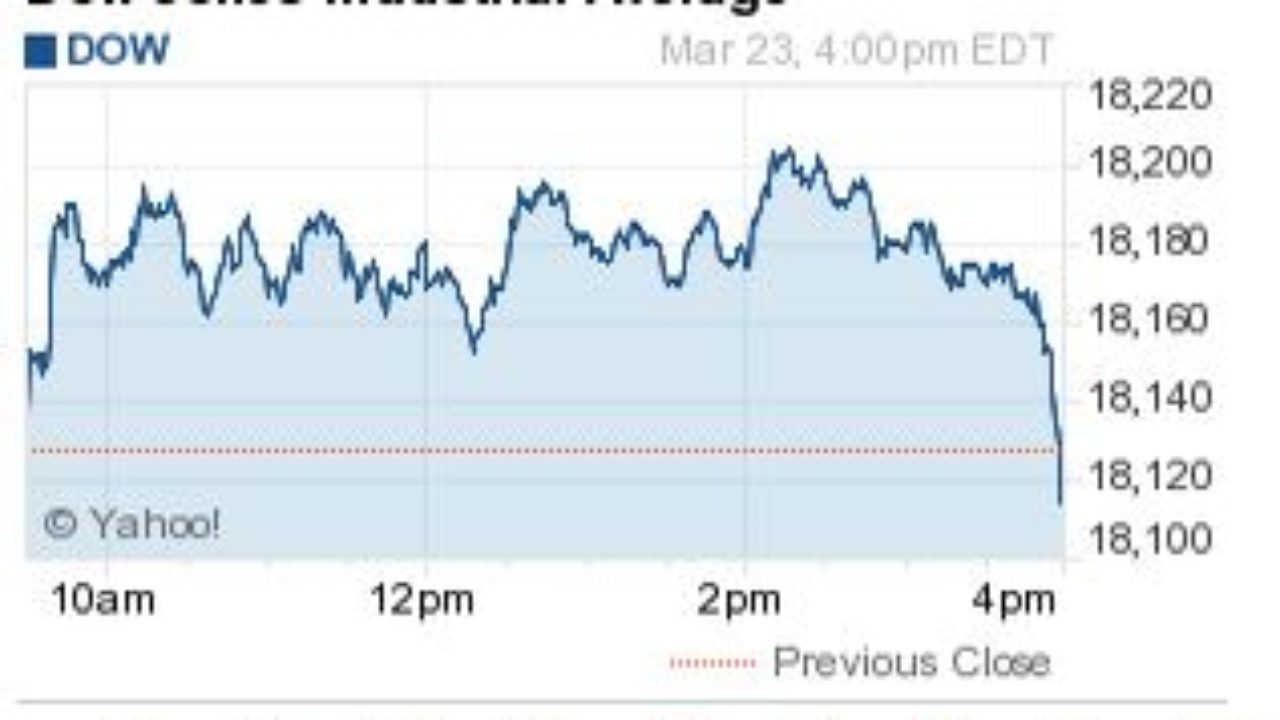
The S&P 500 is often considered the most accurate reflection of the U.S. economy, representing the performance of 500 of the largest publicly traded companies. When the S&P 500 is trending upward, it generally suggests corporate profitability and investor confidence are high. Conversely, the Nasdaq Composite is heavily weighted toward technology and growth stocks, making it more sensitive to interest rate changes and innovation cycles. The Dow Jones Industrial Average (DJIA), while older and narrower, provides a glimpse into the health of “blue-chip” industrial and consumer staples.
Today’s markets are increasingly bifurcated; it is common to see the Nasdaq surge on AI-driven optimism while the Dow remains stagnant due to concerns over manufacturing costs or consumer spending. Monitoring the divergence between these indices is crucial for identifying where capital is flowing.
Interest Rates and Central Bank Policy
Perhaps no single factor influences today’s markets more than the decisions of central banks, specifically the Federal Reserve in the United States. Interest rates are the “price of money.” When rates are low, borrowing is cheap, encouraging business expansion and higher stock valuations. When the Fed raises rates to combat inflation, it effectively “cools” the market by making debt more expensive and offering higher yields on “safe” investments like bonds.
Investors today are obsessed with “Fed watching.” Every speech by a central bank official is scrutinized for hints of future policy. If the markets are volatile today, it is often because of a new inflation report (such as the Consumer Price Index) that suggests the Fed may keep rates “higher for longer,” or perhaps a jobs report that indicates the economy is cooling faster than expected.
The Shift Toward Alternative Assets and Digital Currencies
While traditional stocks and bonds remain the bedrock of most portfolios, today’s markets are increasingly defined by the inclusion of alternative assets. These assets often move independently of the stock market, providing a layer of diversification that is essential in volatile times.
Cryptocurrency Volatility and Market Maturity
The digital asset market has evolved from a niche hobby for technologists into a trillion-dollar asset class. Bitcoin and Ethereum are now staples in many diversified portfolios, especially following the approval of spot ETFs which have allowed institutional capital to flow more easily into the space.
When asking what the markets are doing today, one must account for the “crypto sentiment.” High-risk appetite in the stock market often spills over into crypto, but the reverse is also true. Digital assets are highly sensitive to global liquidity. When there is excess cash in the system, crypto tends to thrive. However, it remains a highly volatile sector, prone to dramatic swings based on regulatory news or technological breakthroughs.
Real Estate and Commodities in a High-Inflation Era
In an environment where the purchasing power of fiat currency is challenged, “hard assets” like real estate and commodities (gold, oil, and agricultural products) take center stage. Gold, historically a “safe haven,” often rallies when the traditional stock market is fearful or when geopolitical tensions rise.
The real estate market, meanwhile, faces a unique set of challenges today. While high interest rates have dampened home buying, a lack of inventory has kept prices resilient in many regions. For the investor, looking at the performance of Real Estate Investment Trusts (REITs) provides a liquid way to track this market’s health without owning physical property.
Sector Performance: Winners and Losers in Today’s Economy
The market is rarely a monolith. On any given day, some sectors may be reaching all-time highs while others are languishing in a bear market. Understanding sector rotation is key to understanding the broader market narrative.
The Continued Dominance of High-Growth Tech
Technology remains the primary engine of market growth. Specifically, the “Magnificent Seven” (large-cap tech giants) have disproportionately driven market returns in recent years. This is fueled by the promise of Artificial Intelligence (AI) and its potential to revolutionize productivity. When these tech giants report strong earnings, they can lift the entire market. However, this creates a “top-heavy” market where a downturn in just a few companies can lead to a broad sell-off.
Defensive Investing and Value Stocks
When the economic outlook is uncertain, investors often rotate into defensive sectors—companies that provide essential services regardless of the economy’s state. This includes healthcare, utilities, and consumer staples (like food and household goods). These “value stocks” typically pay higher dividends and offer more stability. Observing a rotation into these sectors is a classic sign that the market is bracing for a potential recession or a period of slower growth.
Strategic Approaches for the Modern Investor
Knowing what the markets are doing is only half the battle; the other half is knowing how to react. The modern financial environment requires a blend of traditional wisdom and modern tools.
Diversification vs. Concentration
The age-old debate of diversification continues to evolve. While the standard 60/40 (stocks/bonds) portfolio was the gold standard for decades, today’s investors are looking for more. True diversification now involves international exposure, private equity, and perhaps a small allocation to digital assets.
Conversely, some successful investors argue for “intelligent concentration”—putting more capital into a few high-conviction ideas. In today’s fast-moving market, the risk of “diworsification” (spreading oneself too thin across mediocre assets) is real. The key is to align your strategy with your specific risk tolerance and time horizon.
Utilizing Financial Tools for Real-Time Analysis
Today’s retail investor has access to tools that were once reserved for Wall Street elites. From real-time data terminals to AI-driven sentiment analysis, the “information gap” has closed. Utilizing platforms that track “whale” movements (large institutional trades) or options flow can provide clues into where the “smart money” is moving. However, with this abundance of data comes the risk of “paralysis by analysis.” Successful investors use these tools to confirm a long-term thesis rather than chasing every short-term fluctuation.
Future Outlook: Navigating Uncertainty
As we look at what the markets are doing today and where they are headed tomorrow, several “macro” themes stand out: the aging global population, the transition to green energy, and the rise of a multipolar global economy.
Managing Risk in a Volatile Environment
Risk management is not about avoiding losses entirely; it is about ensuring that no single market event can wipe out your financial future. This involves setting “stop-loss” orders, maintaining a healthy cash reserve, and avoiding excessive leverage (borrowed money). In today’s market, volatility is a feature, not a bug. Those who can remain calm when others are panicking—and who have the liquidity to buy when assets are on sale—are the ones who build long-term wealth.
Conclusion: The Importance of a Long-Term Perspective
In the final analysis, “what the markets are doing today” is often noise. For the long-term investor, the daily gyrations of the S&P 500 or the latest fluctuations in Bitcoin prices are less important than the overarching trend of human innovation and economic growth.
The markets are a mechanism for transferring wealth from the impatient to the patient. By understanding the economic indicators, staying informed on sector trends, and utilizing the right financial tools, you can navigate today’s markets with confidence. Whether the market is bullish or bearish today, the goal remains the same: disciplined investing, continuous learning, and a focus on long-term financial freedom.
aViewFromTheCave is a participant in the Amazon Services LLC Associates Program, an affiliate advertising program designed to provide a means for sites to earn advertising fees by advertising and linking to Amazon.com. Amazon, the Amazon logo, AmazonSupply, and the AmazonSupply logo are trademarks of Amazon.com, Inc. or its affiliates. As an Amazon Associate we earn affiliate commissions from qualifying purchases.