
The phrase “Law of War” might conjure images of ancient battles and historical treaties. However, in our rapidly evolving world, the principles governing armed conflict are more relevant than ever, especially when viewed through the lenses of technology, brand strategy, and the economic realities of global engagement. While the Law of War, also known as International Humanitarian Law (IHL), directly addresses the conduct of hostilities and the protection of those affected by conflict, its underlying tenets have profound implications for how nations, organizations, and even individuals navigate complex situations in a connected and often contentious global landscape.
This article will explore the fundamental principles of the Law of War, demonstrating how they intersect with the core topics of technology, brand management, and financial considerations. We’ll delve into how technological advancements challenge and reshape these legal frameworks, how a nation’s or organization’s reputation is built and protected in times of crisis, and how financial resources are mobilized and utilized within the context of conflict and its aftermath.
The Cornerstone Principles of the Law of War
At its heart, the Law of War is designed to mitigate the suffering caused by armed conflict. It seeks to balance the military necessity of engaging in warfare with the imperative to protect human life and dignity. While the specifics can be complex and are enshrined in numerous treaties and customary international law, several overarching principles form the bedrock of this legal domain.
Distinction: Separating Combatants from Civilians
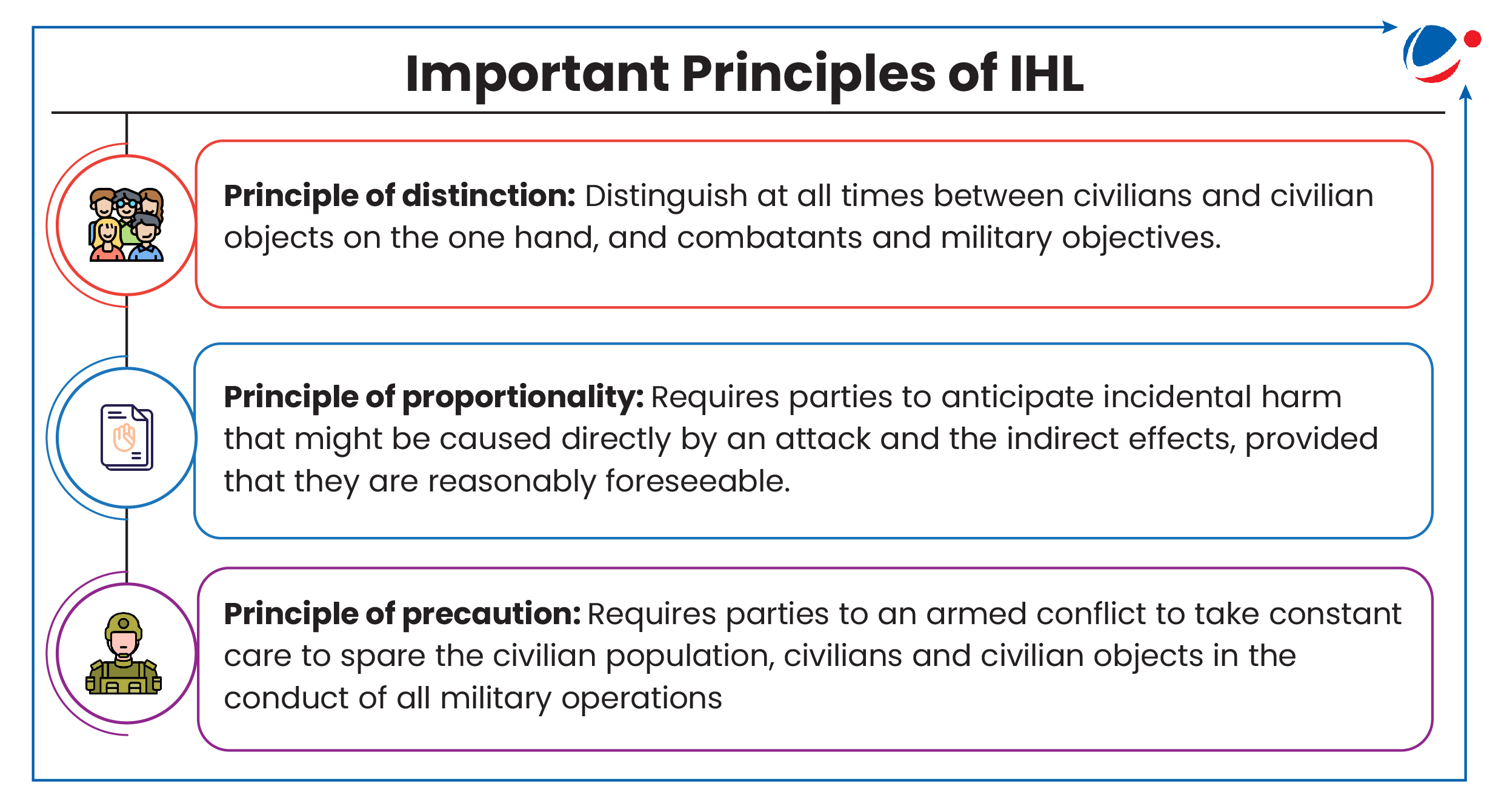
One of the most fundamental principles is distinction. This principle mandates that parties to a conflict must at all times distinguish between combatants and civilians, and between military objectives and civilian objects. This means that attacks may only be directed against military objectives and combatants. Civilians and civilian objects enjoy protection from direct attack. This principle is crucial because it forms the basis for minimizing harm to non-combatants.
Implications for Modern Warfare
In the context of modern warfare, the principle of distinction is constantly tested. The rise of asymmetrical warfare, urban combat, and the use of sophisticated technologies blur traditional lines.
- Technological Challenges: Precision-guided munitions, while aiming to enhance distinction by targeting specific military assets, can also be misused or become less effective in complex environments, potentially leading to civilian casualties. The development of autonomous weapons systems raises profound questions about how distinction can be maintained when the decision to target is delegated to machines. AI-powered surveillance and intelligence gathering can improve the ability to distinguish, but also create new vulnerabilities if data is compromised or misinterpreted.
- Information Warfare: The principle of distinction extends beyond kinetic actions. The deliberate spread of misinformation or disinformation aimed at creating confusion, sowing discord among civilian populations, or undermining trust in legitimate authorities can also be seen as a violation of the spirit, if not the letter, of this principle, as it erodes the clear lines between legitimate targets and protected individuals or institutions.
Proportionality: Balancing Military Advantage with Civilian Harm
Another critical principle is proportionality. This principle prohibits attacks which may be expected to cause incidental loss of civilian life, injury to civilians, damage to civilian objects, or a combination thereof, which would be excessive in relation to the concrete and direct military advantage anticipated. This doesn’t mean that civilian casualties are acceptable, but rather that they must not be disproportionate to the military gain. Military commanders must weigh the anticipated military benefit of an attack against the potential harm to civilians.
Strategic Considerations in Proportionality
The application of proportionality has significant strategic and brand implications.
- Brand Reputation and Legitimacy: For any nation or military force, adhering to the principle of proportionality is paramount for maintaining international legitimacy and public trust. Excessive civilian casualties can severely damage a nation’s brand, leading to diplomatic fallout, international condemnation, and a decline in soft power. Think of the long-term reputational costs incurred by military actions that result in significant and avoidable civilian harm.
- Financial Impact of Civilian Casualties: While harder to quantify directly, disproportionate civilian casualties can lead to increased humanitarian aid costs, reconstruction expenses, and long-term economic instability in affected regions, all of which have financial ramifications for intervening powers and international organizations. The need for meticulous planning and execution to avoid such outcomes is therefore not just a legal or moral imperative, but also a pragmatic financial one.
Precautionary Measures: Minimizing Civilian Harm
The principle of precautionary measures requires parties to a conflict to take all feasible precautions in the choice of means and methods of attack with a view to avoiding, and in any event to minimizing, incidental loss of civilian life, injury to civilians and damage to civilian objects. This includes taking steps to verify targets, providing advance warning of attacks where possible, and choosing appropriate weapons.
Operationalizing Precautions in a Digital Age
The operationalization of precautionary measures is deeply intertwined with technological capabilities and strategic planning.
- Leveraging Technology for Protection: Advanced sensor technology, real-time intelligence, and sophisticated targeting systems can significantly aid in taking precautions. However, the reliance on technology also introduces new risks. Cybersecurity threats to command and control systems, the potential for algorithmic bias in AI-driven targeting, or the degradation of communications can all hinder the ability to take effective precautions.
- Digital Security as a Precaution: Robust digital security measures are no longer just about protecting sensitive data; they are integral to operational safety and the fulfillment of legal obligations. A breach of a military network could compromise targeting information, potentially leading to unintended attacks on civilian infrastructure or populations, thus violating the principle of precaution.
The Interplay with Brand Strategy and Reputation
The Law of War principles are not merely abstract legal concepts; they have tangible impacts on the brand identity and reputation of nations, military organizations, and even corporations involved in or affected by conflict.
Building and Protecting a “Brand of Integrity”
In the realm of Brand Strategy, the Law of War principles align directly with the concept of building and protecting a brand of integrity. A nation’s or its military’s adherence to international humanitarian law is a critical component of its global reputation.
- Trust and Legitimacy: Consistent adherence to the Law of War fosters trust and legitimacy on the international stage. This translates into stronger diplomatic relationships, greater support for policy initiatives, and a more favorable global perception. Conversely, perceived violations can lead to widespread condemnation, isolation, and a significant erosion of a nation’s brand.
- Corporate Social Responsibility in Conflict Zones: For corporations operating in or near conflict zones, understanding and respecting the Law of War principles is becoming increasingly important for their Corporate Identity and Reputation. Companies that can demonstrate responsible conduct, even in challenging environments, can differentiate themselves and build a brand associated with ethical practices. This can attract investors, talent, and customers who prioritize responsible business operations.
- Case Studies of Reputational Damage: History is replete with case studies of how violations of IHL have led to lasting reputational damage. The public outcry and long-term diplomatic consequences following certain military actions serve as stark reminders of the importance of upholding these legal and ethical standards.
The Role of Communication and Transparency
Effective Brand Management in the context of conflict also hinges on clear and transparent communication.
- Communicating Adherence to Law: Nations and military forces must effectively communicate their commitment to and adherence to the Law of War. This involves providing accurate information about operations, explaining the rationale behind difficult decisions, and being transparent about investigations into alleged violations.
- Countering Disinformation: In an era where information warfare is rampant, proactively countering false narratives and disinformation campaigns that falsely accuse parties of violating the Law of War is crucial for protecting a nation’s brand. This requires a sophisticated understanding of digital security and strategic communication.
Financial Ramifications of War and International Law
The financial implications of armed conflict and the adherence to the Law of War are multifaceted and often substantial.
The Economic Costs of Conflict
The direct costs of warfare are immense, encompassing military expenditures, humanitarian aid, and reconstruction efforts. However, the way a conflict is conducted, and the adherence to international law, can significantly influence these costs.
- Avoiding Costly Mistakes: As discussed with proportionality and precaution, avoiding excessive civilian casualties and unnecessary destruction of infrastructure can significantly reduce long-term reconstruction costs and the need for extensive humanitarian assistance. This translates into direct savings for governments and international financial institutions.
- Investing in Peacekeeping and Stability: A commitment to international humanitarian law can also pave the way for more effective peacekeeping operations and post-conflict stabilization efforts. These initiatives, while requiring investment, aim to prevent future conflicts and create environments conducive to economic recovery and development.
- Financial Tools for Accountability: The Law of War also has mechanisms for financial accountability. International courts and tribunals can impose reparations and fines on individuals or states found to have committed war crimes or grave breaches of IHL. This serves as a financial deterrent and a means of redress for victims.
Personal Finance and the Impact of Global Instability
While perhaps less direct, the principles of the Law of War and the resultant global stability or instability can indirectly impact personal finance.
- Economic Uncertainty: Prolonged conflicts and a disregard for international law can lead to global economic uncertainty, affecting investment markets, currency valuations, and the cost of goods and services. This instability can impact individual investment portfolios and the broader economic climate.
- Opportunities in Post-Conflict Reconstruction: Conversely, areas emerging from conflict, especially where the Law of War has been respected, can present significant opportunities for investment in reconstruction, infrastructure development, and humanitarian enterprises. This can translate into new online income streams and business ventures for individuals and companies.

Conclusion: A Holistic Approach to Global Engagement
The principles of the Law of War – distinction, proportionality, and precaution – are not isolated legal doctrines. They are fundamental to navigating the complexities of our interconnected world, where technology, brand reputation, and financial considerations are intrinsically linked to global stability and security.
From the development of AI tools for battlefield analysis to the meticulous crafting of a nation’s global brand, and from the financial allocation for humanitarian aid to the investment opportunities in post-conflict zones, a deep understanding and unwavering commitment to the Law of War principles are essential. By embracing these tenets, we can strive for a future where technological advancements serve humanity, where brands are built on integrity, and where financial resources are directed towards peace and prosperity, rather than the devastating costs of unchecked conflict. The Law of War, therefore, is not just about prohibiting certain actions in conflict; it’s about fostering a more responsible, ethical, and ultimately more prosperous global society.
aViewFromTheCave is a participant in the Amazon Services LLC Associates Program, an affiliate advertising program designed to provide a means for sites to earn advertising fees by advertising and linking to Amazon.com. Amazon, the Amazon logo, AmazonSupply, and the AmazonSupply logo are trademarks of Amazon.com, Inc. or its affiliates. As an Amazon Associate we earn affiliate commissions from qualifying purchases.