
Understanding the operational hours of financial markets is a foundational piece of knowledge for any investor, from the seasoned professional to the curious beginner. The rhythm of the stock market – its opening bell, its frantic midday oscillations, and its closing gong – dictates not only when trading can occur but also influences liquidity, volatility, and ultimately, investment strategies. While many perceive the stock market as a continuous entity, it is, in fact, a structured environment with defined operating windows, exceptions, and unique characteristics during different periods.
For most individual investors, “the stock market” primarily refers to major equity exchanges like the New York Stock Exchange (NYSE) and the Nasdaq Stock Market. However, the financial landscape is vast, encompassing bond markets, commodity futures, foreign exchange, and the ever-present cryptocurrency realm, each with its own distinct operational schedule. Grasping these timings is not merely about knowing when to place an order; it’s about comprehending the flow of information, the aggregation of investor sentiment, and the strategic advantages or disadvantages that specific trading periods present. This article will delve into the intricacies of stock market hours, exploring the standard trading day, extended hours, special circumstances, and the differing schedules of other significant financial markets, offering a comprehensive guide for navigating the investment world with greater insight.

Understanding Standard Stock Market Trading Hours
The cornerstone of stock market operations in the United States revolves around the standard trading hours of its primary exchanges. These hours are critical as they represent the period of highest liquidity and most efficient price discovery.
Core Trading Session (U.S. Equities)
For the vast majority of investors trading U.S. stocks, the core trading session on both the New York Stock Exchange (NYSE) and the Nasdaq Stock Market runs from 9:30 AM Eastern Time (ET) to 4:00 PM ET, Monday through Friday. This six-and-a-half-hour window is characterized by the highest volume of trading activity and, consequently, the tightest bid-ask spreads, making it the most liquid period for buying and selling securities.
The opening bell at 9:30 AM ET often sees a surge of activity as investors react to overnight news, economic data releases, or pre-market trading trends. Similarly, the closing bell at 4:00 PM ET frequently triggers another rush of orders as portfolio managers rebalance, institutional investors execute large trades, and traders close out positions. This intense activity around the open and close can lead to increased volatility during these specific periods. Understanding that these times are tied to Eastern Time is crucial, especially for investors living in different time zones across the globe, as miscalculating the time difference can lead to missed opportunities or unintended market exposure.
Pre-Market Trading
The trading day doesn’t begin precisely at 9:30 AM ET. Well before the official opening bell, trading activity commences in what is known as the “pre-market session.” While hours can vary slightly by brokerage firm, pre-market trading typically starts as early as 4:00 AM ET and extends until 9:30 AM ET.
This early session allows investors to react to news that breaks before the market opens, such as corporate earnings reports released overnight or early morning economic data. Companies often strategically release significant announcements outside of regular market hours to give investors time to digest the information before the core trading session begins. However, pre-market trading is characterized by significantly lower liquidity and wider bid-ask spreads compared to the core session. This means fewer buyers and sellers are present, which can lead to greater price volatility and potentially less favorable execution prices for orders. Only certain types of orders (e.g., limit orders) are usually accepted during pre-market, and not all stocks may be available for trading. It’s a niche environment primarily utilized by professional traders and institutions, or individual investors needing to act quickly on breaking news.
After-Hours Trading
Just as trading begins before the official opening, it also continues after the closing bell. The “after-hours session” typically runs from 4:00 PM ET to 8:00 PM ET, though, like pre-market, the exact window can depend on the brokerage.
After-hours trading serves a similar purpose to pre-market trading: it provides an opportunity for investors to react to news and events that occur outside of the standard trading window. Many companies release their quarterly earnings reports or make other material announcements immediately after the 4:00 PM ET close. This allows market participants to process the information and trade accordingly before the next day’s official open. Similar to pre-market trading, after-hours trading features reduced liquidity and increased volatility. The order types accepted are also usually limited to limit orders, and the pool of available stocks may be smaller. While it offers flexibility, investors engaging in after-hours trading should be acutely aware of the associated risks, including potentially erratic price movements and difficulty in executing large orders without significant price impact.
Impact of Market Hours on Investment Strategies
The defined hours of the stock market are not just logistical details; they profoundly influence how different investment strategies are executed and the risks associated with them. Recognizing these impacts is crucial for aligning trading activity with personal financial goals and risk tolerance.
Day Trading and Short-Term Strategies
For day traders and those employing other short-term strategies, market hours are paramount. These investors thrive on volatility and liquidity, making the core trading session (9:30 AM to 4:00 PM ET) their primary operational window. During these hours, the high volume of transactions ensures that orders can be executed swiftly and at competitive prices, which is essential for strategies that seek to capitalize on small, rapid price movements. Day traders typically enter and exit positions within the same trading day, avoiding overnight exposure to market-moving news.
The limited liquidity and increased volatility of pre-market and after-hours sessions generally make them less suitable for traditional day trading. While some advanced traders might engage in extended-hours trading to capture early or late movements, the risks are higher due to wider spreads and the potential for significant price gaps. Short-term strategies are highly sensitive to market openings and closings, as these periods can bring sudden shifts in momentum and price.
Long-Term Investing and Passive Strategies
Long-term investors and those pursuing passive strategies are far less affected by the precise timing of market hours. Their focus is on fundamental analysis, the long-term growth prospects of companies, and macroeconomic trends, rather than intraday price fluctuations. A long-term investor might place an order to buy shares, and whether it executes at 9:35 AM or 3:55 PM is often inconsequential to their overall strategy.
For these investors, the primary concern regarding market hours might be ensuring that their orders are placed during times of reasonable liquidity to guarantee fair execution. They might set limit orders with a “Good ‘Til Canceled” (GTC) instruction, allowing the order to remain active for an extended period until it’s filled or canceled, irrespective of daily market hours. While market holidays and early closures might delay order execution, they rarely impact the core thesis of a long-term investment.
International Investing and Time Zones
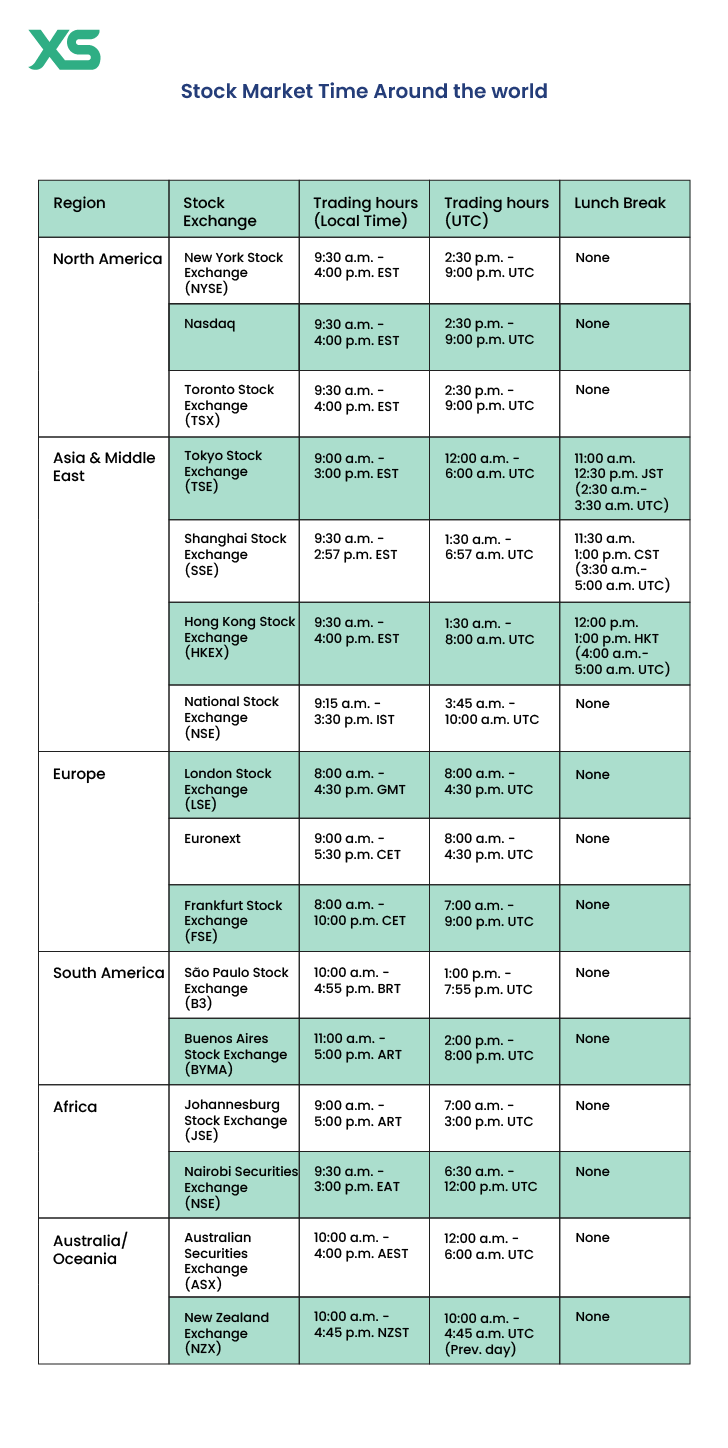
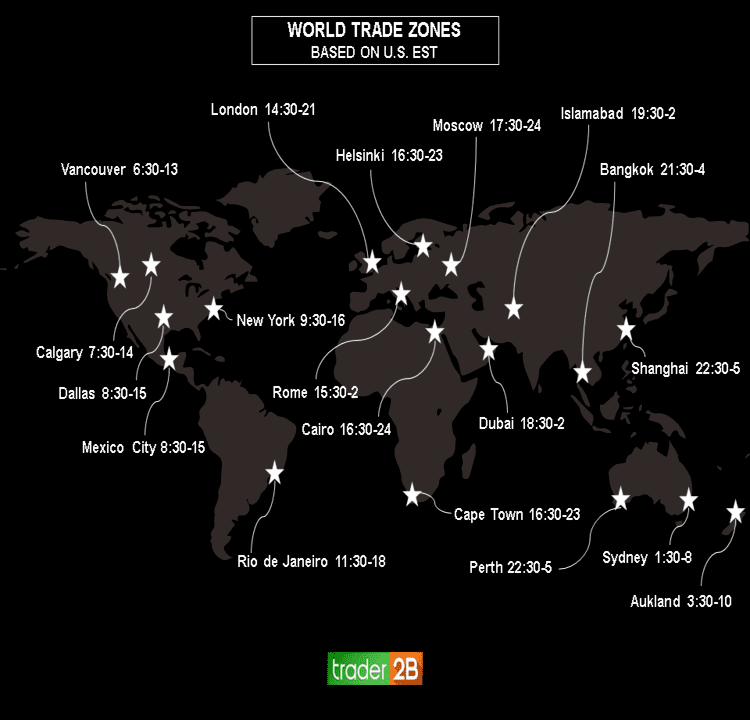
The concept of “market hours” becomes significantly more complex when considering international investing. Financial markets operate globally, creating a near 24/5 trading environment across different time zones. When the U.S. markets close, Asian markets like Tokyo and Shanghai may already be well into their trading day, followed by European markets such as London and Frankfurt before the U.S. reopens.
This interconnectedness means that news or economic events occurring in one part of the world can impact markets globally, even when a specific regional market is closed. For instance, a major economic announcement from China during U.S. market off-hours could influence U.S. stock futures and lead to a gap open when the NYSE or Nasdaq resume trading. Investors with diversified global portfolios must contend with these overlapping and sequential market hours, often necessitating a more dynamic approach to monitoring news and market developments around the clock. Understanding these global rhythms is key to effective international diversification and risk management.
Special Circumstances: Holidays and Early Closures
While the standard 9:30 AM to 4:00 PM ET schedule holds for most weekdays, the stock market is not immune to holidays or occasional abbreviated trading sessions. These exceptions are important for investors to be aware of, as they directly impact trading availability and can influence market behavior.
Stock Market Holidays
The U.S. stock market observes several national holidays, during which it remains fully closed. These closures mean absolutely no trading occurs on NYSE or Nasdaq. Common U.S. stock market holidays include:
- New Year’s Day (January 1)
- Martin Luther King, Jr. Day (Third Monday in January)
- Presidents’ Day (Third Monday in February)
- Good Friday (Varies annually, typically in March or April)
- Memorial Day (Last Monday in May)
- Juneteenth National Independence Day (June 19)
- Independence Day (July 4)
- Labor Day (First Monday in September)
- Thanksgiving Day (Fourth Thursday in November)
- Christmas Day (December 25)
When a holiday falls on a weekend, the market typically observes it on the closest weekday (e.g., if Christmas is on a Saturday, the market closes on Friday; if it’s on a Sunday, it closes on Monday). These holidays provide a complete pause in trading, allowing participants a respite and preventing trading during periods when many businesses and financial institutions are closed.
Early Closures
In addition to full holidays, the stock market occasionally has “early closures,” meaning it operates for a shortened day, typically closing at 1:00 PM ET instead of the usual 4:00 PM ET. These usually occur on specific days around major holidays. Common early closure days include:
- The day before Independence Day (July 3, if not a weekend)
- The day after Thanksgiving Day (Black Friday)
- Christmas Eve (December 24, if not a weekend)
During these shortened sessions, liquidity tends to be lower, and volatility can be unpredictable, especially towards the early close. Investors planning to trade on these days should be mindful of the truncated schedule and adjust their strategies accordingly. It’s also common for professional traders and institutional players to scale back activity on these days, further contributing to thinner trading volumes.
Understanding Market Operating Calendars
Given these varying schedules, it is crucial for all investors to regularly consult the official market operating calendars. Both the NYSE and Nasdaq publish their holiday and early closure schedules well in advance, typically for the entire upcoming year. Brokerage firms also widely communicate these changes to their clients through announcements, website banners, and trading platform notifications.
Failing to check the market calendar can lead to frustration (e.g., trying to place an order when the market is closed) or missed opportunities. For active traders, understanding these schedules is fundamental to planning their weekly and monthly trading strategies, ensuring they are aware of periods of reduced liquidity or complete market downtime.
Beyond Equities: Hours for Other Financial Markets
While equity markets command significant attention, the broader financial world includes a diverse range of markets, each with its own unique trading hours tailored to its specific instruments and global nature.
Bond Markets
Bond markets, particularly the U.S. Treasury market, often operate on a slightly different schedule than equity markets. While there’s a significant overlap, bond trading typically starts at 8:00 AM ET and can close earlier, often around 3:00 PM ET, especially on days preceding a holiday. Much of the bond trading occurs over-the-counter (OTC) rather than on centralized exchanges, involving direct transactions between dealers and institutional investors. This decentralized nature means liquidity can be influenced by the hours of these major market participants. Investors interested in buying or selling bonds should check with their brokerage or bond trading platform for precise daily schedules, especially as bond market hours can sometimes be more flexible or customized than stock market hours.
Commodity Markets
Commodity markets, which trade in raw materials like oil, gold, natural gas, and agricultural products, primarily function through futures exchanges such as the Chicago Mercantile Exchange (CCME Group). These markets are known for their significantly extended trading hours, often operating almost 24 hours a day, five days a week, with only short breaks.
For example, crude oil futures (WTI) on NYMEX (part of CME Group) trade from Sunday evening (e.g., 6:00 PM ET) through Friday afternoon (e.g., 5:00 PM ET), with a daily break. This near 24-hour cycle allows participants from different global time zones to trade seamlessly and react instantly to geopolitical events or supply/demand news that can occur at any time. The extended hours are crucial for managing risk in volatile commodity markets, as they prevent large price gaps that might otherwise occur if trading were confined to shorter periods.
Forex (Foreign Exchange) Market
The foreign exchange market, or Forex, is the largest and most liquid financial market globally, and it operates truly 24 hours a day, five days a week. Unlike stocks, bonds, or most commodities, there is no single central exchange for Forex. Instead, it’s a decentralized global market driven by a network of banks, institutions, and individual traders.
The 24-hour cycle is achieved by seamlessly transitioning trading activity from one major financial center to the next as the earth rotates. It opens with the Sydney market on Sunday evening (ET), followed by Tokyo, then London, and finally New York, before looping back to Sydney. This continuous operation means that currency pairs can be traded virtually anytime from Sunday evening to Friday afternoon, offering immense flexibility to currency traders who can react to economic data and political events as they happen around the world.
Cryptocurrency Markets
A relatively newer entrant to the financial landscape, cryptocurrency markets stand apart by operating 24 hours a day, seven days a week, 365 days a year. There are no traditional “market hours” or closing bells for cryptocurrencies like Bitcoin or Ethereum. Transactions occur on decentralized networks and through global exchanges that never close.
This always-on nature provides unparalleled flexibility for traders but also introduces unique challenges. Prices can fluctuate wildly at any time of day or night, and investors cannot escape market movements, even during traditional holiday periods. This continuous trading environment necessitates different risk management strategies and often encourages automated trading bots to monitor and execute trades around the clock.
Practical Tips for Investors Regarding Market Hours
Navigating the complexities of market hours effectively can be a significant advantage for investors. Beyond simply knowing when markets open and close, understanding how to leverage this information and adapt trading practices is crucial.
Setting Order Types
One of the most practical tips involves strategically using different order types. While a market order ensures immediate execution, it also means accepting the prevailing price, which can be disadvantageous during periods of low liquidity or high volatility (like pre-market or after-hours sessions). In contrast, a limit order allows you to specify the maximum price you’re willing to pay (for a buy order) or the minimum price you’re willing to accept (for a sell order).
For extended-hours trading, limit orders are almost universally recommended due to the thinner liquidity and wider spreads. Many brokers also offer “Good ‘Til Canceled” (GTC) orders, which remain active for a specified period (e.g., 60 days) or until executed/canceled, spanning multiple trading days. Understanding “fill or kill,” “immediate or cancel,” and other advanced order types can further refine your ability to control execution during fluctuating market conditions, particularly outside of core hours.
Managing News and Announcements
Market hours frequently coincide with key corporate and economic announcements. Companies often release quarterly earnings reports either immediately before the market opens (e.g., 7:00-8:00 AM ET) or immediately after it closes (e.g., 4:00-5:00 PM ET). This timing is deliberate, allowing investors time to digest the information before trading begins or after the regular session has concluded, theoretically leading to more orderly price discovery.
Economic data releases (e.g., CPI, jobless claims, Fed announcements) are also precisely scheduled, typically at 8:30 AM ET or 10:00 AM ET, meaning they often hit just before or shortly after the market opens. Savvy investors should monitor these schedules and anticipate potential market reactions. Developing a strategy for how to react to news – whether it’s trading pre-market, waiting for the core session, or adjusting stop-loss orders – is a vital part of risk management.
Utilizing Brokerage Tools
Modern brokerage platforms offer an array of tools that can help investors manage their activity around market hours. Many platforms provide access to pre-market and after-hours trading, though typically with disclaimers about the increased risks. Real-time quotes, customizable news feeds, and economic calendars are standard features that help investors stay informed.
Setting price alerts or news alerts can notify you of significant market movements or breaking stories, allowing you to react promptly, even if you’re not actively watching the market. Additionally, understanding your brokerage’s specific policies for extended-hours trading, including available order types and eligible securities, is crucial. Leveraging these technological tools can empower investors to make more informed and timely decisions, regardless of their preferred trading window.
The seemingly straightforward question, “What are the hours of the stock market?” unravels a complex yet fascinating dimension of financial markets. From the rigid structure of the core equity trading session to the extended flexibility of pre- and after-hours trading, and the continuous operation of global forex and crypto markets, each segment offers distinct opportunities and challenges. Successful investors aren’t just aware of these hours; they integrate this knowledge into their trading strategies, manage risk effectively, and leverage available tools to navigate the market’s pulse. Whether you’re a day trader meticulously planning every minute or a long-term investor patiently awaiting growth, understanding the clock that governs the financial world is an indispensable asset for informed decision-making and sustainable financial growth.
aViewFromTheCave is a participant in the Amazon Services LLC Associates Program, an affiliate advertising program designed to provide a means for sites to earn advertising fees by advertising and linking to Amazon.com. Amazon, the Amazon logo, AmazonSupply, and the AmazonSupply logo are trademarks of Amazon.com, Inc. or its affiliates. As an Amazon Associate we earn affiliate commissions from qualifying purchases.