
The success of your gardening endeavors, whether you’re a hobbyist with a small backyard plot or a commercial grower aiming for optimal yields, hinges on a fundamental understanding of your local climate. At the heart of this understanding lies the concept of Growing Zones, also known as Hardiness Zones. These zones are a vital tool for anyone looking to cultivate plants successfully in the United States. They represent a geographic area defined by its average annual minimum winter temperature, providing a crucial benchmark for determining which plants are most likely to thrive and survive the winter in a particular location.

While the initial thought might connect growing zones directly to the literal act of planting, their implications stretch far beyond that. Understanding your zone can influence your purchasing decisions for plants, your gardening strategies, and even your long-term financial planning related to agriculture or landscaping. In this article, we’ll delve deep into the world of USDA Growing Zones, explore their scientific basis, how to determine your zone, and critically, how this knowledge can inform your decisions across various aspects of your life, from personal finance to technological adoption in your growing operations.
Understanding the Foundation: The USDA Hardiness Zone System
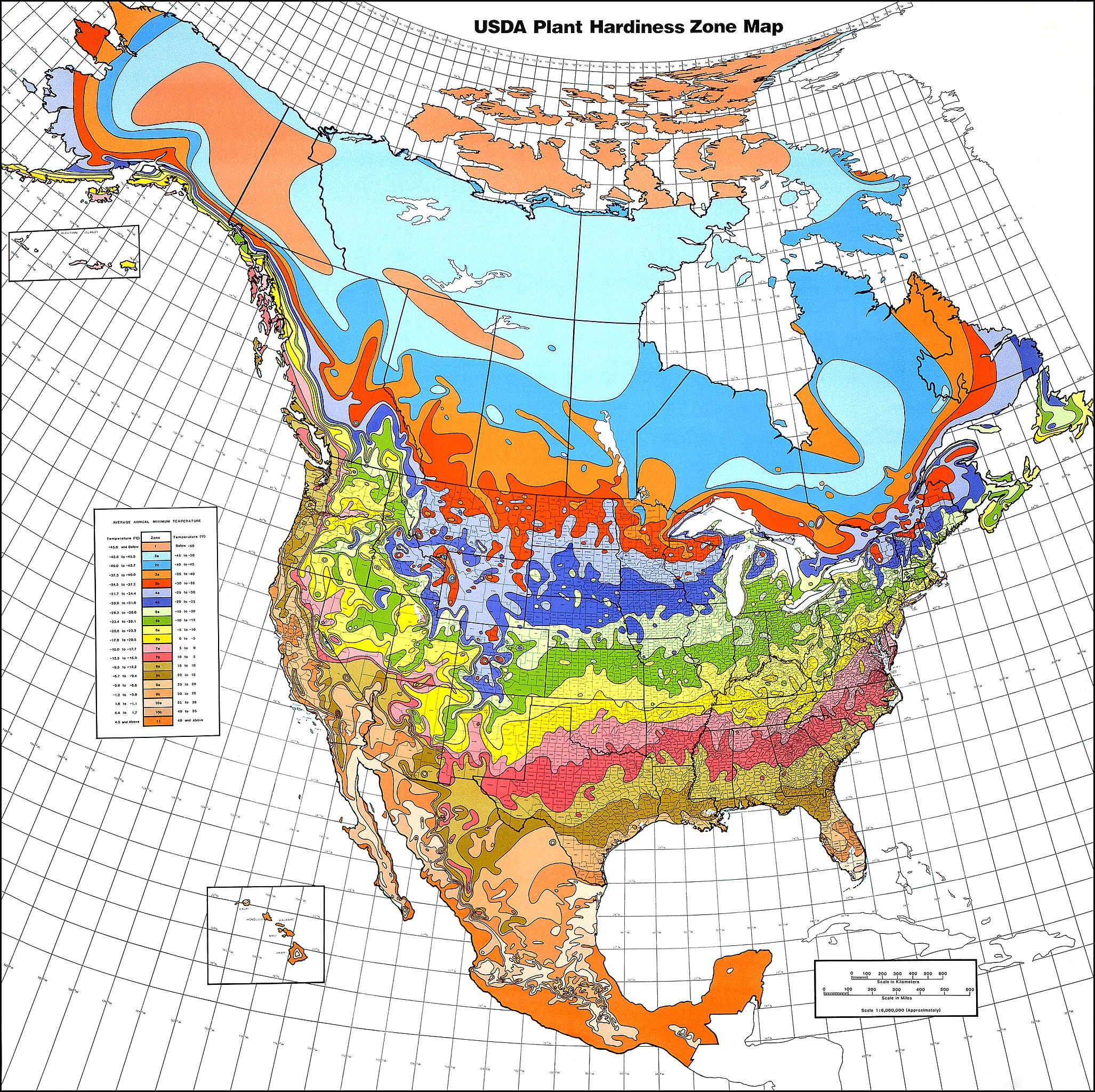
The most widely recognized system for classifying growing zones in the United States is the USDA Plant Hardiness Zone Map. Developed by the U.S. Department of Agriculture (USDA), this map divides the country into 13 distinct zones, each representing a 10°F difference in average annual minimum winter temperature. These zones are further divided into 5°F subzones (e.g., Zone 7a and Zone 7b).
The Science Behind the Zones: Temperature as the Primary Factor
The USDA system is primarily based on the average annual minimum winter temperature. This is not the coldest temperature ever recorded, nor is it a single winter’s extreme. Instead, it represents the average of the lowest winter temperatures recorded over a 30-year period. This averaged approach smooths out year-to-year fluctuations and provides a more reliable indicator of long-term winter survival for perennial plants.
- Zone 1: Represents the coldest regions, with average annual minimum winter temperatures below -50°F. These are typically found in the northernmost reaches of Alaska.
- Zone 13: Represents the warmest regions, with average annual minimum winter temperatures above 60°F, primarily found in parts of Hawaii.
- Zones 2-12: Progressively increase in average minimum winter temperature, covering the vast majority of the continental United States.
It’s crucial to understand that these zones are a guideline, not an absolute rule. Other factors, such as humidity, rainfall, soil type, wind, and the presence of heat sinks (like urban areas) or protective features (like bodies of water), can also significantly impact plant survival and growth. However, the hardiness zone remains the most accessible and widely used metric for initial plant selection.
Why Minimum Winter Temperature Matters for Plant Survival
Perennial plants, which are those that live for more than two years, are particularly sensitive to winter temperatures. Their roots, stems, and buds are exposed to the elements and must withstand the coldest periods of the year. If a plant is rated for a zone warmer than your own, its roots or above-ground structures may be permanently damaged or killed by the winter chill, rendering it unable to survive and regrow in the spring.
Conversely, planting a species in a zone colder than it’s rated for means it might not be hardy enough to survive the prolonged periods of freezing temperatures, leading to its demise. The hardiness zone provides a crucial starting point for gardeners to select plants that have a reasonable chance of surviving their local winters.
Determining Your Growing Zone: Empowering Your Planting Decisions
Knowing your growing zone is the first, and arguably most important, step in successful gardening and agriculture. This knowledge directly informs your choices, saving you time, money, and the disappointment of watching your carefully chosen plants fail to thrive.
Accessing the USDA Plant Hardiness Zone Map
The USDA provides an interactive online map that allows you to easily determine your specific growing zone. You can typically access this by searching for “USDA Plant Hardiness Zone Map” online. Once you’ve found the official map, you’ll usually be prompted to enter your ZIP code. The map will then highlight your location and display the corresponding hardiness zone and subzone.
Online Resources and Tools:
Beyond the official USDA map, many gardening websites and apps offer similar zone-finding tools. These can sometimes offer additional features, such as:
- Plant databases: Cross-referencing plant hardiness with your zone.
- Gardening tips: Tailored advice based on your zone.
- Local climate data: Providing more nuanced information than just minimum temperatures.

Beyond the ZIP Code: Factors Influencing Microclimates
While your ZIP code will give you a general idea of your zone, it’s important to recognize the concept of microclimates. These are small, localized variations in climate that can significantly impact plant growth. Understanding your microclimate can help you refine your planting strategy even further.
- Elevation: Higher elevations are generally colder than lower elevations within the same geographic area.
- Proximity to Water: Large bodies of water can moderate temperatures, making coastal areas or regions near lakes warmer in the winter and cooler in the summer than inland areas at the same latitude.
- Urban Heat Islands: Cities and densely populated areas tend to be warmer than surrounding rural landscapes due to the heat absorbed and retained by buildings and pavement. This can create a warmer microclimate, potentially allowing for the cultivation of plants that are rated for a slightly warmer zone.
- Topography: Valleys can be prone to frost pockets, while south-facing slopes might receive more sun and experience warmer temperatures.
- Wind Exposure: Exposed locations can experience harsher conditions, while areas protected by buildings or dense vegetation may offer a more sheltered environment.
By observing your immediate surroundings and considering these microclimate factors, you can make more informed decisions about where to plant specific species in your garden or farm.
The Role of Technology in Zone Determination and Application
In today’s tech-driven world, determining and utilizing growing zone information has become increasingly sophisticated. Beyond simple online maps, a range of technological tools are emerging to assist gardeners and growers:
- Advanced Mapping Software: GIS (Geographic Information System) software allows for highly detailed mapping of growing zones, incorporating more granular data than simple ZIP code lookups. This is invaluable for commercial operations planning large-scale planting.
- Mobile Gardening Apps: Many apps now integrate USDA zone data, allowing users to quickly check their zone, search for plants suitable for their area, and even receive customized planting advice.
- Smart Garden Systems: Some smart garden devices and sensors can monitor local environmental conditions, providing real-time data that can be correlated with hardiness zone information to optimize watering and other care routines.
- AI-Powered Plant Recommendations: Emerging AI tools are beginning to analyze vast datasets, including climate information, soil types, and historical success rates, to provide highly personalized plant recommendations based on your specific location and growing zone.
These technological advancements empower both novice and experienced growers with more precise information, leading to more successful and sustainable cultivation practices.
Expanding Your Horizons: Growing Zones and Their Wider Implications
The significance of growing zones extends far beyond simply choosing which perennials to plant. This knowledge can impact business strategies, financial planning, and even the adoption of new technologies.
Impact on Personal Finance and Investment
For individuals passionate about gardening as a hobby or a source of fresh produce, understanding growing zones has direct financial implications:
- Cost Savings: By selecting plants that are well-suited to your zone, you reduce the likelihood of them dying and needing to be replaced. This saves money on plant purchases and replacement supplies.
- Optimized Yields: For those growing fruits, vegetables, or herbs for personal consumption or for sale at local markets, choosing plants appropriate for your zone maximizes the chances of a successful harvest, leading to greater self-sufficiency or income.
- Reduced Input Costs: Plants that struggle in an unsuitable zone may require more water, fertilizer, and pest control measures to survive. Choosing the right plants minimizes these additional expenses.
- Informed Landscaping Decisions: For homeowners, understanding growing zones is crucial when planning landscaping projects. Investing in trees, shrubs, and flowers that are hardy in your zone ensures a long-lasting and aesthetically pleasing landscape, avoiding costly replacements.
Business and Brand Strategy in Horticulture and Agriculture
For businesses operating in the horticultural and agricultural sectors, growing zones are a critical component of their business and brand strategy:
- Product Development and Sourcing: Nurseries and garden centers must stock plants appropriate for the zones they serve. Sourcing plants from regions with vastly different hardiness zones can lead to logistical challenges and higher mortality rates during transport and acclimatization.
- Marketing and Branding: A brand’s reputation in the gardening industry is built on providing reliable advice and quality products. Accurately marketing plants based on their hardiness zone is essential for customer satisfaction and building trust. Brands that offer “zone-specific” collections or guidance demonstrate expertise and cater directly to consumer needs.
- Supply Chain Management: For large-scale growers or distributors, understanding the growing zones of their markets is vital for efficient supply chain management. This influences where they establish growing facilities, how they transport plants, and how they manage inventory to minimize losses.
- Brand Storytelling: A brand can weave compelling narratives around their understanding of regional climates and plant hardiness. This can resonate with consumers who are seeking locally adapted solutions and appreciate a brand that demonstrates genuine knowledge of their environment.
Leveraging Technology for Enhanced Growing Operations
The intersection of growing zones and technology opens up significant opportunities for innovation and efficiency:
- Precision Agriculture: For commercial growers, understanding exact growing zones, often down to a subzone or even finer resolution, is a cornerstone of precision agriculture. This allows for hyper-localized recommendations for planting density, irrigation schedules, and fertilizer application.
- AI for Crop Suitability Analysis: AI tools can analyze vast datasets of climate, soil, and historical yield information to predict the optimal crops for specific growing zones, even identifying novel crop varieties that might thrive in changing climate conditions.
- Digital Security in Growing Systems: As more agricultural operations become digitized and connected, ensuring the security of these systems is paramount. This includes protecting sensitive data related to yield, climate, and financial projections, as well as securing automated growing equipment from cyber threats.
- E-commerce and Plant Sales: Online plant retailers can use growing zone data to filter available plants for customers based on their location, ensuring that only suitable options are presented. This improves the customer experience and reduces returns due to plant failure.
- Data Analytics for Forecasting: By analyzing historical data on plant performance within specific growing zones, businesses can develop more accurate forecasts for production, sales, and market demand, which can then inform financial planning and investment strategies.
In conclusion, the seemingly simple concept of “growing zones in the United States” is a powerful and multifaceted tool. It serves as a fundamental guide for gardeners and growers, influencing everything from personal finances and brand building to the adoption of cutting-edge technologies. By understanding and effectively utilizing this information, individuals and businesses alike can cultivate greater success, efficiency, and sustainability in their endeavors.
aViewFromTheCave is a participant in the Amazon Services LLC Associates Program, an affiliate advertising program designed to provide a means for sites to earn advertising fees by advertising and linking to Amazon.com. Amazon, the Amazon logo, AmazonSupply, and the AmazonSupply logo are trademarks of Amazon.com, Inc. or its affiliates. As an Amazon Associate we earn affiliate commissions from qualifying purchases.