
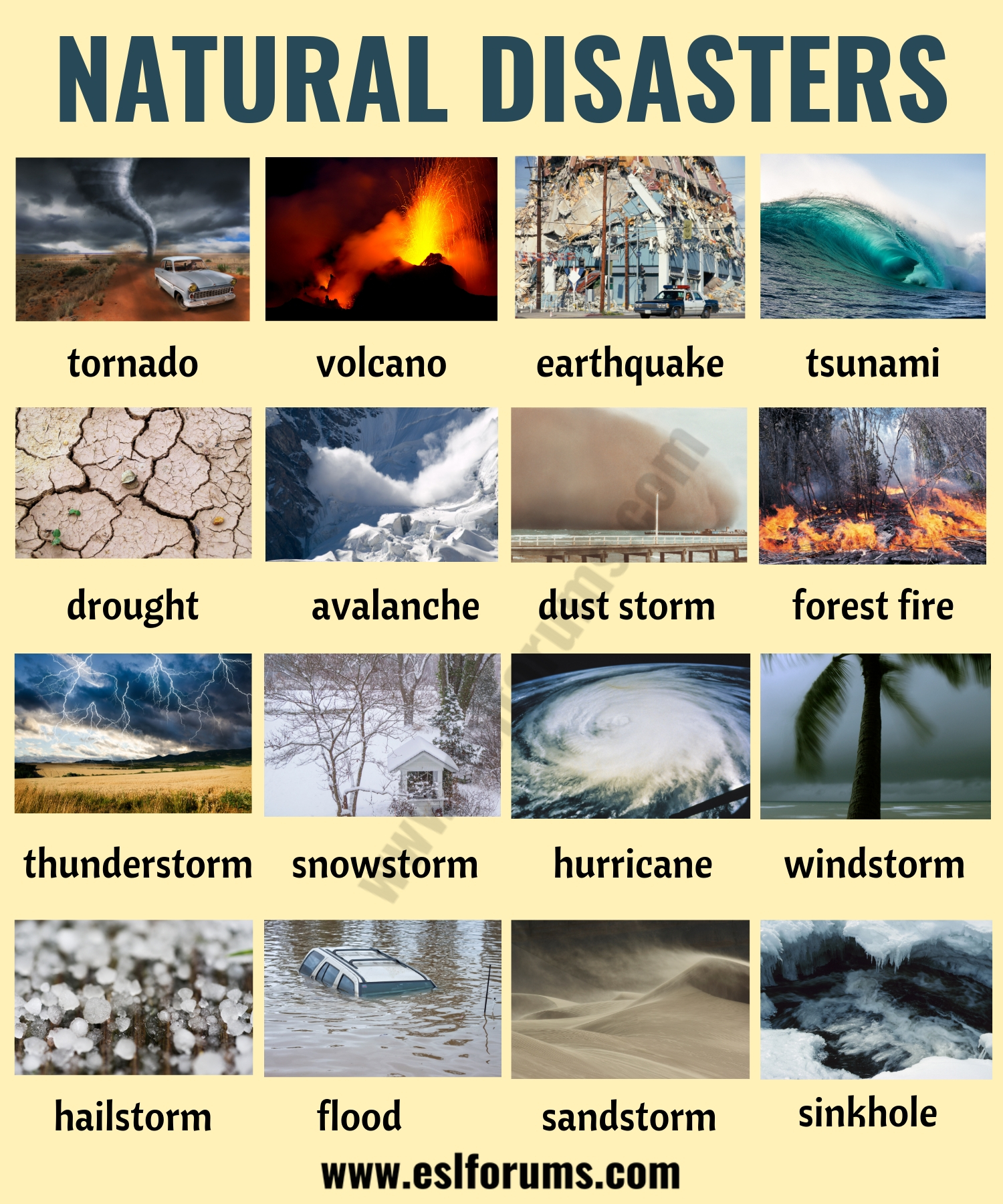
Natural disasters are powerful, often catastrophic events that originate from the Earth’s geological and meteorological processes. They strike with little warning, leaving a trail of destruction and impacting lives, infrastructure, and economies. While we cannot prevent these natural forces, understanding their various types is crucial for effective preparedness, mitigation, and response. This article will explore the diverse spectrum of natural disasters, categorizing them based on their origins and the forces that drive them. We will also briefly touch upon how our technologically advanced world and strategic planning play an increasingly vital role in managing their aftermath.
Geological Disasters: The Earth’s Unsettled Foundation
Geological disasters stem from the immense forces within and beneath the Earth’s crust. These events are often sudden and violent, shaping landscapes and posing significant threats.
Earthquakes: The Ground’s Trembling Fury
Earthquakes are perhaps the most widely recognized geological disaster. They occur when the Earth’s tectonic plates, massive slabs of rock that make up the lithosphere, shift, slide, or collide. This movement releases immense energy in the form of seismic waves, causing the ground to shake.
- Causes: The vast majority of earthquakes are caused by the movement of tectonic plates along fault lines. These plates are constantly in motion, driven by convection currents in the Earth’s mantle. When stress builds up along a fault and exceeds the strength of the rocks, a sudden rupture occurs, releasing energy. Volcanic activity can also trigger earthquakes, as magma moves beneath the surface.
- Types of Earthquakes:
- Shallow-focus earthquakes: These occur at depths of up to 70 kilometers and are typically the most destructive because their energy is released closer to the surface.
- Intermediate-focus earthquakes: Occurring between 70 and 300 kilometers deep.
- Deep-focus earthquakes: These happen at depths greater than 300 kilometers and are generally less damaging to the surface.
- Impacts: The immediate impact of an earthquake is ground shaking, which can lead to the collapse of buildings, bridges, and other structures. Secondary hazards include landslides, tsunamis (if the earthquake occurs underwater), fires (due to ruptured gas lines and electrical wires), and liquefaction (where saturated soil behaves like a liquid). The long-term effects can include widespread displacement of populations, economic disruption, and psychological trauma.
Volcanoes: Fiery Mountains of Destruction
Volcanoes are openings in the Earth’s crust through which molten rock (magma), volcanic ash, and gases erupt. While some volcanic eruptions are relatively gentle, others can be incredibly destructive.
- Causes: Volcanoes form at plate boundaries where one plate subducts beneath another, or at “hotspots” where plumes of magma rise from deep within the mantle. As magma rises to the surface, pressure builds, leading to an eruption.
- Types of Eruptions:
- Effusive eruptions: Characterized by the relatively gentle outpouring of lava.
- Explosive eruptions: Involve the violent ejection of ash, gas, and rock fragments. These are often more dangerous due to the force and range of ejected material.
- Impacts: Volcanic eruptions can have devastating consequences, including:
- Lava flows: Molten rock that can engulf everything in its path.
- Pyroclastic flows: Superheated, fast-moving currents of gas, ash, and rock fragments that are extremely lethal.
- Ashfall: Fine particles of volcanic rock that can blanket vast areas, disrupting air travel, damaging crops, and causing respiratory problems.
- Lahars: Mudflows composed of volcanic debris and water, which can travel long distances down river valleys.
- Volcanic gases: Can be toxic and contribute to climate change.
Landslides and Mudslides: The Force of Gravity Unleashed
Landslides are the movement of rock, debris, or earth down a slope. Mudslides, a specific type of landslide, involve a rapid flow of water-saturated soil and rock.
- Causes: While gravity is the primary driving force, landslides are often triggered by other factors such as heavy rainfall, earthquakes, volcanic eruptions, deforestation, and human activities like construction.
- Types: Landslides can range from slow creep to rapid, catastrophic collapses. They are classified by the material involved (rockfall, debris flow, mudflow) and the type of movement (rotational, translational).
- Impacts: Landslides can bury homes, roads, and infrastructure, causing significant damage and loss of life. They can also block rivers, leading to flooding and creating new hazards.
Meteorological and Climatological Disasters: The Power of the Atmosphere and Climate
These disasters are driven by weather patterns and long-term climatic changes, affecting vast regions and often impacting human populations through extreme weather phenomena.
Hurricanes, Typhoons, and Cyclones: The Spiraling Giants of the Sea
These are all names for the same phenomenon: powerful tropical storms characterized by strong winds, heavy rainfall, and a storm surge. The specific name depends on the geographical region where they occur.
- Causes: Tropical storms form over warm ocean waters, drawing energy from the heat and moisture. They require specific atmospheric conditions, including low wind shear and pre-existing weather disturbances, to develop and intensify.
- Stages of Development:
- Tropical Depression: A rotating system of clouds and thunderstorms with a defined circulation.
- Tropical Storm: When sustained winds reach 39-73 mph (63-117 km/h).
- Hurricane/Typhoon/Cyclone: When sustained winds reach 74 mph (119 km/h) or higher.
- Impacts: The destructive potential of these storms is immense:
- High winds: Can cause widespread structural damage and uproot trees.
- Heavy rainfall: Leads to inland flooding.
- Storm surge: A dangerous rise in sea level that can inundate coastal areas, causing catastrophic flooding and erosion.
- Tornadoes: Can also form within the outer bands of these storms.
Tornadoes: The Violent Twisting Columns of Air
Tornadoes are rapidly rotating columns of air that extend from a thunderstorm to the ground. They are characterized by their destructive power and often unpredictable paths.
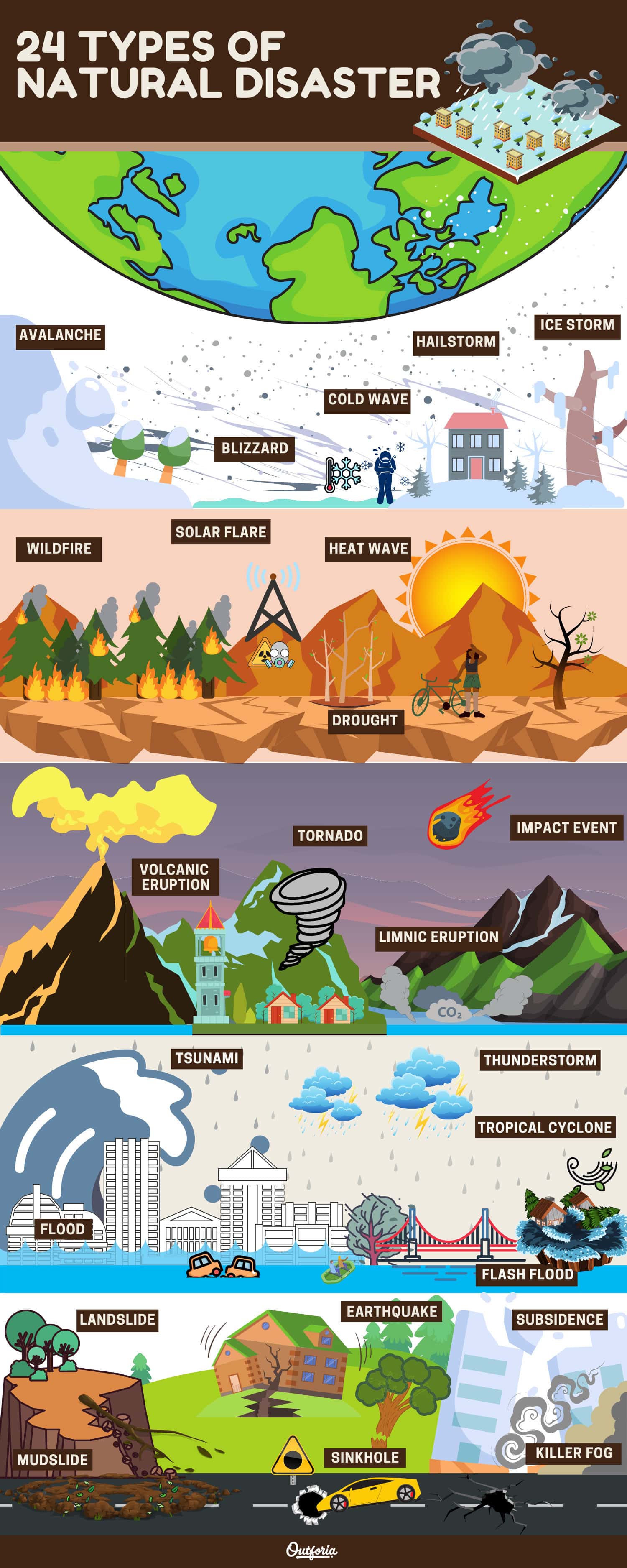
- Causes: Tornadoes typically form from severe thunderstorms known as supercells, which possess a rotating updraft called a mesocyclone. When conditions are right, this rotation can tighten and extend downwards to touch the ground.
- Intensity: Tornadoes are classified using the Enhanced Fujita (EF) Scale, which rates them from EF0 (light damage) to EF5 (incredible damage).
- Impacts: The violent winds of a tornado can rip apart buildings, toss vehicles, and cause immense destruction in their path.
Floods: The Overwhelming Surge of Water
Floods are overflows of water that submerge land that is usually dry. They are one of the most common and devastating natural disasters worldwide.
- Causes: Floods can be caused by a variety of factors, including:
- Heavy rainfall: Prolonged or intense rainfall can overwhelm rivers and drainage systems.
- Storm surges: Coastal flooding caused by hurricanes or other intense storms.
- Melting snow and ice: Rapid snowmelt can cause rivers to overflow.
- Dam failures: The collapse of man-made dams can release massive amounts of water.
- Tsunamis: Large ocean waves generated by underwater earthquakes or volcanic eruptions.
- Types:
- Flash floods: Rapidly rising water levels, often occurring in narrow valleys or urban areas.
- Riverine floods: Occur when a river overflows its banks, typically over a longer period.
- Coastal floods: Inundation of coastal areas by high tides or storm surges.
- Urban floods: Occur in cities due to inadequate drainage systems during heavy rainfall.
- Impacts: Floods can cause extensive property damage, loss of life, displacement of communities, and contamination of water sources.
Droughts: The Thirst of the Land
Droughts are prolonged periods of abnormally low rainfall, leading to a shortage of water. They are often slow to develop but can have far-reaching consequences.
- Causes: Droughts are primarily caused by prolonged periods of below-average precipitation. Factors contributing to their severity include higher temperatures, increased evaporation, and changes in atmospheric circulation patterns.
- Impacts: The effects of drought are multifaceted:
- Water scarcity: Affecting drinking water supplies, agriculture, and industry.
- Crop failure: Leading to food shortages and economic hardship for farmers.
- Increased risk of wildfires: Dry vegetation becomes highly flammable.
- Ecosystem disruption: Affecting wildlife and plant life.
- Dust storms: Dry soil can be easily picked up by the wind.
Extreme Temperatures: Heatwaves and Cold Snaps
Unusually high or low temperatures can also constitute natural disasters, posing significant risks to human health and infrastructure.
- Heatwaves: Prolonged periods of excessively hot weather can lead to heatstroke, dehydration, and exacerbate existing health conditions. They can also strain power grids due to increased demand for air conditioning and increase the risk of wildfires.
- Cold Snaps/Blizzards: Extreme cold can cause hypothermia, frostbite, and disrupt transportation and power systems due to ice and snow. Blizzards, characterized by heavy snowfall and strong winds, can lead to widespread disruption and dangerous travel conditions.
Other Significant Natural Disasters
While the above categories encompass the most frequent and impactful natural disasters, other phenomena also warrant mention.
Wildfires: The Uncontrolled Blaze
Wildfires are uncontrolled fires that spread rapidly through vegetation, often in forests, grasslands, or agricultural areas.
- Causes: While lightning is a natural cause, human activities such as campfires, discarded cigarettes, and arson are significant contributors. Drought conditions and high winds exacerbate the risk and spread of wildfires.
- Impacts: Wildfires destroy habitats, threaten human settlements, cause air pollution from smoke, and can lead to soil erosion and loss of biodiversity.
Tsunamis: The Wall of Water
Tsunamis are a series of enormous waves created by a large-scale disturbance, most commonly an underwater earthquake.
- Causes: Besides underwater earthquakes, volcanic eruptions, landslides into the ocean, and even asteroid impacts can generate tsunamis.
- Impacts: Tsunamis can travel across entire oceans and cause devastating destruction when they reach coastal areas, inundating land with immense volumes of water and debris.

Conclusion
The Earth’s dynamic nature constantly presents us with formidable natural challenges. From the deep rumbles of earthquakes to the relentless fury of hurricanes, these events underscore our vulnerability. Understanding the distinct characteristics and causes of each type of natural disaster is the first step towards building resilience. In our modern age, technology plays an increasingly crucial role in early warning systems, communication, and disaster response. Coupled with robust brand strategies that foster community preparedness and personal financial planning for unforeseen events, we can better equip ourselves to face the inevitable forces of nature. By acknowledging these diverse threats, we can dedicate ourselves to preparedness, mitigation, and ultimately, a more secure future.
aViewFromTheCave is a participant in the Amazon Services LLC Associates Program, an affiliate advertising program designed to provide a means for sites to earn advertising fees by advertising and linking to Amazon.com. Amazon, the Amazon logo, AmazonSupply, and the AmazonSupply logo are trademarks of Amazon.com, Inc. or its affiliates. As an Amazon Associate we earn affiliate commissions from qualifying purchases.