
The quest for the perfect home decor style is more than just about aesthetics; it’s about creating a sanctuary that reflects your personality, enhances your well-being, and even optimizes your productivity and financial goals. In a world increasingly influenced by technology, savvy branding, and smart financial management, your living space can become a powerful extension of these aspirations. This exploration delves into the diverse world of home decor styles, not just from a visual perspective, but through the lens of how they can integrate with your technological savvy, personal brand, and financial well-being.

The Foundation: Understanding Your Personal Style DNA
Before diving into specific decor styles, it’s crucial to understand what truly resonates with you. This self-discovery is akin to developing a personal brand – identifying your core values, your desired perception, and the elements that make you unique.
Decoding Your Aesthetic Preferences: A Tech-Infused Approach
While intuition plays a role, technology can offer fascinating insights into your aesthetic preferences. Think of it as using AI-powered tools to understand your visual language.
- Visual Inspiration Platforms: Websites and apps like Pinterest and Instagram are invaluable. Actively curate boards, saving images of rooms, furniture, and color palettes that catch your eye. Over time, a pattern will emerge. Are you drawn to clean lines and minimalist compositions? Do you gravitate towards warm textures and intricate details? Analyzing your saved images can reveal a subconscious preference for certain styles.
- AI-Powered Design Tools: Emerging AI tools can analyze your existing decor, suggest complementary pieces, or even generate entirely new design concepts based on your input. While still developing, these tools can offer objective feedback on your current aesthetic and propose styles you might not have considered. They can help identify recurring themes in your saved images, such as a preference for a specific color saturation or material type.
- Color Psychology and Tech Integration: Understanding the psychological impact of colors is a powerful tool for interior design. Different colors evoke different moods and can even influence productivity. For example, blues and greens are known for their calming effects, while yellows and oranges can stimulate creativity. Apps and online resources can help you explore color palettes and their associated emotions, allowing you to tailor your space for specific functions, like a home office designed for focused work or a living room designed for relaxation.
The Role of Personal Branding in Your Home
Your home is a physical manifestation of your personal brand. It communicates your values, your success, and your lifestyle to yourself and to others.
- Consistency and Cohesion: Just as a strong brand has a consistent visual identity, your home decor should aim for a cohesive aesthetic. This doesn’t mean every piece must be identical, but rather that there should be a discernible thread connecting your choices. This could be a consistent color palette, a recurring material, or a shared design philosophy.
- Storytelling Through Decor: Your decor can tell a story about your journey, your passions, and your achievements. A well-placed artifact from your travels, a piece of art that represents a significant milestone, or even a collection of books that reflect your intellectual pursuits – these elements add depth and personality, much like a compelling brand narrative.
- Creating an Impression: Whether you’re hosting clients, colleagues, or friends, your home makes an impression. A well-designed space can convey professionalism, creativity, and attention to detail – qualities that are highly valued in both personal and professional branding. Consider how your chosen decor style aligns with the image you wish to project.
Exploring Popular Home Decor Styles Through a Modern Lens
Now, let’s delve into some of the most prevalent home decor styles, examining how they can be adapted and enhanced by considering technology, branding, and financial implications.
Modern and Minimalist: The Power of Simplicity and Efficiency
The Modern and Minimalist styles are characterized by clean lines, uncluttered spaces, and a focus on functionality. This aesthetic often resonates with those who value efficiency and technological integration.
H2: Embracing Modern Aesthetics for Enhanced Productivity
-
H3: The Tech-Savvy Minimalist Home: This style is a natural fit for a tech-forward individual. Think integrated smart home devices, hidden wiring, and furniture that serves multiple purposes. A minimalist living room might feature a sleek, wall-mounted television that doubles as digital art when not in use, or a smart speaker discreetly placed within a sculptural element.
- Technology Integration: Smart lighting systems that adjust based on time of day or activity, automated blinds, and voice-controlled appliances seamlessly blend into a minimalist environment. The focus is on technology that enhances convenience and reduces visual clutter.
- Branding Alignment: A minimalist home projects an image of sophistication, order, and clarity – desirable traits for any personal or corporate brand. It suggests a mind that is focused and organized.
- Financial Smarts: Minimalism often translates to conscious consumerism. By prioritizing quality over quantity and investing in versatile, well-designed pieces, you can save money in the long run by avoiding fleeting trends and frequent replacements. Consider the long-term value and cost-per-use of each item.
-
H3: Functional Furniture and Smart Storage: In a minimalist space, every piece of furniture should have a purpose. Opt for modular sofas, nesting tables, and ottomans with hidden storage.
- Productivity Boost: Well-organized storage solutions in a minimalist home free up mental space, reducing distractions and improving focus. This is particularly beneficial for home office setups, where decluttering can lead to increased output.
- Financial Savings: Investing in multi-functional furniture can reduce the number of items you need to purchase, ultimately saving money.
Mid-Century Modern: Retro Charm Meets Contemporary Functionality
Mid-Century Modern design, popular from the mid-1940s to the late 1960s, embraces organic shapes, natural materials, and a blend of form and function. It offers a warm and inviting aesthetic that can be surprisingly adaptable to modern needs.
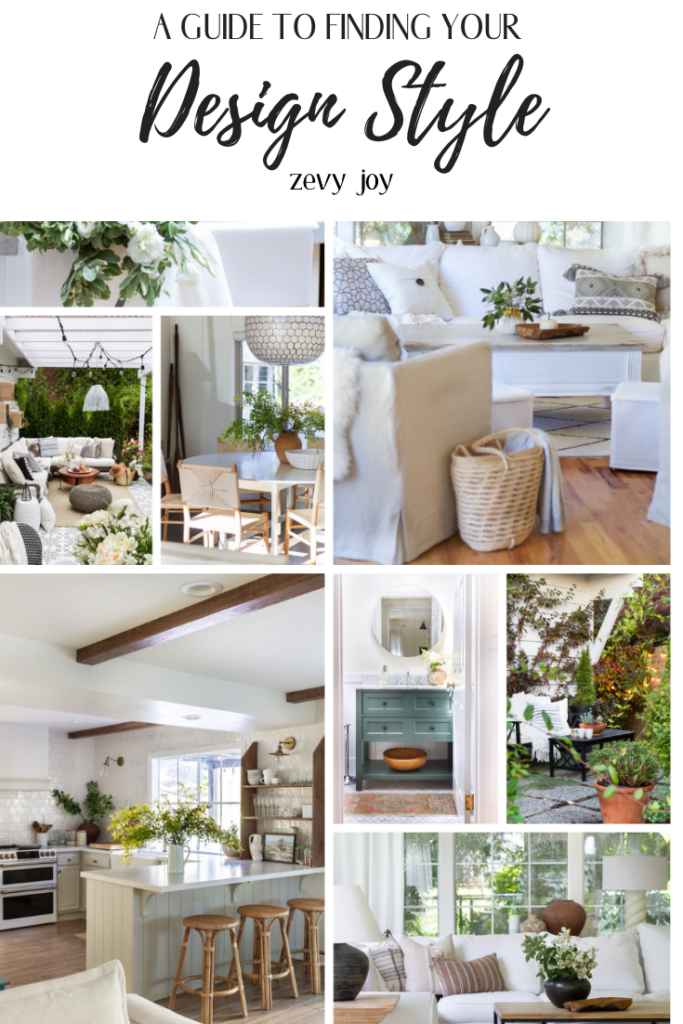
H2: Infusing Mid-Century Charm with Smart Technology
-
H3: Bringing Back the Warmth: Natural Materials and Color Palettes: This style emphasizes wood tones, often with teak or walnut finishes, alongside pops of vibrant, earthy colors. Think avocado green, burnt orange, and mustard yellow.
- Personal Branding with Personality: Incorporating vintage pieces or inspired reproductions can add a unique and personal touch to your home, reflecting a curated taste and appreciation for history.
- Financial Considerations: Sourcing authentic mid-century pieces can be an investment, but it also offers the potential for appreciation in value. Look for well-maintained vintage items or consider high-quality reproductions that offer similar aesthetics at a more accessible price point.
-
H3: The Smartly Integrated Retro Space: While the aesthetic is retro, the technology within can be decidedly modern. Discreetly integrated smart home devices can enhance the functionality without detracting from the charm.
- Tech for Comfort and Convenience: Smart thermostats can maintain the ideal temperature without visible controls, and smart lighting can be programmed to mimic natural light patterns, enhancing the cozy ambiance.
- Digital Security in a Cozy Setting: Ensure your smart home devices are secured with strong passwords and updated software to protect your personal data, even within a retro-inspired environment.
Scandinavian Design: Hygge, Simplicity, and Natural Light
Scandinavian design is synonymous with “hygge” – a Danish concept of coziness and contentment. It prioritizes natural light, simplicity, and functional, comfortable living.
H2: Creating a Harmonious Home with Scandinavian Principles
-
H3: The Hygge Home: Comfort, Simplicity, and Connection: This style is characterized by light-filled spaces, neutral color palettes (whites, grays, pale blues), natural wood, and textiles like wool and linen. The emphasis is on creating a warm, inviting, and functional environment.
- Personal Branding as Approachable and Thoughtful: A Scandinavian-inspired home exudes a sense of calm, approachability, and a mindful lifestyle. This can be a powerful aspect of your personal brand, suggesting you value balance and well-being.
- Financial Benefits of Mindful Consumption: Scandinavian design encourages thoughtful purchasing. By focusing on quality, durability, and timeless pieces, you invest in items that last, reducing the need for constant replacements and saving money in the long run.
-
H3: Smart Technology for Effortless Living: Integrating technology into a Scandinavian space is about enhancing comfort and convenience without compromising the aesthetic.
- Ambient Technology: Smart lighting that mimics natural daylight, subtly controlled heating systems, and discreetly placed smart speakers can all contribute to the effortless comfort of a hygge home.
- Productivity in a Peaceful Environment: The calm and organized nature of Scandinavian design can foster productivity. A clutter-free workspace with ample natural light, augmented by subtle technological aids, can be ideal for focused work.
Industrial Style: Raw Materials and Urban Sophistication
Industrial style draws inspiration from old factories and warehouses, featuring exposed brick, metal accents, unfinished wood, and open-plan layouts. It offers a rugged yet sophisticated aesthetic.
H2: Leveraging Industrial Design for a Statement
-
H3: The Raw Beauty: Exposed Elements and Bold Textures: This style celebrates the utilitarian and the imperfect. Exposed ductwork, concrete floors, and reclaimed wood are key features.
- Brand Identity: Boldness and Authenticity: An industrial-style home conveys a sense of strength, authenticity, and a willingness to embrace the unconventional. This can be a powerful statement for a brand that values innovation and a no-nonsense approach.
- Financial Savvy in Material Choices: Reclaimed materials can often be more affordable and environmentally friendly than new ones, aligning with both cost-consciousness and sustainability goals.
-
H3: Modernizing the Machine: Tech and Functionality: While the aesthetic is raw, modern technology can be seamlessly integrated to enhance functionality.
- Smart Infrastructure: Exposed conduits can cleverly house wiring for smart home systems, and industrial-style lighting fixtures can be fitted with smart bulbs.
- Productivity and Durability: The robust nature of industrial materials lends itself to a durable and long-lasting environment. This can be a wise financial investment. Consider how robust design choices can minimize maintenance and repair costs.
Bohemian Style: Eclectic, Expressive, and Personal
Bohemian style is all about expressing individuality and embracing a free-spirited, eclectic aesthetic. It’s a vibrant mix of colors, patterns, textures, and unique finds.
H2: Curating a Bohemian Narrative
-
H3: The Art of the Mix: Global Influences and Personal Treasures: Bohemian decor is characterized by layering, vibrant colors, global textiles, vintage furniture, and a plethora of personal items like art, books, and plants.
- Personal Branding as Creative and Open-Minded: A bohemian space is a direct reflection of a creative, adventurous, and open-minded personality. It tells a story of experiences and individual tastes.
- Financial Flexibility and Found Treasures: This style encourages finding unique items from flea markets, antique shops, and travels, making it an economically flexible option that prioritizes sentiment and character over brand names.
-
H3: Tech in the Tapestry: Even in a free-flowing bohemian space, technology can play a role in enhancing enjoyment and functionality.
- Atmospheric Tech: Smart speakers can provide background music for a relaxed atmosphere, and projectors can create an immersive visual experience for movie nights.
- Digital Organization for Creative Chaos: While visually eclectic, maintaining a sense of order can be key. Digital tools for organizing inspiration, managing projects, or even cataloging collections can complement the creative spirit without disrupting the aesthetic.

Conclusion: Your Home as a Smart Investment
Ultimately, your home decor style is a personal journey. By understanding the core principles of different aesthetics and considering how they can be enhanced by technology, aligned with your personal brand, and managed with financial prudence, you can create a space that is not only beautiful but also functional, inspiring, and a true reflection of your modern life. Whether you’re aiming for the sleek efficiency of minimalism, the cozy charm of Scandinavian design, or the expressive spirit of bohemianism, your home can be a powerful asset in achieving your personal and professional goals. The key is to approach your decor with intention, just as you would approach a new technology investment, a brand strategy, or a financial plan – with a clear vision and a smart execution.
aViewFromTheCave is a participant in the Amazon Services LLC Associates Program, an affiliate advertising program designed to provide a means for sites to earn advertising fees by advertising and linking to Amazon.com. Amazon, the Amazon logo, AmazonSupply, and the AmazonSupply logo are trademarks of Amazon.com, Inc. or its affiliates. As an Amazon Associate we earn affiliate commissions from qualifying purchases.