
The quest for the perfect set of golf irons is a journey many players undertake, driven by the desire to improve their game, achieve greater distance, enhance accuracy, and ultimately, score lower. While the artistry of a well-struck iron shot is timeless, the technology embedded within modern golf irons has evolved at an unprecedented pace. Gone are the days of simple forged blades being the sole benchmark of quality. Today’s market is a sophisticated landscape of materials science, aerodynamic engineering, and intricate design philosophies, all aimed at optimizing performance for a diverse range of golfers. This article will delve into the technological advancements that define the “best” golf irons, exploring the innovations that are pushing the boundaries of what’s possible on the fairway and the green. We will dissect the key technological elements that contribute to an iron’s performance, examining how different designs cater to specific player needs and how the latest innovations are reshaping the game.

The Evolving Landscape of Iron Construction and Materials
The foundation of any golf iron’s performance lies in its construction and the materials used. What was once a relatively straightforward process of forging or casting steel has transformed into a multi-material marvel, incorporating advanced alloys, polymers, and even exotic composites. Understanding these material choices is crucial to appreciating why certain irons perform better than others.
Forged vs. Cast Irons: A Tale of Two Manufacturing Processes
The fundamental difference in manufacturing processes – forging and casting – dictates a significant portion of an iron’s feel and performance characteristics.
Forged Irons: The Pursuit of Feel and Control
Forged irons are typically made from a single block of soft carbon steel (often 1025 or 1030 carbon steel). This block is heated and then repeatedly struck by a hammer in a hydraulic press, shaping it into the desired clubhead profile. This process aligns the grain structure of the metal, resulting in a denser, more uniform material.
Key Technological Advantages of Forged Irons:
- Superior Feel and Feedback: The primary advantage of forging is the exceptional feel and feedback it provides. Golfers often describe forged irons as having a “buttery” or “soft” impact, allowing them to precisely discern the quality of their strike. This enhanced feedback is invaluable for skilled players who rely on it to make subtle adjustments to their swing.
- Enhanced Workability: The softer nature of forged steel makes them more malleable, allowing skilled golfers to impart spin and shape their shots with greater ease. This “workability” is essential for advanced players looking to manipulate ball flight for specific strategic advantages.
- Precise Loft and Lie Adjustments: Forged irons are more forgiving when it comes to bending the clubface to adjust loft and lie angles. This is a critical customization option for golfers seeking to dial in their clubs to their unique swing mechanics.
Cast Irons: The Era of Forgiveness and Distance
Cast irons are manufactured by pouring molten metal (often stainless steel or other alloys) into a mold that replicates the clubhead shape. This process is generally more cost-effective and allows for greater complexity in design.
Key Technological Advantages of Cast Irons:
- Increased Forgiveness: Cast irons often incorporate advanced technologies that enhance forgiveness, making them more suitable for mid-handicap and beginner golfers. This forgiveness comes in the form of larger clubfaces, perimeter weighting, and internal structures designed to minimize the negative effects of off-center hits.
- Higher Ball Speeds and Distance: Many cast designs feature advanced face technologies, such as variable face thickness (VFT) or internal speed channels, engineered to maximize ball speed across a wider area of the clubface. This translates to more consistent distance, even on mishits.
- Cost-Effectiveness: The casting process is generally less labor-intensive and requires less specialized equipment, making cast irons typically more affordable than their forged counterparts.
Advanced Materials and Their Impact on Performance
Beyond the fundamental manufacturing process, the selection of materials plays a pivotal role in an iron’s technological prowess.
Multi-Material Construction: The Best of Both Worlds
Many of the top-performing irons today utilize a multi-material construction, strategically combining different elements to optimize specific performance characteristics.
- High-Strength Steel Alloys: Certain areas of the clubhead, particularly the face, are increasingly made from high-strength steel alloys like Maraging steel. These alloys offer exceptional tensile strength and elasticity, allowing for thinner faces that flex more on impact, leading to higher ball speeds and greater distance.
- Tungsten Inserts: Tungsten, a dense metal, is frequently incorporated into the sole or toe of the clubhead. Its high density allows designers to strategically place weight low and/or behind the sweet spot, lowering the center of gravity (CG) to promote a higher launch angle and increase forgiveness on shots struck high on the face.
- Polymers and Composites: Sophisticated polymers and composite materials are used in various applications, from internal damping systems to external sole components. These materials can be engineered to absorb vibration for a more pleasing sound and feel, or to fine-tune weight distribution for optimal CG placement.
Engineering for Optimal Launch Conditions: The Science Behind the Trajectory
Achieving the desired ball flight – a balance of height, distance, and control – is the ultimate goal of iron design. Modern iron technology focuses intensely on engineering specific launch conditions through sophisticated CG manipulation, face design, and internal weighting.
Center of Gravity (CG) Optimization: The Key to Launch Control
The Center of Gravity (CG) is the point where the weight of an object is concentrated. In golf irons, the placement of the CG is arguably the most critical factor influencing launch angle and spin rate.
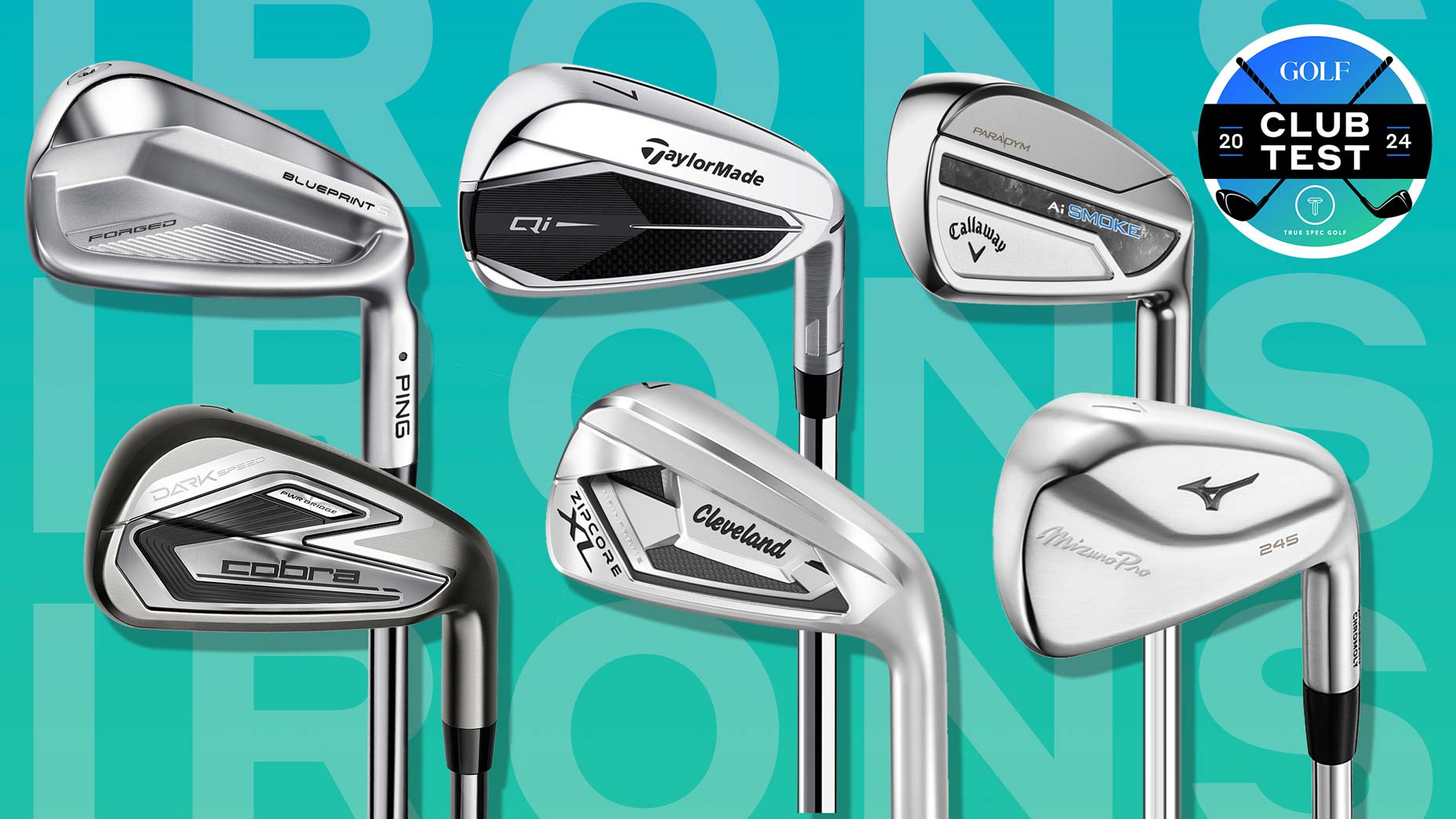
Low and Back CG: Promoting Higher Launch and Forgiveness
A low and back CG generally promotes a higher launch angle and a more forgiving shot.
- Sole Design: Wider soles, often with beveled leading edges, help the club glide through turf more easily, preventing digging and promoting a cleaner strike. They also allow designers to strategically lower the CG by adding mass to the sole.
- Internal Weighting: Hollow-bodied irons or irons with internal cavities often use strategically placed weights (often tungsten) to shift the CG downwards and backwards. This is particularly common in game-improvement irons designed for higher handicaps.
- Face Progression: The way the leading edge of the clubface is set back from the hosel (face progression) can also influence CG and perceived offset.
Forward CG: For the Player Seeking Control and Lower Spin
Conversely, a more forward CG tends to produce a lower launch angle and reduced spin, appealing to skilled players who desire greater control and the ability to hit penetrating trajectories.
- Blade-Like Designs: Traditional muscle-back or blade-style irons, often forged, tend to have CGs that are naturally higher and more central, offering less inherent forgiveness but greater control for players who can consistently find the sweet spot.
- Minimalist Sole Design: Narrower soles with less aggressive shaping contribute to a more forward CG.
Face Technologies: Maximizing Energy Transfer and Ball Speed
The clubface is the point of impact, and its design is paramount for generating ball speed and controlling spin.
Variable Face Thickness (VFT): The Sweet Spot for Speed
VFT technology involves making the face thinner in certain areas and thicker in others.
- Expanding the “Sweet Spot”: By thinning the perimeter of the face and making the center thicker, engineers can create a larger effective hitting area. This means that off-center hits still benefit from significant energy transfer, resulting in more consistent ball speeds and less distance loss.
- Optimizing Flex: VFT allows the face to flex more like a trampoline upon impact, especially on lower-struck shots, maximizing ball speed and distance.
Speed Channels and Grooves: Enhancing Ball Speed and Spin Control
Modern irons often incorporate design elements aimed at further enhancing ball speed and controlling spin.
- Speed Channels: These are strategically placed channels or voids on the face or sole of the club that are designed to flex and rebound upon impact, adding energy to the ball. They can also help to reduce energy loss on off-center hits.
- Groove Design: The shape, depth, and spacing of grooves on the clubface play a critical role in generating spin. Optimized groove designs can help to impart backspin on the ball, allowing for higher trajectory, greater stopping power on the green, and improved control. Newer regulations have also led to advancements in groove technology to manage spin within specific parameters.
The Role of Technology in Customization and Player Profiling
The “best” iron is not a universal concept. What works for a scratch golfer might be detrimental to a beginner, and vice versa. Technological advancements are now enabling unprecedented levels of customization and player profiling to ensure golfers are equipped with clubs that are optimally suited to their unique swing characteristics.
Custom Fitting: The Ultimate Technological Tool
Custom fitting has moved beyond simply adjusting loft and lie angles. Modern fitting processes leverage sophisticated technology to analyze a golfer’s swing and recommend clubs that will optimize their performance.
- Launch Monitors: Devices like TrackMan, Foresight Sports GCQuad, and FlightScope employ radar and camera-based technology to precisely measure ball speed, launch angle, spin rate, clubhead speed, and other crucial data points. This objective data allows fitters to objectively assess how different club heads and shaft combinations affect a golfer’s performance.
- Swing Analyzers and Biomechanics: Some fitting studios utilize motion capture technology and pressure mapping systems to provide an even deeper understanding of a golfer’s swing mechanics. This helps in identifying potential swing flaws that can be mitigated by the right equipment.
- Shaft Optimization: Shaft technology has become incredibly sophisticated, with a vast array of flex profiles, kick points, and weight options. Launch monitors are essential in determining the optimal shaft for a player’s swing speed, tempo, and release point, which significantly impacts ball flight.
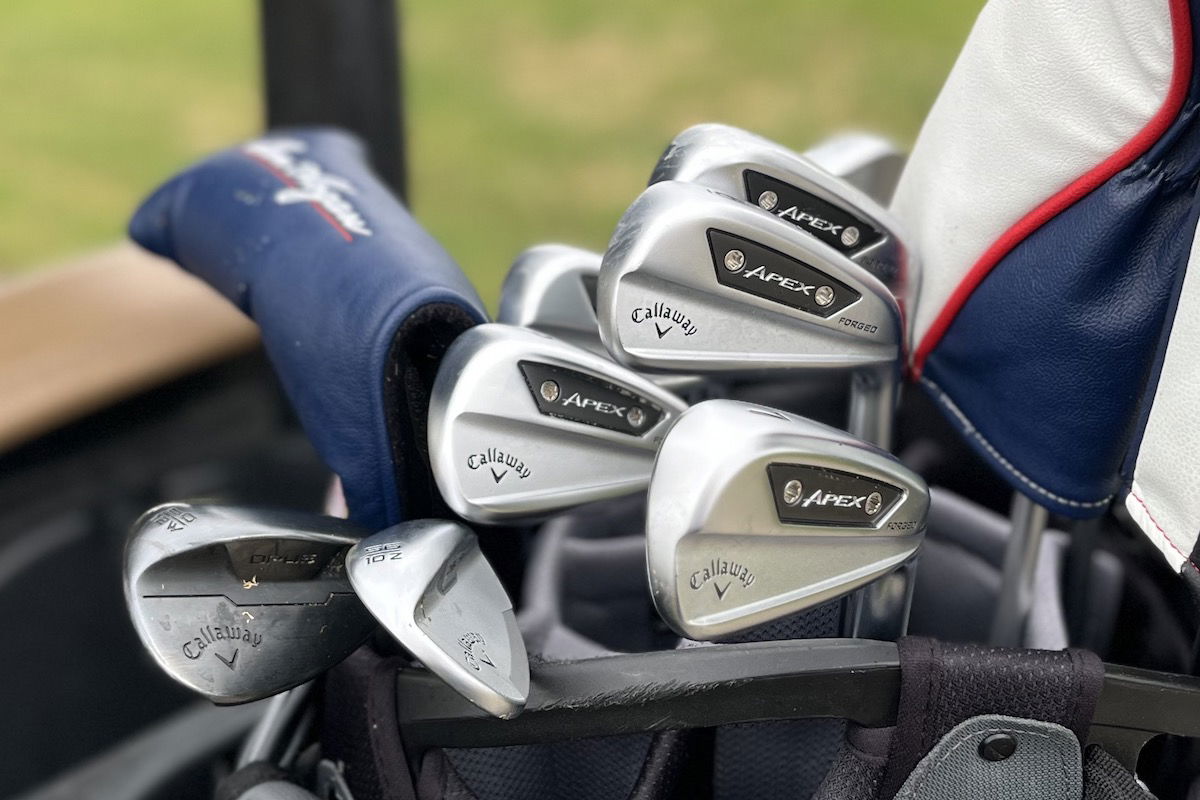
Data-Driven Design: Tailoring Irons for Specific Player Needs
Manufacturers are increasingly using data derived from fitting sessions and player performance metrics to inform their iron designs. This leads to a more nuanced approach to categorizing irons based on player skill level and swing characteristics.
- Game Improvement Irons: Designed for the average golfer, these irons prioritize forgiveness. They typically feature larger clubheads, wider soles, significant offset, and a lower, deeper CG to help players get the ball airborne more easily and reduce the impact of mishitzes. Technology like VFT and internal weighting are paramount here.
- Players Irons: Aimed at skilled amateurs and professionals, these irons offer more control and workability. They often have smaller, more compact heads, narrower soles, and a higher CG for a more penetrating ball flight and greater feel. While they may incorporate some advanced materials, they generally prioritize feel and control over extreme forgiveness.
- Super Game Improvement Irons: This category pushes the boundaries of forgiveness. These irons are often oversized, feature hollow construction, and incorporate technologies like extreme perimeter weighting and exceptionally thin, flexible faces to maximize distance and help golfers who struggle with consistency.
In conclusion, the “best” golf irons are a testament to the power of technological innovation. They are not merely pieces of metal but sophisticated instruments engineered with precision materials, advanced aerodynamic principles, and data-driven design philosophies. From the nuanced feel of forged blades to the explosive ball speed of multi-material cavity backs, the modern golf iron offers a remarkable spectrum of performance. Understanding the underlying technologies – the metallurgy, the CG manipulation, the face designs, and the fitting processes – empowers golfers to make informed decisions, ultimately leading them to the irons that will best unlock their potential on the course and elevate their game to new heights.
aViewFromTheCave is a participant in the Amazon Services LLC Associates Program, an affiliate advertising program designed to provide a means for sites to earn advertising fees by advertising and linking to Amazon.com. Amazon, the Amazon logo, AmazonSupply, and the AmazonSupply logo are trademarks of Amazon.com, Inc. or its affiliates. As an Amazon Associate we earn affiliate commissions from qualifying purchases.