
In the landscape of personal finance, few concepts are as fundamental, yet frequently misunderstood, as the stock market. For many, the word “stock” conjures images of chaotic trading floors or complex digital tickers flashing green and red. However, at its core, the stock market is one of the most powerful engines for wealth creation ever devised. Understanding what stocks are and how they function is the first critical step for anyone looking to secure their financial future, move beyond simple savings accounts, and participate in the growth of the global economy.
The Essence of Equity: What You Actually Own
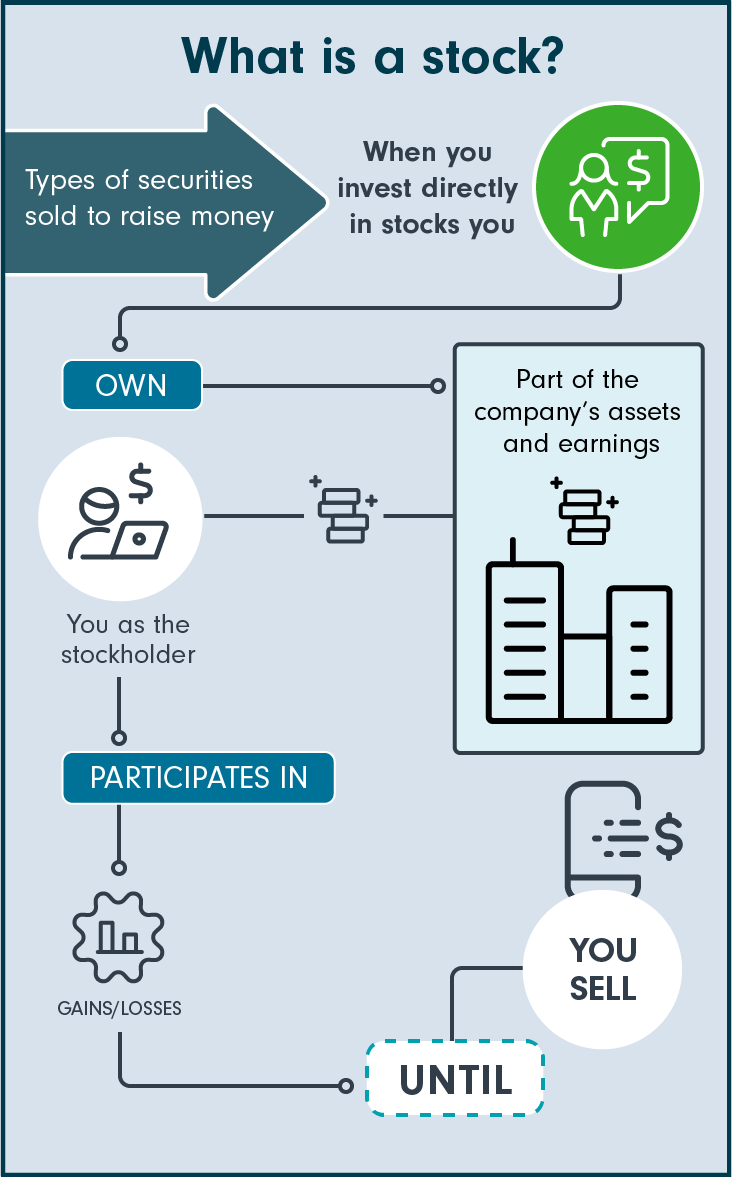
When you purchase a stock, you are purchasing a piece of a company. This is why stocks are often referred to as “equities.” By owning a share, you are essentially a partial owner—a shareholder—of the corporation. Whether you own one share or one million, you hold a legal claim to a portion of that company’s assets and earnings.
Units of Ownership
A corporation’s ownership is divided into units called shares. The total number of shares represents the entirety of the company. If a company has 1,000 shares outstanding and you own 100 of them, you own 10% of that business. In the modern era, most large public companies like Apple or Coca-Cola have billions of shares, meaning an individual investor usually owns a tiny fraction of the total entity. However, that fraction grants you specific rights, including the right to vote on corporate board members and the right to receive a portion of the profits.
Common vs. Preferred Shares
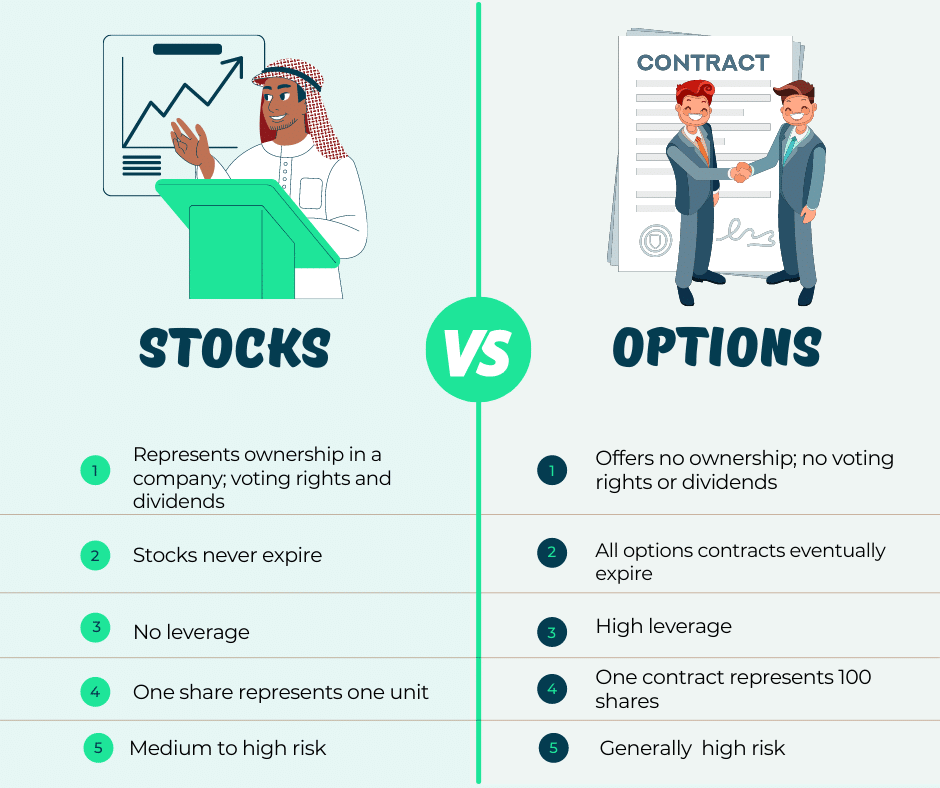
Not all stocks are created equal. Most individual investors buy “common stock.” Common stockholders usually receive voting rights (typically one vote per share) and the potential for dividends. However, in the event of a company’s liquidation, common stockholders are last in line behind creditors and preferred shareholders.
“Preferred stock,” on the other hand, functions somewhat like a hybrid between a stock and a bond. Preferred shareholders usually do not have voting rights, but they have a higher claim on assets and earnings. For instance, they receive dividends before common stockholders do. For the average person focusing on long-term growth, common stock is the standard vehicle for investment.
Why Companies Issue Stock: The Growth Engine
To understand the “why” behind stocks, one must look at it from the perspective of the business owner. A company generally begins as a private entity funded by the founders, their friends, family, or perhaps venture capitalists. As the business grows, it may reach a point where its internal cash flow is insufficient to fund massive expansions, such as building new factories, researching new technologies, or entering international markets.
Capital Raising and the IPO
To raise the necessary capital without taking on the burden of high-interest debt, a company may choose to “go public.” This process is known as an Initial Public Offering (IPO). During an IPO, the company sells shares to the public for the first time. The money raised from this sale goes directly into the company’s coffers to fuel growth. In exchange, the original owners give up a portion of their control and future profits to the new shareholders.
The Secondary Market
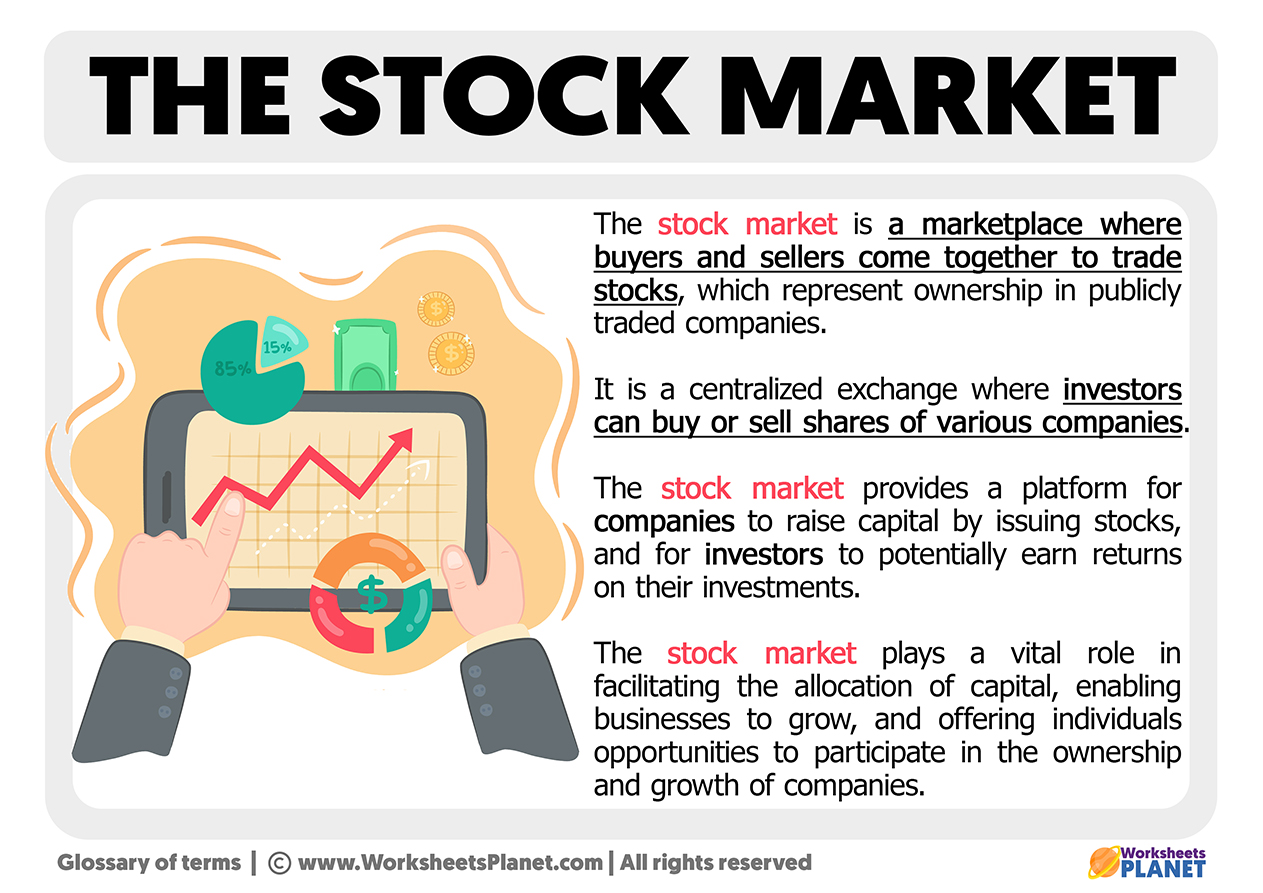
Once the IPO is complete, the shares begin trading on a stock exchange, such as the New York Stock Exchange (NYSE) or the NASDAQ. This is known as the “secondary market.” When you buy a stock today through a brokerage app, you are typically not buying it from the company itself, but from another investor who wants to sell. The company does not receive money from these daily trades, but the stock price serves as a public valuation of the company’s worth, which affects its ability to raise more capital in the future or use shares for acquisitions.
How Investors Make Money: Capital Gains and Dividends
Investing in stocks is not a charitable act; it is a strategic move to grow capital. There are two primary ways an investor realizes a return on their investment: capital appreciation and dividend income.
Price Appreciation (Capital Gains)
The most common way to profit from stocks is through capital gains. This occurs when you sell a stock for a higher price than you paid for it. For example, if you buy a share of a company at $50 and its value rises to $75 because the company has become more profitable or more valuable in the eyes of the market, you have a “paper gain” of $25. Once you sell that share, it becomes a “realized gain.” The goal of most “growth” investors is to identify companies that will become significantly more valuable over years or decades.
The Power of Dividends
While some companies reinvest all their profits back into the business, others—typically older, more established firms—choose to distribute a portion of their earnings back to shareholders. These payments are called dividends. Dividends provide a steady stream of passive income. For long-term investors, dividends can be particularly powerful when they are “reinvested” (using the dividend payment to buy more shares of the same stock). Over time, this creates a compounding effect where you own more shares, which pay more dividends, which buy even more shares.
Navigating the Market: Risk, Reward, and Diversification
While the potential for wealth creation is high, stock investing is not without risk. Unlike a bank account, where your principal is often insured, the value of a stock can fluctuate wildly or even drop to zero if a company goes bankrupt.
Market Volatility and Risk Factors
Stock prices are driven by the law of supply and demand, which is influenced by various factors:
- Earnings Reports: If a company makes more money than expected, its stock price usually rises.
- Economic Indicators: Interest rates, inflation, and employment data can affect the entire market.
- Geopolitical Events: Stability or conflict in different parts of the world can impact global trade and investor sentiment.
- Psychology: Sometimes, markets move based on fear or greed rather than the underlying financial health of a company.
The Role of Diversification
The most effective way to mitigate these risks is through diversification. This is the financial equivalent of “not putting all your eggs in one basket.” Instead of owning just one stock, an investor might own 20 or 30 stocks across different sectors—such as healthcare, energy, and consumer goods. If one company fails, the impact on the total portfolio is limited.
For many modern investors, diversification is achieved through Index Funds or Exchange-Traded Funds (ETFs). These funds allow you to buy a single “share” of a basket of hundreds of different stocks (like the S&P 500), instantly giving you exposure to the broader market and reducing the risk associated with any single company.
Getting Started: Tools and Mindset for the Modern Investor
In the past, buying stocks required calling a high-priced stockbroker. Today, the barriers to entry have vanished. However, while the tools are easier to use, the mindset required for success remains the same.
Choosing a Brokerage and Account Type
To buy stocks, you need a brokerage account. Modern platforms offer commission-free trading and user-friendly interfaces. However, the type of account you use is just as important as the platform.
- Tax-Advantaged Accounts: In many regions, accounts like the IRA or 401(k) (in the US) or the ISA (in the UK) allow your investments to grow tax-free or tax-deferred. Using these should generally be the priority for long-term wealth building.
- Standard Taxable Accounts: These offer the most flexibility for withdrawing money but require you to pay taxes on your gains and dividends each year.
Long-term vs. Short-term Strategies
Successful investing is often about time in the market, not timing the market. Short-term trading or “day trading” is often closer to gambling and is statistically unlikely to result in long-term wealth for the average person.
The most successful investors typically adopt a “buy and hold” strategy. By focusing on the long-term prospects of high-quality companies or the market as a whole, you can ride out the inevitable periods of volatility. History has shown that while the stock market can be unpredictable over days or months, it has consistently trended upward over decades, rewarding those with the discipline to stay invested.
Conclusion: The Path to Financial Agency
Stocks are more than just numbers on a screen; they are a gateway to participating in the productivity and innovation of the world’s greatest corporations. By understanding the mechanics of ownership, the methods of profit, and the necessity of risk management, an individual transitions from being a mere consumer to being an owner of the economy.
Building wealth through stocks does not require a Ph.D. in finance or a massive inheritance. It requires a fundamental understanding of what a stock represents, a consistent investment habit, and a long-term perspective. In the journey toward financial independence, stocks remain the most accessible and proven vehicle for turning today’s earnings into tomorrow’s freedom.
aViewFromTheCave is a participant in the Amazon Services LLC Associates Program, an affiliate advertising program designed to provide a means for sites to earn advertising fees by advertising and linking to Amazon.com. Amazon, the Amazon logo, AmazonSupply, and the AmazonSupply logo are trademarks of Amazon.com, Inc. or its affiliates. As an Amazon Associate we earn affiliate commissions from qualifying purchases.