
Attention-Deficit/Hyperactivity Disorder (ADHD) is a neurodevelopmental condition impacting millions worldwide, characterized by persistent patterns of inattention, hyperactivity, and impulsivity that interfere with daily functioning and development. While clinical diagnosis remains the purview of medical professionals, the digital age has ushered in an unprecedented era of tools and resources that can help individuals, families, and caregivers better understand, identify, and manage the signs and symptoms of ADHD. From sophisticated AI analytics to user-friendly mobile applications and wearable gadgets, technology is transforming how we approach this complex condition, offering avenues for self-awareness, support, and strategic intervention. This article explores how technology intersects with the lived experience of ADHD, providing insights into its signs and symptoms through a digital lens.
The Digital Lens on ADHD’s Core Symptom Manifestations
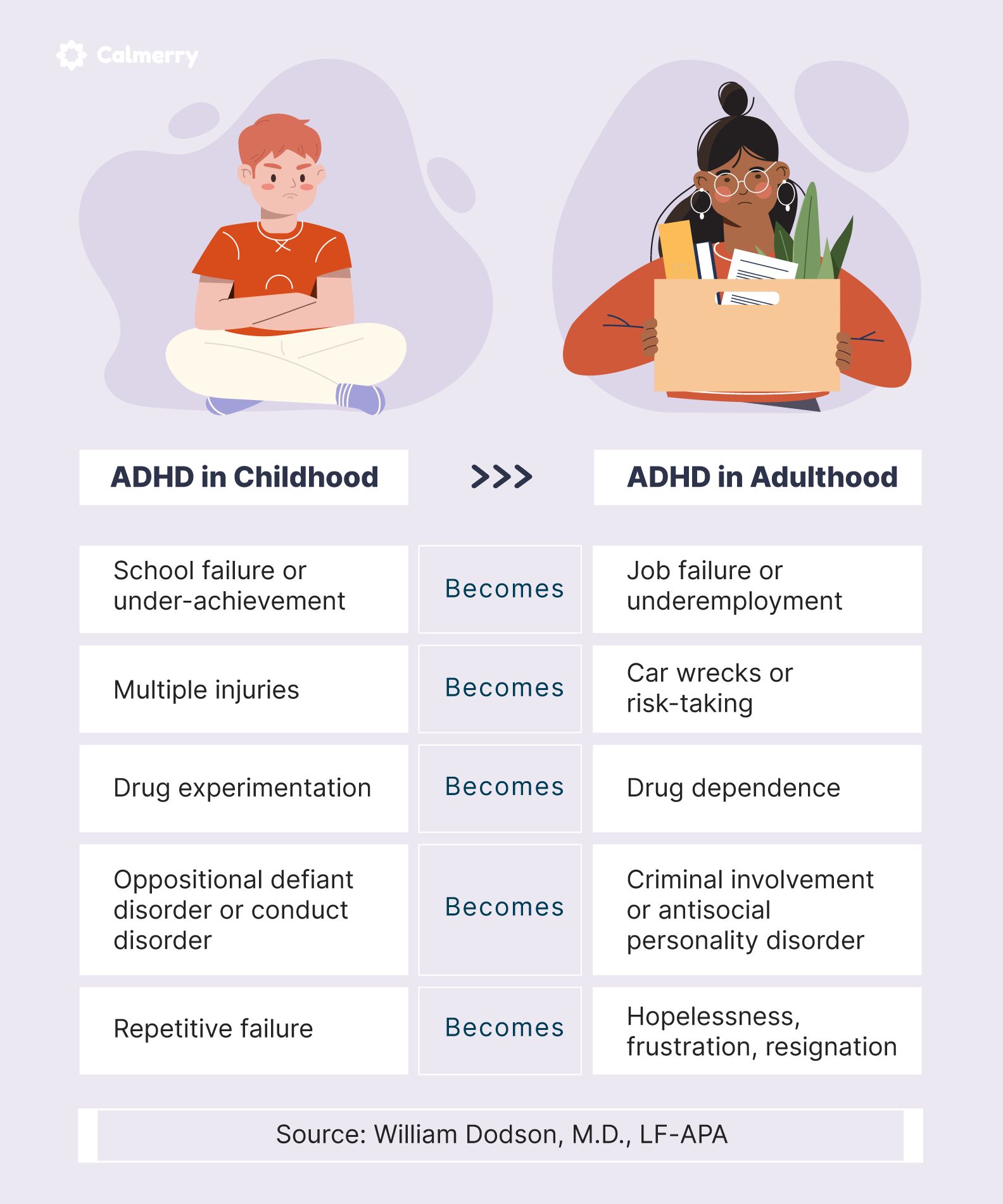
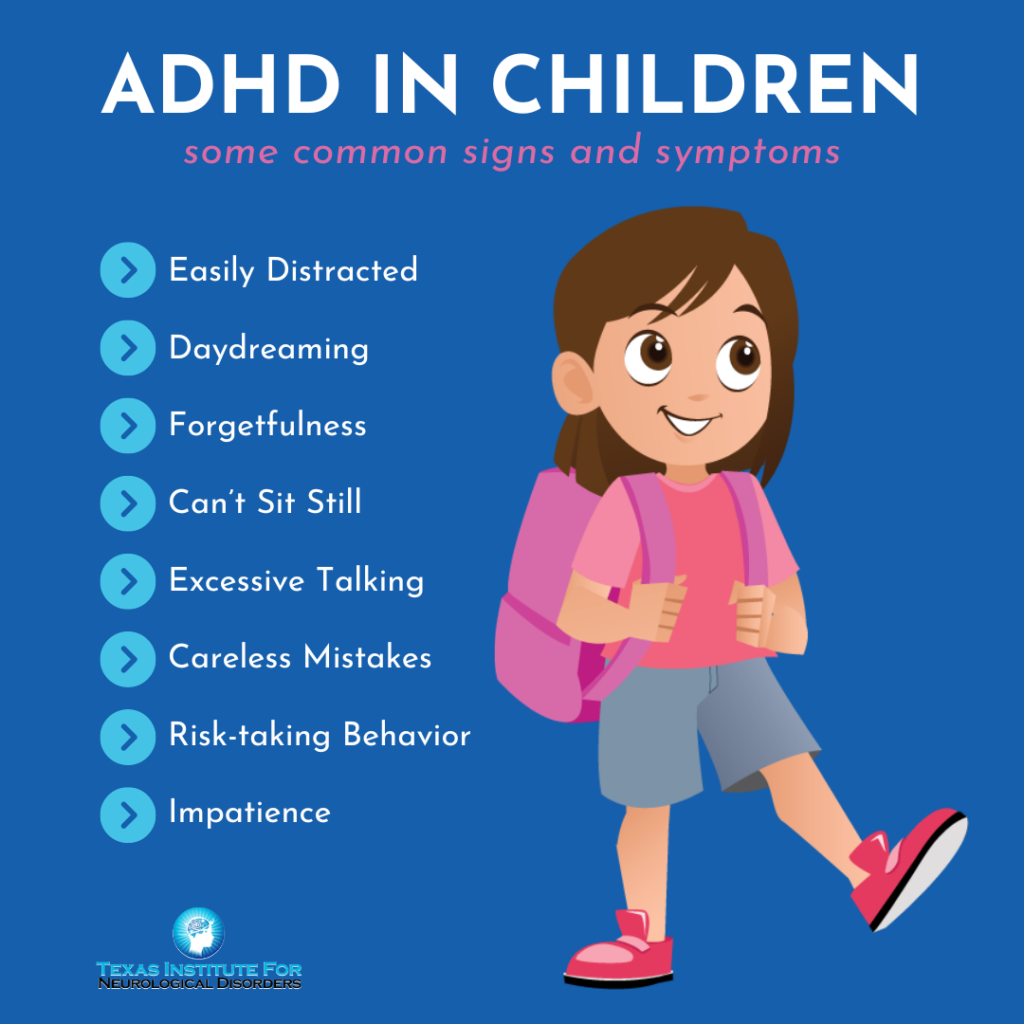
The hallmark symptoms of ADHD—inattention, hyperactivity, and impulsivity—can manifest in diverse ways, often creating challenges in academic, professional, and personal spheres. Technology, far from being merely a distraction, can be strategically employed to illuminate these patterns and offer mechanisms for managing their impact. By tracking behaviors, organizing thoughts, and providing timely reminders, digital tools offer a supplementary layer of support in recognizing and addressing ADHD symptoms.
Inattention in the Digital Age: Apps for Focus and Task Management
Inattention in ADHD isn’t merely a lack of focus; it’s often a difficulty sustaining attention on tasks, being easily distracted, forgetfulness in daily activities, and problems with organization. In a world saturated with digital distractions, technology itself can paradoxically offer solutions to combat inattention.
- Focus-Enhancing Applications: A plethora of apps are designed to create digital “focus zones” by blocking distracting websites and notifications for set periods. Tools like Freedom, Cold Turkey, and Forest encourage users to dedicate uninterrupted time to a single task, often employing gamification or commitment devices to maintain concentration. By creating a controlled digital environment, these apps help individuals with ADHD practice sustained attention and minimize external distractions that exacerbate inattention.
- Task and Project Management Software: Disorganization and forgetfulness are common symptoms of inattention. Project management tools like Trello, Asana, Todoist, and Microsoft To Do are invaluable for breaking down large tasks into smaller, manageable steps, setting deadlines, and tracking progress. Their visual interfaces, reminder functionalities, and collaborative features can help individuals with ADHD externalize their executive functions, making it easier to remember important tasks, prioritize, and see projects through to completion. These platforms act as an external brain, compensating for working memory deficits and supporting consistent follow-through.
- Note-Taking and Idea Capture Tools: For those whose thoughts jump rapidly or who struggle to retain information, digital note-taking apps like Evernote, OneNote, and Notion are game-changers. They allow for quick capture of ideas, voice notes, web clippings, and documents, centralizing information that might otherwise be lost. The ability to search, tag, and organize these notes digitally mitigates the impact of forgetfulness and disorganization, crucial signs of inattention.
Hyperactivity and Impulsivity: Wearables and Behavioral Tracking
Hyperactivity often presents as restlessness, fidgeting, excessive talking, or difficulty engaging in quiet activities. Impulsivity manifests as acting without thinking, interrupting others, or making hasty decisions. While these are internally driven, technology can help track patterns, provide outlets, and offer cues for self-regulation.
- Wearable Technology for Activity Monitoring: Smartwatches and fitness trackers (e.g., Apple Watch, Fitbit, Garmin) can monitor activity levels throughout the day. For hyperactive individuals, this data can offer insights into periods of heightened restlessness, helping them identify patterns and potentially channel excess energy constructively. While not diagnostic, observing activity spikes can correlate with subjective feelings of being “on the go” or fidgety, raising awareness.
- Behavioral Tracking Apps: Apps designed for habit tracking or mood logging can be adapted to monitor impulsive behaviors or moments of heightened restlessness. Users can log instances of interrupting, impulsive spending, or excessive fidgeting. Over time, this data can reveal triggers, patterns, and the frequency of these symptoms, providing valuable insights for self-management strategies or discussions with a clinician. Some apps even offer “pause” functions or prompts to encourage mindful decision-making before acting impulsively.
- Virtual Reality (VR) and Biofeedback Tools: Emerging technologies like VR are being explored for their potential to help manage hyperactivity and impulsivity. VR environments can provide structured, engaging simulations that require sustained attention and impulse control, offering a novel training ground. Biofeedback tools, sometimes integrated with wearables, can help individuals learn to regulate physiological responses (like heart rate or skin conductance) associated with anxiety or restlessness, thereby potentially aiding in calming hyperactive states and reducing impulsive reactions.
AI and Software for Early Recognition and Support
The advent of Artificial Intelligence (AI) and sophisticated software tools is paving the way for more nuanced understandings of ADHD symptoms, offering potential for early recognition, personalized support, and objective data analysis. It’s crucial to note that these technologies are assistive, not diagnostic replacements, but they provide valuable data points and support structures.
AI-Powered Assessment and Screening Tools
AI’s capacity to process vast datasets and identify subtle patterns makes it a promising tool in the context of ADHD. While not capable of a definitive diagnosis, AI can assist in screening and assessment processes by identifying behavioral markers and cognitive patterns.
- AI-Enhanced Cognitive Testing: Software platforms leveraging AI can administer cognitive tests that measure attention span, working memory, and impulse control more objectively. These tools can adapt questions in real-time based on user performance, providing a highly personalized and precise assessment of cognitive strengths and weaknesses. AI can analyze response times, error patterns, and even eye-tracking data to flag indicators consistent with ADHD, supplementing traditional neuropsychological evaluations.
- Natural Language Processing (NLP) for Behavioral Analysis: AI-driven NLP can analyze language patterns in written or spoken communication. While still in early stages for ADHD, research explores how NLP could identify communication styles (e.g., rapid speech, frequent topic shifts, difficulty maintaining narrative coherence) that may correlate with hyperactivity or inattention, offering another data stream for comprehensive assessments.
- Predictive Analytics for Early Intervention: By analyzing aggregated data from various sources (with strict privacy protocols), AI could potentially identify children at higher risk for ADHD earlier in life. This isn’t about diagnosis but about flagging individuals who might benefit from early screening and intervention strategies, minimizing the long-term impact of untreated symptoms.
Software Solutions for Executive Function Challenges
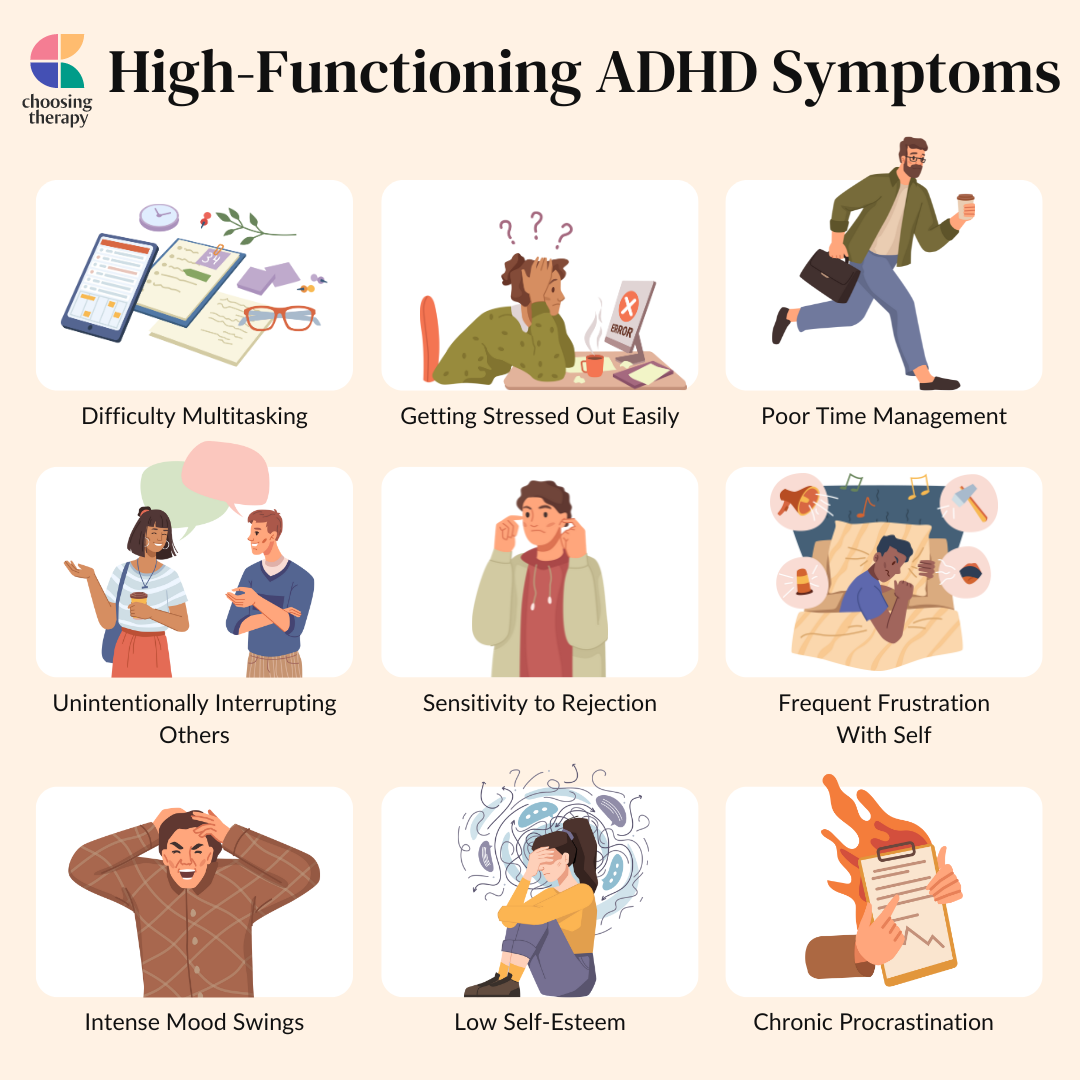
Executive functions (EFs) are a set of cognitive processes necessary for controlling and regulating one’s behavior, including planning, organization, time management, and emotional regulation—areas often significantly challenged by ADHD. Software tools are specifically designed to bolster these EFs.
- Digital Planners and Time Management Software: Beyond basic to-do lists, advanced digital planners integrate calendars, reminder systems, goal setting, and project breakdowns. Software like Fantastical, Things 3, and even integrated solutions like Google Calendar/Tasks/Keep, offer a centralized hub for managing schedules, appointments, and deadlines. These tools externalize the planning and organizational processes, making it easier for individuals with ADHD to manage their time effectively and reduce missed appointments or forgotten tasks, common symptoms stemming from executive dysfunction.
- Mind Mapping and Idea Organization Tools: For individuals who struggle with organizing thoughts or structuring complex projects, mind mapping software (e.g., XMind, Miro, Coggle) can be incredibly beneficial. These visual tools allow users to brainstorm, connect ideas, and hierarchically organize information, making abstract concepts more tangible and easier to manage. This directly addresses challenges related to planning and initiating tasks, common symptoms of inattention and executive dysfunction.
- Emotional Regulation Apps: While not directly for “signs and symptoms” in the traditional sense, difficulties with emotional regulation are increasingly recognized as a significant challenge for many with ADHD. Apps offering mindfulness exercises, cognitive behavioral therapy (CBT) techniques, and mood tracking (e.g., Calm, Headspace, MoodKit) can help individuals develop strategies to manage emotional outbursts or frustration, which can be linked to impulsivity and poor self-regulation.
Gadgets and Apps for Daily Symptom Management
Beyond sophisticated AI, many practical gadgets and everyday apps offer tangible support for navigating the daily challenges posed by ADHD symptoms. These tools focus on externalizing memory, providing sensory input, and structuring routines.
Smart Devices for Routine Building and Reminders
Consistency and routine are often difficult to establish and maintain for individuals with ADHD, yet they are crucial for managing symptoms. Smart devices can act as external aids, creating a structured environment.
- Smart Home Devices (Voice Assistants): Google Assistant, Amazon Alexa, and Apple HomePod can be programmed to provide verbal reminders for medication, appointments, or daily tasks (e.g., “It’s time to leave for work,” “Did you remember your keys?”). This auditory prompting can be more effective than visual reminders alone for some with ADHD, breaking through mental fogginess or distraction. They can also initiate routines (“Good morning routine”) that guide an individual through a sequence of tasks, fostering independence and reducing instances of forgetfulness.
- Smart Pens and Digital Whiteboards: For those who prefer physical note-taking but struggle with organizing or losing notes, smart pens (e.g., Livescribe, Rocketbook) convert handwritten notes into digital files. Digital whiteboards allow for free-form brainstorming that can be instantly saved, shared, and organized, bridging the gap between tactile engagement and digital organization. These tools help manage disorganization and improve information retention, symptoms associated with inattention.
Gamified Approaches to Sustained Attention
Engaging the brain in novel ways can be particularly effective for individuals with ADHD, whose attention systems are often wired for novelty and stimulation. Gamification leverages these tendencies.
- Cognitive Training Games: Specialized apps and games are designed to train specific cognitive functions, such as working memory, processing speed, and sustained attention. While the long-term efficacy of these “brain games” for ADHD is still a subject of research, some individuals report benefits in improving focus and mental agility. Examples include Lumosity, CogniFit, and various apps developed based on clinical research, offering structured exercises to target specific attentional deficits.
- Productivity Gamification: Apps that turn task completion into a game (like Forest, mentioned earlier, or Habitica) tap into the desire for immediate rewards and progress. By assigning points, virtual rewards, or “growing” digital trees for focused work, these apps can make the otherwise mundane task of sustained attention more engaging and reinforcing, helping to combat the inherent challenge of maintaining focus on non-stimulating activities.
The Future of Tech in ADHD Understanding and Management
The evolution of technology promises even more sophisticated and integrated approaches to ADHD. As AI becomes more nuanced and personal computing more ubiquitous, the potential for truly personalized and pervasive support systems for individuals with ADHD grows.
Personalized Digital Interventions
Future technologies are likely to offer highly personalized interventions tailored to an individual’s unique ADHD profile, moving beyond one-size-fits-all solutions.
- Adaptive Learning Platforms: AI-driven educational and training platforms will increasingly adapt their content and delivery methods based on a user’s real-time performance, learning style, and attentional capacity. This could revolutionize education for students with ADHD, providing customized learning paths that keep them engaged and minimize frustration.
- Predictive Nudges and Just-in-Time Support: Imagine smart devices that learn your daily routines and cognitive patterns, then offer predictive nudges (“It looks like you’re about to start another task before finishing the current one – would you like to review your priorities?”) or just-in-time support based on observed symptoms. This proactive approach could significantly mitigate the impact of impulsivity and inattention.
Ethical Considerations and Data Privacy
As technology becomes more integrated into ADHD management, it is paramount to address ethical considerations and ensure robust data privacy. The collection of sensitive behavioral and cognitive data necessitates strict safeguards against misuse and unauthorized access. Transparency about data usage, informed consent, and robust security protocols will be essential to build trust and ensure these powerful tools are used responsibly and beneficially. The goal is to empower individuals, not to surveil or pathologize them.
In conclusion, technology offers a dynamic and ever-evolving suite of tools for understanding and navigating the signs and symptoms of ADHD. While no app or gadget can replace professional clinical diagnosis and personalized treatment plans, digital innovations provide invaluable support for self-awareness, organization, focus, and behavioral management. By embracing these tech-driven insights and tools responsibly, individuals with ADHD can gain greater control over their lives, mitigate challenges, and unlock their full potential in an increasingly digital world.
aViewFromTheCave is a participant in the Amazon Services LLC Associates Program, an affiliate advertising program designed to provide a means for sites to earn advertising fees by advertising and linking to Amazon.com. Amazon, the Amazon logo, AmazonSupply, and the AmazonSupply logo are trademarks of Amazon.com, Inc. or its affiliates. As an Amazon Associate we earn affiliate commissions from qualifying purchases.