
In the world of heavy-duty transportation and logistics technology, safety and precision are the twin pillars upon which the entire industry stands. While modern headlines are dominated by autonomous driving software and electric drivetrains, many of the most critical safety innovations are found in the mechanical hardware that ensures a forty-ton vehicle can come to a complete stop under extreme conditions. Among these components, the slack adjuster is perhaps the most vital, yet least understood, piece of tech in a vehicle’s air brake system.
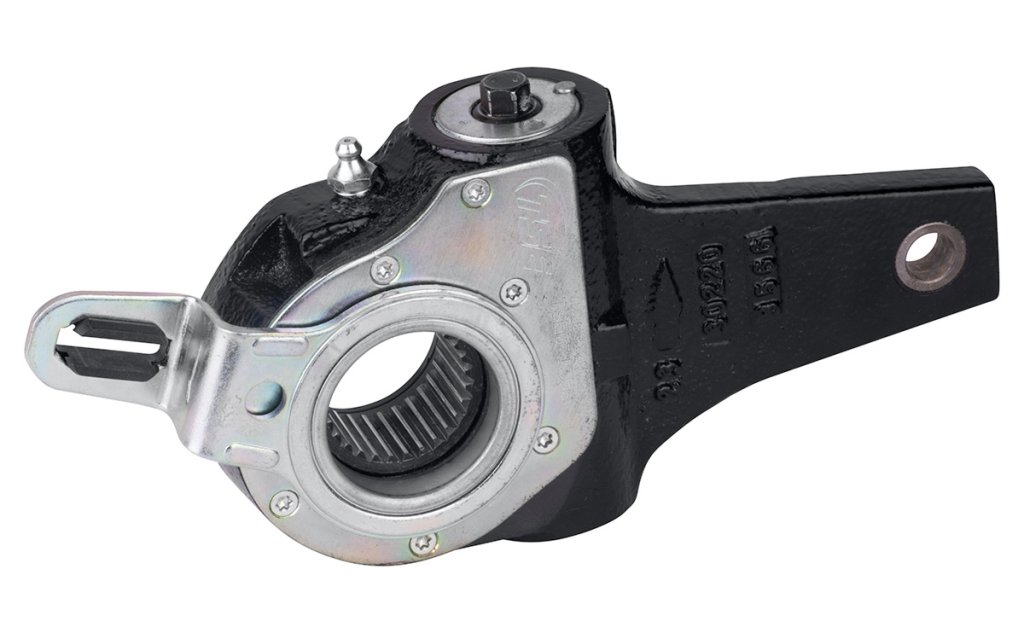
A slack adjuster is a mechanical linkage between the brake chamber pushrod and the camshaft on air-equipped vehicles. Its primary function is to regulate the distance the brake shoes must travel to reach the brake drum. As brake linings wear down over time, this gap—or “slack”—increases. Without a mechanism to adjust this distance, the brakes would eventually lose their effectiveness, leading to catastrophic failure.

The Mechanics of Safety: How Slack Adjusters Function as Essential Vehicle Tech
To understand the slack adjuster, one must first understand the broader ecosystem of air brake technology. Unlike passenger cars, which use hydraulic fluid to actuate brakes, heavy trucks and buses utilize compressed air. This system is complex, requiring precise calibration to ensure that the force applied by the driver’s foot translates into immediate deceleration.
The Air Brake System Ecosystem
The slack adjuster does not operate in isolation. It is part of a sophisticated mechanical chain. When a driver presses the brake pedal, compressed air fills the brake chamber, forcing a pushrod outward. This pushrod is connected to the slack adjuster, which acts as a lever to turn the brake camshaft (S-cam). The S-cam then pushes the brake shoes against the drum, creating the friction necessary to stop the vehicle.
The slack adjuster’s role is to act as the “memory” of this system. It ensures that the lever arm is positioned at the optimal angle to maximize torque. If the slack is too great, the pushrod has to travel too far, wasting precious milliseconds and reducing the force applied to the drums. In high-speed logistics tech, where a few feet can be the difference between a safe stop and a collision, the efficiency of this component is paramount.
Bridging the Gap Between Pedal and Drum
The technical precision of a slack adjuster lies in its ability to manage “clearance.” Brake shoes wear down with every application due to friction and heat. As the lining thins, the gap between the shoe and the drum grows. The slack adjuster compensates for this wear. By maintaining a consistent stroke for the brake chamber pushrod, the tech ensures that the braking response remains uniform throughout the lifespan of the brake pads. This consistency is critical for driver confidence and predictable vehicle handling.
From Manual to Automatic: The Evolution of Brake Calibration Technology
The history of slack adjuster technology is a classic tale of engineering evolution—moving from manual, human-dependent maintenance to automated, fail-safe systems. This transition represents a significant leap in automotive safety standards and technical reliability.
The Era of Manual Adjustments
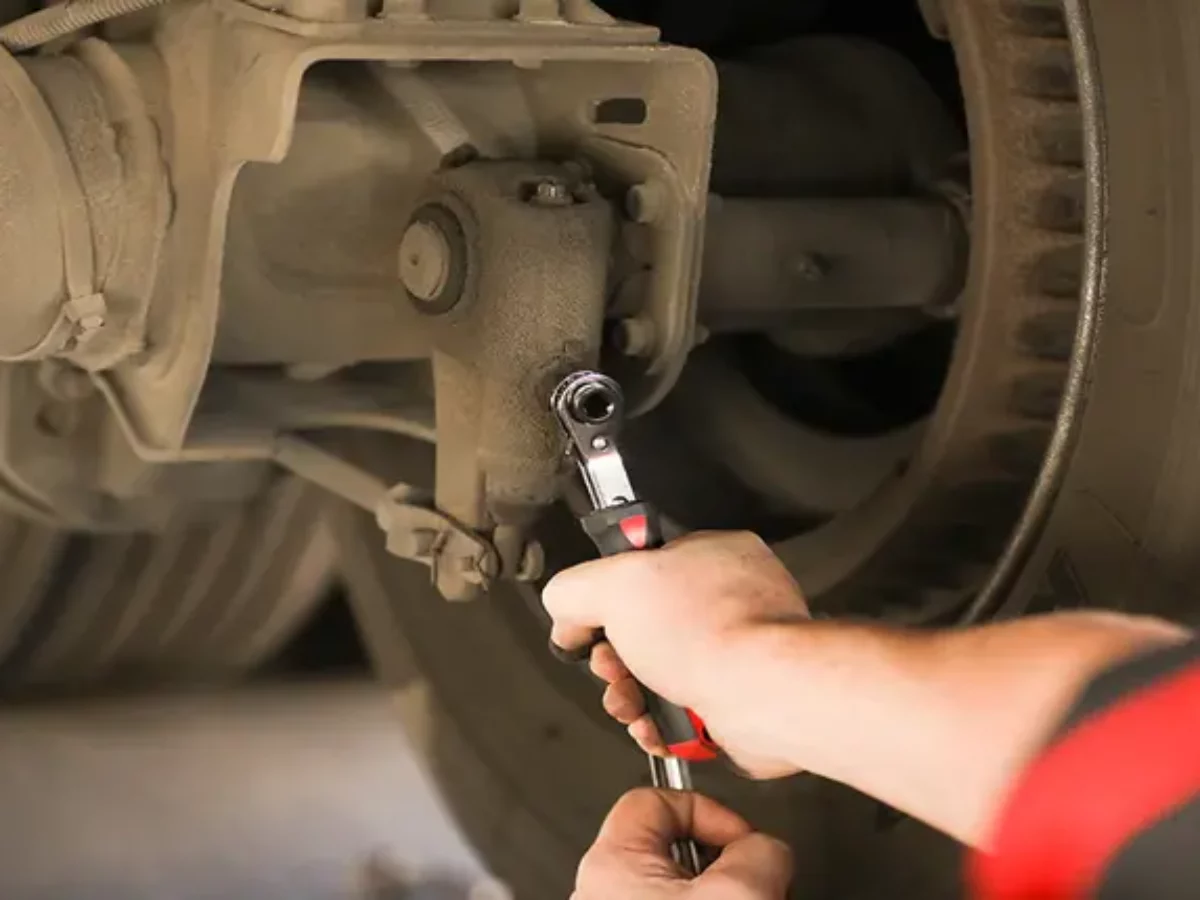
In the early days of air brake technology, all slack adjusters were manual. This meant that a technician or the driver had to crawled under the vehicle with a wrench to manually turn an adjusting bolt. This process tightened the system and took up the “slack” created by brake wear.
While effective when done correctly, manual adjusters were prone to human error. Over-tightening could cause the brakes to drag, leading to overheating and potential fires. Under-tightening resulted in “out of adjustment” brakes, which are the leading cause of heavy vehicle inspection failures and accidents. The reliance on manual labor for a critical safety function was a technical bottleneck that the industry needed to solve.
The Rise of Automatic Slack Adjusters (ASAs)
The introduction of Automatic Slack Adjusters (ASAs) revolutionized the industry. These devices are designed to automatically take up the slack during normal brake applications. They use an internal clutching mechanism or a gear-and-ratchet system to sense the length of the pushrod stroke. If the stroke exceeds a specific threshold, the ASA makes a microscopic adjustment to tighten the clearance.
Since the mid-1990s, ASAs have been a legal requirement on new heavy vehicles in many jurisdictions, including the United States. This shift from manual to automatic tech has significantly reduced the frequency of brake-related accidents. However, the complexity of ASAs means they require a higher level of technical understanding to maintain. They are not “set and forget” devices; they are precision instruments that require regular inspection.
Technical Maintenance and Diagnostic Best Practices
Despite their name, automatic slack adjusters are not entirely self-sufficient. In the field of fleet technology management, maintaining these components is a rigorous process that involves precise measurements and diagnostic protocols.
Measuring Pushrod Stroke
The primary metric for checking the health of a slack adjuster is the “pushrod stroke.” This is the distance the pushrod moves when the brakes are applied. In the tech world, this is akin to a latency test. If the stroke is too long, the system is lagging.
Technicians use a process called a “brake stroke measurement” to ensure the system is within the legal limits set by the Commercial Vehicle Safety Alliance (CVSA). For a standard Type 30 brake chamber, for example, the maximum allowable stroke is typically two inches. Measuring this requires applying 80 to 90 psi of air pressure and using a ruler or a specialized sensing tool to track the movement.
Troubleshooting Common Technical Failures
Even the best-engineered ASAs can fail. Common technical issues include:
- Seized Clevis Pins: Corrosion can prevent the adjuster from pivoting, rendering the automation useless.
- Internal Gear Wear: Over time, the internal ratchets that “click” the adjuster into a tighter position can wear down, leading to a loss of adjustment.
- Excessive Foundation Wear: If the bushings or camshafts in the brake assembly are worn, the slack adjuster may “over-adjust” to compensate for the wobbling parts, leading to dragging brakes.
A professional approach to these failures involves more than just swapping parts. It requires a root-cause analysis. Simply replacing a slack adjuster when the underlying issue is a worn camshaft is a common mistake in low-tier maintenance. High-level vehicle tech diagnostics look at the system holistically.
The Future of Braking Tech: Intelligent Systems and Sensors
As we move toward the era of smart logistics and autonomous trucking, slack adjuster technology is entering its next phase of evolution. The integration of the Internet of Things (IoT) and real-time monitoring is transforming how we manage vehicle health.
Integrating IoT and Real-Time Monitoring
The newest frontier in slack adjuster tech is the “Smart Slack.” These are adjusters equipped with electronic sensors that communicate directly with the vehicle’s onboard computer or a remote fleet management dashboard. Instead of waiting for a manual inspection to find a long stroke, the sensor can alert the driver and the fleet manager in real-time if a brake is out of alignment.
This level of digital integration reduces downtime and prevents the “cascading failures” often seen in heavy-duty transport. If a slack adjuster fails during a cross-country haul, the tech can flag the issue at the nearest service hub, allowing for predictive rather than reactive maintenance.
Predictive Maintenance in Logistics Technology
The ultimate goal of modern transport tech is predictive maintenance. By analyzing the rate at which a slack adjuster tightens the brakes, algorithms can predict the remaining life of the brake linings with incredible accuracy. This allows fleet owners to schedule maintenance during planned downtime, ensuring that the vehicle never hits the road in a compromised state.
Furthermore, these intelligent systems can distinguish between a hardware failure and a temporary condition, such as brake fade caused by heat. This nuance is critical for autonomous vehicles, which lack a human driver to “feel” the brake response. For a self-driving truck, the slack adjuster’s data feed is a vital input for its safety algorithms.
Conclusion
The slack adjuster may be a small component in the vast machinery of a heavy-duty vehicle, but its role in the technology of safety is monumental. From its humble beginnings as a manual lever to its future as a data-generating smart sensor, it represents the constant drive for precision in automotive engineering.
Understanding “what are slack adjusters” is not just about knowing a piece of hardware; it is about recognizing the sophisticated balance between mechanical force and automated control. As the transportation industry continues to evolve with AI and connectivity, the slack adjuster will remain a foundational piece of technology, ensuring that no matter how fast our logistics systems move, they can always come to a safe and controlled stop.
aViewFromTheCave is a participant in the Amazon Services LLC Associates Program, an affiliate advertising program designed to provide a means for sites to earn advertising fees by advertising and linking to Amazon.com. Amazon, the Amazon logo, AmazonSupply, and the AmazonSupply logo are trademarks of Amazon.com, Inc. or its affiliates. As an Amazon Associate we earn affiliate commissions from qualifying purchases.