
In the realm of higher education, understanding the fundamental units of academic measurement is crucial for students, educators, and administrators alike. Among these, “semester hours” stands out as a foundational concept, dictating course credits, academic progress, and ultimately, graduation requirements. This article will demystify semester hours, exploring their significance, how they are calculated, and their impact on various aspects of the academic journey, particularly as they relate to financial planning and investment in one’s future.
The Anatomy of a Semester Hour
At its core, a semester hour is a unit of academic credit that represents the amount of learning or work a student is expected to accomplish within a standard semester. It’s a standardized metric designed to provide a consistent framework for quantifying the rigor and scope of academic courses across different institutions and disciplines. While the term “semester hour” is prevalent, it’s important to recognize its synonyms and related concepts to grasp its full meaning.
Defining the Credit Hour
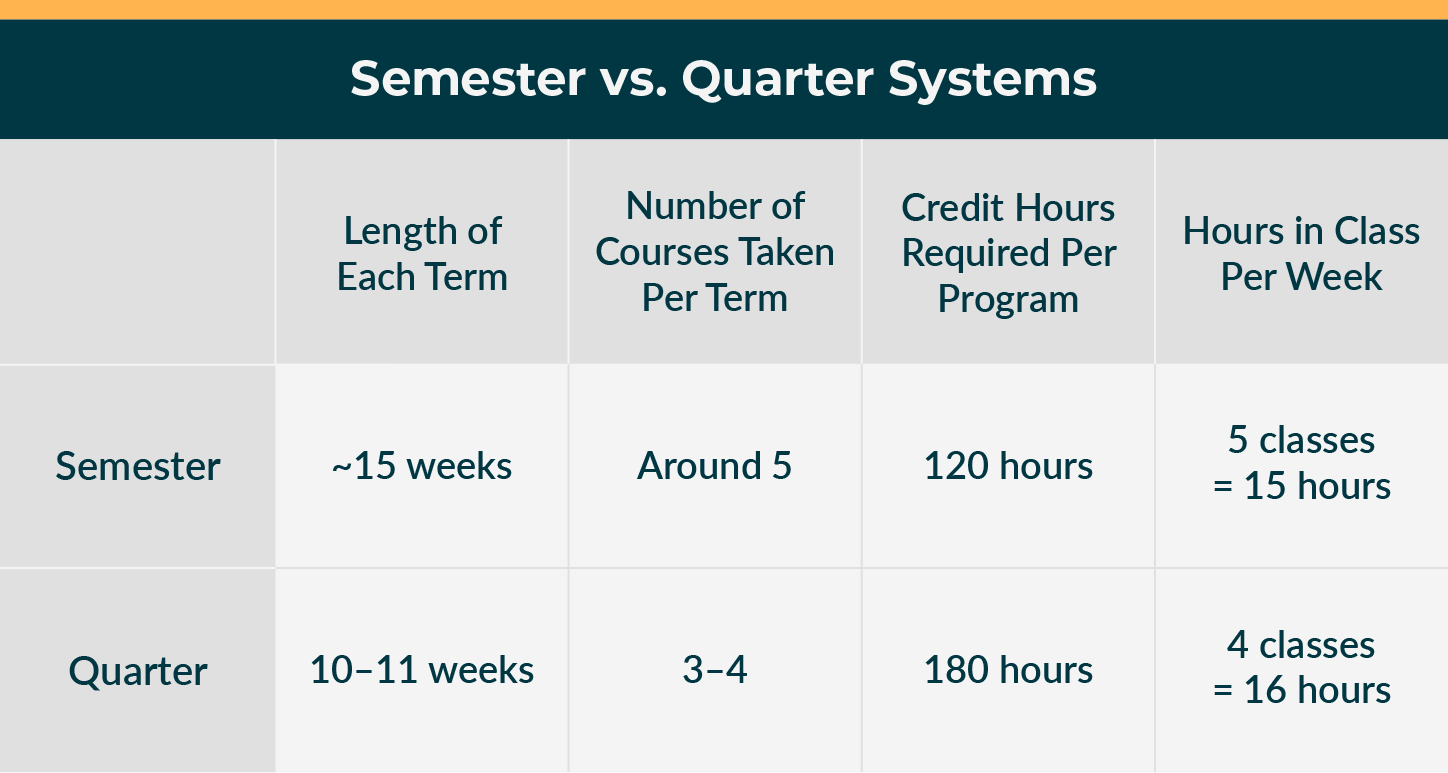
The most common interpretation of a semester hour is synonymous with a “credit hour.” This term is widely used and understood by students and faculty. A credit hour is generally understood to equate to one hour of direct instruction per week for a standard 15-week semester. This includes lecture-based courses, seminars, and discussions. For instance, a typical three-credit course would meet for approximately three hours per week. This direct instruction time is the most common denominator for calculating semester hours.
Beyond the Lecture Hall: Lab and Studio Time
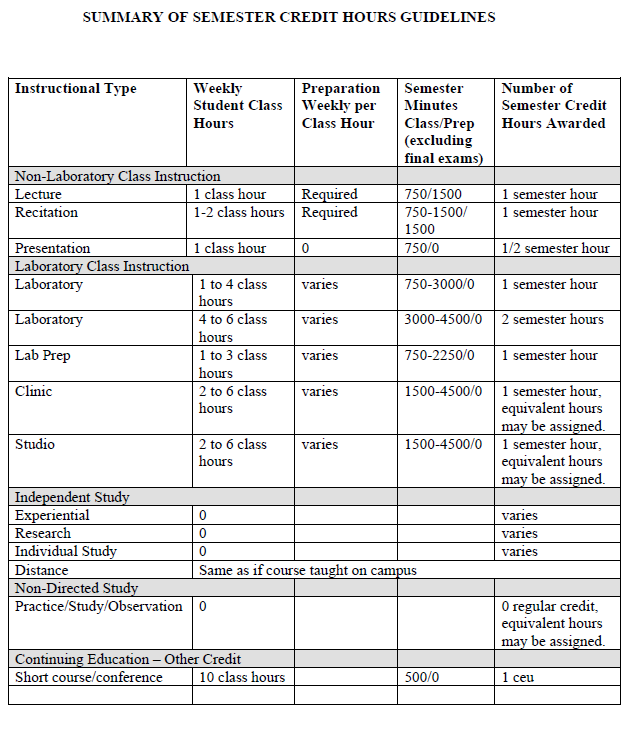
However, the concept of a semester hour isn’t solely confined to traditional lecture formats. Many disciplines require hands-on learning experiences that demand more time and resources. This is where laboratory sessions and studio work come into play. Courses involving laboratory components are often assigned a higher number of semester hours to reflect the extended time commitment. For example, a science course with a weekly lab might be worth four semester hours – three for the lecture and one for the lab, or a proportional adjustment based on institutional policy. Similarly, art, music, and design studio courses, which involve extensive practical application and critique, are also weighted accordingly. The underlying principle remains the same: the number of semester hours reflects the expected student engagement and workload, whether in a classroom, a lab, or a studio.
Independent Study and Experiential Learning
The definition of semester hours also extends to less conventional learning formats, such as independent study, research projects, and internships. These experiences, while often not involving direct face-to-face instruction in the traditional sense, still require a significant commitment of student time and effort. Institutions typically have established guidelines for how to assign semester hours to these types of academic endeavors. For instance, an independent research project might be assigned a certain number of credit hours based on the anticipated depth of research, analysis, and written output. Internships or co-operative education programs are also assigned semester hours, reflecting the practical work experience gained. This ensures that all forms of valuable learning are recognized and quantified within the academic framework.
The Financial Implications of Semester Hours
The significance of semester hours extends far beyond academic planning; it has a profound impact on the financial aspects of pursuing higher education. Tuition fees, financial aid, and scholarship allocations are all intrinsically linked to the number of semester hours a student enrolls in. Understanding this connection is vital for effective financial management during college.
Tuition and Fee Structures
The most direct financial implication of semester hours is their role in determining tuition costs. Universities and colleges typically charge tuition on a per-credit basis or in tiers based on the number of credits a student registers for in a given semester. For instance, a student taking 12 semester hours might pay a different tuition rate than a student taking 15 semester hours. This means that the number of courses a student chooses to take directly influences the overall cost of their education. It’s essential for students to be aware of their institution’s fee structure and how it relates to their course load. Planning to take a full load of 15-18 semester hours might result in a higher tuition bill for that semester, but it can also lead to a faster path to graduation, potentially saving money in the long run by avoiding an extra semester or year of tuition.
Financial Aid and Scholarship Eligibility
Financial aid and scholarship awards are also heavily influenced by the number of semester hours a student is enrolled in. Many federal and institutional financial aid programs, such as Pell Grants or student loans, have minimum enrollment requirements. Typically, students must be enrolled at least half-time (often defined as 6 semester hours per semester) to be eligible for most forms of financial aid. Full-time enrollment (usually 12 or more semester hours) often unlocks the maximum eligibility for certain grants, scholarships, and loan programs. Similarly, many scholarships, both institutional and external, have academic progress requirements that are measured by the successful completion of a certain number of semester hours each semester or academic year. Failing to meet these credit hour requirements can jeopardize a student’s financial standing, leading to a reduction or even cancellation of their aid. Therefore, meticulous planning and adherence to enrollment thresholds are paramount for maintaining financial support.
The Investment in Future Earnings
When viewed through a financial lens, semester hours represent an investment in human capital. Each credit hour earned signifies a step closer to acquiring the knowledge and skills necessary for a particular career path. The total number of semester hours required for a degree is a clear indicator of the depth and breadth of the education being pursued. Higher degrees, often requiring a greater number of semester hours at both the undergraduate and graduate levels, generally correlate with higher earning potential over a lifetime. Therefore, while the immediate cost of accumulating semester hours through tuition is significant, it’s crucial to consider the long-term return on investment. The future earnings potential unlocked by a degree, which is built upon the foundation of earned semester hours, often far outweighs the initial educational expenses. Understanding this long-term financial perspective can help students and their families make informed decisions about their educational pursuits and the financial commitments involved.
Navigating Academic Progress with Semester Hours
Semester hours are not just a measure of academic weight; they are the backbone of academic progress tracking. They provide a quantifiable means for students to monitor their advancement toward degree completion and for institutions to ensure that students are meeting the necessary milestones.
Degree Requirements and Planning
The most significant application of semester hours is in defining degree requirements. Every degree program has a specific number of total semester hours that a student must complete to graduate. This total is broken down into various categories, such as major requirements, general education requirements, and electives. For example, a Bachelor of Arts degree might require 120 semester hours in total, with specific allocations for courses within the chosen major, a core curriculum of general education subjects, and a number of free electives. Understanding these requirements is fundamental for effective academic planning. Students must strategically select courses each semester to ensure they are accumulating the necessary semester hours in the correct areas to fulfill their degree program’s stipulations. Degree audit systems, often provided by universities, help students track their progress by outlining the semester hours they have earned and those that are still needed to graduate.
Course Load Management and Time to Graduation
The number of semester hours a student takes each semester directly impacts their course load and, consequently, their time to graduation. A standard full-time enrollment is typically 12-18 semester hours per semester. Students who consistently take the maximum allowable credit hours each semester can often complete their degree requirements in the standard four years. Conversely, students who opt for lighter course loads, perhaps due to work commitments or other personal responsibilities, may take longer to accumulate the required semester hours and thus extend their time in college. Some students may choose to accelerate their studies by taking a higher-than-average number of semester hours, or by attending summer sessions, to graduate early and begin their careers sooner, potentially saving on tuition costs and entering the workforce earlier. Balancing course load, academic performance, and personal circumstances is crucial for efficient progress.
Academic Standing and Probation
Institutions of higher learning also use semester hours in conjunction with grade point averages (GPAs) to assess academic standing. Failing to achieve a minimum GPA, often calculated based on the semester hours of the courses taken, can lead to academic probation. Students on academic probation are usually required to meet certain conditions, such as completing a specific number of semester hours with a satisfactory GPA in the subsequent semester, to return to good academic standing. The weighting of courses in GPA calculations is directly tied to their semester hour value; a higher credit hour course that is failed will have a more significant negative impact on a student’s GPA than a lower credit hour course. Therefore, understanding the semester hour value of each course is important for managing academic performance and avoiding potential academic disciplinary actions.
The Broader Context of Credit Hours
While “semester hour” is a common term, it’s part of a larger ecosystem of academic credit measurement. Recognizing these related concepts can provide a more comprehensive understanding of how academic work is valued.
Semester System vs. Other Academic Calendars
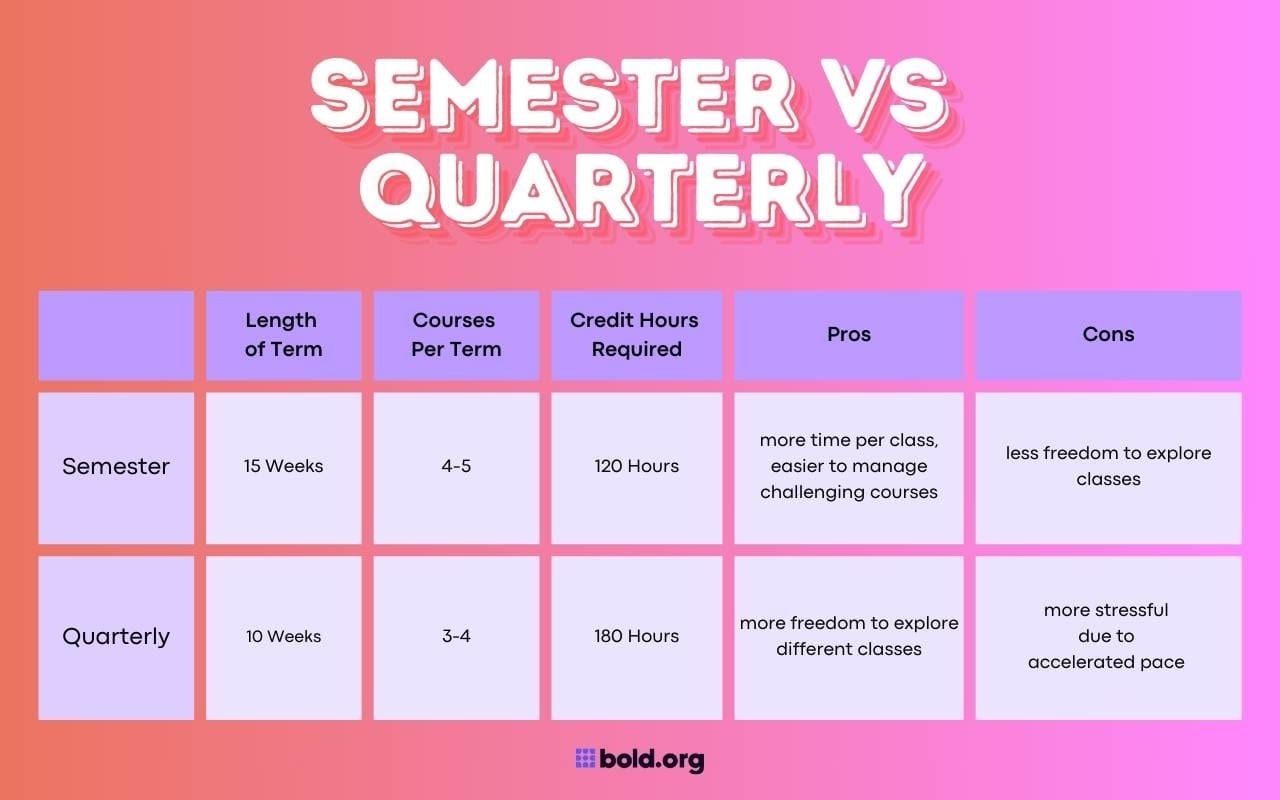
The term “semester hour” is inherently linked to the semester system, a common academic calendar structure divided into two main terms: fall and spring. Each semester typically lasts around 15-17 weeks. However, not all institutions operate on a semester system. Some use a quarter system, which divides the academic year into three or four shorter terms, often called quarters. In a quarter system, the equivalent of a semester hour is often referred to as a “quarter hour.” While the terminology differs, the fundamental principle of quantifying academic workload remains the same. Other institutions may employ a trimester system, or more flexible models like modular or continuous enrollment. Understanding the specific academic calendar of an institution is crucial for interpreting how credit hours are assigned and measured.
Carnegie Unit and its Evolution
The concept of a credit hour has roots in the Carnegie Unit, developed by the Carnegie Foundation for the Advancement of Teaching in the early 20th century. Originally, a Carnegie Unit represented a course that met for 40-45 minutes per day, five days a week, for 32 weeks a year. Over time, the Carnegie Unit evolved into the credit hour system commonly used today. While the exact methodologies may vary slightly between institutions and countries, the semester hour, or its equivalent, remains a globally recognized standard for measuring academic achievement and progress in higher education. This standardization facilitates the transfer of credits between institutions and allows for a more equitable comparison of academic qualifications.
The Future of Credit Hour Measurement
As educational models continue to evolve, so too does the way we measure academic achievement. While semester hours remain the dominant metric, there is growing discussion and experimentation with alternative forms of credentialing and learning assessment. Micro-credentials, badges, and competency-based education are emerging as ways to recognize specific skills and knowledge acquired outside of traditional credit hour frameworks. However, for the foreseeable future, the semester hour will continue to be the cornerstone of academic measurement, playing a pivotal role in students’ financial planning, academic progress, and the overall investment in their educational journey. Understanding its nuances is therefore an essential skill for navigating the landscape of higher education.
aViewFromTheCave is a participant in the Amazon Services LLC Associates Program, an affiliate advertising program designed to provide a means for sites to earn advertising fees by advertising and linking to Amazon.com. Amazon, the Amazon logo, AmazonSupply, and the AmazonSupply logo are trademarks of Amazon.com, Inc. or its affiliates. As an Amazon Associate we earn affiliate commissions from qualifying purchases.