
Understanding the nuances of our health often involves deciphering the results of medical tests. Among the various components of a blood panel, globulins represent a significant group of proteins with diverse and vital functions. When you receive a blood test report, you might see “total protein” and then a breakdown into albumin and globulin. But what exactly are globulins, and what do “normal” levels signify? This article aims to demystify globulin levels, exploring their importance in maintaining bodily functions and how their variations might be interpreted, all through the lens of how understanding complex data can inform our personal well-being.
While this topic delves into a biological and medical realm, we can draw parallels to the way technology, branding, and finance operate. Just as we analyze market trends in tech, understand brand perception, or track investment portfolios, comprehending our body’s internal workings, as revealed by blood tests, is a form of data analysis that empowers informed decision-making about our health.
The Crucial Role of Globulins in the Body
Globulins are a diverse class of proteins synthesized primarily in the liver and by specialized immune cells called plasma cells. They are soluble in blood plasma and play a multitude of roles, acting as carriers, protectors, and essential components of various biological processes. Think of them as specialized tools within a complex operating system – each performing a specific, vital function.
The broad category of globulins is typically divided into three main sub-types, each with its own set of responsibilities:
Alpha Globulins: The Transport and Regulatory Crew
Alpha globulins are a group of proteins that primarily function as transporters and regulators. They are crucial for carrying various substances throughout the bloodstream and for influencing metabolic processes.
- Alpha-1 Antitrypsin: This is perhaps one of the most well-known alpha globulins. Its primary role is to protect tissues from damage by enzymes like neutrophil elastase, which can be released during inflammation. A deficiency in alpha-1 antitrypsin can lead to lung diseases such as emphysema and liver disease.
- Alpha-2 Macroglobulin: This is a large protein that acts as a scavenger, binding to and inactivating enzymes that could damage tissues. It also plays a role in regulating blood clotting and has anti-inflammatory properties.
- Ceruloplasmin: This globulin is responsible for transporting copper throughout the body and also contains antioxidant properties. Low levels can indicate Wilson’s disease, a genetic disorder where copper accumulates in organs.
- Haptoglobin: Haptoglobin binds to free hemoglobin released from red blood cells. This binding prevents hemoglobin from being lost in the urine and protects the kidneys from damage. Low levels might suggest increased red blood cell breakdown (hemolysis).
The “normal” ranges for these individual alpha globulins can vary slightly between laboratories, but their overall function is critical for maintaining cellular integrity and facilitating nutrient and waste transport.
Beta Globulins: The Versatile Carriers and Protectors
Beta globulins are another diverse group with roles in transporting lipids, vitamins, minerals, and hormones, as well as participating in immune responses.
- Transferrin: This is the primary iron-transport protein in the blood. It ensures that iron is delivered to the bone marrow for red blood cell production and to other cells for various metabolic functions. Low transferrin levels might indicate iron deficiency anemia, while high levels can be seen in conditions like pregnancy or iron overload.
- Lipoproteins (LDL and HDL): While often discussed separately, certain lipoproteins fall under the beta globulin category. They are responsible for transporting cholesterol and other fats throughout the body. Understanding your lipid profile, which includes these, is vital for cardiovascular health.
- Hemopexin: This protein binds to heme, a component of hemoglobin, to prevent its loss and protect against oxidative damage.
The intricate network of beta globulins highlights the body’s sophisticated mechanisms for managing essential nutrients and maintaining overall metabolic balance.
Gamma Globulins: The Immune System’s Warriors
Gamma globulins, more commonly known as immunoglobulins or antibodies, are the backbone of the adaptive immune system. Produced by plasma cells, they are the body’s primary defense against pathogens like bacteria, viruses, and other foreign invaders.
- Immunoglobulin G (IgG): This is the most abundant type of antibody in the blood and is crucial for fighting bacterial and viral infections. It can cross the placenta, providing passive immunity to newborns.
- Immunoglobulin M (IgM): This is the first antibody produced during an initial infection. It is effective at fighting bacteria and is often elevated in acute infections.
- Immunoglobulin A (IgA): Found in bodily secretions like mucus, saliva, and tears, IgA plays a key role in protecting mucosal surfaces from infection.
- Immunoglobulin E (IgE): This type of antibody is involved in allergic reactions and in defending against parasitic infections.
- Immunoglobulin D (IgD): Its precise role is not fully understood but is thought to be involved in B-cell activation.
The levels of different immunoglobulins can fluctuate significantly depending on exposure to pathogens and the body’s immune status.
Understanding “Normal” Globulin Levels and What They Mean
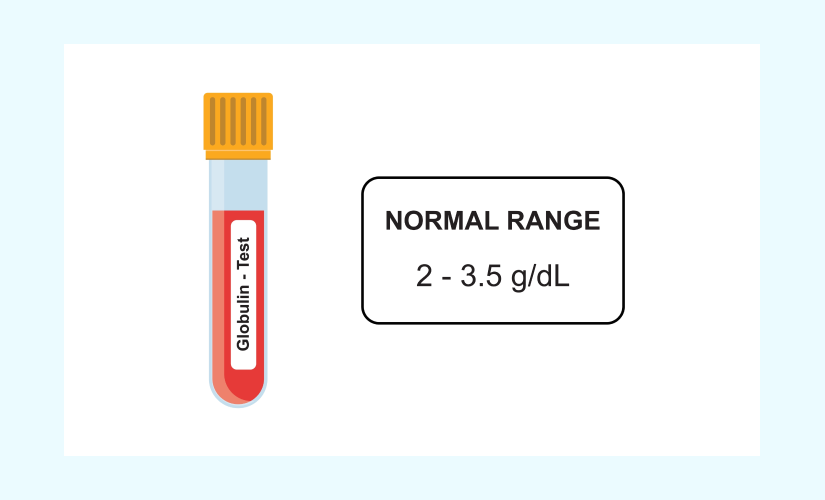
When we talk about “normal” globulin levels, we are referring to a reference range established by medical professionals based on studies of large populations. These ranges are not absolute cutoffs but rather indicate what is typically observed in healthy individuals. It’s crucial to remember that these ranges can vary slightly between laboratories due to differences in testing methods and equipment.

A total protein test measures the combined amount of albumin and globulins in your blood. A typical normal range for total protein is around 6.0 to 8.3 grams per deciliter (g/dL). When your globulin levels are calculated, it’s usually done by subtracting the albumin level from the total protein level. Therefore, understanding your albumin level is also integral to interpreting globulin results.
Factors Influencing Globulin Levels
Several factors can influence your globulin levels, making it important to consider the broader context when interpreting results.
- Age: Globulin levels can naturally change with age.
- Hydration Status: Dehydration can lead to a falsely elevated total protein and globulin level as the blood becomes more concentrated. Conversely, overhydration can dilute blood proteins, leading to lower readings.
- Inflammation and Infection: Since gamma globulins are antibodies, their levels often rise in response to inflammation or infection as the immune system actively fights off a threat.
- Liver Disease: The liver is a primary producer of many proteins, including albumin and some globulins. Conditions affecting the liver, such as cirrhosis or hepatitis, can impact globulin production.
- Kidney Disease: The kidneys play a role in filtering blood. Certain kidney diseases can lead to the loss of proteins in the urine, affecting overall protein levels.
- Autoimmune Disorders: In autoimmune diseases, the immune system mistakenly attacks the body’s own tissues, often leading to an increase in specific types of gamma globulins.
- Cancer: Certain types of cancer, particularly blood cancers like multiple myeloma (which involves abnormal plasma cells producing excessive amounts of a single type of antibody), can significantly alter globulin levels.
- Nutritional Status: Severe malnutrition can affect protein synthesis.
Interpreting Deviations from the Norm
Elevated Globulin Levels (Hyperglobulinemia):
An increase in globulin levels, particularly gamma globulins, is often a sign of an overactive immune system or a condition causing chronic inflammation. This can be seen in:
- Infections: Chronic bacterial or viral infections.
- Autoimmune Diseases: Rheumatoid arthritis, lupus, Sjogren’s syndrome.
- Liver Disease: Hepatitis, cirrhosis.
- Certain Cancers: Multiple myeloma, Waldenström’s macroglobulinemia.
Low Globulin Levels (Hypoglobulinemia):
A decrease in globulin levels can indicate issues with protein synthesis, increased protein loss, or a weakened immune system. This can be associated with:
- Liver Disease: Impaired protein production by the liver.
- Kidney Disease: Proteinuria (protein in the urine).
- Malnutrition: Insufficient protein intake.
- Immunodeficiency Disorders: Conditions where the immune system is compromised.
- Gastrointestinal Malabsorption: Inability to properly absorb nutrients, including protein.
It is crucial to emphasize that an abnormal globulin level is not a diagnosis in itself but rather a signal that further investigation may be warranted. Your doctor will consider these results in conjunction with your medical history, symptoms, and other diagnostic tests to determine the underlying cause.
The Broader Significance: Applying Analytical Thinking to Health
Just as a data scientist analyzes trends in software adoption or a financial analyst scrutinizes market fluctuations, understanding your globulin levels is a form of personal health analytics. It’s about recognizing patterns, identifying deviations, and using that information to inform your next steps.
Technology and Health Data: A Parallel
In the realm of technology, we often utilize AI-powered diagnostic tools and apps to monitor our fitness, sleep, and even early signs of illness. These tools gather vast amounts of data and present it in digestible formats, allowing us to make proactive health choices. Similarly, blood tests provide a snapshot of our internal biological data. The ability to interpret these results, or to work with healthcare professionals who can, is akin to leveraging technology for personal betterment. Understanding the “normal” ranges, the functions of different protein components, and potential causes for deviation empowers you to have more informed conversations with your doctor and to be an active participant in your healthcare journey.
Branding Your Health: Building a Foundation of Knowledge
In branding, establishing a strong identity and clear messaging is key. For your health, this “brand” is built on a foundation of understanding. Knowing what “normal” looks like for your body’s internal chemistry, like globulin levels, is part of building that robust health narrative. It helps you identify when your “brand” might be showing signs of stress or underperformance, prompting you to take corrective actions. This proactive approach to understanding your health is an investment in your long-term well-being, much like a company invests in its brand reputation.
Financial Health Analogy: Investing in Your Well-being
The concept of “normal” can also be related to financial literacy. Just as there are benchmarks for savings, investment returns, or debt-to-income ratios, there are established health benchmarks. Ignoring financial red flags can lead to significant problems down the line. Similarly, neglecting to understand or address abnormal blood test results can have serious consequences for your health. Investing time in understanding your health metrics, including globulin levels, is a crucial form of self-investment, akin to investing in a diversified portfolio to secure your financial future.

Conclusion: Empowering Informed Health Decisions
Globulin levels are a critical component of your blood work, reflecting diverse and essential functions ranging from immune defense to nutrient transport. While “normal” levels provide a benchmark, it’s the context of your individual health, medical history, and other diagnostic findings that truly matters when interpreting these results.
By understanding the roles of alpha, beta, and gamma globulins, and recognizing the factors that can influence their levels, you can become a more empowered participant in your healthcare journey. Just as we leverage technology to understand market trends, build strong brands, and manage our finances, applying analytical thinking to our health data, including blood test results, is a powerful strategy for maintaining well-being and making informed decisions about our health. Always consult with a qualified healthcare professional to interpret your specific test results and discuss any concerns you may have.
aViewFromTheCave is a participant in the Amazon Services LLC Associates Program, an affiliate advertising program designed to provide a means for sites to earn advertising fees by advertising and linking to Amazon.com. Amazon, the Amazon logo, AmazonSupply, and the AmazonSupply logo are trademarks of Amazon.com, Inc. or its affiliates. As an Amazon Associate we earn affiliate commissions from qualifying purchases.