
Cortisol, often dubbed the “stress hormone,” plays a critical role in regulating a multitude of bodily functions, from metabolism and immune response to blood pressure and the sleep-wake cycle. While its association with stress is prominent, understanding its natural fluctuations, particularly in the morning, is crucial for overall well-being. For those navigating the demanding landscapes of technology, building a robust brand, or managing personal and business finances, a finely tuned body is an invaluable asset. This article delves into what constitutes normal morning cortisol levels, why they matter, and how factors related to our fast-paced digital lives might influence them.
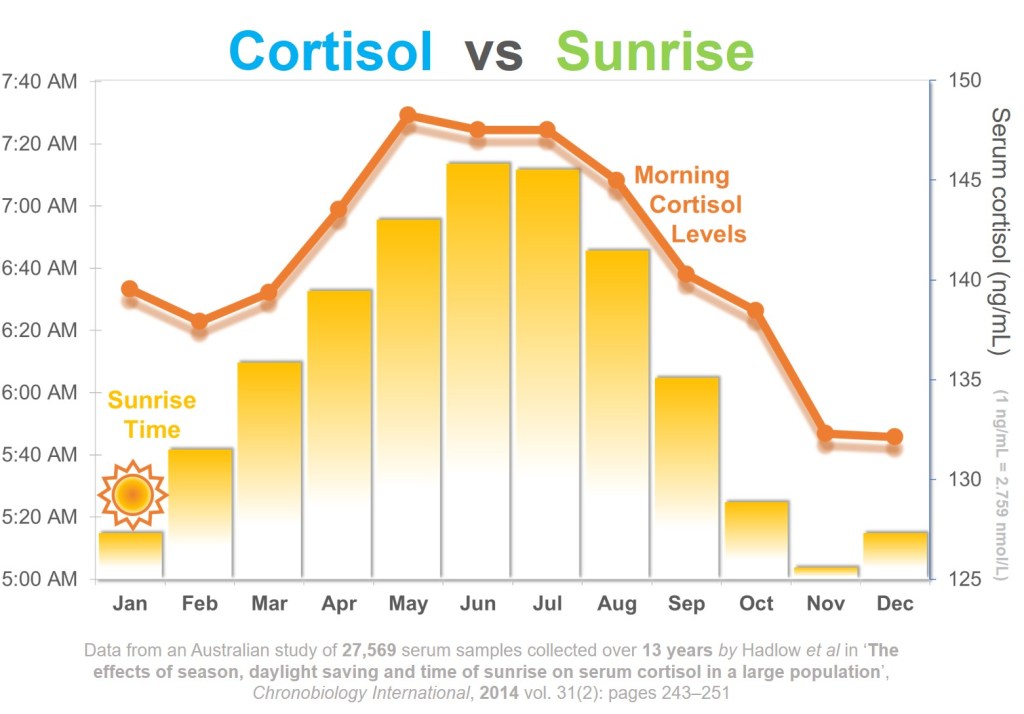
The body operates on intricate biological clocks, and cortisol production follows a distinct pattern known as the cortisol awakening response (CAR). This natural surge in cortisol, peaking shortly after waking, is essential for kickstarting our day, providing energy, and preparing us to face challenges. Disruptions to this rhythm can have far-reaching consequences, impacting everything from cognitive function and mood to metabolic health and our ability to adapt to the demands of modern life.
The Science Behind the Morning Cortisol Surge: Your Body’s Natural Alarm Clock
The production of cortisol is orchestrated by a complex interplay of hormones originating in the brain and the adrenal glands. The hypothalamus, a region in the brain, releases corticotropin-releasing hormone (CRH), which stimulates the pituitary gland to release adrenocorticotropic hormone (ACTH). ACTH then travels to the adrenal glands, located atop the kidneys, signaling them to produce and release cortisol.
Understanding the Cortisol Awakening Response (CAR)
The cortisol awakening response is a phenomenon characterized by a significant rise in cortisol levels within the first 30-60 minutes after waking. This surge is distinct from basal cortisol levels and serves several vital purposes:
- Energy Mobilization: Cortisol increases blood glucose by promoting gluconeogenesis (the creation of glucose from non-carbohydrate sources) and glycogenolysis (the breakdown of glycogen into glucose). This provides the brain and muscles with the necessary fuel to become alert and active after a period of rest.
- Increased Alertness and Cognitive Function: The elevated cortisol levels contribute to enhanced cognitive functions such as attention, focus, and memory recall, preparing us for the mental demands of the day.
- Preparation for Stress: While not solely a stress response, the morning surge primes the body to respond effectively to potential stressors encountered throughout the day. It’s a preparatory phase, ensuring our physiological systems are ready for action.
- Metabolic Regulation: Cortisol influences various metabolic processes, including fat and protein breakdown, contributing to energy balance.
The typical pattern of morning cortisol involves a relatively low level during sleep, followed by a sharp increase upon waking. This rise is gradual, reaching its peak approximately 30-45 minutes after waking, and then begins to decline throughout the day, reaching its lowest point in the late evening.
What Constitutes “Normal” Morning Cortisol Levels?
Defining “normal” cortisol levels can be nuanced, as several factors can influence them. However, generally accepted ranges provide a benchmark. Blood tests are the most common method for measuring cortisol, often collected at specific times to account for diurnal variations.
Typical morning cortisol levels (measured in blood, typically between 8-9 AM) often fall within the range of:
- 10-20 micrograms per deciliter (µg/dL) or 275-550 nanomoles per liter (nmol/L).
It’s crucial to understand that these are general guidelines. Several factors can influence what is considered a normal level for an individual:
- Age: Cortisol levels can vary slightly with age.
- Sex: Hormonal differences between males and females can lead to minor variations.
- Time of Day: As established, the morning spike is a key indicator. Blood tests are most informative when timed correctly.
- Laboratory Reference Ranges: Each laboratory may have slightly different reference ranges based on their testing methods.
- Individual Physiology: Everyone’s body is unique, and minor variations are often not indicative of a problem.
Salivary cortisol testing is another popular and convenient method, especially for tracking diurnal rhythms over a day. Salivary cortisol levels tend to be lower than blood levels but follow a similar pattern. A typical morning salivary cortisol level (taken 30-60 minutes after waking) might be in the range of 0.4-1.2 µg/dL or 11-33 nmol/L.
Urine cortisol tests measure cortisol excretion over a 24-hour period. While useful for assessing overall cortisol production, they don’t capture the precise diurnal rhythm of the morning surge as effectively as blood or saliva tests.
Factors Influencing Your Morning Cortisol
While the CAR is a robust physiological response, its magnitude and timing can be influenced by a variety of factors, some of which are particularly relevant to individuals operating in high-demand professional environments.
The Impact of Sleep Quality and Quantity
Sleep is intrinsically linked to cortisol regulation. Insufficient or poor-quality sleep can significantly disrupt the natural cortisol rhythm. When we don’t get adequate rest, our body may experience a prolonged stress response, leading to elevated cortisol levels even in the morning. This can manifest as:
- Difficulty waking up: Despite a cortisol surge, a sleep-deprived body may still feel sluggish and unresponsive.
- Increased daytime fatigue: The initial energy boost from cortisol may be short-lived or insufficient to combat persistent tiredness.
- Impaired cognitive function: Concentration, memory, and decision-making abilities can suffer.
For professionals in the tech industry, constantly pushing deadlines and working irregular hours can wreak havoc on sleep patterns. Similarly, entrepreneurs or those juggling side hustles may sacrifice sleep for productivity, inadvertently impacting their cortisol levels.
Stress and the Modern Professional Landscape
The very nature of careers in tech, brand management, and finance often involves high levels of pressure, competition, and constant adaptation. Chronic stress, whether from demanding projects, client expectations, market volatility, or the need to stay ahead of technological advancements, can lead to a dysregulated cortisol response.
- Blunted Cortisol Awakening Response (BCAR): In some individuals experiencing chronic stress, the morning cortisol surge may be diminished or absent. This can lead to a feeling of lethargy, lack of motivation, and difficulty coping with daily demands.
- Sustained High Cortisol Levels: Conversely, prolonged stress can also result in persistently elevated cortisol levels throughout the day, which can have detrimental long-term health consequences.
- The “Always-On” Culture: The digital age has blurred the lines between work and personal life. Constant connectivity, the pressure to respond immediately to emails and messages, and the mental load of managing multiple digital platforms can contribute to a state of chronic, low-grade stress. This constant activation of the stress response system can interfere with the natural regulation of cortisol.
Lifestyle Factors: Diet, Exercise, and Substance Use
Beyond sleep and direct stress, several lifestyle choices can influence cortisol levels:

- Diet: Irregular meal patterns, diets high in processed foods and sugar, and excessive caffeine intake can destabilize blood sugar levels, which in turn can affect cortisol production. Skipping breakfast, a meal that traditionally follows the morning cortisol surge, can exacerbate this effect.
- Exercise: While regular moderate exercise is beneficial for stress management and can help regulate cortisol, excessive or overly intense exercise, especially close to bedtime, can elevate cortisol levels. The timing and intensity of workouts are key.
- Substance Use: Alcohol and drug use, as well as certain medications, can interfere with the endocrine system and influence cortisol production.
The Significance of Morning Cortisol: Beyond a Simple Biological Marker
Understanding your morning cortisol levels is not merely an academic exercise; it has tangible implications for your health, performance, and overall well-being. For individuals deeply immersed in the demanding spheres of technology, branding, and finance, maintaining optimal cortisol rhythm can be a competitive advantage.
Impact on Cognitive Function and Productivity
The morning cortisol surge is directly linked to our ability to function optimally at the start of the day. When this response is blunted or dysregulated, individuals may experience:
- Reduced Mental Clarity: Difficulty concentrating, making decisions, and processing information.
- Decreased Motivation: A feeling of apathy and a lack of drive to tackle tasks.
- Impaired Memory: Challenges with recall and learning.
In fields that require sharp intellect, quick thinking, and sustained focus – such as developing cutting-edge AI tools, crafting compelling brand narratives, or navigating complex financial markets – compromised cognitive function can lead to errors, missed opportunities, and a decline in overall productivity.
The Link to Mood and Emotional Resilience
Cortisol plays a significant role in regulating mood and our ability to cope with emotional challenges. Dysregulated cortisol levels have been associated with:
- Increased Anxiety and Irritability: Feeling on edge, easily agitated, and prone to mood swings.
- Depressive Symptoms: Persistent low mood, feelings of hopelessness, and loss of interest.
- Reduced Stress Resilience: A diminished capacity to bounce back from setbacks and adapt to stressful situations.
For professionals in high-pressure roles, maintaining emotional resilience is paramount. A balanced cortisol rhythm contributes to a more stable mood, improved stress management, and a greater capacity to navigate the inevitable challenges of their respective industries.
Long-Term Health Implications of Cortisol Imbalance
Chronic dysregulation of cortisol, whether consistently high or consistently low, can have serious long-term health consequences. These include:
- Metabolic Disorders: Increased risk of weight gain, insulin resistance, and type 2 diabetes. Cortisol’s role in glucose metabolism and fat storage makes it a key player in these conditions.
- Cardiovascular Issues: Elevated blood pressure and increased risk of heart disease. Cortisol contributes to maintaining blood pressure, and prolonged elevation can strain the cardiovascular system.
- Immune System Suppression: While short-term cortisol can be anti-inflammatory, chronic elevation can suppress the immune system, making individuals more susceptible to infections.
- Sleep Disturbances: Beyond the initial impact on waking, dysregulated cortisol can perpetuate sleep problems, creating a vicious cycle.
- Cognitive Decline: Long-term exposure to abnormal cortisol levels has been linked to cognitive impairments and an increased risk of neurodegenerative conditions.
Optimizing Your Morning Cortisol: Strategies for Balance and Well-being
Understanding that your morning cortisol levels are influenced by multiple factors is the first step towards optimizing them. Fortunately, there are actionable strategies rooted in lifestyle and well-being that can support a healthy cortisol rhythm.
Prioritizing Sleep Hygiene for Cortisol Regulation
As highlighted, sleep is a cornerstone of hormonal balance. Implementing consistent sleep hygiene practices can significantly impact your morning cortisol:
- Establish a Regular Sleep Schedule: Aim to go to bed and wake up around the same time each day, even on weekends. This helps regulate your body’s natural circadian rhythm.
- Create a Relaxing Bedtime Routine: Engage in calming activities before bed, such as reading, taking a warm bath, or practicing gentle stretching. Avoid screens with blue light for at least an hour before sleep.
- Optimize Your Sleep Environment: Ensure your bedroom is dark, quiet, and cool.
- Limit Caffeine and Alcohol: Avoid stimulants close to bedtime and moderate alcohol consumption, as both can disrupt sleep architecture.
Stress Management Techniques Tailored for the Modern Professional
In the fast-paced tech, branding, and finance worlds, effective stress management is not a luxury, but a necessity.
- Mindfulness and Meditation: Regular practice can train your brain to respond to stressors more calmly, reducing the activation of the cortisol response. Even short daily sessions can be beneficial.
- Deep Breathing Exercises: Simple yet powerful, deep breathing techniques can activate the parasympathetic nervous system, counteracting the “fight or flight” response and lowering cortisol.
- Time Management and Boundary Setting: In tech, for example, adopting agile methodologies and setting clear boundaries around work hours can prevent burnout. For brand professionals, learning to delegate and say no can be crucial. In finance, disciplined work practices can mitigate stress.
- Regular Physical Activity: As mentioned, moderate exercise is a powerful stress reliever. Aim for a balanced routine that includes aerobic activity, strength training, and flexibility. Schedule workouts earlier in the day to avoid potential sleep disruption.
- Social Connection: Nurturing strong relationships and seeking support from friends, family, or colleagues can provide a vital buffer against stress.
Nutritional Support for Hormonal Balance
What you eat has a profound impact on your body’s hormonal systems.
- Balanced Diet: Focus on whole, unprocessed foods, including fruits, vegetables, lean proteins, and healthy fats.
- Regular Meals: Avoid skipping meals, especially breakfast, which helps stabilize blood sugar and supports the natural cortisol rhythm.
- Limit Processed Foods and Sugars: These can lead to blood sugar spikes and crashes, indirectly affecting cortisol.
- Adequate Hydration: Dehydration can stress the body and influence hormone levels.

When to Seek Professional Guidance
While these strategies can significantly improve cortisol regulation, persistent concerns or symptoms warrant professional evaluation. If you experience:
- Chronic fatigue that doesn’t improve with rest.
- Significant mood disturbances (anxiety, depression).
- Difficulty concentrating or memory problems.
- Unexplained weight changes.
- Sleep disturbances that are not resolved by lifestyle changes.
Consulting a healthcare professional, such as an endocrinologist or a physician specializing in hormonal health, is essential. They can conduct appropriate tests, such as blood or salivary cortisol measurements, and provide personalized advice and treatment plans. Understanding your morning cortisol levels is a vital step in taking proactive control of your health and optimizing your performance in the demanding arenas of technology, brand building, and finance. By prioritizing sleep, managing stress effectively, and nourishing your body, you can support a healthy cortisol rhythm and unlock your full potential.
aViewFromTheCave is a participant in the Amazon Services LLC Associates Program, an affiliate advertising program designed to provide a means for sites to earn advertising fees by advertising and linking to Amazon.com. Amazon, the Amazon logo, AmazonSupply, and the AmazonSupply logo are trademarks of Amazon.com, Inc. or its affiliates. As an Amazon Associate we earn affiliate commissions from qualifying purchases.