
For the majority of individuals, a home is the most significant investment they will ever make. While the purchase price of a property often grabs the headlines, the most critical number in the transaction isn’t the price tag—it’s the mortgage rate. Mortgage rates are the heartbeat of the real estate market and a cornerstone of personal finance. They determine not only your monthly housing budget but also the total cost of your home over several decades.
In the realm of personal finance, understanding how these rates are set, what influences them, and how they impact your long-term wealth is essential for any savvy investor or homeowner. This guide explores the intricate world of mortgage rates, offering professional insights into the mechanics of borrowing and the strategies you can use to navigate the financial landscape.
The Mechanics of Mortgage Rates: Interest vs. APR
At its simplest level, a mortgage rate is the interest charged on a loan used to purchase a home. It is expressed as a percentage of the total loan amount. However, for a consumer focused on financial literacy, it is vital to distinguish between the nominal interest rate and the Annual Percentage Rate (APR).
The Difference Between Interest Rates and APR
The interest rate is the specific percentage used to calculate your monthly principal and interest payment. If you borrow $400,000 at a 6% interest rate, that percentage applies directly to your loan balance.
The APR, however, is a broader measure of the cost of borrowing. It includes the interest rate plus other costs associated with the loan, such as broker fees, points, and certain closing costs. Because the APR reflects the “true” cost of the loan, it is almost always higher than the interest rate. When comparing offers from different lenders, the APR is the more accurate metric to ensure you are comparing “apples to apples” in terms of total financial commitment.
Fixed-Rate vs. Adjustable-Rate Mortgages (ARMs)
Mortgage rates generally fall into two categories: fixed and adjustable. A fixed-rate mortgage locks in your interest rate for the entire life of the loan (usually 15 or 30 years). This provides predictable monthly payments and protects the borrower from future rate hikes.
An Adjustable-Rate Mortgage (ARM), conversely, offers a lower “teaser” rate for an initial period (typically 3, 5, or 7 years), after which the rate adjusts periodically based on market indices. From a money management perspective, ARMs can be beneficial for those who plan to sell or refinance before the adjustment period begins. However, they carry significant risk if market rates rise sharply, potentially leading to “payment shock.”
The Concept of Amortization
Understanding mortgage rates requires an understanding of amortization. In the early years of a mortgage, a higher percentage of your monthly payment goes toward paying interest rather than the principal. As the balance decreases, the interest portion of the payment shrinks, and more goes toward building equity. Because interest is compounded, even a 1% difference in your mortgage rate can result in tens of thousands of dollars in extra interest paid over 30 years.
Key Factors Influencing Your Mortgage Rate
Mortgage rates do not exist in a vacuum. They are influenced by a complex interplay of global economic trends, government policy, and your personal financial profile. Understanding these levers allows you to time your entry into the market and optimize your borrowing power.
Economic Indicators and Federal Policy
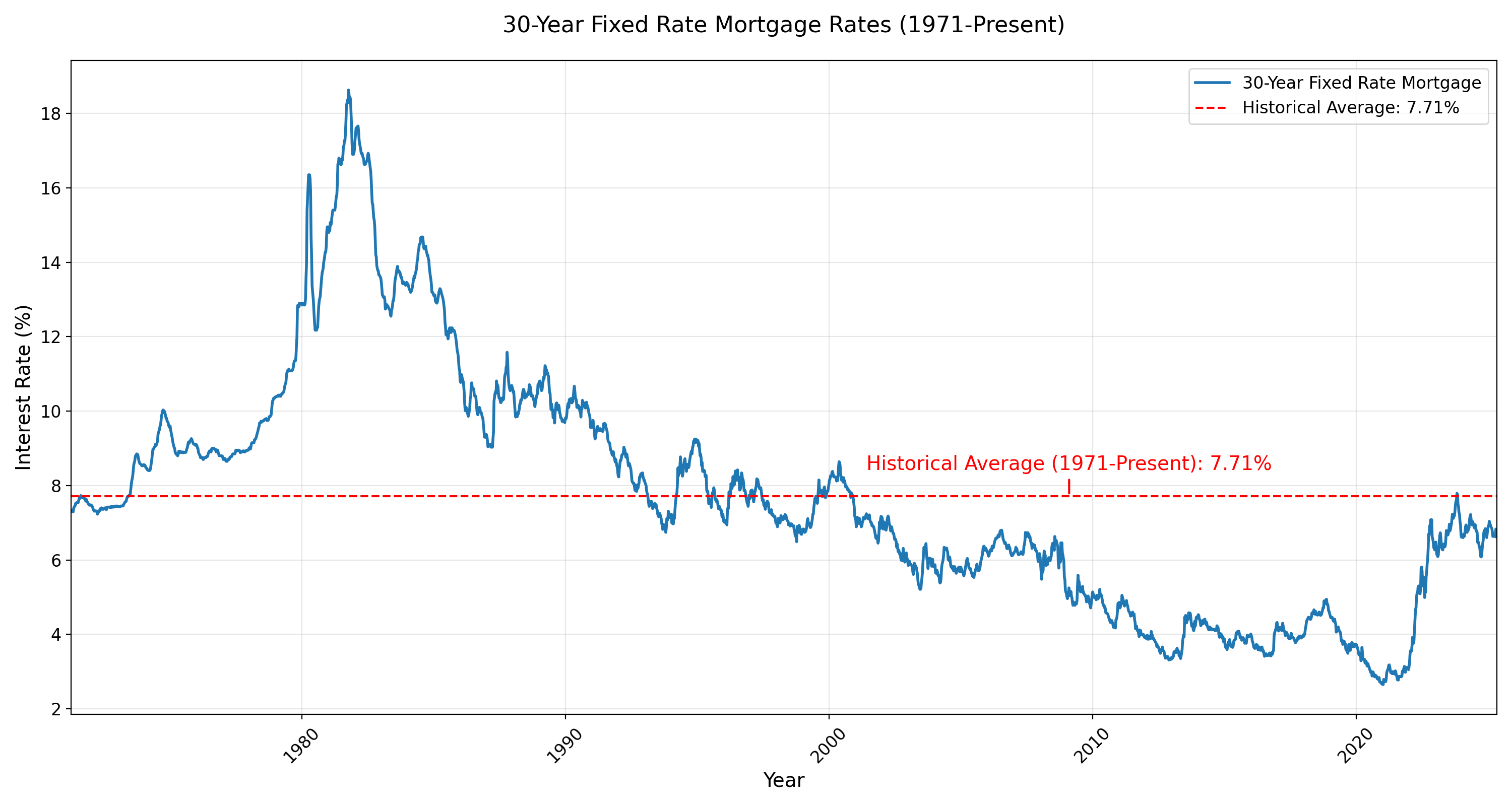
Many people mistakenly believe that the Federal Reserve sets mortgage rates directly. In reality, the “Fed” sets the federal funds rate—the rate at which banks lend to each other overnight. While mortgage rates tend to track with the Fed’s decisions, they are more closely tied to the yield on the 10-year Treasury bond.
When investors are worried about inflation, they demand higher yields on bonds, which pushes mortgage rates up. Conversely, during economic downturns, investors flock to the safety of bonds, driving yields and mortgage rates down. Inflation is the greatest enemy of low mortgage rates, as it erodes the purchasing power of the future payments lenders will receive.
Your Personal Financial Health
While the market sets the “base” rate, your specific mortgage rate is a reflection of your perceived risk as a borrower. Lenders look primarily at your credit score and your Debt-to-Income (DTI) ratio.
- Credit Score: Borrowers with a score above 760 typically qualify for the lowest available rates. A lower score suggests a higher risk of default, prompting lenders to charge a higher interest rate to compensate for that risk.
- Debt-to-Income (DTI) Ratio: This measures how much of your monthly gross income goes toward paying debts. A lower DTI indicates that you have the financial “breathing room” to handle a mortgage, which can sometimes influence the loan terms offered.

Property Specifics and Loan-to-Value (LTV) Ratio
The nature of the property itself also plays a role. Primary residences usually command lower rates than investment properties or second homes, which are seen as riskier. Additionally, your Loan-to-Value (LTV) ratio—the amount you are borrowing compared to the value of the home—is crucial. A higher down payment (lower LTV) reduces the lender’s risk and can lead to a more favorable rate, as well as the elimination of Private Mortgage Insurance (PMI).
The Impact of Mortgage Rates on Long-Term Wealth
In the niche of personal finance, we view a mortgage not just as a debt, but as a tool for wealth creation. The rate you secure influences your ability to save, invest, and build equity.
The Cost of Waiting vs. Buying Now
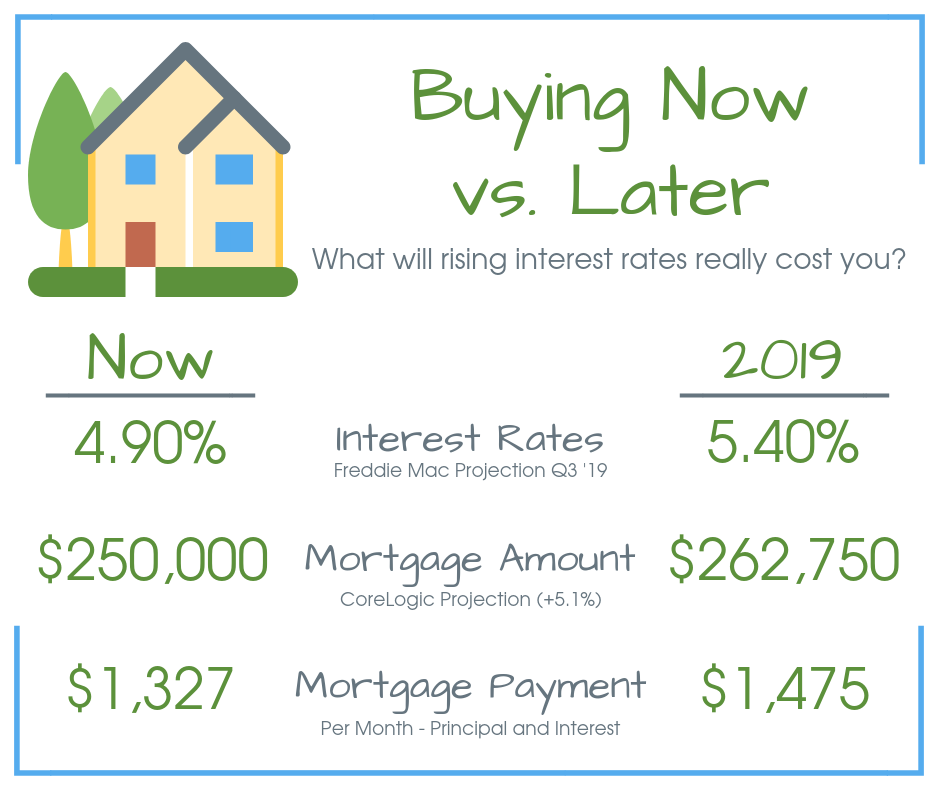
A common dilemma for prospective buyers is whether to wait for rates to drop. However, “timing the market” is notoriously difficult. If you wait for a 1% drop in rates but home prices rise by 5% in the meantime, you may end up with a higher monthly payment and less equity.
From a wealth-building perspective, it is often better to buy when you are financially ready and the right property is available. If rates drop significantly in the future, you have the option to refinance. If they rise, you have successfully locked in a lower rate.
Refinancing Strategies for Wealth Preservation
Refinancing is the process of replacing your current mortgage with a new one, typically to take advantage of lower interest rates. A successful refinance can lower your monthly payment, freeing up cash flow for other investments like a 404(k) or brokerage account.
A “cash-out” refinance allows homeowners to tap into their home equity to fund home improvements or consolidate high-interest debt. However, this should be approached with caution, as it increases the principal balance and can extend the life of the debt. The general rule of thumb is that a refinance makes sense if you can lower your rate by at least 0.75% to 1% and plan to stay in the home long enough to recoup the closing costs.
The Power of Extra Principal Payments
Even a “low” mortgage rate results in massive interest costs over time. One of the most effective personal finance strategies is making extra principal payments. By paying just one extra monthly payment per year, or rounding up your monthly check, you can drastically reduce the total interest paid and shave years off your loan term. This represents a “guaranteed return” on your money equal to your mortgage interest rate.
Navigating Today’s Market: Practical Financial Tips
Securing a competitive mortgage rate requires more than just a good credit score; it requires a proactive approach to the lending process.
Comparing Lenders and Shopping Around
Mortgage rates can vary significantly from one lender to another. Big banks, credit unions, and online mortgage brokers all have different overhead costs and risk tolerances. Research from the Consumer Financial Protection Bureau (CFPB) suggests that getting quotes from at least three different lenders can save a borrower thousands of dollars over the life of the loan. Always request a “Loan Estimate” form, which standardizes the information and makes it easy to compare fees and rates.
Buying Down the Rate with Points
For those with extra cash on hand at closing, “buying points” is a strategy to consider. One discount point typically costs 1% of the loan amount and reduces your interest rate by a predetermined amount (often 0.25%).
This is essentially “prepaying” interest. To determine if this is a smart move, calculate the “break-even point”—the number of months it will take for the monthly savings to equal the upfront cost of the points. If you plan to stay in the home longer than the break-even period, buying points can be a highly effective way to lower the total cost of your loan.
Locking in Your Rate
Mortgage rates fluctuate daily, and sometimes hourly. Once you find a rate you are comfortable with, you should “lock” it. A rate lock guarantees that your interest rate won’t change between the time you apply for the loan and the time you close, provided you close within a specific window (usually 30 to 60 days). In a rising rate environment, a lock is a vital tool for protecting your budget.
Summary: The Financial Significance of the Rate
Understanding mortgage rates is a fundamental pillar of personal finance. These percentages are far more than just a line item on a bank statement; they are the primary factor determining the affordability of housing and the velocity of equity growth. By monitoring economic trends, maintaining a stellar credit profile, and strategically comparing lending options, you can secure a rate that serves as a foundation for your financial future.
In the end, a mortgage should not be a burden, but a calculated financial move. Whether you are a first-time buyer or a seasoned real estate investor, mastering the nuances of mortgage rates is the key to turning a house into a successful long-term investment.
aViewFromTheCave is a participant in the Amazon Services LLC Associates Program, an affiliate advertising program designed to provide a means for sites to earn advertising fees by advertising and linking to Amazon.com. Amazon, the Amazon logo, AmazonSupply, and the AmazonSupply logo are trademarks of Amazon.com, Inc. or its affiliates. As an Amazon Associate we earn affiliate commissions from qualifying purchases.