
In the sophisticated landscape of global commodities and specialty chemicals, certain compounds remain invisible to the average consumer while acting as pillars of billion-dollar industries. Monoglycerides represent one such asset. Often listed on the back of food packaging as “mono- and diglycerides,” these lipid-based molecules are more than just food additives; they are high-value industrial commodities that drive significant revenue for the specialty chemical and food-tech sectors. For investors and business strategists, understanding monoglycerides is essential for navigating the complex supply chains of the global consumer packaged goods (CPG) market and the lucrative world of industrial surfactants.
From a financial standpoint, monoglycerides are classified as emulsifiers—agents that allow water and oil to blend harmoniously. Their economic importance spans across sectors including pharmaceuticals, cosmetics, and, most notably, the processed food industry. As global demand for shelf-stable products grows, the market for monoglycerides continues to expand, offering a unique intersection of agricultural commodity pricing, chemical manufacturing innovation, and consumer trend sensitivity.
Understanding the Economic Value of Monoglycerides
To understand the financial viability of monoglycerides, one must first look at their role as a functional commodity. In the world of business finance, a product is only as valuable as the problem it solves. Monoglycerides solve the multi-billion dollar problem of product degradation and texture inconsistency.
Defining the Commodity in Global Trade
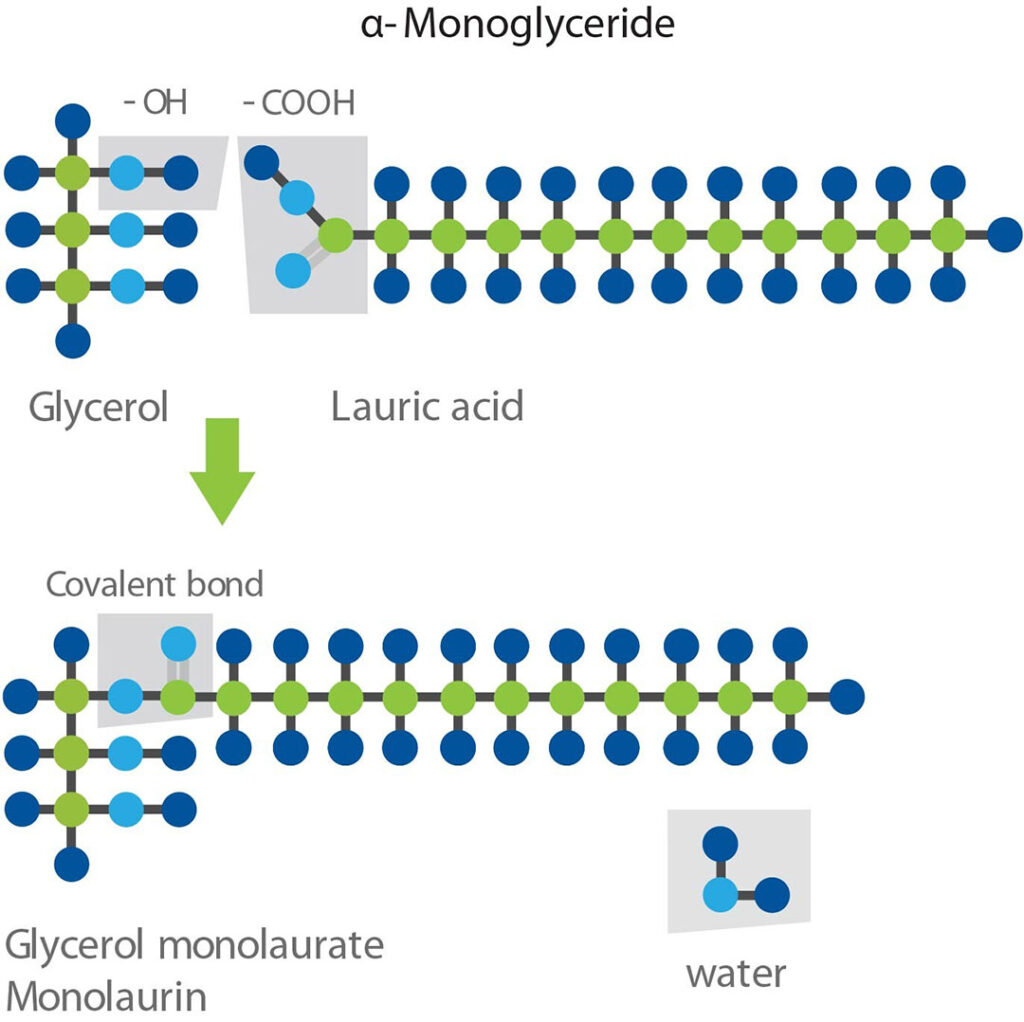
In chemical terms, a monoglyceride is a glyceride consisting of one fatty acid chain covalently bonded to a glycerol molecule through an ester linkage. In the business world, however, they are a “performance ingredient.” They are produced primarily through the glycerolysis of fats and oils (such as palm oil, soybean oil, or sunflower oil).
This puts the production of monoglycerides at the mercy of the global vegetable oil market. Investors tracking companies that produce these emulsifiers must monitor the Chicago Board of Trade (CBOT) for soybean oil futures and the Bursa Malaysia for palm oil prices. The spread between the raw material cost and the processed chemical price defines the profit margins for major players in the specialty chemical space.
The Cost Efficiency of Food Stabilization
From the perspective of a CPG (Consumer Packaged Goods) company, monoglycerides are an exercise in margin optimization. Maintaining the texture of a mass-produced bread or an industrial-scale ice cream without these emulsifiers would require significantly more expensive ingredients or more frequent deliveries to avoid spoilage.
By utilizing monoglycerides, companies can extend shelf life and reduce waste. For a business, this translates to lower “Cost of Goods Sold” (COGS) and higher net margins. The ability to ship products further and store them longer without quality loss is a key driver of international trade in the food sector, making monoglycerides a foundational component of globalized food supply chains.
Market Dynamics and Industry Drivers
The global food emulsifier market, of which monoglycerides are a dominant share, is projected to grow at a steady Compound Annual Growth Rate (CAGR). Understanding the drivers behind this growth is crucial for any investor looking to capitalize on the “hidden” ingredients of the global economy.
The Rise of Processed Foods in Emerging Markets
The primary driver for the monoglyceride market is the rapid urbanization of emerging economies. In regions like Southeast Asia, Latin America, and Africa, the middle class is expanding, leading to a higher consumption of processed and convenience foods.
As these markets transition from traditional fresh-market diets to supermarket-centric diets, the demand for bakery products, dairy alternatives, and frozen goods skyrockets. Each of these categories relies heavily on monoglycerides to ensure product consistency across varying climates and distribution networks. For investors, this represents a long-term growth play in the international consumer staples sector.
Supply Chain Volatility: From Palm Oil to Petroleum
While the demand side of the equation is robust, the supply side is subject to significant volatility. Most monoglycerides are derived from vegetable oils. Therefore, environmental factors—such as droughts in Brazil or monsoons in Indonesia—can tighten the supply of raw materials, driving up production costs.
Furthermore, there is a secondary market for monoglycerides in the industrial and plastic sectors, where they serve as anti-static agents and lubricants. This creates a cross-industry competition for the same chemical precursors. Financial analysts must look at the “inter-commodity” relationships: if the price of crude oil rises, bio-based alternatives for plastics become more attractive, potentially diverting the supply of monoglycerides away from food and toward industrial applications, impacting pricing across the board.

Investment Strategies in the Chemical and Food Additive Sector
For those looking to gain exposure to the monoglyceride market, the investment path usually goes through large-scale specialty chemical conglomerates and vertically integrated food ingredient companies.
Identifying Key Players: Blue-Chip Stocks vs. Specialty Chemical Firms
The market for monoglycerides is dominated by several large, publicly traded entities. Companies such as Kerry Group, BASF, Archer Daniels Midland (ADM), and Danisco (now part of IFF) are major players in this space.
- Diversified Conglomerates: Investing in a company like BASF provides exposure to monoglycerides as part of a massive portfolio of industrial chemicals. This offers lower risk but less sensitivity to the specific growth of the food additive market.
- Specialty Ingredient Leaders: Companies like Kerry Group or IFF are more “pure plays” in the sense that their R&D and revenue are more directly tied to consumer trends in flavor and texture. These stocks often command higher P/E ratios due to their specialized intellectual property and essential role in the food supply chain.
ESG Factors and the Shift Toward Plant-Based Monoglycerides
Environmental, Social, and Governance (ESG) criteria are becoming a central focus for institutional investors. Monoglycerides have historically been under fire when derived from non-sustainable palm oil, which is linked to deforestation.
There is currently a significant “green premium” in the market. Companies that can certify their monoglycerides as “RSPO” (Roundtable on Sustainable Palm Oil) or those developing sunflower-based or synthetic alternatives are attracting more capital. For the astute investor, the move toward sustainable monoglycerides represents a “moat”—a competitive advantage that protects companies from regulatory shifts and consumer boycotts.
Risk Management and Future Projections
No investment is without risk, and the monoglyceride sector faces unique challenges ranging from health regulations to technological disruptions.
Regulatory Risks and the FDA Factor
The financial health of the monoglyceride industry is closely tied to the regulatory environment. In the United States, the Food and Drug Administration (FDA) classifies most monoglycerides as “Generally Recognized as Safe” (GRAS). However, changes in nutritional labeling requirements or shifting health guidelines regarding fats can impact demand.
For example, when the FDA moved to ban trans fats (partially hydrogenated oils), monoglycerides actually saw an uptick in demand because they became the primary alternative for achieving the same textural properties in baked goods. However, if future studies were to link certain types of emulsifiers to gut health issues, we could see a sudden regulatory pivot. Investors must price in this “stroke of the pen” risk, where a single government decision could alter the market landscape overnight.
Technological Innovation in Sustainable Synthesis
The future of the monoglyceride market lies in biotechnology. We are seeing the emergence of “clean label” trends where consumers demand fewer additives. This is forcing the industry to innovate.
Startups and R&D departments are working on enzymatic processes to produce monoglycerides more efficiently and with fewer chemical catalysts. From a business finance perspective, the company that patents a more cost-effective, “all-natural” monoglyceride will likely capture a significant portion of the market share. Monitoring patent filings and R&D spend in the quarterly reports of ingredient companies is a vital tactic for identifying future market leaders.

Conclusion: The Bottom Line on Monoglycerides
In conclusion, monoglycerides are far more than a footnote on a nutrition label. They are a vital link in the global economic chain, sitting at the intersection of agriculture, chemistry, and consumer demand. For the investor, they represent a window into the stability of the food industry and the growth potential of specialty chemicals.
Whether you are looking at monoglycerides as a commodity trader monitoring palm oil futures, or as a stock investor looking for stable returns in the CPG sector, the “emulsifier play” is a testament to the value of invisible essentials. As the world population grows and the demand for efficient, shelf-stable food increases, the businesses that produce, refine, and innovate these simple fats will continue to find themselves in a position of significant financial strength. Understanding what monoglycerides are—and more importantly, what they are worth—is a key step in mastering the intricacies of modern industrial finance.
aViewFromTheCave is a participant in the Amazon Services LLC Associates Program, an affiliate advertising program designed to provide a means for sites to earn advertising fees by advertising and linking to Amazon.com. Amazon, the Amazon logo, AmazonSupply, and the AmazonSupply logo are trademarks of Amazon.com, Inc. or its affiliates. As an Amazon Associate we earn affiliate commissions from qualifying purchases.