
In the intricate tapestry of the global economy, manufacturers stand as the bedrock, the alchemists of raw materials and abstract ideas, transforming them into the tangible products that fuel our daily lives, drive innovation, and shape our societies. Beyond the simple act of making things, manufacturing represents a complex ecosystem of processes, technologies, and strategic decisions that underpin industrial progress. Understanding what manufacturers are involves delving into their core functions, the diverse sectors they inhabit, the technological forces that are reshaping their operations, and their profound economic and societal impact.
The Core Function: From Conception to Creation
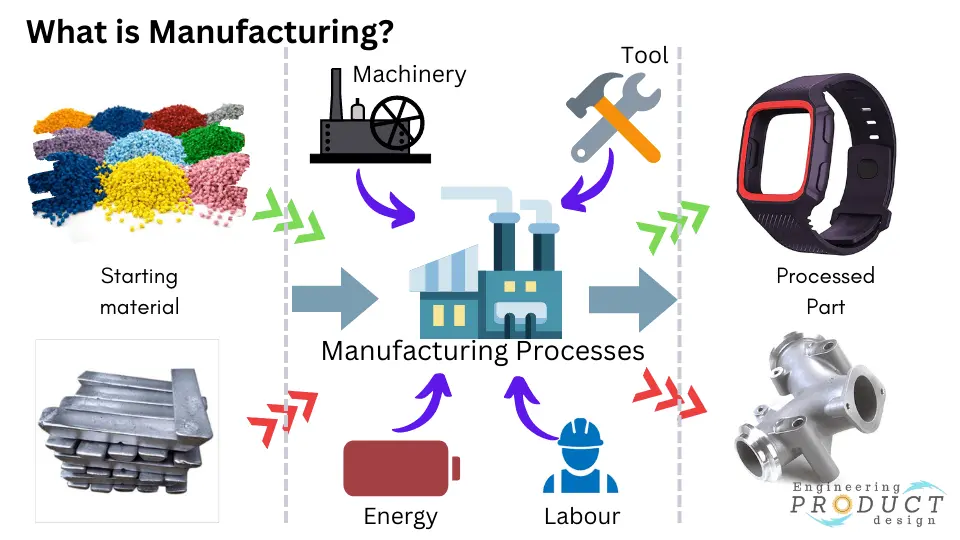
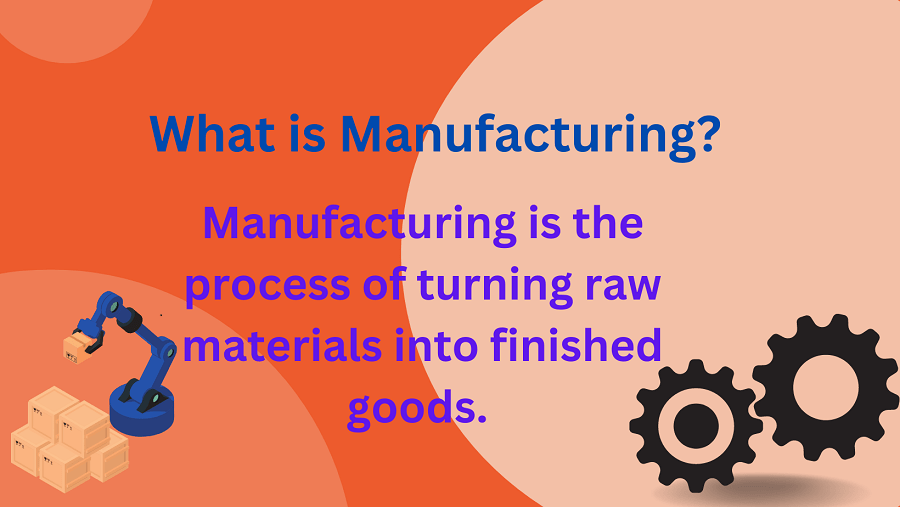
At its heart, manufacturing is the process of taking raw materials or component parts and assembling, fabricating, or chemically altering them to create finished goods. This is not a monolithic activity but rather a spectrum of operations, each requiring specific expertise, machinery, and methodologies.
Raw Material Transformation
The journey of a manufactured product often begins with the procurement and processing of raw materials. These can range from agricultural products like cotton and lumber to mineral resources such as iron ore, bauxite, and crude oil, as well as synthesized chemicals. Manufacturers then employ a variety of techniques to refine these materials, making them suitable for further processing. For example, steel mills smelt iron ore into various grades of steel, while oil refineries transform crude oil into gasoline, plastics, and other petrochemicals. This initial stage is critical, as the quality and cost of raw materials significantly influence the final product and the manufacturer’s profitability.
Assembly and Fabrication
Once raw materials are prepared or component parts are sourced from other specialized suppliers, the process moves to assembly and fabrication. Fabrication involves shaping and joining materials to create distinct components, such as stamping metal sheets into car body panels or molding plastic into intricate casings for electronic devices. Assembly, on the other hand, is the process of bringing these fabricated components together, along with sub-assemblies, to form a complete product. This can range from the highly automated assembly lines of automotive plants to the more intricate, hands-on assembly of specialized medical devices. The efficiency and precision of these stages are paramount to ensuring product quality and meeting production targets.
Quality Control and Assurance
Integral to the manufacturing process is a robust system of quality control and assurance. This involves a multi-layered approach to ensuring that products meet predetermined standards and customer expectations. Quality control typically involves inspecting materials and finished products at various stages of production to identify and rectify defects. Quality assurance, a more proactive approach, focuses on establishing and maintaining processes that prevent defects from occurring in the first place. This can include implementing statistical process control, conducting rigorous testing, and adhering to international quality management standards such as ISO 9001. The reputation of a manufacturer is built on the consistent quality of its output, making this a non-negotiable aspect of their operations.
Diverse Industries and Product Landscapes
The term “manufacturer” is incredibly broad, encompassing a vast array of industries that produce an equally diverse range of goods. These industries are the engines of economic activity, providing employment, driving innovation, and supplying the essential products that underpin modern society.
Consumer Goods Manufacturing
This is perhaps the most visible sector of manufacturing, producing items directly used by consumers. This includes everything from food and beverages, clothing, and footwear to electronics, appliances, furniture, and toys. Companies in this sector often focus on mass production, leveraging economies of scale to offer products at competitive prices. The success of consumer goods manufacturers is heavily influenced by consumer trends, branding, marketing, and supply chain efficiency.
Durable Goods and Capital Equipment Manufacturing
Manufacturers of durable goods produce items designed for long-term use, such as automobiles, heavy machinery, industrial equipment, and aerospace components. Capital equipment manufacturers focus on producing the tools and machinery that other industries use to create their own products. These sectors are often characterized by longer product development cycles, higher initial investment costs, and a greater emphasis on engineering, performance, and reliability. The demand for these products is closely tied to broader economic cycles and business investment.
Specialized and Niche Manufacturing
Beyond the large-scale industries, there exists a vibrant ecosystem of specialized and niche manufacturers. These companies often focus on producing highly specific or customized products for particular markets. Examples include manufacturers of medical devices and pharmaceuticals, high-precision instruments, advanced materials, and even artisanal goods. These manufacturers often thrive on innovation, intellectual property, and the ability to meet unique customer needs that larger, more generalized manufacturers may not be equipped to address.
The Technological Revolution in Manufacturing
The manufacturing landscape is undergoing a profound transformation driven by rapid technological advancements. This evolution, often referred to as Industry 4.0, is fundamentally altering how products are designed, produced, and delivered. Manufacturers are increasingly adopting digital technologies to enhance efficiency, agility, and customization.
Automation and Robotics
Automation has been a cornerstone of manufacturing for decades, but its evolution has accelerated dramatically with the advent of advanced robotics and artificial intelligence. Modern robots are more versatile, collaborative, and intelligent, capable of performing complex tasks with greater precision and speed. This not only increases productivity but also enhances worker safety by taking over dangerous or repetitive jobs. Automated systems are being deployed across assembly lines, material handling, quality inspection, and even in more specialized areas like surgical assistance.
Additive Manufacturing (3D Printing)
Additive manufacturing, commonly known as 3D printing, represents a paradigm shift from traditional subtractive manufacturing (removing material) to additive processes (building layers). This technology allows for the creation of highly complex geometries and customized parts directly from digital designs. 3D printing is revolutionizing prototyping, enabling rapid iteration and cost-effective production of small batches. Its applications are expanding from consumer goods and medical implants to aerospace components and even construction.
The Internet of Things (IoT) and Data Analytics
The integration of the Internet of Things (IoT) into manufacturing environments is creating “smart factories.” Sensors embedded in machinery and throughout the production line collect vast amounts of data in real-time. This data, when analyzed using advanced analytics and AI, provides invaluable insights into production performance, equipment health, and potential bottlenecks. Predictive maintenance, where potential equipment failures are anticipated and addressed before they occur, is a prime example of how IoT and data analytics are improving operational efficiency and reducing downtime.
Digital Twins and Simulation
Digital twins are virtual replicas of physical manufacturing processes, products, or systems. These dynamic models are updated with real-time data from their physical counterparts, allowing for simulation, analysis, and optimization without impacting actual production. Manufacturers can use digital twins to test new product designs, optimize manufacturing workflows, train operators, and predict the performance of machinery under various conditions. This not only reduces the risk of costly errors but also accelerates innovation and improves decision-making.
The Economic and Societal Impact of Manufacturing
Manufacturers are far more than just creators of goods; they are vital contributors to economic prosperity and societal well-being. Their operations generate employment, foster innovation, drive international trade, and contribute significantly to a nation’s gross domestic product.
Job Creation and Economic Growth
Manufacturing is a major source of employment, providing a wide range of job opportunities from skilled labor in production and assembly to engineering, research and development, management, and sales. A strong manufacturing sector often correlates with higher wages and a more stable economy. Furthermore, manufacturing acts as a multiplier effect, stimulating demand for services, logistics, and raw materials, thus fostering broader economic growth. Investment in manufacturing facilities and innovation can attract further business and investment, creating a virtuous cycle of economic development.
Innovation and Technological Advancement
The competitive nature of the manufacturing industry compels companies to continuously innovate. This drive for improvement leads to advancements in product design, material science, production processes, and automation. Manufacturers are often at the forefront of adopting and developing new technologies, which can then diffuse into other sectors of the economy. This constant pursuit of efficiency, performance, and new capabilities fuels overall technological progress and enhances a nation’s competitive edge on the global stage.
Global Trade and Supply Chains
Manufacturers are key players in the global economy, participating in intricate international supply chains. Raw materials may be sourced from one continent, components manufactured in another, and the final product assembled and distributed worldwide. This global interconnectedness allows for specialization and access to resources and markets, but it also introduces complexities related to logistics, trade policies, and geopolitical stability. Understanding the role of manufacturers is crucial to comprehending the dynamics of global commerce and the flow of goods across borders.
In conclusion, manufacturers are the indispensable architects of the material world. They are entities that transform ideas and resources into tangible products through complex processes, powered by ever-evolving technologies, and profoundly impacting economies and societies worldwide. From the smallest artisanal workshop to the largest multinational corporation, the act of manufacturing remains a fundamental pillar of human progress and a testament to our ingenuity.
aViewFromTheCave is a participant in the Amazon Services LLC Associates Program, an affiliate advertising program designed to provide a means for sites to earn advertising fees by advertising and linking to Amazon.com. Amazon, the Amazon logo, AmazonSupply, and the AmazonSupply logo are trademarks of Amazon.com, Inc. or its affiliates. As an Amazon Associate we earn affiliate commissions from qualifying purchases.