
The world we live in is increasingly reliant on specialized knowledge and skills. From the technology that powers our daily lives to the financial strategies that guide our wealth, and the brands that shape our perceptions, experts play a crucial role. But with expertise comes responsibility, and sometimes, that responsibility is not met. This is where the concept of malpractice comes into play, leading to the potentially significant legal ramifications of malpractice lawsuits.
While the term “malpractice” is often associated with medical professionals, its scope extends far beyond the operating room. In essence, a malpractice lawsuit arises when a professional in any field fails to exercise the degree of care, skill, and diligence that a reasonably prudent professional in the same field would exercise under similar circumstances, and this failure results in harm or damages to another party. This article will delve into what malpractice lawsuits are, the circumstances that give rise to them, and how they intersect with the domains of technology, branding, and finance.

Understanding the Core of Malpractice: Negligence and Duty of Care
At its heart, a malpractice lawsuit is a claim of professional negligence. To successfully prove malpractice, a plaintiff (the party bringing the lawsuit) must generally demonstrate four key elements:
The Duty of Care: The Professional Obligation
Every professional owes a “duty of care” to their clients or patients. This duty represents the legal obligation to act in a manner that a reasonable and competent professional in their field would act. This is not a universal standard but is specific to the profession in question. For example, a software developer has a different duty of care than a financial advisor.
In the realm of Technology, a software developer might have a duty to write code that is reasonably free of critical bugs, to follow established security protocols, and to deliver a product that functions as advertised. A cybersecurity consultant has a duty to advise clients on effective security measures and to handle sensitive data with utmost confidentiality and competence. AI tool developers have a growing duty to ensure their algorithms are not biased and do not produce harmful outcomes.
For Brand professionals, a brand strategist might have a duty to conduct thorough market research, to develop a brand identity that accurately reflects the client’s offerings, and to advise on marketing strategies that are ethical and legally compliant. A graphic designer has a duty to create designs that are original and do not infringe on existing copyrights. A public relations specialist has a duty to provide accurate information and manage a client’s reputation responsibly.
In Money matters, a financial advisor has a clear duty of care to act in their client’s best financial interests, often referred to as a fiduciary duty. This means they must prioritize their client’s needs above their own and provide advice that is suitable for the client’s risk tolerance, financial goals, and circumstances. An accountant has a duty to accurately prepare financial statements and provide sound tax advice. A business consultant has a duty to offer strategies that are sound and beneficial to the business’s financial health.
Breach of Duty: Falling Short of the Standard
The second element is proving that the professional breached their duty of care. This means demonstrating that their actions or omissions fell below the accepted professional standard. This is often the most contentious part of a malpractice case and typically requires expert testimony from other professionals in the same field to establish what the reasonable standard of care was and how it was violated.
In Technology, a breach of duty could manifest as:
- Software defects: Releasing a critical application with significant, unaddressed bugs that lead to data loss or system failure.
- Security vulnerabilities: Failing to implement basic security measures, resulting in a data breach that exposes sensitive client information.
- Misrepresentation of capabilities: Overpromising the functionality or efficiency of an AI tool or software application, leading to the client making poor business decisions based on unrealistic expectations.
- Inadequate training or support: Providing insufficient guidance on the use of complex software or AI tools, leading to user error and subsequent problems.
In the Brand landscape, a breach of duty might include:
- Misleading brand positioning: Developing a brand strategy that intentionally misrepresents a product or service to consumers, leading to reputational damage.
- Copyright infringement in design: Using unlicensed imagery or intellectual property in marketing materials, exposing the client to legal action.
- Poor crisis management: Failing to respond effectively to a PR crisis, exacerbating negative sentiment and damaging the brand’s long-term standing.
- Unsound marketing advice: Recommending marketing campaigns that are demonstrably ineffective or unethical, resulting in wasted resources and lost opportunities.
For Money professionals, a breach of duty could involve:
- Unsuitable investment recommendations: Recommending high-risk investments to a client who has expressed a low-risk tolerance or has specific financial goals that these investments do not align with.
- Gross negligence in accounting: Making significant errors in financial reporting that lead to penalties or legal issues for the client.
- Failure to disclose conflicts of interest: Not informing clients about commissions or fees received from recommending certain financial products.
- Providing advice outside of one’s expertise: Offering guidance on complex financial instruments without the necessary qualifications or understanding.
Causation: The Link Between Breach and Harm
The third crucial element is causation. The plaintiff must prove that the professional’s breach of duty directly caused the damages they suffered. This means showing a clear and direct link between the negligent act or omission and the resulting harm. It’s not enough to show that the professional made a mistake; they must show that this mistake led to the negative outcome.
Consider these examples:
- Tech: A software bug didn’t just exist; it directly caused the company’s e-commerce platform to crash during its busiest sales period, resulting in millions of dollars in lost revenue.
- Brand: A poorly executed marketing campaign didn’t just perform badly; it alienated the target audience and led to a significant decline in sales and a tarnished brand image.
- Money: An investment recommendation didn’t just lose value; it was so ill-suited to the client’s financial situation that it jeopardized their retirement plans.
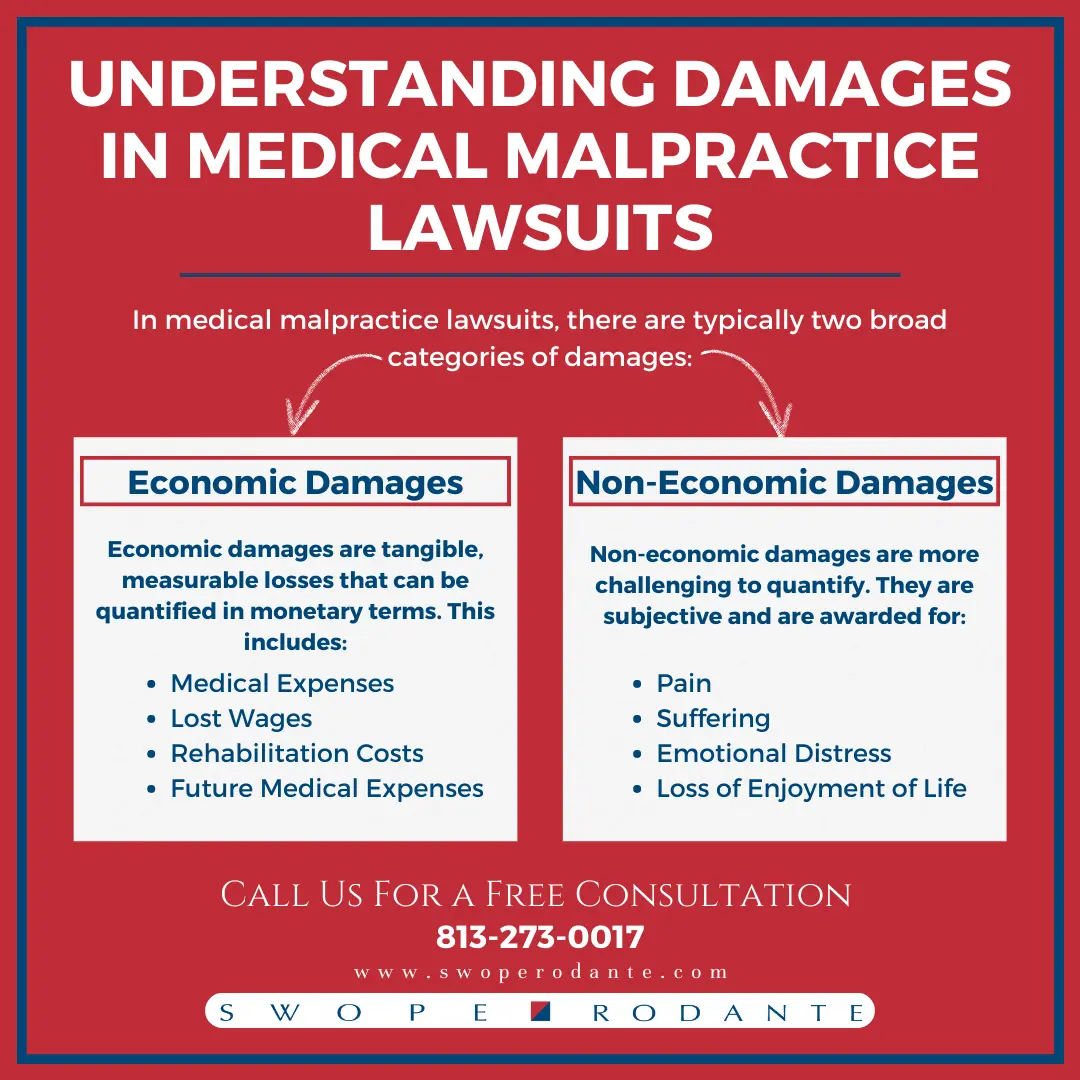
Damages: The Quantifiable Harm
Finally, the plaintiff must demonstrate that they suffered damages as a result of the malpractice. These damages must be quantifiable, meaning they can be measured in monetary terms. This could include:
- Financial losses: Lost income, lost profits, costs incurred to rectify the mistake, or the loss of investment principal.
- Reputational damage: Loss of goodwill, decreased brand value, or negative public perception.
- Other tangible losses: Costs of legal fees to resolve the issue, or the expense of hiring a new professional to fix the problem.
Malpractice Lawsuits in the Digital Age: Technology and Beyond
The digital transformation has introduced new dimensions to professional malpractice. As technology becomes more sophisticated and integrated into all aspects of business and personal life, the potential for errors and negligence in its creation, implementation, and management grows.
Technology and Emerging Malpractice Risks
The rapid evolution of Tech presents unique challenges. The reliance on AI, complex software, and interconnected systems means that errors can have cascading effects.
- AI Bias and Discrimination: If an AI tool used in hiring, lending, or criminal justice exhibits bias due to flawed training data or algorithms, it can lead to discriminatory outcomes. Lawsuits could arise if individuals can prove they were harmed by such biased decisions, alleging negligence on the part of the developers or implementers.
- Software Development Errors: Beyond simple bugs, sophisticated software can have complex interdependencies. A failure in one module could impact critical business operations. The standard of care for software development now includes rigorous testing, security audits, and adherence to industry best practices for complex systems.
- Digital Security Failures: In an era of pervasive cyber threats, professionals have a heightened duty to protect sensitive data. Malpractice lawsuits can arise from inadequate cybersecurity measures that lead to data breaches, exposing client information and resulting in financial and reputational harm. This applies to IT consultants, cloud service providers, and any entity handling confidential data.
- App Development and Updates: Developers of mobile applications also owe a duty of care. If an app malfunctions, causes data loss, or exposes users to security risks due to poor design or negligent updates, legal action might follow.
Brand Reputation and the Perils of Mismanagement
In the Brand sphere, malpractice can have devastating consequences for a company’s image and long-term viability.
- Misleading Advertising and Marketing: Deceptive marketing practices, whether intentional or due to negligence in fact-checking or legal review, can lead to consumer protection lawsuits and a significant erosion of trust. Brand strategists and marketing teams have a duty to ensure all communications are truthful and accurate.
- Intellectual Property Infringement: Failing to conduct proper due diligence on the originality of brand elements, logos, or marketing content can lead to costly lawsuits. This places a burden on designers, brand consultants, and legal departments to ensure compliance.
- Brand Crisis Management Failures: In today’s hyper-connected world, a crisis can escalate rapidly. Professionals responsible for managing a brand’s reputation have a duty to respond swiftly, accurately, and ethically. A negligent or inadequate response can turn a manageable issue into a full-blown catastrophe.
- Personal Branding Missteps: For individuals building their personal brand, especially in professional contexts, negligent misrepresentation or the sharing of misinformation can lead to career setbacks and reputational damage, potentially giving rise to claims if business partnerships are impacted.
Financial Malpractice: The Stakes Are High
The financial sector is a fertile ground for malpractice lawsuits due to the direct impact on individuals’ and businesses’ financial well-being.
- Investment Advisor Negligence: This is perhaps the most common area of financial malpractice. Advisors have a fiduciary duty to act in their clients’ best interests. Recommending unsuitable investments, churning accounts (excessive trading for commission), or failing to disclose conflicts of interest can all lead to significant financial losses for clients, forming the basis of a lawsuit.
- Accounting and Auditing Errors: Accountants and auditors have a responsibility to ensure financial accuracy and compliance. Gross negligence in preparing financial statements, failing to detect fraud, or issuing inaccurate audit opinions can result in substantial financial damage to businesses and their stakeholders.
- Tax Advice Malpractice: Incorrect tax advice can lead to penalties, fines, and unforeseen tax liabilities for individuals and businesses. Tax professionals have a duty to provide accurate and up-to-date guidance.
- Financial Planning Failures: Inadequate or negligent financial planning that fails to account for a client’s life circumstances, goals, or risk tolerance can lead to individuals being unprepared for retirement, facing unexpected financial shortfalls, or making costly errors in wealth management.
Navigating the Landscape of Professional Responsibility
Malpractice lawsuits serve as a critical mechanism for accountability in professional fields. They underscore the importance of competence, diligence, and ethical conduct. For professionals across technology, branding, and finance, understanding the principles of malpractice is not just about avoiding legal trouble; it’s about upholding the trust placed in them by their clients and society at large.
Prevention is Key: Building a Culture of Excellence
The best way to avoid malpractice claims is through proactive prevention. This involves:
- Continuous Professional Development: Staying abreast of industry standards, new technologies, and legal regulations is paramount.
- Clear Contracts and Communication: Establishing well-defined service agreements that clearly outline scope, responsibilities, and limitations can prevent misunderstandings. Open and honest communication with clients is also vital.
- Robust Quality Control and Review Processes: Implementing checks and balances within organizations to ensure accuracy, compliance, and adherence to best practices.
- Adequate Insurance Coverage: Professional liability insurance (often called Errors & Omissions or E&O insurance) is crucial for protecting professionals and their businesses from the financial impact of malpractice claims.
- Ethical Decision-Making: Prioritizing ethical considerations in all professional dealings, even when faced with pressure or difficult circumstances.

The Legal Process: What to Expect
If a malpractice claim is made, the process typically involves:
- Filing a Complaint: The aggrieved party (plaintiff) files a lawsuit outlining the alleged malpractice.
- Investigation and Discovery: Both sides gather evidence, conduct interviews, and exchange documents. Expert witnesses are often retained.
- Negotiation and Settlement: Many cases are settled out of court through negotiation.
- Trial: If a settlement cannot be reached, the case proceeds to trial, where a judge or jury decides liability and damages.
In conclusion, malpractice lawsuits are serious legal actions that arise from a professional’s failure to meet their duty of care, resulting in harm to another. As our reliance on experts in technology, branding, and finance continues to grow, so too does the imperative for these professionals to operate with the highest degree of competence, integrity, and responsibility. Understanding the potential for malpractice is the first step toward fostering a culture of trust and excellence in every field.
aViewFromTheCave is a participant in the Amazon Services LLC Associates Program, an affiliate advertising program designed to provide a means for sites to earn advertising fees by advertising and linking to Amazon.com. Amazon, the Amazon logo, AmazonSupply, and the AmazonSupply logo are trademarks of Amazon.com, Inc. or its affiliates. As an Amazon Associate we earn affiliate commissions from qualifying purchases.