
In the vast and intricate world of global currencies, few denominations possess a nickname as widely recognized and affectionately used as the “loonie.” Far more than just a quirky moniker, the loonie represents Canada’s one-dollar coin, an emblem of the nation’s financial system and a familiar sight in daily transactions across the country. For anyone engaging with Canadian finance, whether as a resident, an investor, or an international visitor, understanding what loonies are goes beyond merely identifying a piece of currency; it involves grasping a piece of Canada’s economic identity, its practical implications, and its symbolic weight. This article delves deep into the history, economic significance, and cultural relevance of the loonie, providing a comprehensive guide to this unique and fundamental element of Canadian money.

The Genesis and Identity of Canada’s One-Dollar Coin
The loonie’s journey from concept to ubiquitous currency is a fascinating tale rooted in practicality, national pride, and economic evolution. Its introduction marked a significant shift in Canadian currency, replacing the traditional one-dollar bill with a more durable and cost-effective coin.
Origins and Naming Convention
The Canadian one-dollar coin was officially introduced into circulation on June 30, 1987. Its primary purpose was to replace the one-dollar banknote, which had a shorter lifespan due to wear and tear, leading to higher printing and replacement costs for the Bank of Canada. The transition was initially met with some public resistance, as Canadians were accustomed to paper dollars, but the coin’s practical benefits soon became evident.
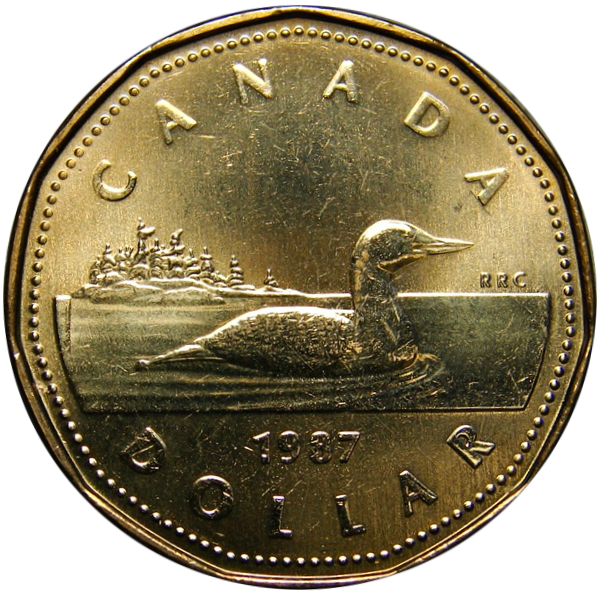
The coin’s distinctive nickname, “loonie,” was not an official designation but rather a spontaneous public adoption. It stems directly from the prominent image of a common loon (Gavia immer) depicted on its reverse side. The loon, a beautiful aquatic bird known for its haunting calls, is an iconic symbol of Canada’s wilderness and natural heritage. This imagery was a deliberate choice, reflecting Canadian identity and setting the coin apart from other nations’ currencies. The name quickly stuck, becoming an integral part of Canadian lexicon and an endearing shorthand for the currency itself.
The Loon’s Significance and Design Elements
The common loon design, created by Robert-Ralph Carmichael, was chosen not only for its aesthetic appeal but also for its deep symbolic resonance within Canadian culture. The loon embodies wildness, serenity, and the vast, pristine landscapes that define much of Canada. This connection to nature is a cornerstone of Canadian identity, making the loon an ideal emblem for a national coin.
Beyond the loon, the coin’s obverse side features an effigy of Her Majesty Queen Elizabeth II (and now King Charles III, on newer coins), signifying Canada’s status as a constitutional monarchy and a Commonwealth realm. The coin is made of an aureate-nickel (bronze-plated nickel) composite, giving it its distinctive gold color. Its dodecagonal (11-sided) shape further distinguishes it from other coins, making it easily identifiable by touch and resistant to counterfeiting. This unique shape, combined with the material, provides durability, ensuring the coin withstands daily use for many years, thus fulfilling its original cost-saving objective.
Security Features and Modern Innovations
While the original loonie’s unique material and shape offered inherent security, the evolution of currency demands continuous innovation against counterfeiting. Over the years, the Royal Canadian Mint has introduced enhanced security features to the loonie. These include micro-engraving, which involves minute laser-engraved details visible only under magnification, and a “virtual image” security feature that changes appearance when viewed from different angles. These advanced measures ensure the integrity of the loonie, protecting both the public and the financial system from illicit activities, thereby maintaining confidence in Canada’s cash transactions.
The Loonie’s Integral Role in the Canadian Economy
Beyond its physical attributes and cultural symbolism, the loonie plays a crucial, multifaceted role within Canada’s economic fabric. It is not merely a tool for transactions but also a barometer of economic health and a subject of financial analysis.
Ubiquity in Everyday Transactions and Practicality
For the average Canadian, the loonie is an indispensable part of daily life. It is the primary medium for low-value cash transactions, used for everything from purchasing a coffee or a newspaper to paying for public transport or vending machine items. Its robust metallic form means it can be exchanged countless times without significant degradation, making it incredibly practical for high-volume use. The replacement of the paper dollar with a coin also led to a longer currency lifespan, reducing the costs associated with printing and distributing new bills, a significant financial saving for the Bank of Canada over the long term. This durability minimizes waste and ensures a continuous supply of currency for the public.
Impact on Currency Circulation and Monetary Policy
The introduction of the loonie was a strategic move aimed at enhancing the efficiency of Canada’s currency system. By shifting to a coin for the one-dollar denomination, the Bank of Canada reduced the frequency of currency replacement cycles, which in turn lowered operational costs. This decision was part of a broader trend among developed nations to demonetize lower-denomination banknotes in favor of coins. While the loonie’s direct impact on broad monetary policy might seem minimal given its denomination, the efficiency gains in currency management contribute to the overall stability and cost-effectiveness of the financial infrastructure that underpins monetary policy decisions.
The Loonie’s Purchasing Power and Inflation
The purchasing power of the loonie, like any currency, is subject to the forces of inflation. Over time, a loonie buys fewer goods and services than it once did. Understanding this erosion of purchasing power is critical for consumers and economists alike. The Bank of Canada, through its monetary policy, aims to keep inflation within a target range (typically 1-3%) to maintain the stability of the loonie’s value. Factors such as commodity prices (especially oil, given Canada’s resource-based economy), interest rates set by the Bank of Canada, and global economic conditions all influence the loonie’s real value. Analyzing these trends helps individuals make informed financial decisions, from saving and investing to budgeting for daily expenses.
The Loonie as a Key Economic Indicator for Investors
While a single loonie coin represents one dollar, the term “loonie” is also colloquially used to refer to the Canadian dollar (CAD) in foreign exchange markets. In this context, the loonie takes on a much broader significance, serving as a vital economic indicator for investors, traders, and international businesses worldwide.
Understanding CAD (Canadian Dollar) Fluctuations
The value of the Canadian dollar, often simply called “the loonie” in financial news, fluctuates against other major currencies (like the US dollar, Euro, or Japanese Yen) based on a complex interplay of economic factors. These fluctuations have profound implications for Canada’s trade balance, import/export costs, and the profitability of Canadian companies operating internationally. For investors, understanding these movements is crucial for making decisions about foreign investments, hedging currency risk, and speculating on currency markets. A “strong loonie” means the Canadian dollar buys more foreign currency, making imports cheaper but exports more expensive, and vice-versa for a “weak loonie.”
Factors Influencing the Loonie’s Value on Global Markets
Several key factors heavily influence the loonie’s strength in the global forex market:
- Commodity Prices: Canada is a major exporter of natural resources, particularly oil, gas, and minerals. Consequently, the price of these commodities, especially crude oil, has a strong correlation with the loonie’s value. When oil prices rise, demand for Canadian dollars often increases as foreign buyers need CAD to purchase Canadian oil, leading to an appreciation of the loonie. Conversely, falling oil prices can weaken the currency.
- Interest Rate Differentials: The Bank of Canada’s interest rate policy is another significant driver. If the Bank of Canada raises interest rates relative to other central banks (e.g., the U.S. Federal Reserve), it makes Canadian assets more attractive to foreign investors seeking higher returns. This increased demand for Canadian dollars can strengthen the loonie.
- Economic Performance: Overall Canadian economic health, including GDP growth, employment figures, inflation rates, and trade balances, directly impacts investor confidence and, by extension, the loonie’s value. Strong economic data typically supports a stronger currency.
- Global Risk Sentiment: During periods of global economic uncertainty or geopolitical tension, investors often seek “safe haven” currencies. While the loonie is not typically considered a primary safe haven, its correlation with commodity prices means it can be sensitive to shifts in global risk appetite, especially concerning growth prospects for major commodity consumers.
Implications for Investors and International Trade
For investors, a fluctuating loonie presents both opportunities and risks. Those investing in Canadian stocks or bonds from abroad will see their returns affected by currency movements. A depreciating loonie would reduce the value of their Canadian investments when converted back to their home currency. Conversely, a strengthening loonie would enhance returns. Similarly, Canadian companies engaged in international trade must account for currency risk. Exporters prefer a weaker loonie to make their goods more competitive abroad, while importers benefit from a stronger loonie which makes foreign goods cheaper. Savvy investors and businesses often employ hedging strategies to mitigate these currency risks, highlighting the loonie’s central role in sophisticated financial planning and international commerce.
A Brief History of Canadian Currency and the Loonie’s Introduction
The loonie wasn’t Canada’s first dollar, nor was it introduced without precedent. Its arrival was the culmination of a history of currency evolution and a practical response to modern economic needs.
Pre-Loonie Era: The Canadian One-Dollar Bill
Before the loonie, the Canadian one-dollar bill was a staple of daily commerce. First issued in 1935 by the newly established Bank of Canada, these bills featured various designs over the decades, often depicting monarchs, prime ministers, or iconic Canadian landscapes. While beloved by many, the paper dollar had an inherent flaw: its short lifespan. A dollar bill typically lasted only about a year in circulation before becoming too worn or damaged to be used, necessitating costly replacement. This constant printing and re-issuing was a significant expense for the Royal Canadian Mint and the Bank of Canada.
The Transition to a Coin-Based Dollar
The idea of replacing lower-denomination banknotes with coins was not new. Several countries, including Britain and Australia, had already made similar transitions, demonstrating the cost-effectiveness and durability of coins for frequently used denominations. In Canada, discussions about introducing a one-dollar coin gained traction in the early 1980s. The primary motivation was to reduce the substantial costs associated with printing and replacing the rapidly deteriorating one-dollar bills. Despite initial public skepticism and even some humorous protests about the weight of coins in pockets, the government pressed ahead with the change.
The official launch of the loonie in 1987 was accompanied by a concerted effort to withdraw the one-dollar bills from circulation. Over time, as the bills became scarcer, Canadians naturally adopted the coin. This strategic phasing out ensured a relatively smooth transition, making the loonie an undisputed part of Canada’s monetary system.
Public Adoption and Cultural Integration
The initial reluctance towards the loonie eventually gave way to widespread acceptance and even affection. Its durability and distinctiveness proved practical advantages. The loonie’s unique design and memorable name quickly cemented its place in Canadian popular culture. It became more than just a coin; it became a symbol. The introduction of the two-dollar coin, affectionately nicknamed the “toonie” (a portmanteau of “two” and “loonie”) in 1996, further solidified this trend of coin-based higher denominations, driven by the same economic efficiencies. Today, the loonie is an ingrained part of Canadian life, a small but powerful testament to the nation’s ability to blend practicality with patriotism in its financial identity.
Collecting and the Cultural Tapestry of the Loonie
Beyond its functional role in commerce, the loonie also holds a special place in the hearts of collectors and serves as a canvas for Canadian identity and historical events.
Commemorative Loonies and Their Value
The Royal Canadian Mint frequently issues special edition or commemorative loonies, often to mark significant national events, anniversaries, or achievements. These coins feature unique designs that replace the standard loon for a limited time. Examples include loonies commemorating the Vancouver 2010 Winter Olympics, the 100th anniversary of the first Arctic expedition by Vilhjalmur Stefansson, or various historical milestones.
These commemorative loonies often become sought-after items for coin collectors, or numismatists. While their face value remains one dollar, their rarity, condition, and historical significance can imbue them with a much higher market value. Some limited-mintage commemorative loonies can fetch significantly more than their face value, especially if they are in pristine condition or possess unique minting errors. This adds another layer of financial interest to the loonie, transforming it from a simple transactional tool into a collectible asset.
The Loonie’s Place in Canadian Identity and Pop Culture
The loonie has transcended its monetary function to become a recognized symbol of Canada itself, much like maple syrup or hockey. Its image is instantly recognizable and often referenced in Canadian media, literature, and art. The affectionate nickname “loonie” itself speaks volumes about the cultural integration of the coin. It’s not uncommon for Canadians to use “the loonie” as shorthand for the Canadian dollar when discussing economic matters, even at a national or international level, signifying a deep-seated familiarity and pride.
Furthermore, the loonie has also been linked to various superstitions and traditions, perhaps most famously the “lucky loonie” buried at center ice during the 2002 Winter Olympics in Salt Lake City, which was credited by some with helping the Canadian men’s and women’s hockey teams win gold. Such anecdotes highlight how deeply embedded the loonie is in the nation’s collective consciousness, representing not just economic value but also shared experiences and national spirit.
Practical Tips for Handling Canadian Currency
For anyone visiting or living in Canada, understanding how to handle loonies (and toonies) is part of navigating daily financial life. Always keep a supply of coins for vending machines, public transit, and small purchases. While digital payments are widespread, cash remains essential for many transactions. Remember that older coins will feature Queen Elizabeth II, while newer ones will eventually feature King Charles III, but both are valid currency. Being familiar with the distinct feel and shape of the loonie and toonie helps in quick, error-free transactions. These practical aspects underscore the loonie’s continued relevance in an increasingly digital financial world, maintaining its status as a foundational element of Canadian money.

Conclusion
The loonie, Canada’s iconic one-dollar coin, is far more than just a piece of metal. It is a testament to financial efficiency, a canvas for national symbolism, and a dynamic indicator in the global economic landscape. From its practical origins aimed at cost savings to its deep cultural integration and its role as a proxy for the Canadian dollar’s strength in international markets, the loonie encapsulates a rich narrative of Canadian finance. Whether you’re a local using it for daily purchases, a collector admiring its unique designs, or an investor tracking its market movements, understanding “what are loonies” offers invaluable insight into the economic heartbeat and identity of Canada. It stands as a powerful reminder that even the smallest denomination can carry immense financial weight and cultural significance.
aViewFromTheCave is a participant in the Amazon Services LLC Associates Program, an affiliate advertising program designed to provide a means for sites to earn advertising fees by advertising and linking to Amazon.com. Amazon, the Amazon logo, AmazonSupply, and the AmazonSupply logo are trademarks of Amazon.com, Inc. or its affiliates. As an Amazon Associate we earn affiliate commissions from qualifying purchases.