
The Earth’s climate is a complex, interconnected system, and at the heart of its variability lies a natural phenomenon known as the El Niño-Southern Oscillation (ENSO). This cycle, characterized by alternating periods of warmer (El Niño) and cooler (La Niña) sea surface temperatures in the central and eastern tropical Pacific Ocean, has profound implications that extend far beyond meteorology. For those navigating the world of finance, business, and investment, understanding ENSO is not merely an academic exercise; it’s a crucial component of risk assessment, market forecasting, and strategic planning.
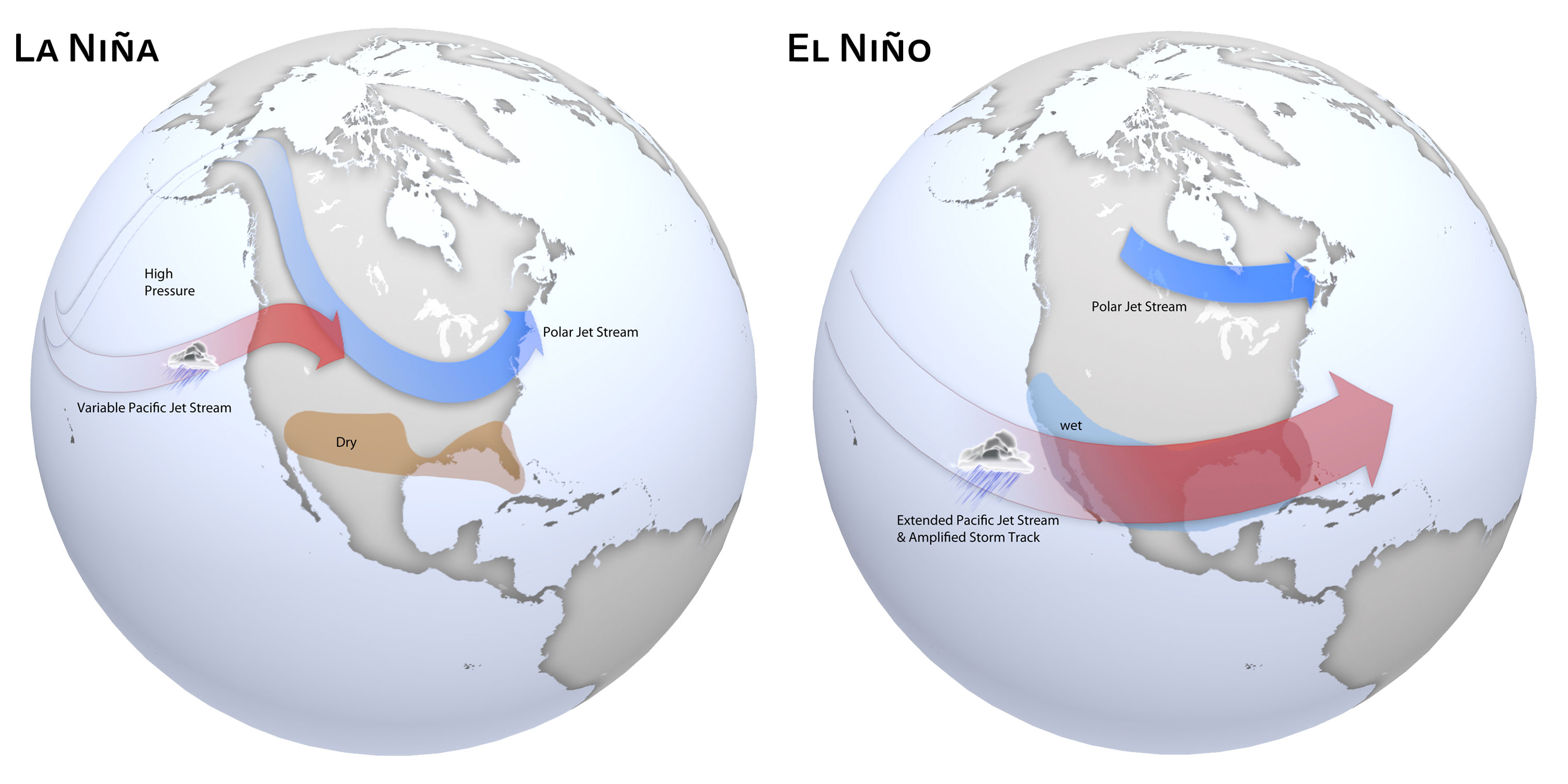
These oceanic and atmospheric shifts can trigger significant weather pattern changes across the globe, influencing everything from agricultural yields and energy demand to the frequency of natural disasters. Consequently, El Niño and La Niña events are powerful drivers of economic volatility, impacting commodity prices, supply chains, and the profitability of numerous industries. This article delves into the core mechanics of El Niño and La Niña and, more importantly, elucidates their substantial financial implications, providing insights for businesses and investors to better anticipate and mitigate potential risks.
The Science Behind ENSO: Understanding the Oceanic Seesaw
At its core, El Niño and La Niña are phases of a larger climate pattern. Understanding these phases is fundamental to grasping their subsequent economic impacts. This section will explore the natural fluctuations in the Pacific Ocean and the atmospheric coupling that drives these significant climate shifts.
El Niño: The Warming Phase
El Niño, Spanish for “the little boy” or “Christ child,” traditionally refers to the unusual warming of sea surface temperatures (SSTs) in the equatorial Pacific Ocean. During a typical El Niño event, the trade winds, which normally blow from east to west across the Pacific, weaken or even reverse. This weakening allows warmer surface waters, typically found in the western Pacific, to slosh eastward towards South America.
This shift in ocean temperatures has a domino effect on the atmosphere. The warmer water heats the air above it, leading to increased convection and rainfall over the central and eastern Pacific. Conversely, areas that normally receive ample rainfall, such as Indonesia and Australia, often experience drought conditions. The atmospheric pressure patterns also shift, contributing to global teleconnections – distant weather impacts.
Key Characteristics of El Niño:
- Warmer SSTs: Significant warming in the Niño 3.4 region (a key monitoring area in the central Pacific).
- Weakened Trade Winds: Reduced easterly wind flow across the equatorial Pacific.
- Shifted Rainfall Patterns: Increased rainfall in the eastern Pacific (e.g., Peru, Ecuador) and drier conditions in the western Pacific (e.g., Australia, Indonesia).
- Global Temperature Influence: Often associated with a slight increase in global average temperatures.
The duration and intensity of El Niño events can vary considerably, typically lasting from nine months to two years. These variations directly correlate with the severity of the associated weather impacts and, by extension, the magnitude of their financial repercussions.
La Niña: The Cooling Phase
La Niña, meaning “the little girl,” is the contrasting phase of ENSO. It is characterized by unusually cool sea surface temperatures in the same region of the equatorial Pacific Ocean. During a La Niña event, the trade winds strengthen significantly, pushing more warm surface water westward and allowing cooler, deeper waters to rise to the surface in the eastern Pacific – a process known as upwelling.
This enhanced upwelling of cooler water has its own set of atmospheric consequences. It leads to increased convection and heavier rainfall in the western Pacific, such as Australia and Southeast Asia, while the eastern Pacific often experiences drier and warmer conditions. Similar to El Niño, La Niña events can also trigger significant weather changes across other continents, albeit with different patterns.
Key Characteristics of La Niña:
- Cooler SSTs: Significant cooling in the Niño 3.4 region.
- Strengthened Trade Winds: Increased easterly wind flow across the equatorial Pacific.
- Shifted Rainfall Patterns: Increased rainfall in the western Pacific and drier conditions in the eastern Pacific.
- Global Temperature Influence: Often associated with a slight decrease in global average temperatures.
La Niña events can also persist for extended periods, sometimes lasting for two to three years and exhibiting a greater tendency to recur in consecutive years compared to El Niño. The prolonged nature of some La Niña events can amplify their economic impacts, creating sustained challenges or opportunities for various sectors.
Economic Ripples: ENSO’s Impact on Global Markets
The meteorological shifts driven by El Niño and La Niña are not isolated events; they cascade into the global economy, influencing a wide array of markets and industries. For businesses and investors, understanding these potential disruptions is paramount for effective financial management and strategic decision-making. This section will explore how ENSO impacts key economic sectors.
Agriculture: The Foundation of Economic Stability
Perhaps the most direct and profound economic impact of ENSO is on the agricultural sector. Global food production is highly sensitive to weather patterns, and the droughts, floods, and temperature anomalies associated with El Niño and La Niña can dramatically alter crop yields and livestock health.
Impact of El Niño on Agriculture:
- Droughts: In regions like Australia, Indonesia, and parts of South America, El Niño can lead to severe droughts, decimating cereal crops (wheat, corn, rice), oilseeds, and impacting livestock due to reduced pasture availability.
- Reduced Rainfall: Areas like the southern United States may experience increased rainfall, which can be beneficial for some crops but can also lead to flooding and delayed planting/harvesting.
- Commodity Price Volatility: Reduced supply from major agricultural exporters due to El Niño-induced weather challenges typically leads to higher global commodity prices. This can inflate food costs for consumers and impact the profitability of food manufacturers.
- Fisheries: Warmer Pacific waters during El Niño can disrupt marine ecosystems, leading to a decline in anchovy and sardine catches off the coast of Peru, a significant impact on their fishing industry and related export markets.
Impact of La Niña on Agriculture:
- Increased Rainfall: La Niña often brings increased rainfall to regions like Australia and Southeast Asia, which can be beneficial for agricultural production, leading to bumper crops of grains and oilseeds.
- Droughts: Conversely, regions like the southwestern United States and parts of South America may experience drier conditions during La Niña, impacting crop yields and water availability.
- Commodity Price Dynamics: Bumper harvests in key agricultural regions during La Niña can lead to increased supply and potentially lower global commodity prices, offering relief to consumers but potentially squeezing profit margins for farmers in those regions.
- Tropical Cyclone Activity: La Niña is often associated with an increase in Atlantic hurricane activity, which can devastate agricultural infrastructure and crops in affected regions.
For investors, anticipating these agricultural impacts allows for strategic positioning in commodity futures, agricultural stocks, and related industries. Businesses reliant on agricultural inputs must develop robust supply chain management strategies to mitigate weather-related risks.

Energy Markets: Shifting Demand and Supply
The influence of ENSO extends significantly to energy markets, impacting both demand and supply dynamics. Weather patterns directly affect energy consumption, while extreme weather events can disrupt energy infrastructure.
Impact on Energy Demand:
- Temperature Extremes: Both El Niño and La Niña can lead to unusual temperature extremes. Prolonged heatwaves during an El Niño event can increase demand for electricity for air conditioning, particularly in North America and Asia. Conversely, colder winters, sometimes associated with La Niña in certain regions, can boost demand for heating fuels like natural gas and heating oil.
- Hydropower: Changes in precipitation patterns can affect hydropower generation. Droughts during El Niño can reduce reservoir levels, impacting electricity supply from hydropower facilities, especially in regions heavily reliant on this source. Increased rainfall during La Niña can replenish reservoirs, boosting hydropower output.
Impact on Energy Supply:
- Disruptions from Extreme Weather: Increased frequency and intensity of hurricanes during La Niña in the Atlantic can threaten offshore oil and gas platforms, refineries, and pipelines, leading to supply disruptions and price spikes. El Niño can also contribute to extreme weather events in other regions that impact energy infrastructure.
- Commodity Extraction: While less direct, ENSO-related weather can indirectly affect the cost and feasibility of extracting certain commodities, such as coal mining in regions prone to heavy rainfall.
For financial professionals and businesses, understanding ENSO’s influence on energy demand and supply is crucial for forecasting energy prices, managing hedging strategies, and making informed investment decisions in the energy sector.
Insurance and Disaster Preparedness: Mitigating Catastrophic Risks
The increased frequency and intensity of extreme weather events associated with ENSO place a significant burden on the insurance industry and highlight the critical need for robust disaster preparedness.
Increased Insurance Claims:
- Natural Catastrophes: El Niño and La Niña events are linked to an increased likelihood of specific natural disasters. This includes heightened hurricane activity during La Niña in the Atlantic, which can lead to widespread damage from wind, rain, and storm surges. El Niño can contribute to drought-related wildfires and flooding in other regions.
- Higher Premiums and Reduced Coverage: The increased risk of payouts forces insurance companies to raise premiums to maintain solvency. In some high-risk areas, insurance coverage may become scarce or prohibitively expensive, leaving businesses and individuals exposed.
Disaster Preparedness and Economic Resilience:
- Supply Chain Vulnerability: ENSO-driven weather events can disrupt global supply chains, leading to delays, increased costs, and shortages of goods. Businesses must invest in supply chain resilience, including diversifying suppliers and maintaining inventory buffers.
- Infrastructure Investment: Governments and private entities need to invest in climate-resilient infrastructure to withstand extreme weather. This includes flood defenses, reinforced power grids, and improved building codes.
- Economic Forecasting: Accurate forecasting of ENSO phases allows for proactive planning. This can include pre-positioning emergency supplies, initiating early warning systems for communities at risk, and allocating resources to disaster relief efforts, thereby mitigating the long-term economic damage caused by catastrophic events.
For financial institutions and risk managers, understanding the correlation between ENSO and extreme weather is vital for assessing portfolio risk, pricing insurance products, and advising clients on risk mitigation strategies. The financial implications of inaction in the face of predictable weather patterns can be catastrophic.
Financial Strategies in the Face of ENSO
Given the substantial and often predictable economic impacts of El Niño and La Niña, developing proactive financial strategies is essential for businesses and investors seeking to navigate this dynamic climate cycle. This section outlines key strategies that can be employed to mitigate risks and capitalize on opportunities.
Risk Management and Hedging
The most fundamental financial approach to ENSO involves robust risk management and hedging strategies. These aim to protect against the adverse financial consequences of weather-related disruptions.
- Commodity Hedging: For businesses in agriculture, food processing, and energy, hedging against price volatility is crucial. This can involve using futures contracts and options to lock in prices for raw materials or finished products, shielding them from the supply shocks that ENSO can cause.
- Diversification: Diversifying supply chains and operational footprints across different geographical regions can reduce reliance on areas particularly vulnerable to ENSO-driven weather extremes. For example, an agricultural company might source different crops from regions less likely to be simultaneously affected by drought or floods.
- Insurance Products: Beyond standard property and casualty insurance, specialized weather derivatives and parametric insurance products can offer financial protection against specific weather events, such as rainfall shortfalls or extreme temperatures, directly tied to ENSO predictions.
Investment Strategies and Sectoral Opportunities
ENSO can create both challenges and opportunities for investors. Identifying sectors and assets that are likely to be impacted – positively or negatively – by an impending ENSO phase is a key investment strategy.
- Agricultural Investments: Investing in companies that are well-positioned to benefit from favorable ENSO conditions (e.g., those in regions experiencing increased rainfall) or those with drought-resistant crop technologies can be a profitable strategy. Conversely, anticipating reduced yields in other regions can inform short-selling or avoiding specific agricultural commodities.
- Energy Sector Plays: During periods of high energy demand due to extreme temperatures, companies involved in energy production, transmission, and renewable energy sources that can adapt to changing conditions may see increased profitability. Investments in infrastructure resilience against extreme weather events are also gaining traction.
- Water Management and Infrastructure: As water scarcity or excess rainfall become more pronounced due to ENSO, companies involved in water treatment, irrigation technologies, and flood control infrastructure may present attractive investment opportunities.
- Consumer Staples: Companies that produce essential goods, such as food and basic household items, often demonstrate resilience during economic downturns or periods of high inflation that can be exacerbated by ENSO-related price volatility.

Long-Term Planning and Adaptability
Beyond short-term hedging and investment tactics, a long-term perspective is vital for adapting to the evolving climate landscape shaped by ENSO.
- Scenario Planning: Incorporating ENSO predictions into business planning models allows for proactive scenario analysis. This helps businesses anticipate potential disruptions and develop contingency plans before they occur.
- Technological Adoption: Investing in technologies that enhance climate resilience is crucial. This includes precision agriculture, advanced weather forecasting tools, and more efficient resource management systems.
- Government Policy and Infrastructure: Businesses should also stay informed about government policies related to climate change adaptation and infrastructure development, as these can significantly influence the business environment and create new opportunities or regulatory hurdles.
By understanding the scientific underpinnings of El Niño and La Niña and their pervasive influence on global markets, businesses and investors can move from a reactive stance to a proactive one, leveraging foresight to safeguard their financial interests and navigate the complexities of our interconnected world.
aViewFromTheCave is a participant in the Amazon Services LLC Associates Program, an affiliate advertising program designed to provide a means for sites to earn advertising fees by advertising and linking to Amazon.com. Amazon, the Amazon logo, AmazonSupply, and the AmazonSupply logo are trademarks of Amazon.com, Inc. or its affiliates. As an Amazon Associate we earn affiliate commissions from qualifying purchases.