
Interest rates are arguably the most powerful lever in the global economy. Often referred to as the “price of money,” they dictate everything from the monthly payment on your home to the growth potential of your retirement portfolio. In recent years, the financial world has transitioned from an era of historically low interest rates to a high-rate environment designed to combat persistent inflation.
As of late 2023 and moving into 2024, the Federal Reserve has maintained the federal funds rate at a target range of 5.25% to 5.50%. This represents the highest level in over two decades. For the average consumer and investor, understanding “what interest rates are right now” is not just an academic exercise—it is a vital component of modern financial literacy.
1. Decoding the Federal Reserve and the Macroeconomic Landscape
To understand why interest rates are at their current levels, one must look at the mandate of the Federal Reserve (the Fed). The Fed operates under a “dual mandate”: to promote maximum employment and maintain stable prices. When inflation spiked following the global pandemic, the Fed pivoted from a “dovish” stance (low rates to encourage spending) to a “hawkish” stance (high rates to cool the economy).
The Mechanism of the Federal Funds Rate
The federal funds rate is the interest rate at which commercial banks borrow and lend their excess reserves to each other overnight. While this may sound like a back-end banking detail, it serves as the benchmark for almost all other interest rates. When the Fed raises this rate, it becomes more expensive for banks to borrow money. These banks, in turn, pass those costs on to consumers and businesses in the form of higher interest rates on loans.
Inflation: The Primary Driver
The current high-rate environment is a direct response to the Consumer Price Index (CPI) reaching levels not seen since the early 1980s. By making borrowing more expensive, the Fed aims to reduce consumer demand. When demand drops, price growth tends to slow down, eventually bringing inflation back toward the 2% target. Right now, we are in a “wait and see” period where the Fed is holding rates steady to ensure inflation is fully under control before considering any cuts.
2. The Impact on Personal Finance: Borrowing and Debt
For the individual consumer, the current interest rate environment presents a double-edged sword. On one hand, borrowing has become significantly more expensive than it was just three years ago. On the other, those with liquidity have opportunities they haven’t seen in a generation.
The Mortgage Market and Housing Affordability
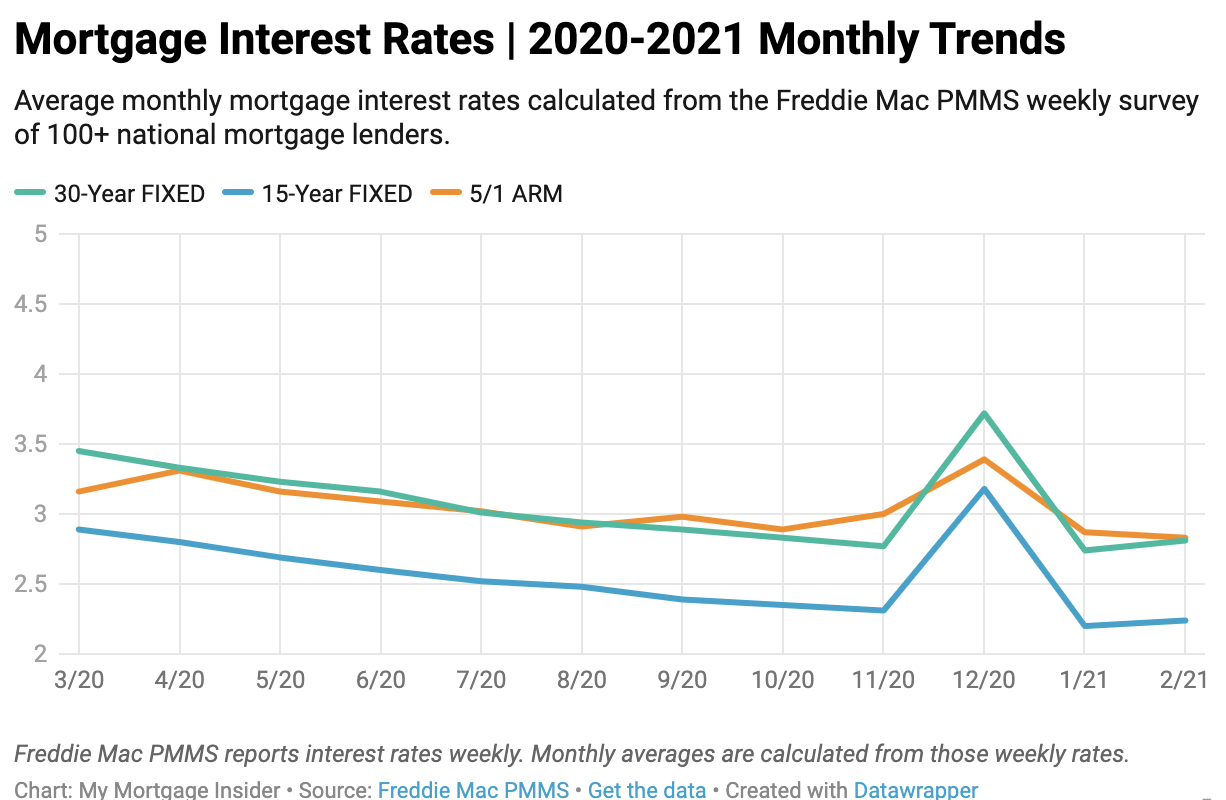
Perhaps the most visible impact of current interest rates is in the real estate market. The 30-year fixed-rate mortgage, which hovered around 3% in 2021, has fluctuated between 6.5% and 7.5% recently. This shift has a massive impact on purchasing power; a buyer who could afford a $500,000 home at 3% might only be able to afford a $350,000 home at 7% for the same monthly payment. This “lock-in effect” has also kept housing inventory low, as current homeowners are reluctant to trade their low-rate mortgages for a new loan at current market prices.
Consumer Credit and Variable Debt
Credit cards and Personal Lines of Credit (PLOCs) are typically tied to the “Prime Rate,” which moves in tandem with the Fed’s decisions. With the Prime Rate currently near 8.5%, credit card Annual Percentage Rates (APRs) have climbed to averages of 20% to 25%. For individuals carrying a balance, the cost of interest is eroding their ability to pay down the principal. In this environment, the priority for any financial plan should be the aggressive repayment of high-interest debt or utilizing 0% APR balance transfer offers where available.
Auto Loans and the Cost of Transportation
The era of 0% or 1.9% financing from auto manufacturers has largely vanished for all but the most qualified buyers on specific models. Average new car loan rates are now exceeding 7%, while used car rates can climb into the double digits. This makes the “total cost of ownership” significantly higher, pushing consumers to reconsider long-term financing or opt for more modest vehicles.
3. The Silver Lining: Maximizing Returns on Savings
While borrowers are feeling the pinch, savers are experiencing a long-awaited “golden age.” For over a decade, traditional savings accounts offered negligible returns, often as low as 0.01%. Today, the landscape is entirely different.
High-Yield Savings Accounts (HYSA)
Currently, many online-only banks and credit unions are offering High-Yield Savings Accounts with rates between 4.25% and 5.25%. This allows individuals to earn a meaningful return on their emergency funds while maintaining full liquidity. In a high-inflation environment, keeping cash in a standard big-bank checking account is effectively losing purchasing power; moving that cash to an HYSA is a critical move for financial health right now.
Certificates of Deposit (CDs) and Treasury Bills
For those who do not need immediate access to their cash, Certificates of Deposit (CDs) are offering attractive “locked-in” rates. Short-term CDs (6 to 12 months) are currently yielding some of the highest returns, as the yield curve remains somewhat inverted. Similarly, U.S. Treasury bills—often considered the safest investment in the world—are yielding over 5%, providing a low-risk alternative to the volatile stock market for short-term capital preservation.
Money Market Funds
Money market mutual funds have seen a massive influx of capital recently. These funds invest in high-quality, short-term debt instruments and are currently yielding rates that rival or exceed HYSAs. For investors with brokerage accounts, these funds serve as an excellent “parking spot” for cash between investment opportunities.
4. Investing Strategy in a High-Interest Rate World
The transition from “cheap money” to “expensive money” fundamentally changes how one should approach the stock and bond markets. Valuation models for stocks often use interest rates as a discount factor; as rates go up, the present value of future earnings goes down.
Growth vs. Value Stocks
Tech companies and “growth” stocks are particularly sensitive to high interest rates. Because these companies often rely on borrowing to fund expansion and their valuations are based on earnings far into the future, high rates can suppress their stock prices. Conversely, “value” stocks—companies in sectors like energy, utilities, and consumer staples—tend to be more resilient. They often pay dividends and have stable cash flows, making them more attractive when the cost of capital is high.
The Bond Market’s Resurgence
For years, the “60/40” portfolio (60% stocks, 40% bonds) was questioned because bond yields were so low. With rates where they are today, bonds are finally providing both income and a potential hedge against equity volatility. If the Fed eventually decides to cut interest rates, existing bonds with higher coupons will increase in value, providing capital appreciation for bondholders.
Real Estate Investment Trusts (REITs)
Investors in real estate through REITs must be discerning right now. Higher interest rates increase the cost of debt for property acquisitions and refinancing. However, sectors like multi-family housing and industrial warehouses often have the ability to raise rents to keep pace with inflation, potentially offsetting the higher cost of borrowing.
5. Strategic Financial Planning: Looking Ahead
Knowing what interest rates are right now is only half the battle; the other half is anticipating where they are going and positioning your finances accordingly.
Preparing for the “Pivot”
The financial markets are constantly looking for the “pivot”—the moment the Federal Reserve begins to lower rates. While the Fed has signaled that rates will remain “higher for longer,” most economists expect some normalization toward a “neutral rate” (likely between 2.5% and 3.5%) in the coming years. For consumers, this means that if you are forced to take out a high-interest loan now (such as a mortgage), you should do so with a plan to refinance once rates eventually decline.
The Importance of Liquidity and Diversification
In a high-rate environment, “cash is no longer trash.” Having a robust emergency fund in a high-yield account provides a safety net against economic uncertainty. Furthermore, diversification across asset classes—including fixed income, domestic and international equities, and perhaps alternative investments—is the best defense against the volatility that interest rate fluctuations can cause.

Conclusion
Interest rates right now are in a restrictive phase, designed to recalibrate an economy that grew too hot, too fast. For the borrower, it is a time for caution, debt consolidation, and strategic planning. For the saver and the disciplined investor, it is a time of opportunity, offering yields and entry points that haven’t been available for decades. By staying informed on the Fed’s trajectory and adjusting your personal financial strategy to account for the higher cost of capital, you can navigate this cycle with confidence and build long-term wealth regardless of the “price of money.”
aViewFromTheCave is a participant in the Amazon Services LLC Associates Program, an affiliate advertising program designed to provide a means for sites to earn advertising fees by advertising and linking to Amazon.com. Amazon, the Amazon logo, AmazonSupply, and the AmazonSupply logo are trademarks of Amazon.com, Inc. or its affiliates. As an Amazon Associate we earn affiliate commissions from qualifying purchases.