
The question “What are in Juul pods?” has become increasingly pertinent as e-cigarettes, particularly the Juul device, have moved from a niche market into mainstream consciousness. Beyond the simple act of inhalation, understanding the composition of these pods is crucial for consumers, regulators, and public health advocates alike. This exploration delves into the technological innovation behind Juul pods, focusing on their design, the chemistry of their contents, and the broader implications for the consumer electronics and vaping technology sector.
The Technological Design of Juul Pods
At its core, a Juul pod is a sophisticated, self-contained unit designed for precise delivery of a nicotine-containing aerosol. Its engineering is a testament to miniaturization and user-centric design within the broader context of personal vaporizing devices.
Miniaturized Heating Elements and Wick Systems
Each Juul pod incorporates a small, integrated heating coil, often made of kanthal wire, a common material in heating elements due to its resistance and durability. This coil is meticulously wrapped around a cotton wick. The wick, typically made of organic cotton, serves a critical function: it absorbs the e-liquid from the pod and delivers it to the heating coil. When the Juul device is activated, an electrical current passes through the coil, rapidly heating it. This heat then vaporizes the e-liquid that has been wicked onto it, creating the aerosol that the user inhales. The design of this coil-wick system is paramount for consistent vapor production and flavor delivery. Engineers have focused on optimizing the surface area of the coil and the wicking capacity of the cotton to ensure efficient vaporization without “dry hits” – the unpleasant taste of burning wick. This is a key piece of technological innovation that differentiates it from earlier, less refined vaping technologies.
Precision Engineering for Leak Prevention and E-liquid Delivery
A significant engineering challenge in e-cigarette pod design is preventing leaks while ensuring efficient and consistent e-liquid delivery. Juul pods employ a multi-component sealing system. The pod itself is constructed from medical-grade plastic, designed to be inert and withstand the chemical composition of the e-liquid. The mouthpiece, often integrated into the pod’s top, is also precisely molded to create a seal with the user’s mouth and to facilitate airflow. Inside the pod, a series of seals and a cap prevent the e-liquid from escaping when the device is not in use or is stored in various orientations. The design also accounts for temperature fluctuations, which can affect the viscosity of the e-liquid and potentially lead to leakage. The precise volume of e-liquid within each pod (typically 0.7 ml) is also a result of engineering specifications aimed at delivering a predetermined number of puffs and ensuring a predictable user experience. This level of controlled delivery is a hallmark of modern consumer electronics, where consistency and reliability are key.
Encapsulation and Material Science in Pod Construction
The materials used in Juul pods are carefully selected for safety and functionality. The plastic casing is designed to be robust and to prevent chemical leaching into the e-liquid. This involves rigorous testing and adherence to regulatory standards for materials that come into contact with consumables. The internal design of the pod also includes chambers that house the heating element, wick, and e-liquid. These chambers are engineered to maintain the integrity of the components and to facilitate the controlled flow of e-liquid to the heating element. The encapsulation of the e-liquid within the pod is a technological feat in itself, ensuring that the product remains sealed until ready for use. This approach to product design mirrors strategies seen in other single-use or pre-filled electronic consumables, where convenience and controlled dosage are prioritized. The ongoing research and development in material science within the vaping industry aim to further enhance the safety and performance of these pod systems, exploring alternatives to traditional plastics and developing more efficient heating mechanisms.
The Chemistry of Juul Pod E-liquids
The contents of Juul pods are far more complex than simple water vapor. They involve a carefully calibrated mixture of chemicals designed to create a specific sensory experience and deliver nicotine efficiently. Understanding this chemical composition is central to evaluating the technology and its impact.
Nicotine Salts: A Technological Advancement in Nicotine Delivery

One of the most significant technological innovations in Juul pods is the use of nicotine salts. Unlike the freebase nicotine traditionally used in e-liquids, nicotine salts are formed by combining nicotine with an acid. In the case of Juul, this is typically benzoic acid. This chemical process results in a form of nicotine that is less volatile and less alkaline. The technological benefit of nicotine salts is twofold. Firstly, they allow for a higher concentration of nicotine to be delivered in a less irritating form. This means users can inhale a potent dose of nicotine without the harsh throat hit associated with high concentrations of freebase nicotine. Secondly, the salt form allows for faster absorption of nicotine into the bloodstream, mimicking the rapid delivery experienced with traditional cigarettes. This technological approach to nicotine delivery is a key factor in the rapid adoption and perceived efficacy of Juul as a smoking cessation tool for some users, though its long-term health implications remain a subject of intense scientific scrutiny.
Propylene Glycol and Vegetable Glycerin: The Aerosol Base
The primary carriers of nicotine and flavorings in Juul pods are propylene glycol (PG) and vegetable glycerin (VG). These are pharmaceutical-grade compounds commonly found in a wide range of consumer products, including food flavorings, cosmetics, and medications. PG is a thin, odorless liquid that is known for its ability to carry flavor well and produce a noticeable throat hit. VG, on the other hand, is a thicker, sweeter liquid that produces larger vapor clouds. Juul pods typically contain a specific ratio of PG to VG, optimized to balance flavor delivery, vapor production, and the desired sensory experience. The precise ratio is a proprietary element of Juul’s technological formulation, aiming to provide a consistent and satisfying vape. The quality and purity of these base liquids are critical, as they are heated and inhaled. Manufacturers must adhere to strict quality control measures to ensure that these components are free from contaminants and impurities that could pose health risks.
Flavorings: Chemical Compounds for Sensory Appeal
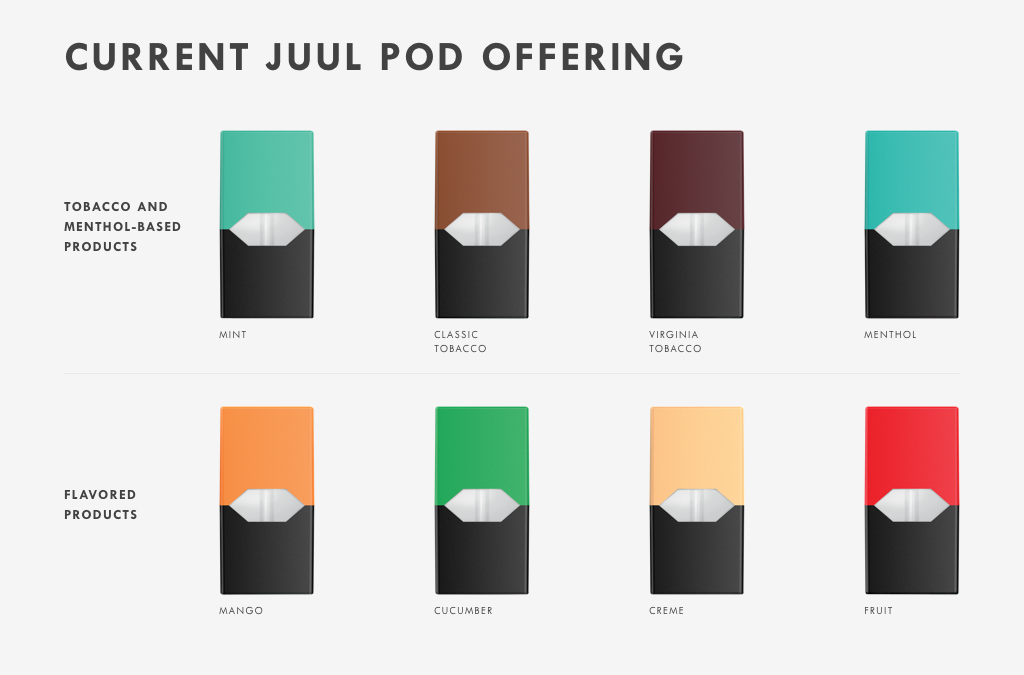
The wide array of flavors available in Juul pods is a direct result of advanced flavor chemistry. These flavorings are complex mixtures of chemical compounds, many of which are also used in the food industry. They are designed to mimic the taste of fruits, desserts, mint, and even tobacco. The technological challenge for Juul and other e-liquid manufacturers lies in creating stable and palatable flavor profiles that can withstand the heating process without degrading or producing harmful byproducts. Some flavorings, particularly diacetyl and acetyl propionyl, have come under scrutiny for their potential respiratory risks when inhaled. While Juul has stated it has removed these specific compounds from its formulations, the broader field of flavor chemistry in vaping continues to be an area of active research and regulatory concern. The selection and formulation of these flavorings are a critical aspect of the product’s appeal, driving consumer choice and market differentiation within the technological landscape of vaping.
Regulatory and Safety Considerations in Pod Technology
The composition and design of Juul pods have placed them at the forefront of regulatory discussions concerning e-cigarettes. The technological innovations that have contributed to their popularity also present unique challenges for public health and safety oversight.
Nicotine Content and Addiction Potential: A Public Health Technology Debate
The high concentration of nicotine and the efficient delivery mechanism employed by Juul pods have raised significant concerns about their potential to create or exacerbate nicotine addiction, particularly among young people. The technological design that makes Juul appealing to adult smokers looking to switch – namely, the smooth delivery of high nicotine doses – also makes it highly attractive to individuals who have never smoked. This has led to widespread debate about the role of e-cigarettes in public health and the ethical responsibilities of technology companies in marketing and distributing products with addictive potential. Regulatory bodies worldwide are grappling with how to classify and control these devices, balancing the potential harm reduction benefits for adult smokers with the risks of youth uptake and widespread nicotine addiction. The ongoing technological evolution of nicotine delivery systems, including the development of products with varying nicotine strengths and formulations, continues to shape this debate.
Ingredient Transparency and Chemical Safety Standards
A persistent challenge in the regulation of e-cigarette technology is the transparency of ingredients and the establishment of robust chemical safety standards. While Juul and other manufacturers provide basic information about the components of their e-liquids, the precise formulations and the potential long-term effects of inhaling heated chemical mixtures are not fully understood. The technology behind e-liquids involves a complex interplay of various chemical compounds, and identifying all potential risks requires extensive toxicological research. Regulatory bodies are increasingly demanding greater transparency from manufacturers, pushing for standardized testing protocols and more rigorous oversight of the chemicals used in e-cigarettes. This includes scrutinizing the purity of base liquids, the safety of flavorings, and the potential byproducts of the vaporization process. The development of universally accepted safety standards for e-cigarette technology is an ongoing and critical endeavor.

The Future of Pod Technology and Harm Reduction
The technological trajectory of Juul and the broader e-cigarette industry points towards continued innovation in nicotine delivery and device design. As regulators and public health officials gain a better understanding of the risks and benefits associated with these products, there will likely be increased pressure for the development of safer alternatives and more effective harm reduction strategies. This could involve exploring novel nicotine formulations, developing devices that deliver lower nicotine concentrations, or improving the transparency and accountability of manufacturers. The technological advancements that brought Juul pods to prominence also hold the potential to contribute to evolving approaches to tobacco harm reduction. However, realizing this potential requires a concerted effort from industry, regulators, and the scientific community to prioritize public health and safety above all else, ensuring that technological progress is aligned with societal well-being.
aViewFromTheCave is a participant in the Amazon Services LLC Associates Program, an affiliate advertising program designed to provide a means for sites to earn advertising fees by advertising and linking to Amazon.com. Amazon, the Amazon logo, AmazonSupply, and the AmazonSupply logo are trademarks of Amazon.com, Inc. or its affiliates. As an Amazon Associate we earn affiliate commissions from qualifying purchases.