
The pursuit of optimal health and well-being is a constant journey, and for many, daily vitamin supplementation has become a cornerstone of this pursuit. While a balanced diet remains the most crucial element for nutrient intake, the modern world, with its processed foods and demanding lifestyles, often leaves gaps that supplements can help fill. However, navigating the vast and often confusing world of vitamins and supplements can be a daunting task. The question of “what are good vitamins to take daily?” is not a one-size-fits-all inquiry, but rather a personalized exploration that depends on a multitude of individual factors. This article will delve into the foundational principles of daily vitamin supplementation, explore key nutrients that often warrant consideration, and provide a framework for making informed decisions about your personal health regimen.
Understanding Your Nutritional Needs: The Foundation of Daily Supplementation
Before even considering specific vitamins, it’s paramount to understand that supplementation should be approached as a strategic enhancement, not a replacement, for a healthy diet. A diet rich in whole foods – fruits, vegetables, lean proteins, and healthy fats – provides a synergistic blend of vitamins, minerals, fiber, and phytonutrients that work together in ways that isolated supplements often cannot replicate. The first step in determining “good” vitamins to take daily is to assess your current dietary habits and identify potential nutrient deficiencies.
Dietary Assessment: Identifying Potential Gaps
The most effective way to identify nutrient gaps is through a combination of honest self-assessment and, ideally, professional guidance.
Self-Assessment and Food Diaries
Keeping a detailed food diary for a week or two can be an eye-opening exercise. This involves meticulously recording everything you eat and drink, along with approximate portion sizes. Analyzing this diary can reveal patterns, such as consistently low intake of certain food groups. For instance, if your diet lacks leafy green vegetables, you might be deficient in folate and vitamin K. Similarly, limited sun exposure could indicate a need for vitamin D, and a vegetarian or vegan diet might necessitate B12 supplementation.
The Role of a Healthcare Professional
While self-assessment is valuable, it’s crucial to consult with a doctor or a registered dietitian. These professionals can:
- Order Blood Tests: Specific blood tests can accurately measure the levels of various vitamins and minerals in your body, pinpointing deficiencies with scientific precision. This is far more reliable than guesswork based on dietary habits alone.
- Provide Personalized Dietary Advice: Based on your health status, lifestyle, and dietary habits, they can offer tailored recommendations for improving your diet and suggest specific supplements if necessary.
- Address Underlying Health Conditions: Sometimes, nutrient absorption issues or deficiencies can be indicative of underlying medical conditions that require professional attention.
Lifestyle Factors Influencing Nutrient Needs
Beyond diet, various lifestyle factors significantly influence your body’s nutrient requirements and the potential benefit of daily vitamin supplementation.
Age and Life Stage
Nutrient needs change throughout the lifespan.
- Children: Require specific nutrients for growth and development, such as calcium, vitamin D, and iron.
- Adolescents: Face increased demands due to rapid growth spurts, particularly for iron in girls and calcium.
- Adults: General maintenance needs, but specific considerations arise based on activity levels and dietary choices.
- Older Adults: Often experience decreased nutrient absorption and may require higher levels of certain nutrients like vitamin B12, vitamin D, and calcium to maintain bone health and cognitive function.
Activity Levels and Exercise
Individuals who engage in regular, strenuous physical activity often have higher metabolic rates and may deplete certain nutrients more rapidly.
- Electrolytes: During intense exercise, electrolytes like sodium, potassium, and magnesium can be lost through sweat.
- B Vitamins: Essential for energy metabolism, so active individuals may benefit from ensuring adequate B vitamin intake.
- Antioxidants: Exercise generates free radicals, so antioxidants like vitamins C and E may play a role in supporting recovery.
Health Conditions and Medications
Certain chronic health conditions and medications can interfere with nutrient absorption or increase nutrient requirements.
- Digestive Disorders: Conditions like Crohn’s disease or celiac disease can impair nutrient absorption, necessitating targeted supplementation.
- Medication Interactions: Some medications can deplete specific nutrients. For example, certain diuretics can lead to potassium loss, and some antacids can reduce the absorption of vitamin B12 and iron. Always discuss potential nutrient-drug interactions with your doctor or pharmacist.
Pregnancy and Breastfeeding
These are periods of significantly increased nutrient demands to support both maternal health and fetal development.
- Folic Acid: Crucial for preventing neural tube defects in the developing fetus.
- Iron: Essential for increased blood volume and preventing anemia.
- Calcium and Vitamin D: Vital for bone development in the baby and maintaining maternal bone health.
Key Vitamins and Minerals for Daily Consideration
While individual needs vary, certain vitamins and minerals are frequently recommended for daily supplementation due to their widespread benefits and common dietary shortfalls in many populations.
The Vitamin D Powerhouse: Sunshine Vitamin
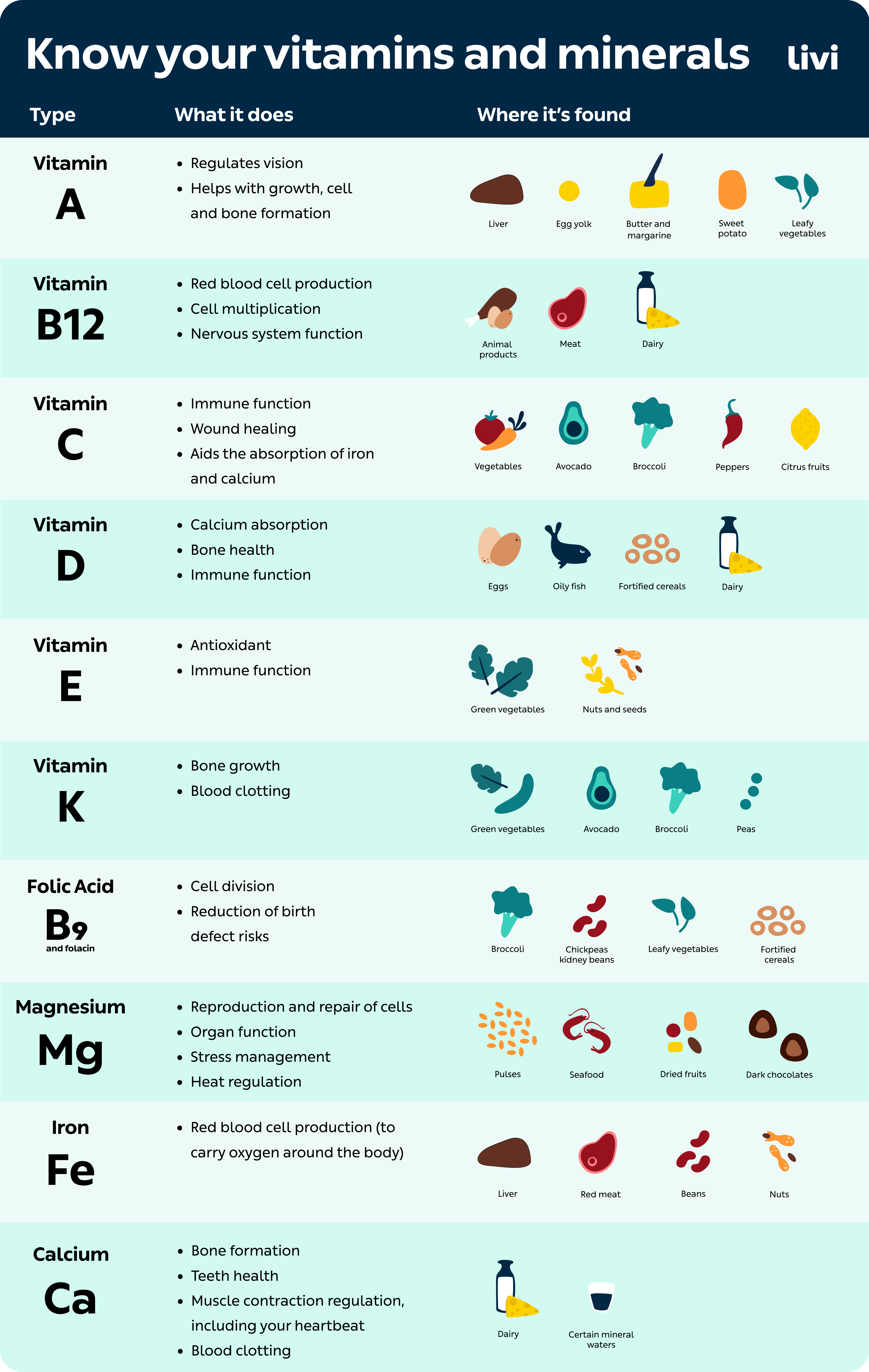
Vitamin D is unique in that our bodies can synthesize it when exposed to sunlight. However, factors like geographical location, season, time of day, skin pigmentation, and consistent sunscreen use can significantly limit natural production. Vitamin D plays a critical role in calcium absorption, which is essential for strong bones and teeth. Beyond bone health, research suggests vitamin D plays a role in immune function, muscle function, and mood regulation.
Sources of Vitamin D
- Sunlight: The primary and most efficient source.
- Fatty Fish: Salmon, mackerel, and tuna are excellent dietary sources.
- Fortified Foods: Milk, orange juice, and cereals are often fortified with vitamin D.
- Supplements: Often the most reliable way to ensure adequate intake, especially for those with limited sun exposure or dietary sources.
Recommended Daily Intake
The Recommended Dietary Allowance (RDA) for vitamin D varies by age, but for most adults, it’s around 600-800 International Units (IU). However, many experts recommend higher levels, particularly for those deficient. It’s crucial to have your levels tested to determine optimal supplementation.
The B Vitamin Complex: Energy and Nervous System Support
The B vitamins are a group of eight water-soluble vitamins that play crucial roles in energy metabolism, nerve function, and the formation of red blood cells. Because they are water-soluble, excess amounts are generally excreted in urine, meaning consistent daily intake is important.
Key B Vitamins and Their Functions
- B1 (Thiamine): Essential for carbohydrate metabolism and nerve function.
- B2 (Riboflavin): Important for energy production, cell growth, and vision.
- B3 (Niacin): Involved in energy metabolism, DNA repair, and skin health.
- B5 (Pantothenic Acid): Crucial for synthesizing coenzyme A, which is involved in energy production.
- B6 (Pyridoxine): Plays a role in amino acid metabolism, neurotransmitter synthesis, and red blood cell formation.
- B7 (Biotin): Essential for metabolism of carbohydrates, fats, and proteins, often associated with hair and nail health.
- B9 (Folate/Folic Acid): Vital for DNA synthesis and repair, and crucial during pregnancy.
- B12 (Cobalamin): Essential for nerve function, red blood cell formation, and DNA synthesis. It is primarily found in animal products, making supplementation particularly important for vegans and vegetarians.
Who Might Benefit from B Vitamin Supplements?
- Vegans and Vegetarians: Due to limited dietary sources of B12.
- Older Adults: Absorption of B12 can decrease with age.
- Individuals with Certain Medical Conditions: Such as pernicious anemia or malabsorption disorders.
- Those Experiencing High Stress or Fatigue: B vitamins are integral to energy production.
Vitamin C: The Immune Booster and Antioxidant
Vitamin C is a powerful antioxidant that helps protect cells from damage caused by free radicals. It’s also essential for the synthesis of collagen, a protein that plays a vital role in skin, blood vessels, tendons, ligaments, and bones. Vitamin C also supports immune function and enhances the absorption of iron.
Sources and Benefits of Vitamin C
- Citrus Fruits: Oranges, grapefruits, lemons.
- Berries: Strawberries, blueberries, raspberries.
- Vegetables: Bell peppers, broccoli, spinach, tomatoes.
- Immune Support: Helps bolster the body’s natural defenses.
- Antioxidant Protection: Fights cellular damage.
- Collagen Synthesis: Promotes healthy skin, wound healing, and tissue repair.
Recommended Daily Intake
The RDA for vitamin C for adult men is 90 mg per day, and for adult women is 75 mg per day. Smokers often require an additional 35 mg per day. While higher doses are sometimes taken for perceived immune benefits, there’s limited evidence to support significant advantages beyond addressing deficiency.
Vitamin E: A Fat-Soluble Protector
Vitamin E is a group of fat-soluble compounds known for their antioxidant properties. It protects cell membranes from oxidative damage and plays a role in immune function and cell signaling.
Sources of Vitamin E
- Nuts and Seeds: Almonds, sunflower seeds, peanuts.
- Vegetable Oils: Sunflower oil, wheat germ oil.
- Leafy Green Vegetables: Spinach.
Who Might Benefit?
While deficiencies are rare in developed countries, individuals with fat malabsorption disorders or certain genetic conditions might benefit from supplementation.
Minerals: The Unsung Heroes
Minerals are just as crucial as vitamins for bodily functions. Some commonly considered minerals for daily supplementation include:
Magnesium: The Multifaceted Mineral
Magnesium is involved in over 300 biochemical reactions in the body, including muscle and nerve function, blood glucose control, and blood pressure regulation. Many people don’t get enough magnesium from their diet.
- Sources: Leafy greens, nuts, seeds, whole grains, dark chocolate.
- Benefits: May help with sleep, muscle cramps, anxiety, and blood sugar control.
Zinc: Immune Support and Wound Healing
Zinc is essential for immune function, wound healing, cell division, and DNA synthesis. It’s also important for taste and smell.
- Sources: Oysters, red meat, poultry, beans, nuts.
- Benefits: Supports immune health and aids in recovery.
Iron: The Oxygen Transporter
Iron is a critical component of hemoglobin, the protein in red blood cells that carries oxygen throughout the body. Iron deficiency anemia is a common nutritional deficiency, particularly among women of childbearing age, children, and vegetarians.
- Sources: Red meat, poultry, fish, beans, lentils, fortified cereals.
- Considerations: Supplementation should be done cautiously and under medical guidance, as excessive iron can be toxic.
Making Informed Decisions: Personalized Supplementation Strategies
The decision to take daily vitamins is a personal one, and the “good” vitamins for you will depend on your unique circumstances. A thoughtful and informed approach is key.
The Importance of Quality and Purity
The supplement industry is not as tightly regulated as pharmaceuticals, meaning product quality can vary significantly.
Choosing Reputable Brands
- Third-Party Testing: Look for certifications from independent organizations like USP (United States Pharmacopeia), NSF International, or ConsumerLab.com. These certifications indicate that the product has been tested for purity, potency, and accuracy of ingredients.
- Ingredient Transparency: Choose brands that clearly list all ingredients and their amounts. Avoid products with excessive fillers, artificial colors, or unnecessary additives.
- Manufacturer Reputation: Research the company’s history and commitment to quality control.
Understanding Dosage and Potential Interactions
Taking too much of certain vitamins and minerals can be harmful.
Adhering to Recommended Dosages
- RDA vs. UL: Understand the Recommended Dietary Allowance (RDA) – the average daily level of intake sufficient to meet the nutrient requirements of nearly all healthy individuals. Also, be aware of the Tolerable Upper Intake Level (UL) – the maximum daily intake unlikely to cause adverse health effects.
- Avoid Megadoses: Unless specifically recommended by a healthcare professional for a diagnosed deficiency, megadoses of vitamins are generally unnecessary and can be detrimental.
Consulting Your Doctor and Pharmacist
- Drug Interactions: Always inform your doctor and pharmacist about any supplements you are taking. Certain vitamins and minerals can interact with prescription medications, potentially altering their effectiveness or increasing the risk of side effects.
- Pre-existing Conditions: If you have any pre-existing health conditions (e.g., kidney disease, diabetes), discuss supplementation with your doctor, as certain supplements may be contraindicated.
When Supplements Might Be Essential
While a balanced diet should always be the primary focus, there are specific scenarios where daily vitamin supplementation moves from being a potential enhancement to a near necessity.
Diagnosed Deficiencies
As mentioned earlier, blood tests can reveal specific vitamin or mineral deficiencies. In such cases, targeted supplementation, guided by a healthcare professional, is crucial for restoring optimal health.
Restricted Diets
Individuals following very restrictive diets, such as veganism, strict vegetarianism, or ketogenic diets, may struggle to obtain adequate amounts of certain nutrients from food alone. For instance, vitamin B12 is predominantly found in animal products, making supplementation essential for vegans.
Malabsorption Issues
Certain medical conditions that affect the digestive system can impair the body’s ability to absorb nutrients from food. This can include celiac disease, Crohn’s disease, or conditions requiring gastrointestinal surgery. In these cases, oral or even injectable supplements may be necessary.
Specific Life Stages with Elevated Needs
Pregnancy, breastfeeding, and periods of significant growth (childhood and adolescence) inherently demand higher nutrient intake. Prenatal vitamins, for example, are specifically formulated to meet the increased needs of expectant mothers, with a strong emphasis on folic acid, iron, and calcium.

The Future of Personalized Nutrition
The field of nutrition is constantly evolving, with advancements in genetic testing and personalized medicine paving the way for even more tailored approaches to supplementation. Understanding your genetic predispositions for nutrient absorption or utilization could, in the future, further refine recommendations for “good” vitamins to take daily. For now, however, a foundational understanding of your diet, lifestyle, and professional medical advice remains the most effective strategy for navigating the world of daily vitamin supplementation and optimizing your health and well-being.
aViewFromTheCave is a participant in the Amazon Services LLC Associates Program, an affiliate advertising program designed to provide a means for sites to earn advertising fees by advertising and linking to Amazon.com. Amazon, the Amazon logo, AmazonSupply, and the AmazonSupply logo are trademarks of Amazon.com, Inc. or its affiliates. As an Amazon Associate we earn affiliate commissions from qualifying purchases.