
In the dynamic world of personal finance, the question “what are good investments?” resonates with individuals from all walks of life, from seasoned investors to those just beginning their wealth-building journey. The answer, however, is rarely a one-size-fits-all solution. What constitutes a “good” investment is deeply personal, contingent upon an individual’s financial goals, risk tolerance, time horizon, and a myriad of other personal circumstances. This comprehensive guide aims to demystify the concept of good investments, exploring various asset classes, strategic approaches, and crucial considerations to help you make informed decisions on your path to financial prosperity.

At its core, a good investment is one that helps you achieve your financial objectives, whether that’s saving for retirement, a down payment on a house, funding your children’s education, or simply growing your wealth over time. It’s about more than just chasing high returns; it’s about aligning your capital with your values and future aspirations, while prudently managing the inherent risks.
Understanding the Foundation of Good Investments
Before diving into specific asset classes, it’s crucial to establish a foundational understanding of what makes an investment genuinely “good” for you. This involves introspection and a clear articulation of your financial landscape.
Defining “Good” – Goals, Risk Tolerance, Time Horizon
The first step in identifying good investments is to clearly define your financial goals. Are you aiming for aggressive growth, capital preservation, or a steady stream of income? Your goals will dictate the types of investments that are suitable. For instance, someone saving for a short-term goal, like a car purchase in two years, would likely avoid highly volatile assets and favor more stable options. Conversely, a young professional saving for retirement over 30+ years can afford to take on more risk for potentially higher returns.
Risk tolerance is equally critical. This refers to your psychological comfort level with potential fluctuations in your investment’s value. Some individuals can stomach significant market swings, while others prefer a more conservative approach. Understanding your own risk appetite prevents emotional decisions during market downturns and ensures you can stick to your strategy. A “good” investment doesn’t keep you up at night with worry.
Finally, your time horizon—how long you plan to hold an investment—plays a pivotal role. Longer time horizons allow for greater recovery from market volatility, making growth-oriented, higher-risk assets more viable. Shorter time horizons necessitate lower-risk, more liquid investments.
The Importance of Financial Planning
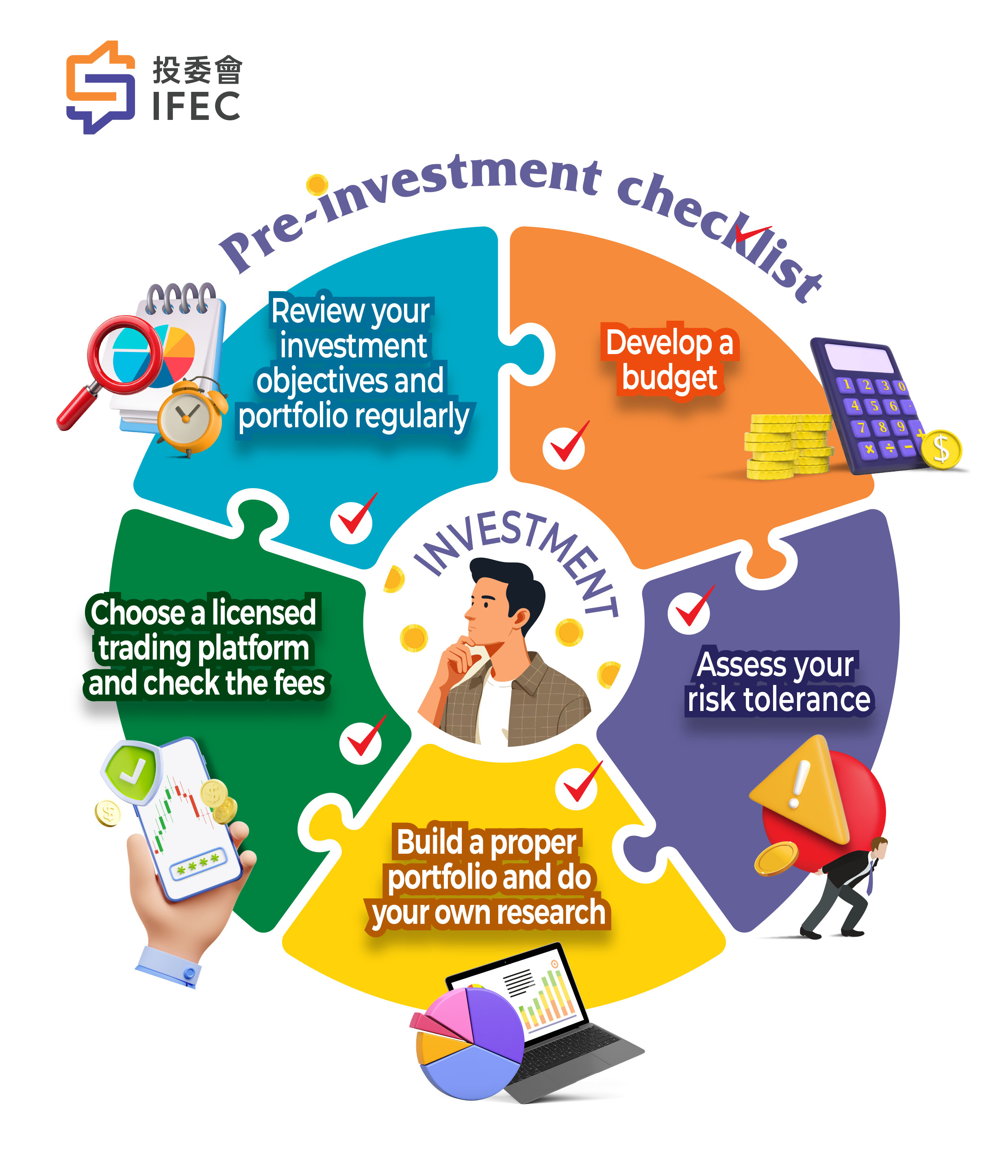
A robust financial plan acts as your investment blueprint. It integrates your income, expenses, savings, debts, and insurance, providing a holistic view of your financial health. Without a clear plan, investment decisions can become sporadic and reactive, often leading to suboptimal outcomes. A good financial plan helps you:
- Set Realistic Goals: Quantify your objectives (e.g., $1 million for retirement) and timeline.
- Assess Your Current Situation: Understand your net worth, cash flow, and existing obligations.
- Determine Asset Allocation: Decide how to distribute your investments across different asset classes based on your risk tolerance and goals.
- Monitor Progress: Regularly review and adjust your plan as life circumstances change.
Engaging with a financial advisor can be a good investment in itself, providing expertise and an objective perspective to help you craft and adhere to your plan.
Diversifying Your Investment Portfolio
One of the golden rules of investing is diversification – not putting all your eggs in one basket. A diversified portfolio spreads risk across various asset classes, industries, and geographies, reducing the impact of poor performance in any single area.
Traditional Asset Classes: Stocks, Bonds, Real Estate
- Stocks (Equities): Represent ownership in a company. They offer the potential for significant capital appreciation and dividends but come with higher volatility. A good investment in stocks often involves a long-term perspective and a focus on fundamentally strong companies. Investing in a broad market index fund (like an S&P 500 ETF) is a common way to gain diversified stock exposure.
- Bonds (Fixed Income): Essentially loans made to governments or corporations. Bonds are generally considered less risky than stocks and provide a predictable income stream through interest payments. They are often used to balance out a portfolio’s risk profile, especially for investors closer to retirement.
- Real Estate: Can be a powerful wealth builder, offering potential for appreciation, rental income, and inflation hedging. This can include direct ownership of residential or commercial properties, or indirect investment through Real Estate Investment Trusts (REITs), which are publicly traded companies that own, operate, or finance income-producing real estate. A “good” real estate investment often requires significant capital, market knowledge, and patience.
Alternative Investments: Commodities, Cryptocurrencies, Private Equity
Beyond traditional assets, alternative investments can offer further diversification and potentially higher returns, though often with increased risk and less liquidity.
- Commodities: Raw materials like gold, silver, oil, and agricultural products. They can act as an inflation hedge and perform differently from stocks and bonds, offering diversification. However, direct commodity investing can be complex and volatile.
- Cryptocurrencies: Digital assets like Bitcoin and Ethereum have garnered significant attention for their explosive growth potential. They are highly volatile, speculative, and subject to regulatory uncertainty. While they could be a “good” investment for a small portion of a high-risk-tolerant portfolio, they are not suitable for conservative investors or a large allocation.
- Private Equity: Investments in companies not listed on a public exchange. This often involves venture capital (funding startups) or leveraged buyouts. Private equity can offer high returns but is illiquid, accessible primarily to accredited investors, and carries substantial risk.
The Role of Mutual Funds and ETFs
For most individual investors, mutual funds and Exchange-Traded Funds (ETFs) are “good investments” because they offer instant diversification and professional management at a relatively low cost.
- Mutual Funds: Pooled money from many investors to invest in a diversified portfolio of stocks, bonds, or other securities. They are managed by professionals and come in various forms (e.g., equity funds, bond funds, balanced funds).
- ETFs: Similar to mutual funds, but they trade like stocks on exchanges throughout the day. Many ETFs are passively managed, tracking specific indexes (e.g., S&P 500 ETF, NASDAQ 100 ETF), which often results in lower fees.
Both provide a convenient way to gain exposure to broad markets or specific sectors without having to research and buy individual securities. Index funds and ETFs are often considered excellent long-term investments due to their low costs and diversified nature.
Strategies for Smart Investing
Identifying good investments isn’t just about what you buy, but how you buy and manage them. Strategic approaches can significantly enhance your investment outcomes.
Long-Term Growth vs. Short-Term Gains
A foundational principle for building substantial wealth is focusing on long-term growth. While the allure of quick profits from short-term trading is strong, consistent long-term investing in quality assets generally proves more reliable and less stressful. Long-term strategies allow compound interest to work its magic and provide time for markets to recover from inevitable downturns. Short-term speculation, conversely, is often akin to gambling and rarely constitutes a “good investment” for the average person.
Dollar-Cost Averaging
Dollar-cost averaging (DCA) is a powerful strategy where you invest a fixed amount of money at regular intervals, regardless of market fluctuations. For example, investing $200 every month into an index fund. When prices are high, your fixed amount buys fewer shares; when prices are low, it buys more. Over time, this averages out your purchase price, reduces the impact of market volatility, and removes the emotion of trying to “time the market.” DCA is an exceptionally good strategy for retirement accounts and regular savings.
Rebalancing Your Portfolio
Over time, your initial asset allocation (e.g., 60% stocks, 40% bonds) can drift as different investments perform better or worse. Rebalancing involves periodically adjusting your portfolio back to its target allocation. If stocks have performed exceptionally well, you might sell some stock to buy more bonds, effectively locking in gains and maintaining your desired risk level. Rebalancing ensures your portfolio remains aligned with your risk tolerance and financial goals.
The Power of Compound Interest
Often called the “eighth wonder of the world,” compound interest is when the interest you earn on your investments also earns interest. This snowball effect is why starting early is one of the “best investments” you can make. Even small, consistent contributions over a long period can grow into substantial sums due to compounding. The earlier you begin investing, the more time your money has to compound, exponentially increasing your wealth.
Key Considerations for Every Investor
Beyond asset selection and strategy, several overarching factors influence the “goodness” of an investment.
Managing Risk and Volatility
Every investment carries some level of risk. A “good” investment is not necessarily one without risk, but one where the risk is understood, measured, and managed. Volatility—the degree of variation of a trading price over time—is a natural part of investing. Learning to accept and navigate volatility through diversification, a long-term mindset, and not reacting emotionally to market dips is crucial. Risk management also involves having an emergency fund to avoid liquidating investments prematurely during tough times.
Understanding Fees and Taxes
Fees and taxes can significantly erode investment returns over time. Even seemingly small percentages can add up. “Good investments” are often those with low expense ratios (for funds), minimal trading commissions, and tax efficiency. For instance, investing in tax-advantaged accounts like 401(k)s and IRAs allows your investments to grow tax-deferred or tax-free, which is a powerful advantage. Understanding capital gains taxes and how they apply to your investments is also vital for maximizing net returns.
Staying Informed and Avoiding Emotional Decisions
The investment landscape is constantly evolving. Staying informed about economic trends, market news, and global events can help you make better decisions. However, it’s equally important to filter out noise and avoid making impulsive choices based on fear or greed. Emotional investing is a common pitfall that often leads to buying high and selling low. A disciplined, research-backed approach, coupled with a commitment to your long-term plan, is the hallmark of a successful investor.
The Human Element: Investing in Yourself
While we often think of investments in purely financial terms, some of the most profound and impactful “good investments” are those you make in yourself. These investments may not show up on a brokerage statement, but their returns can be invaluable and far-reaching, directly influencing your ability to generate wealth and live a fulfilling life.
Education and Skill Development
Investing in your education, whether through formal degrees, certifications, online courses, or continuous self-learning, directly enhances your earning potential. Acquiring new skills, staying relevant in your field, or even pivoting to a high-demand industry can lead to increased income, better job opportunities, and greater financial security. This is a foundational investment that pays dividends throughout your career.
Health and Well-being
Your health is your most important asset. Investing in a healthy lifestyle—through good nutrition, regular exercise, sufficient sleep, and managing stress—reduces healthcare costs in the long run and enhances your productivity, energy levels, and overall quality of life. A healthy mind and body are better equipped to make sound financial decisions and pursue ambitious goals. Prioritizing physical and mental well-being is a critical “good investment” with exponential returns.

Networking and Relationship Building
Building a strong network of professional and personal relationships can open doors to new opportunities, provide valuable insights, and offer support during challenges. Mentors, colleagues, and peers can be sources of knowledge, job leads, business partnerships, and emotional encouragement. Cultivating these connections, whether through industry events, community involvement, or social gatherings, is an investment in your social capital that can yield significant personal and financial rewards.
Ultimately, “good investments” are a blend of strategic financial decisions, disciplined execution, and a holistic approach to personal development. By understanding your goals, diversifying wisely, adhering to proven strategies, and continually investing in yourself, you lay a robust foundation for enduring financial success and a life well-lived. Remember, the journey of investing is continuous, requiring patience, adaptability, and a commitment to lifelong learning.
aViewFromTheCave is a participant in the Amazon Services LLC Associates Program, an affiliate advertising program designed to provide a means for sites to earn advertising fees by advertising and linking to Amazon.com. Amazon, the Amazon logo, AmazonSupply, and the AmazonSupply logo are trademarks of Amazon.com, Inc. or its affiliates. As an Amazon Associate we earn affiliate commissions from qualifying purchases.