
Functional strategies are the backbone of successful organizations and even impactful individual endeavors, translating overarching corporate or business goals into actionable plans for specific departments or functional areas. They are the tactical blueprints that dictate how each part of an entity contributes to the larger vision, ensuring efficiency, effectiveness, and ultimately, the achievement of defined objectives. Far from being mere operational checklists, functional strategies are meticulously designed to optimize resources, streamline processes, and build competitive advantages within their specialized domains, whether that’s in technology development, brand marketing, or financial management.
At their core, functional strategies exist to bridge the gap between high-level ambition and ground-level execution. A company might have a grand vision to become a market leader in sustainable technology (a corporate strategy) or to launch a disruptive AI product (a business strategy). It is the functional strategies – crafted by departments like research and development, marketing, operations, human resources, and finance – that outline precisely how each area will contribute to realizing those aspirations. Without these specific, localized strategies, high-level plans remain abstract and unachievable.

The Core Purpose of Functional Strategies: Translating Vision into Action
Functional strategies serve several critical purposes that enable organizations to move beyond ideation and into successful implementation. They provide clarity, direction, and a framework for resource allocation and performance measurement.
Bridging the Strategic Gap
One of the primary accomplishments of functional strategies is their ability to connect the dots between broad organizational goals and the daily activities of employees. A corporate strategy defines “what” an organization aims to achieve and “why,” while a business strategy often outlines “how” it will compete in a specific market. Functional strategies then delve into the granular “how” for each specialized area. For example, if a business strategy is to penetrate a new market segment with a cutting-edge software product, the R&D functional strategy might detail the development methodologies (e.g., Agile sprints, DevOps pipelines), the talent acquisition strategy for specific tech skills, and the innovation roadmap. This hierarchical alignment ensures that every department’s efforts are synchronized and directly contribute to the larger organizational mission.
Optimizing Resource Allocation
Resources – be they financial capital, human talent, technological infrastructure, or time – are finite. Functional strategies are crucial for ensuring these resources are deployed in the most efficient and effective manner possible to support strategic objectives. A robust finance functional strategy, for instance, dictates capital budgeting, investment priorities, and cash flow management, ensuring that funds are allocated to projects with the highest strategic return. Similarly, a human resources functional strategy will outline talent acquisition, development, and retention programs, guaranteeing that the right people with the right skills are in the right roles to execute technological advancements or marketing campaigns. By providing a detailed roadmap for resource utilization within each function, these strategies prevent waste, reduce redundancies, and maximize the impact of every investment.
Driving Operational Excellence
Functional strategies are intrinsically linked to operational excellence. They establish best practices, set performance benchmarks, and foster a culture of continuous improvement within specific departments. An operations functional strategy, for instance, might focus on supply chain optimization, quality control protocols, or process automation to enhance efficiency and reduce costs. In a tech context, this could mean implementing automated testing frameworks or adopting lean development principles. For a brand, it might involve standardizing content creation workflows or customer service protocols to ensure consistent brand experience. By honing in on the intricacies of a specific function, these strategies allow for specialized expertise to flourish, leading to higher quality outputs, faster delivery times, and improved overall operational performance.
Fostering Competitive Advantage
Ultimately, the cumulative effect of well-executed functional strategies is a strong, sustainable competitive advantage. When each department excels in its specific area – be it superior product innovation, highly efficient manufacturing, captivating marketing, or astute financial management – the organization as a whole gains an edge over its rivals. A technology company with a functional strategy focused on rapid, user-centric product iteration might outpace competitors in innovation. A brand with a powerful content marketing functional strategy might build deeper customer relationships and loyalty. An individual or business with a disciplined financial functional strategy might navigate economic downturns more effectively and seize growth opportunities. These specialized strengths, developed and sustained through functional strategies, become difficult for competitors to replicate, securing the entity’s position in the market.
Functional Strategies in the Realm of Technology and Productivity
The rapidly evolving landscape of technology demands sophisticated functional strategies to stay competitive, innovate, and ensure digital security and productivity. For both tech companies and individuals leveraging technology, these strategies are non-negotiable for success.
Tech Development & Innovation Strategies
In the tech world, functional strategies are vital for creating, iterating, and deploying cutting-edge solutions. An organization’s software development lifecycle (SDLC) strategy is a prime example, determining methodologies like Agile, Scrum, or DevOps. An Agile strategy, for instance, focuses on iterative development, rapid prototyping, and continuous feedback, aiming for faster time-to-market and adaptability to changing user needs. For companies working with AI tools and advanced gadgets, the research and development (R&D) strategy outlines how investments will be made in exploring new algorithms, developing prototypes, conducting experiments, and filing patents. This might involve setting specific innovation targets, fostering internal hackathons, or strategic partnerships. A product roadmap strategy further details the phased release of features, ensuring alignment with market demands and long-term vision, moving from minimum viable products (MVPs) to mature, feature-rich applications.
Digital Security & Infrastructure Strategies
With increasing digital threats, robust digital security strategies are paramount. A functional strategy here involves developing comprehensive cybersecurity protocols, implementing multi-layered defenses (firewalls, encryption, intrusion detection), and establishing clear incident response plans. This ensures data protection, system integrity, and business continuity. For organizations heavily reliant on cloud services, a cloud migration strategy dictates the phased transition to cloud infrastructure, selecting appropriate providers, ensuring data sovereignty, and optimizing cloud resource usage for cost-efficiency and scalability. Furthermore, data management and privacy strategies address how data is collected, stored, processed, and protected, adhering to regulations like GDPR or CCPA, building trust with users, and safeguarding sensitive information against breaches.
Productivity & Workflow Optimization Strategies
Beyond product development, functional strategies also govern internal efficiency and productivity. Productivity strategies involve the deliberate adoption and integration of AI tools and automation into workflows to minimize manual tasks, speed up processes, and reduce human error. This could range from using AI for customer service chatbots to automating data analysis and report generation. Digital transformation initiatives are often guided by functional strategies that define how existing processes will be re-engineered using technology, encompassing everything from migrating to cloud-based productivity suites to implementing enterprise resource planning (ERP) systems. For individuals and teams, project management methodologies (like Kanban for visual workflow or Scrum for iterative development) serve as functional strategies to organize tasks, track progress, and ensure timely project completion, enhancing overall team effectiveness and resource utilization. Similarly, strategies for leveraging apps and gadgets might involve standardizing tools across teams, providing training, and integrating various software solutions to create a seamless digital ecosystem.
Functional Strategies for Brand Building and Marketing Success
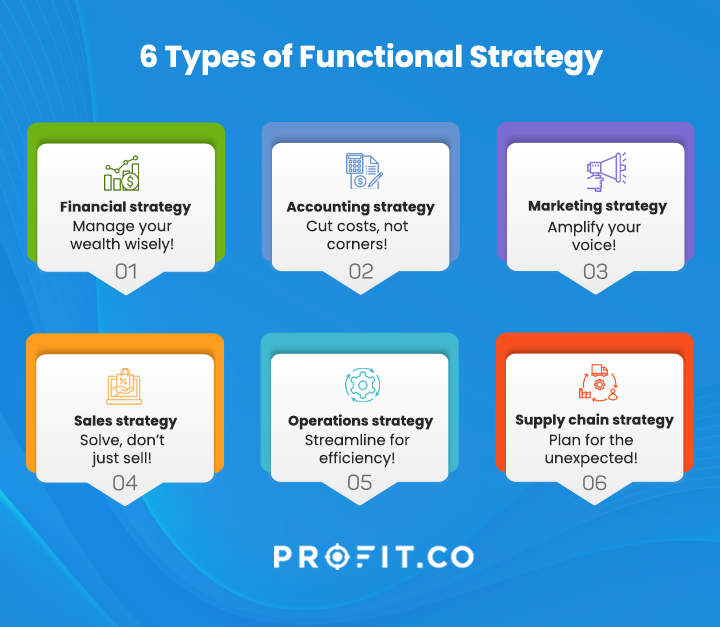
In today’s crowded marketplace, a strong brand is invaluable. Functional strategies in marketing and branding are critical for shaping perception, building loyalty, and driving customer engagement.
Marketing & Communication Strategies
A core accomplishment of marketing functional strategies is the development and execution of impactful campaigns. A content marketing strategy, for instance, defines the types of content (blog posts, videos, infographics), distribution channels (SEO, social media, email newsletters), and editorial calendar to attract and engage target audiences. This might include a detailed SEO strategy to improve search engine rankings, a social media engagement strategy outlining platform-specific tactics and community management, and a digital advertising strategy for running targeted campaigns across various networks. Furthermore, public relations (PR) and reputation management strategies focus on cultivating positive media relationships, managing press releases, and proactively addressing public sentiment to build and maintain a favorable public image. These strategies ensure a consistent brand voice and message across all touchpoints, reinforcing brand identity.
Product/Service Design & User Experience (UX) Strategies
The functional strategies around product or service design are integral to brand perception. These strategies ensure that what is offered to the market aligns perfectly with the brand’s core values and promises. Developing products that align with brand values means that every feature, every design choice, and every functional aspect of a product reflects the brand’s identity – whether it’s sustainability, innovation, luxury, or affordability. An ensuring consistent brand identity strategy across all touchpoints (website, packaging, customer service, physical stores) creates a cohesive and memorable experience for the consumer. Furthermore, UX research and iterative design strategies involve understanding user needs, testing designs, and continuously refining the user journey to ensure products are not only functional but also intuitive, enjoyable, and reflective of the brand’s commitment to quality and user satisfaction.
Brand Reputation & Crisis Management Strategies
Building and maintaining trust is a long-term endeavor, and functional strategies play a pivotal role. Strategies for building trust and loyalty might include transparent communication, exceptional customer service, community engagement programs, and loyalty rewards. These efforts aim to create brand advocates who not only purchase but also recommend the brand. However, negative events can occur, and this is where handling negative feedback and PR crises strategies become crucial. These functional plans outline how to monitor brand mentions, respond to criticism (both online and offline), manage public relations during a crisis, and implement corrective actions. For individuals, personal branding strategies involve meticulously curating their online presence, defining their unique value proposition, and consistently communicating their expertise to build a professional reputation and career opportunities.
Functional Strategies for Financial Growth and Stability
Money management, whether for a multinational corporation or an individual pursuing financial independence, relies heavily on well-defined functional strategies. These strategies ensure sustainable growth, prudent risk management, and the achievement of financial goals.
Business Finance & Investment Strategies
For businesses, financial functional strategies are critical for solvency, profitability, and growth. Capital budgeting strategies dictate how investment decisions are made for long-term assets, ensuring that projects with the highest strategic value and return on investment are prioritized. Cash flow management strategies focus on optimizing the inflow and outflow of cash to maintain liquidity and operational stability. Investment portfolio diversification strategies guide how a company’s surplus funds are invested across various assets (stocks, bonds, real estate, even crypto for some innovative firms) to mitigate risk and maximize returns. Furthermore, funding strategies determine how capital is raised, whether through venture capital, debt financing, bootstrapping, or initial public offerings, each with its own set of implications for ownership and risk. Finally, risk management in finance functional strategies identify, assess, and mitigate financial risks, from market fluctuations to credit defaults, ensuring the financial health of the organization.
Personal Finance & Wealth Building Strategies
Individuals also employ functional strategies to manage their personal finances. Budgeting and savings plans are fundamental functional strategies, dictating how income is allocated across expenses, savings goals, and investments, ensuring disciplined spending and consistent wealth accumulation. Debt management strategies outline plans for paying down high-interest debt, consolidating loans, or using strategies like the snowball or avalanche method to become debt-free. Retirement planning strategies involve setting long-term financial goals, selecting appropriate investment vehicles (401k, IRA, pensions), and adjusting contributions based on age and risk tolerance to ensure financial security in later years. For those seeking additional income, strategies for online income and side hustles might involve developing skills for freelancing, creating digital products, or engaging in e-commerce, each requiring specific financial planning for income generation and expense tracking.
Financial Technology (FinTech) Adoption Strategies
The rise of FinTech has transformed how financial strategies are implemented. Leveraging financial tools and robo-advisors strategies allows individuals and businesses to automate investments, track expenses, and gain insights into financial health with greater efficiency and lower costs. Digital payment system integration strategies enable businesses to offer seamless payment experiences to customers, supporting various payment methods from credit cards to mobile wallets and even cryptocurrency transactions. For entities exploring the cutting edge, blockchain and cryptocurrency strategies involve understanding the regulatory landscape, assessing the potential of decentralized finance (DeFi), and perhaps integrating blockchain technology for secure transactions, supply chain traceability, or new funding mechanisms. These strategies empower both individuals and businesses to navigate the complexities of modern finance with greater agility and insight.
The Interplay and Synergy of Functional Strategies
While each functional strategy is designed for a specific domain, their true power lies in their ability to work in concert, creating a synergistic effect that propels the entire organization forward.
Cross-Functional Collaboration
A key accomplishment of well-designed functional strategies is fostering cross-functional collaboration. A marketing strategy for launching a new AI tool, for example, cannot succeed in isolation. It requires close collaboration with the R&D team (to understand product features), the sales team (to align messaging), and the finance department (to manage budgets). Similarly, a digital security strategy might require input from IT, HR (for employee training), and legal (for compliance). When functional strategies are developed with an understanding of their interdependencies, departments communicate effectively, share resources efficiently, and align their efforts towards common goals. This prevents silos, reduces conflicts, and ensures that the organization operates as a cohesive unit.

Continuous Improvement and Adaptation
In a world characterized by rapid technological advancement, evolving market trends, and economic shifts, functional strategies cannot be static. They are designed to accomplish specific goals but must also embody a commitment to continuous improvement and adaptation. This means regularly reviewing performance against strategic objectives, analyzing market feedback, monitoring technological breakthroughs (like new AI tools or gadgets), and adapting plans accordingly. A marketing strategy might be refined based on A/B testing results, a tech development strategy might pivot based on new competitor offerings, and a financial strategy might adjust based on interest rate changes or economic forecasts. This dynamic nature ensures that functional strategies remain relevant, effective, and capable of guiding the organization through an ever-changing environment.
In conclusion, functional strategies are far more than mere operational plans; they are the vital conduits through which high-level visions are translated into tangible achievements. They empower organizations and individuals to optimize resources, drive operational excellence, foster innovation, build strong brands, ensure financial stability, and ultimately, gain a sustainable competitive edge. Whether an entity is focused on creating the next breakthrough AI tool, establishing an unshakeable brand reputation, or achieving robust financial growth, it is the meticulous crafting and relentless execution of functional strategies that determine its capacity to accomplish its most ambitious goals in the complex, interconnected worlds of technology, branding, and money.
aViewFromTheCave is a participant in the Amazon Services LLC Associates Program, an affiliate advertising program designed to provide a means for sites to earn advertising fees by advertising and linking to Amazon.com. Amazon, the Amazon logo, AmazonSupply, and the AmazonSupply logo are trademarks of Amazon.com, Inc. or its affiliates. As an Amazon Associate we earn affiliate commissions from qualifying purchases.