
In the vast, interconnected tapestry that is the internet, data travels at unimaginable speeds, facilitating everything from streaming high-definition video to processing complex financial transactions and powering global supply chains. At the heart of this intricate dance of information are fundamental units of data known as “frames.” Often operating behind the scenes, far from the typical user’s awareness, frames are the unsung heroes of network communication, meticulously packaging and delivering the bits and bytes that constitute our digital lives. Understanding what frames are, their structure, and their function is not merely an academic exercise for network engineers; it’s a window into the foundational principles that underpin all modern digital communication, touching upon critical aspects of technology, brand reputation, and financial success.
At its core, a network frame is a digital data unit that serves as the container for a single “packet” of information as it travels across a local network segment. Operating at Layer 2 of the OSI (Open Systems Interconnection) model – the Data Link Layer – frames are responsible for the physical transmission of data between network devices on the same local network, such as within an office LAN or a home Wi-Fi network. While higher layers deal with end-to-end communication, routing, and application-specific protocols, the data link layer ensures that data can hop reliably from one device to the next on a shared medium. Without the precise structure and function of frames, the internet as we know it would simply cease to operate, collapsing into a chaotic mess of unaddressed and unintelligible electrical signals or radio waves.
The Fundamental Building Blocks of Network Communication
To truly grasp the significance of frames, we must first appreciate their role within the broader context of network data handling. Data, whether it’s an email, a website image, or a financial transaction request, doesn’t travel across the internet as one monolithic block. Instead, it undergoes a meticulous process of segmentation and encapsulation, transforming from raw application data into a series of smaller, manageable units. Frames are the final packaging step before data is physically transmitted over the network medium.
Understanding Data Encapsulation
The process of data encapsulation is akin to sending a letter through a complex postal system, where each stage adds another layer of packaging and addressing information. When you send an email, for instance, the application layer (Layer 7) prepares the message. The transport layer (Layer 4) then breaks this message into “segments” and adds port numbers for specific applications. Next, the network layer (Layer 3) takes these segments, adds source and destination IP addresses, and turns them into “packets” (or datagrams). Finally, it is the data link layer (Layer 2) that takes these packets and encapsulates each one within a “frame.” This frame adds specific information required for local delivery, such as MAC (Media Access Control) addresses, and error-checking mechanisms, preparing the data for its journey across a physical link.
Each layer of the OSI model adds its own header and, sometimes, a trailer to the data unit from the layer above it. This hierarchical wrapping ensures that each piece of information has all the necessary instructions for its specific stage of transit. For frames, this means having the precise physical addressing and control information to navigate a local network segment, ensuring that data is correctly delivered from a source device to an immediate destination device, such as a router or another computer on the same Ethernet segment or Wi-Fi network.
Anatomy of a Network Frame
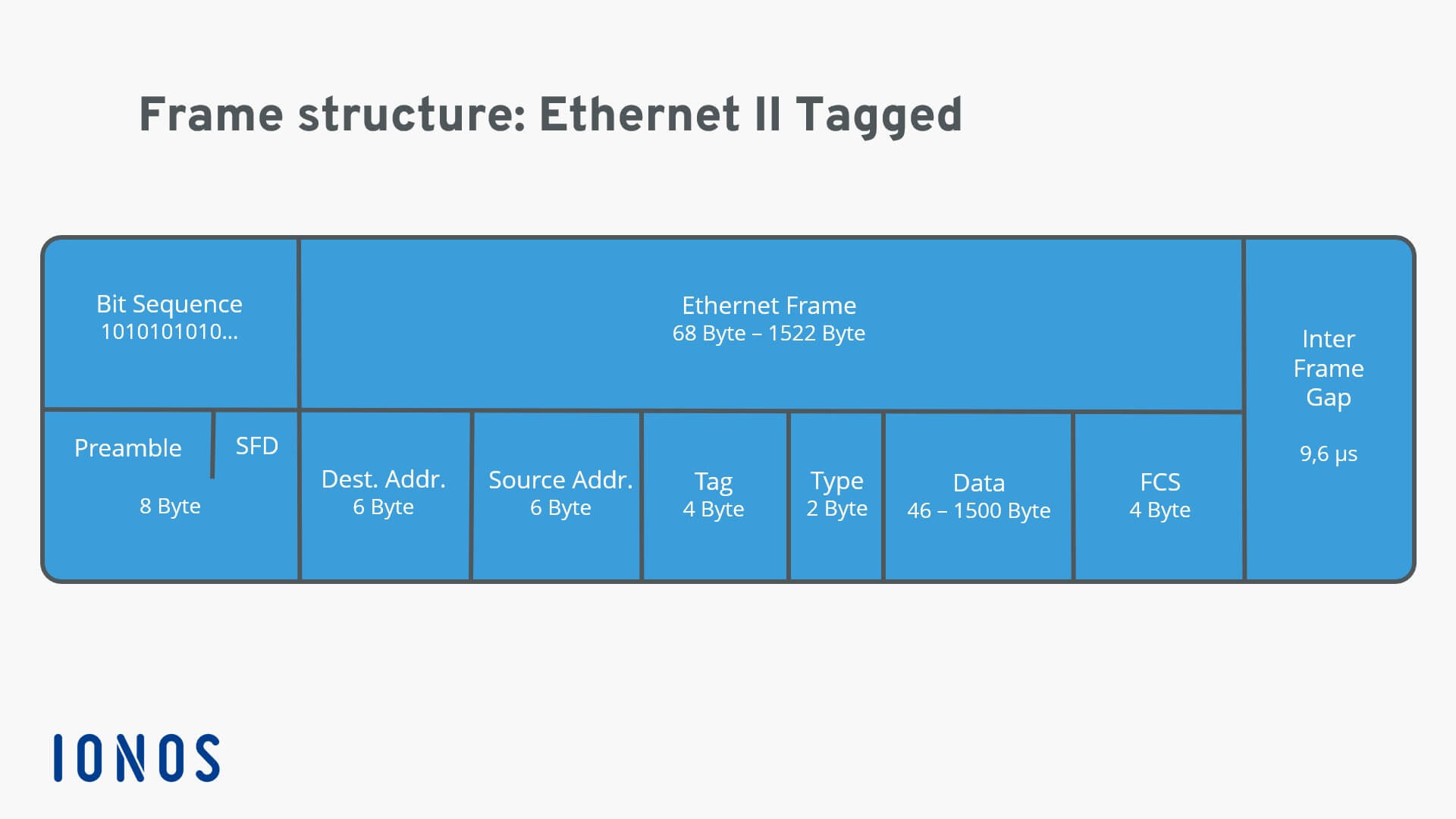
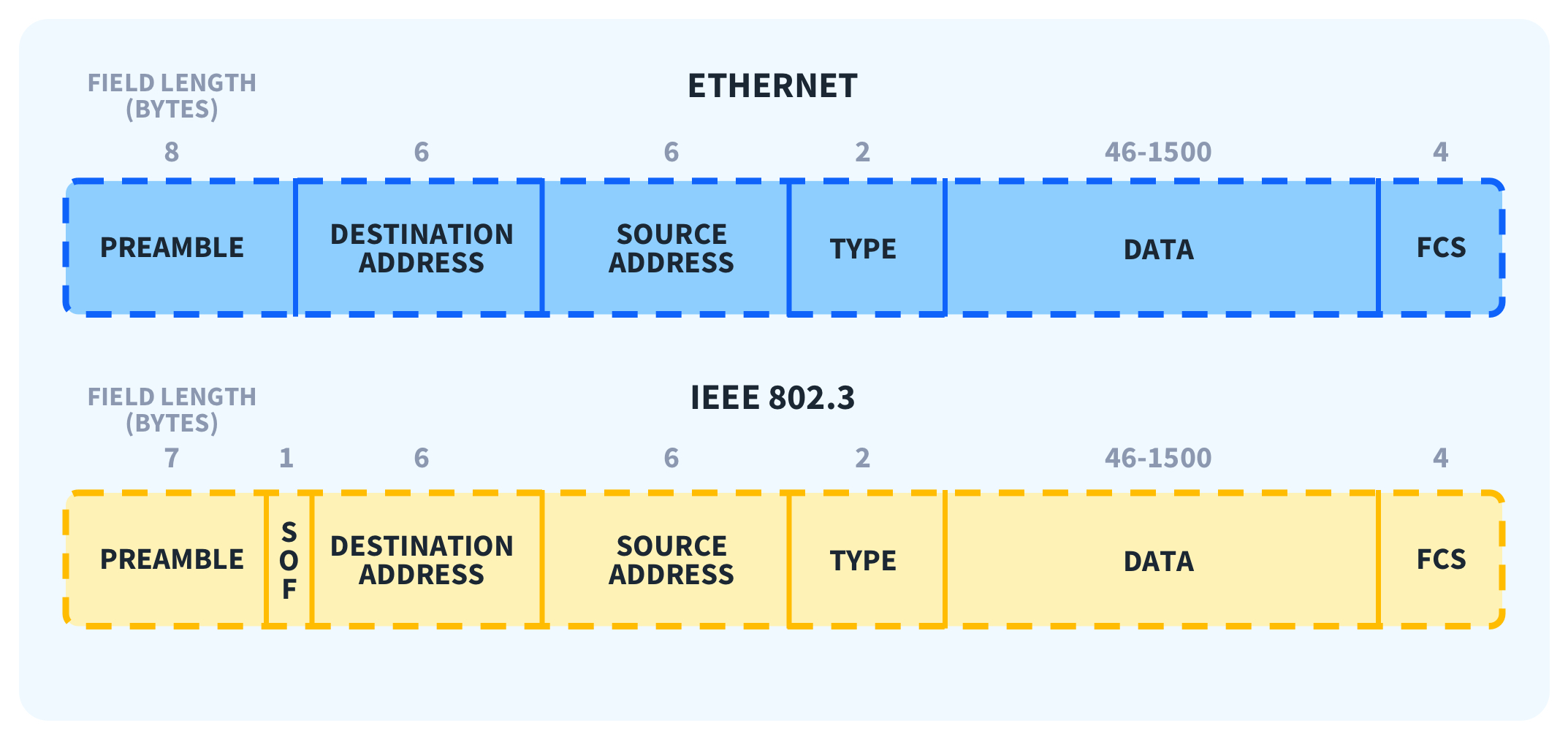
While the exact structure of a frame can vary slightly depending on the specific networking technology (e.g., Ethernet, Wi-Fi, Token Ring), the fundamental components and their purposes remain remarkably consistent. The most common and widely recognized frame type is the Ethernet frame, which serves as an excellent illustration of frame anatomy:
- Preamble and Start Frame Delimiter (SFD): These initial bytes (typically 8 bytes in total for Ethernet) are not technically part of the frame but precede it. Their primary purpose is to synchronize the clock of the receiving network interface card (NIC) with the clock of the sending NIC. The preamble provides a pattern of alternating 1s and 0s, followed by the SFD which signals the start of the actual frame.
- Destination MAC Address: A 6-byte (48-bit) physical address that identifies the specific network interface card on the local segment to which the frame is intended. This address is unique globally for most devices and is crucial for direct local delivery.
- Source MAC Address: Another 6-byte address, this identifies the NIC that sent the frame. It allows the recipient to know who sent the data and is used in various network operations, including building MAC address tables on switches.
- EtherType (or Length Field): A 2-byte field that can serve two purposes. If its value is greater than or equal to 1536 (0x0600 in hexadecimal), it indicates the type of protocol carried in the frame’s data payload (e.g., IP, ARP). If the value is less than 1536, it specifies the length of the data field in bytes (this older interpretation is less common in modern Ethernet).
- Data (Payload): This is the core of the frame, carrying the encapsulated network layer packet (e.g., an IPv4 packet, an IPv6 packet). The size of this field can vary, but Ethernet frames have minimum and maximum payload sizes (e.g., 46 to 1500 bytes for standard Ethernet, excluding jumbo frames). If the data is shorter than the minimum, padding bytes are added.
- Frame Check Sequence (FCS) / Cyclic Redundancy Check (CRC): This 4-byte field is located at the very end of the frame (the trailer). It contains a value calculated by the sending device based on the contents of the entire frame (from the destination MAC address to the end of the data field). The receiving device recalculates the CRC and compares it to the received FCS. If they don’t match, it indicates that the frame was corrupted during transmission, and the frame is typically discarded.
This meticulous structure ensures that each frame can be accurately directed, interpreted, and verified for integrity as it traverses the physical medium.
Why Frames Matter: Beyond Simple Data Transfer
The importance of frames extends far beyond their structural definition. They are the practical enablers of reliable, efficient, and addressable communication across local area networks (LANs), forming the bedrock upon which the entire internet protocol suite is built.
Ensuring Reliable and Efficient Data Delivery
Frames embody several critical functions that ensure data moves effectively across a network segment:
- Error Detection: The FCS/CRC mechanism is vital for detecting transmission errors. While frames don’t inherently provide error correction (that’s typically handled by higher layers through retransmission requests), they prevent corrupted data from being processed, thereby maintaining data integrity and network stability. Without robust error detection at this low level, even minor electrical interference could render data unusable.
- Physical Addressing: MAC addresses within frames provide a unique physical identity for each network interface. This allows switches to make intelligent forwarding decisions, directing frames only to the specific port where the destination device resides, rather than broadcasting them indiscriminately. This targeted delivery enhances network efficiency and security.
- Medium Access Control: In shared media environments, like older Ethernet hubs or wireless networks, frames play a role in managing who can transmit when. Protocols like CSMA/CD (Carrier Sense Multiple Access with Collision Detection) for wired Ethernet, or CSMA/CA (Collision Avoidance) for Wi-Fi, rely on frame transmission rules to minimize collisions and ensure fair access to the shared medium.
- Protocol Identification: The EtherType field allows receiving devices to immediately understand what type of network layer protocol (e.g., IPv4, IPv6, ARP) is encapsulated within the frame’s payload. This enables the network stack to correctly hand off the packet to the appropriate higher-layer process for further handling.
- Segmentation and Reassembly: Although frames carry packets, the process of segmenting larger data streams into packets, and then encapsulating those packets into frames, is crucial for efficiency. Smaller, fixed-size frames are less likely to encounter corruption, and if they do, only a small portion of data needs to be retransmitted, rather than an entire large file.
The Role of Frames in Modern Network Infrastructure
Frames are not just theoretical constructs; they are the fundamental operational units for a wide array of networking devices:
- Switches: Layer 2 switches are arguably the most frame-aware devices in a typical LAN. They read the destination MAC address of incoming frames, consult their MAC address tables, and then forward the frame out only the specific port connected to the destination device. This intelligent forwarding, based entirely on frame information, is what makes modern LANs highly efficient and performant.
- Wireless Access Points (WAPs): In Wi-Fi networks, frames adhere to the IEEE 802.11 standard, which defines their structure and how they are transmitted wirelessly. While more complex than Ethernet frames due to the challenges of wireless communication (e.g., acknowledgments, retransmissions, encryption), they serve the same core purpose of encapsulating data for local delivery.
- Routers: While routers primarily operate at Layer 3 (IP packets), they must still process frames to receive and send packets across different network segments. A router decapsulates an incoming frame to access the IP packet, makes routing decisions, and then encapsulates the packet into a new frame suitable for the outgoing network interface and its specific Layer 2 technology.
In essence, frames are the common language spoken by devices on a local network, allowing them to communicate effectively and lay the groundwork for global connectivity.

Frames and the Business World: Tech, Brand, and Money Implications
The seemingly arcane details of network frames have profound practical implications that resonate across the three core pillars of a modern enterprise: technology, brand identity, and financial health. Understanding and optimizing how frames are handled is not just a technical concern but a strategic business imperative.
Tech: Optimizing Network Performance and Security
From a technology perspective, the efficiency and security of frame handling directly translate into the overall performance and robustness of an organization’s network.
- Performance Optimization: Network engineers who understand frame structures can effectively troubleshoot connectivity issues, identify bottlenecks, and optimize network configurations. Tools that analyze network traffic often dissect frames, revealing insights into network utilization, error rates (indicated by dropped or corrupted frames), and protocol inefficiencies. For high-demand applications like real-time data analytics, cloud computing, or financial trading, every millisecond counts, and optimized frame processing at the physical layer contributes significantly to achieving low-latency communication.
- Security Posture: Frames are also a critical layer for network security. Understanding frame formats helps in detecting and mitigating threats such as MAC spoofing (where an attacker impersonates a legitimate device by using its MAC address), ARP poisoning (manipulating ARP frames to redirect traffic), or sniffing (capturing frames to extract sensitive data). Digital security measures often involve inspecting frames for anomalies or unauthorized content, especially at the perimeter of a network. Robust frame validation and secure handling protocols are foundational to a strong cybersecurity defense.
- Emerging Technologies: As technology evolves, so does the way frames are utilized. Software-Defined Networking (SDN) and Network Function Virtualization (NFV) abstract away some of the hardware-specific details, but the underlying principle of data encapsulation within frames remains. Edge computing and IoT devices, generating massive amounts of localized data, depend on efficient frame handling to relay information to central servers or other edge devices, showcasing the continued relevance of this foundational concept.
Brand: Building Trust and Reputation Through Reliable Connectivity
In today’s hyper-connected world, a brand’s reputation is inextricably linked to its digital presence and the reliability of its technology infrastructure. Frames, though invisible, play a crucial role in shaping this perception.
- User Experience and Productivity: For employees, customers, and partners, a fast, reliable network is non-negotiable. Slow internet speeds, dropped connections, or intermittent service—often stemming from inefficient or problematic frame handling at the local network level—directly impact productivity and user satisfaction. A smooth, seamless digital experience reinforces a brand’s image as modern, competent, and user-centric. Conversely, frustrating network issues erode trust and reflect poorly on the brand.
- Customer Trust and Digital Services: E-commerce platforms, online banking, cloud-based services, and customer support portals all rely on impeccable network performance. When transactions fail, websites load slowly, or critical data access is interrupted due to underlying network issues (which can often be traced back to frames), customer trust is compromised. A brand that consistently delivers reliable digital services builds a reputation for dependability and professionalism, attracting and retaining customers.
- Innovation and Agility: A robust networking infrastructure, optimized at the frame level, provides the necessary agility for a brand to adopt new technologies, scale operations, and deliver innovative digital products and services. Brands that invest in understanding and optimizing their foundational networking elements are better positioned to adapt to market changes and maintain a competitive edge.
Money: The Economic Impact of Network Efficiency
The financial implications of effective frame management are substantial, impacting both operational costs and revenue generation.
- Cost Savings and Operational Efficiency: Optimized network performance, driven by efficient frame handling, directly translates into cost savings. Reduced network downtime means fewer lost hours of employee productivity and less revenue loss from disrupted operations. Lower error rates mean fewer retransmissions and more efficient use of bandwidth, potentially reducing internet service provider costs. Furthermore, proactive troubleshooting based on frame analysis can prevent costly system failures and minimize expenses related to emergency repairs or equipment upgrades.
- Revenue Generation and Business Growth: For businesses reliant on online sales, cloud services, or data-intensive operations, network efficiency directly impacts the bottom line. Faster transaction processing, quicker access to critical business applications, and seamless customer interactions can lead to increased sales, improved customer retention, and expanded market reach. In financial markets, where latency is measured in microseconds, the efficiency of frame transmission can mean the difference between profitable trades and missed opportunities. Investing in a resilient network, capable of handling frames with high efficiency, is an investment in financial stability and growth.
- Risk Mitigation: Network vulnerabilities, often exploited at the data link layer, can lead to costly data breaches, intellectual property theft, or service disruptions. By understanding frame-level security, organizations can implement more effective defenses, reducing the financial risk associated with cyberattacks and regulatory non-compliance. The cost of a single data breach can run into millions, underscoring the monetary value of robust frame-level security.
Future of Networking: How Frames Evolve
While the core principles of frames remain steadfast, their implementation and the technologies built around them continue to evolve in response to new demands and innovations.
Adaptations for Emerging Technologies
The future of networking will see frames adapting to increasingly complex and diverse environments:
- 5G and Beyond: As wireless technologies like 5G and future generations become prevalent, the underlying frame structures (e.g., 802.11ax, 802.11be for Wi-Fi 6/7) are continually refined to support higher bandwidth, lower latency, and massive device connectivity, crucial for IoT and real-time applications. These new standards introduce advanced modulation schemes and more intricate frame formats to pack more data into each transmission.
- IoT and Edge Computing: The proliferation of billions of IoT devices at the network edge demands highly efficient and often lightweight frame handling. Protocols like Thread or Zigbee, specifically designed for low-power, short-range IoT communication, define their own frame structures optimized for battery life and limited processing power, while still adhering to the fundamental principles of addressing and error detection.
- Quantum Networking: While still largely in the research phase, the advent of quantum networking could fundamentally alter how information is encoded and transmitted. However, even in such a revolutionary paradigm, the concept of discrete units of information (analogous to frames) containing specific addressing and integrity checks will likely persist, albeit utilizing quantum entanglement rather than classical bits.
Even as networks become more intelligent, virtualized, and software-defined, the physical transmission of data between adjacent devices will always require a structured container. SDN might allow administrators to program network behavior at a higher level of abstraction, but underneath, the network devices still interpret and forward frames according to their Layer 2 rules. Frames are the enduring low-level language that ensures physical connectivity, and their evolution will continue to be a cornerstone of innovation in the digital realm.
Conclusion
Frames in networking are far more than just technical jargon; they are the invisible workhorses that power our digital world. As the precise, structured containers for data on a local network segment, they embody the foundational principles of reliable, efficient, and secure communication. From synchronizing transmissions and physically addressing devices to detecting errors and differentiating protocols, frames ensure that every bit of data arrives at its intended immediate destination intact and comprehensible.
The impact of frames extends well beyond the realm of network engineering. For technology, efficient frame handling underpins performance, drives innovation, and forms a critical layer of cybersecurity. For brands, the reliability and speed enabled by robust frame management directly translate into customer trust, enhanced user experience, and a stronger digital reputation. Financially, optimizing network efficiency at this fundamental level leads to significant cost savings, fuels revenue growth, and mitigates substantial operational risks.
As we look to the future, with the advent of 5G, IoT, and even quantum networking, the specific formats and complexities of frames will continue to evolve. Yet, the core concept — a standardized, robust unit for physical data transmission — will remain a constant, reminding us that even the most advanced global networks are built upon these essential, meticulously crafted building blocks. Understanding “what are frames in networking” is therefore not just understanding a piece of technology; it’s understanding a cornerstone of modern business, branding, and the very fabric of our interconnected lives.
aViewFromTheCave is a participant in the Amazon Services LLC Associates Program, an affiliate advertising program designed to provide a means for sites to earn advertising fees by advertising and linking to Amazon.com. Amazon, the Amazon logo, AmazonSupply, and the AmazonSupply logo are trademarks of Amazon.com, Inc. or its affiliates. As an Amazon Associate we earn affiliate commissions from qualifying purchases.