
Elephant tusks, those magnificent elongated incisors that define the grandeur of African and Asian elephants, are far more than mere biological appendages. While their intrinsic composition is a marvel of nature, their existence has historically, and continues to, intersect with complex global financial systems. The question of “what they are made out of” quickly transitions from a purely scientific inquiry to a pivotal point in understanding a multi-billion dollar illicit trade, the financial mechanics of wildlife crime, and the critical economic strategies required for conservation. This exploration delves beyond the biological to uncover the profound monetary forces that shape the fate of these iconic creatures and the very material that makes up their formidable tusks.

Beyond Biology: The Economic Anatomy of Ivory
To truly grasp the financial implications of elephant tusks, it’s essential to first acknowledge their biological foundation, then swiftly pivot to their transformation into a highly valued, and often illicit, commodity. The material science might be straightforward, but the economics are anything but.
The Fundamental Composition: A Brief Scientific Overview
At their core, elephant tusks are elongated, continuously growing incisor teeth, primarily composed of dentin – the same material found in human teeth. This specialized dentin, often referred to as “ivory,” is unique for its distinctive Schreger lines, a cross-hatch pattern visible in cross-section, which helps differentiate it from other forms of ivory (like those from walruses or mammoths). Ivory is durable, workable, and boasts a unique luster, characteristics that historically made it highly prized for carving, decorative items, and even piano keys. However, it is not the biological make-up itself that commands attention in the financial world, but the scarcity and the demand for the derived material.
Ivory as a Commodity: Historical Value and Demand Drivers
For millennia, ivory has been a symbol of wealth, power, and artistic expression across diverse cultures. From ancient Egyptian artifacts to intricate Chinese carvings and European decorative arts, its aesthetic appeal and workability established it as a valuable commodity. This historical demand laid the groundwork for a robust, albeit often morally fraught, market. The intrinsic properties of ivory, combined with its cultural significance, drove its value steadily upwards. As global trade expanded, so did the reach of ivory markets, transforming it from a local resource into a globally traded asset. This historical precedent is crucial; it established the “brand value” of ivory, making it a desirable good whose demand, even in the face of widespread condemnation, continues to fuel an illegal market. The price of ivory, much like any other precious commodity, is subject to supply and demand dynamics, speculation, and the perceived wealth and status it confers upon its owner.
The Market for Tusks: Legal vs. Illicit Trade Dynamics
The world of ivory trade is bifurcated into highly restricted legal avenues and a sprawling, devastating illicit market. Legally, international trade in raw ivory has been banned since 1990 under CITES (Convention on International Trade in Endangered Species of Wild Fauna and Flora), with very limited exceptions. However, domestic markets for pre-ban ivory or antique ivory still exist in some regions, creating loopholes and opportunities for laundering illegally sourced tusks.
The vast majority of newly sourced ivory enters the illicit market, a multi-billion-dollar enterprise that thrives on secrecy, corruption, and violence. This illegal market operates like any other shadow economy, with financiers, smugglers, middlemen, and end consumers. Prices fluctuate based on origin, quality, and the level of risk involved in transportation. Understanding these market dynamics—how illicit funds are generated, moved, and ultimately converted into consumer goods—is paramount to addressing the financial drivers behind elephant poaching. The interplay between legal frameworks and illegal operations creates a complex financial landscape where legitimate businesses can unknowingly, or knowingly, become entangled in the illicit ivory trade.
The Dark Underbelly: The Financial Engine of Illegal Ivory Trade
The devastating decline in elephant populations is overwhelmingly driven by poaching, which is, at its heart, a financially motivated enterprise. The economic incentives for individuals and organized criminal networks are immense, making it a lucrative illicit business that undermines conservation efforts and regional stability.
Poaching: A Financially Driven Enterprise
Poaching is not merely a subsistence activity; it is increasingly controlled by sophisticated transnational criminal organizations. These networks invest in advanced weaponry, intelligence, and logistics to execute poaching operations. The ‘return on investment’ can be substantial, with a single tusk fetching thousands of dollars on the black market, while the direct costs for poachers are relatively low. This creates a powerful economic incentive, especially in impoverished regions where alternative income opportunities are scarce. Financial analysis of poaching operations reveals clear patterns of investment, risk assessment, and profit maximization, mirroring legitimate businesses, but with devastating consequences. Understanding the financial hierarchy – from the low-paid poacher on the ground to the kingpins who finance the operations and launder the profits – is crucial for dismantling these networks.
Supply Chains of Illicit Ivory: A Global Financial Network
The journey of an illegally poached tusk from the African bush to a distant consumer market involves a complex and often violent financial supply chain. This chain includes local aggregators, transporters, cross-border smugglers, international shipping networks, and various levels of distributors and retailers. Each stage involves financial transactions, often using cash, informal value transfer systems, or even cryptocurrencies to avoid detection. Funds flow back and forth, lubricating the entire operation. This global network is underpinned by corruption, with bribes paid at various checkpoints, customs offices, and ports to ensure the smooth passage of illicit cargo. Tracing these financial flows, identifying the beneficiaries, and understanding the mechanisms used to launder money derived from ivory sales are critical intelligence-gathering operations for law enforcement. The financial complexity of these operations makes them resilient and adaptable, posing a significant challenge to global efforts to combat wildlife crime.
The Economic Impact of Poaching on Local Communities and Nations
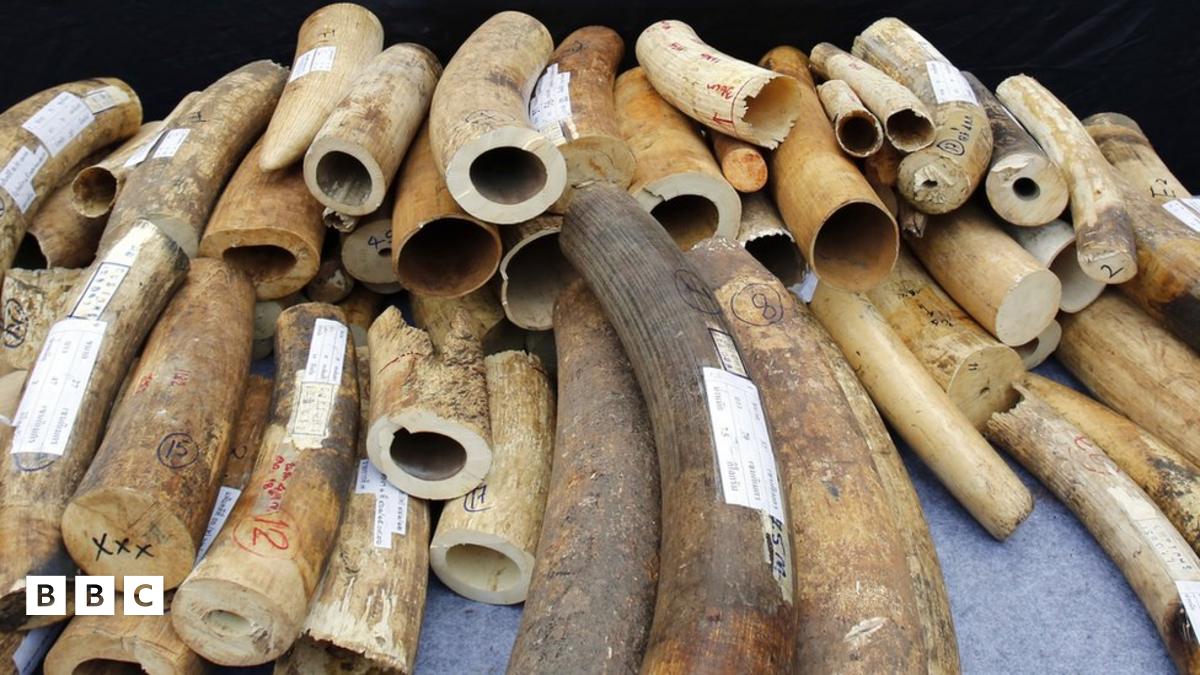
Beyond the direct threat to elephants, the illegal ivory trade has severe economic repercussions for the nations and communities most affected. Poaching undermines the potential for sustainable tourism, a vital economic driver for many African countries. When elephant populations decline, so does the appeal of wildlife safaris, leading to lost revenue, job losses in the tourism sector, and reduced funds for national parks. Furthermore, the violence associated with poaching destabilizes local communities, diverting scarce government resources towards security and away from essential services like education and healthcare. The corruption fueled by the ivory trade also erodes governance and the rule of law, hindering economic development and discouraging legitimate foreign investment. The economic cost of losing elephants extends far beyond the direct value of their tusks; it impacts the long-term economic prosperity and stability of entire regions.
Combatting Illicit Gains: Financial Strategies in Conservation
Effective elephant conservation increasingly relies on sophisticated financial strategies that aim to disrupt illicit markets, secure funding for protection, and demonstrate the economic value of living elephants. This shift recognizes that conservation is not just an ecological challenge, but also a complex financial one.
Funding Conservation: Investment in Protection and Community Engagement
Protecting elephants requires substantial financial investment. This includes funding for anti-poaching units, park rangers, surveillance technology, intelligence gathering, and wildlife veterinary care. These investments are often sourced through a combination of government budgets, philanthropic donations, and international aid. Critically, funding also extends to community engagement programs, providing alternative livelihoods for people living near elephant habitats. By investing in sustainable agriculture, education, and micro-enterprises, these programs reduce the economic incentive to participate in poaching. The financial sustainability of conservation efforts is paramount, demanding diversified funding streams and robust financial management to ensure resources are deployed effectively.
Disrupting Financial Flows: Anti-Money Laundering and Sanctions
A key strategy in combating the illegal ivory trade is to target its financial lifeblood. Law enforcement agencies are increasingly applying anti-money laundering (AML) techniques to trace and seize assets derived from ivory trafficking. This involves collaborating with financial institutions to identify suspicious transactions, freeze accounts, and prosecute individuals involved in laundering illicit gains. Furthermore, financial sanctions can be imposed on individuals and entities implicated in major wildlife trafficking operations, effectively cutting them off from the global financial system. These financial penalties serve not only as a deterrent but also dismantle the financial infrastructure that allows criminal networks to operate. The integration of financial intelligence with traditional law enforcement is proving to be a powerful tool in the fight against wildlife crime.
Valuation of Wildlife: The Economic Cost of Extinction
A crucial element in the financial argument for conservation is accurately valuing wildlife and ecosystems. Beyond the market price of ivory, economists are developing methodologies to quantify the economic benefits that elephants provide while alive – through their role in ecosystems, their contribution to tourism, and their cultural significance. Conversely, they also assess the economic costs associated with their extinction: loss of biodiversity, ecosystem degradation, and missed economic opportunities. By translating these ecological and social values into monetary terms, conservationists can make a stronger case for investment in protection and sustainable management, demonstrating that living elephants are far more valuable than their dead tusks. This economic reframing helps secure funding and policy support by highlighting the tangible financial returns on conservation efforts.
Sustainable Futures: Economic Models for Elephant Conservation
The long-term survival of elephants hinges on developing sustainable economic models that provide alternatives to poaching and integrate conservation with economic development. These models demonstrate that robust elephant populations can be an asset, not a liability, to local economies.
Ecotourism: A Renewable Financial Resource
Ecotourism stands out as one of the most powerful and renewable financial resources for elephant conservation. When managed sustainably, wildlife tourism generates substantial revenue through park fees, safari lodges, local businesses, and job creation. A living elephant, admired by tourists, can generate millions of dollars over its lifetime, vastly outweighing the one-time, illicit profit from its tusks. This revenue can then be reinvested directly into conservation efforts, community development, and infrastructure. Countries like Kenya, Tanzania, and Botswana have successfully leveraged their elephant populations to build thriving tourism industries, demonstrating a clear economic incentive for preservation. However, careful management is required to ensure ecotourism benefits local communities and does not negatively impact wildlife.
Community-Based Conservation: Empowering Local Economies
Engaging and empowering local communities living alongside elephants is a critical financial strategy. Community-based conservation (CBC) initiatives aim to provide direct economic benefits to these populations, thereby fostering a sense of ownership and stewardship over wildlife. This includes revenue-sharing models from tourism, employment opportunities in protected areas, and support for sustainable livelihoods that reduce human-wildlife conflict. When local communities see tangible financial returns from protecting elephants, their incentive to tolerate wildlife and actively participate in anti-poaching efforts increases dramatically. This approach transforms elephants from a source of conflict and economic temptation into a shared resource that contributes to local prosperity.

Innovative Financing for Wildlife Protection
The scale of the challenge in elephant conservation demands innovative financial solutions beyond traditional grants and government funding. This includes exploring mechanisms like conservation bonds, impact investing, and carbon credit schemes that incorporate biodiversity benefits. For instance, private investors might fund conservation projects with the expectation of a financial return, or mechanisms could be developed to monetize the ecosystem services provided by elephants (e.g., their role in seed dispersal and maintaining forest health). Such approaches aim to tap into new pools of capital and create financially sustainable models for long-term protection, recognizing that ecological health and economic prosperity are inextricably linked.
The question “what are elephant tusks made out of” ultimately reveals a material of immense biological beauty that has been tragically transformed into an object of illicit financial desire. Understanding the composition, market dynamics, and the financial engines driving both its destruction and its potential for sustainable preservation is paramount. The future of elephants, and the tusks that define them, hinges on our ability to outmaneuver the financial networks of crime and invest strategically in a future where living elephants are recognized as invaluable assets, both ecologically and economically.
aViewFromTheCave is a participant in the Amazon Services LLC Associates Program, an affiliate advertising program designed to provide a means for sites to earn advertising fees by advertising and linking to Amazon.com. Amazon, the Amazon logo, AmazonSupply, and the AmazonSupply logo are trademarks of Amazon.com, Inc. or its affiliates. As an Amazon Associate we earn affiliate commissions from qualifying purchases.