
Electric cars, often abbreviated as EVs, represent a significant paradigm shift in personal transportation. Moving away from the internal combustion engine (ICE) that has powered vehicles for over a century, EVs utilize electric motors powered by rechargeable batteries to propel themselves. This fundamental difference brings with it a cascade of technological advancements, environmental considerations, and economic implications, fundamentally redefining how we think about driving, energy consumption, and sustainability. Understanding what electric cars are requires delving into their core components, how they operate, the different types available, and the underlying technologies that make them a rapidly growing segment of the automotive market.
The Core Technology: How Electric Cars Work
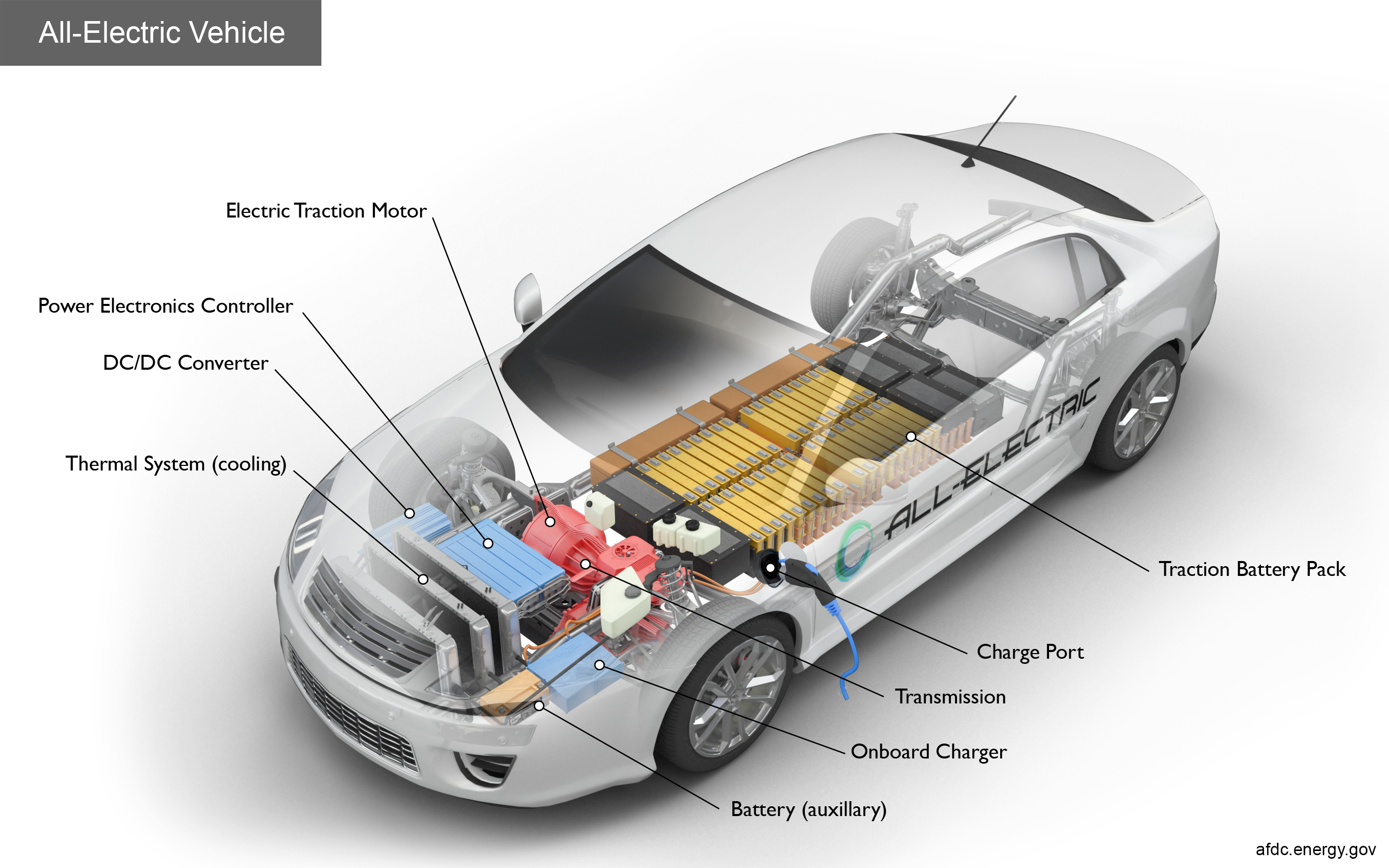
At the heart of every electric car lies a sophisticated interplay of electrical components designed to convert stored energy into motive force. Unlike their gasoline-powered counterparts, EVs are remarkably simple in their mechanical design, boasting fewer moving parts, which contributes to their often-touted lower maintenance requirements.
The Powertrain: Motor and Battery Synergy
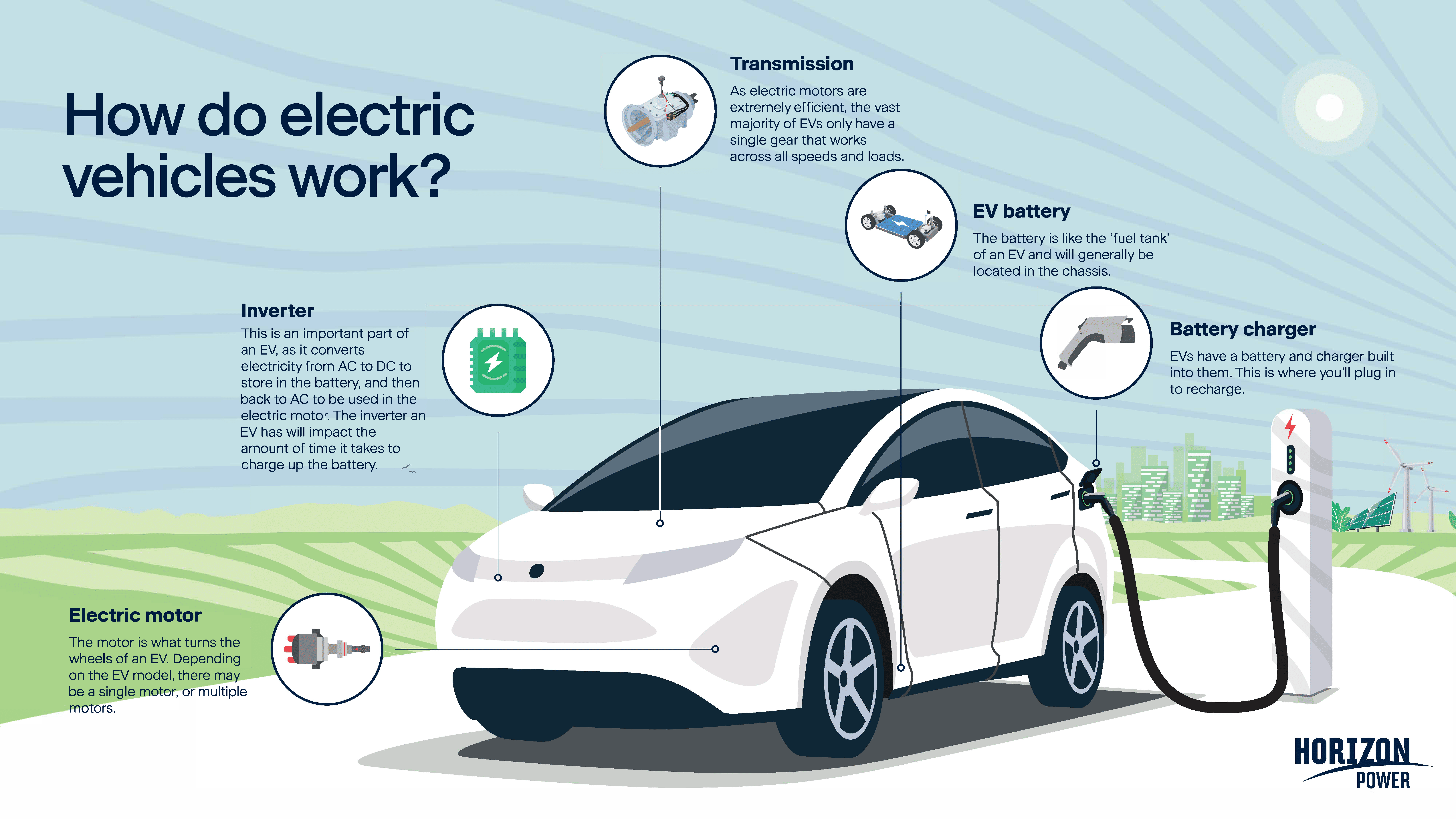
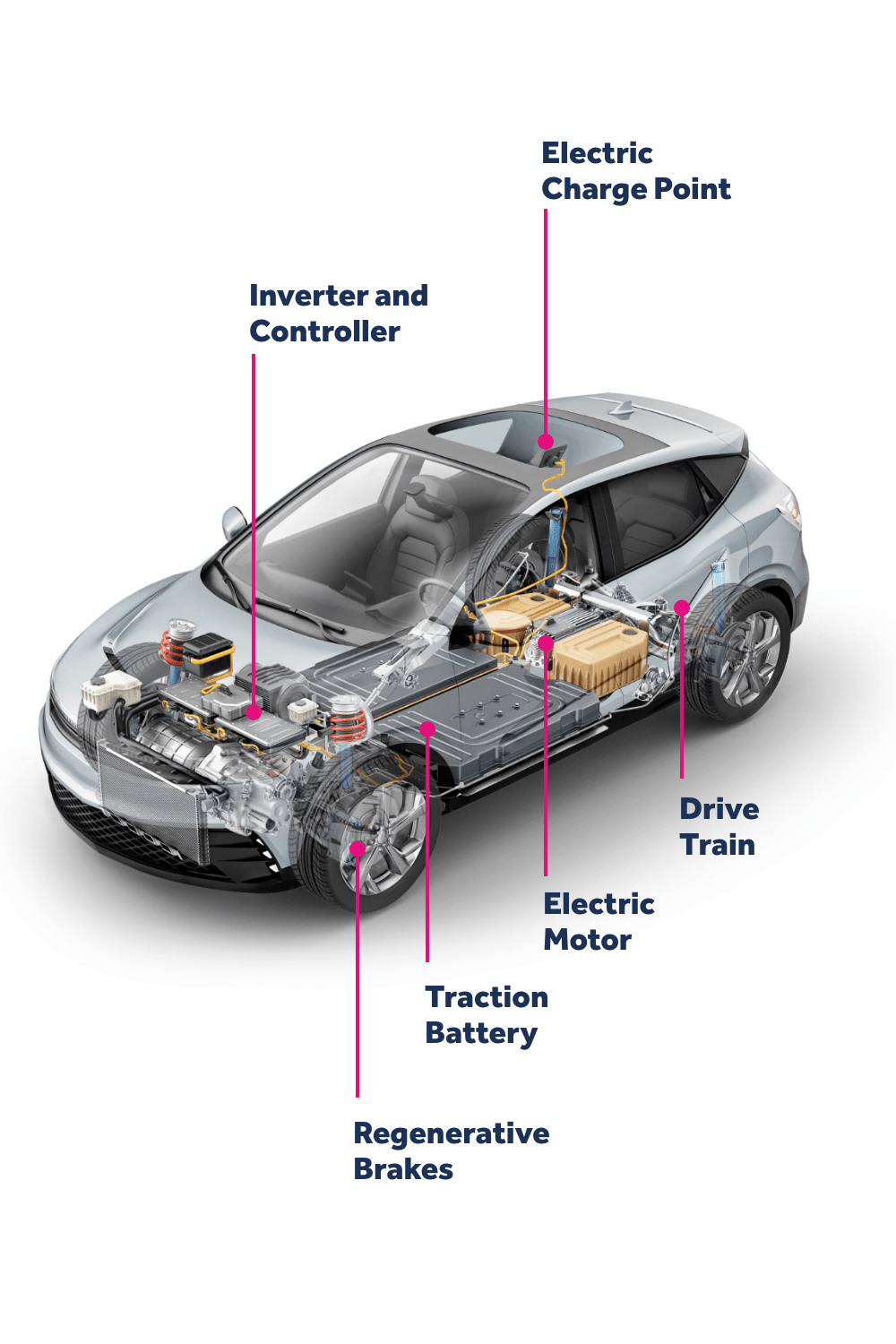
The defining feature of an electric car is its electric powertrain. This primarily consists of an electric motor and a battery pack. The battery pack, typically a large lithium-ion unit, serves as the energy reservoir, storing the electricity needed to power the vehicle. This battery is charged either by plugging into an external power source or, in some hybrid models, through regenerative braking.
The electric motor, often powered by direct current (DC) from the battery that is then converted to alternating current (AC) by an inverter, translates this electrical energy into mechanical energy. This mechanical energy is then used to drive the wheels, propelling the car forward. The torque produced by electric motors is virtually instantaneous and available from a standstill, contributing to the brisk acceleration often associated with EVs. This starkly contrasts with the gradual torque delivery of ICE vehicles, which rely on gearboxes to optimize power output across different speeds.
Key Components and Their Functions
Beyond the motor and battery, several other crucial components enable an electric car to function.
Battery Management System (BMS)
The Battery Management System (BMS) is the intelligent control unit for the battery pack. It monitors various parameters such as temperature, voltage, current, and the state of charge (SoC) of individual battery cells. The BMS plays a vital role in ensuring the safety, performance, and longevity of the battery by preventing overcharging, deep discharging, and overheating. It also optimizes charging and discharging rates to maximize efficiency and battery life.
Inverter
The inverter is essential for converting the direct current (DC) produced by the battery into the alternating current (AC) required by most electric motors. It also plays a crucial role in controlling the motor’s speed and torque by adjusting the frequency and voltage of the AC power supplied to it. This allows for smooth acceleration and deceleration without the need for a traditional multi-gear transmission.
Onboard Charger
The onboard charger is responsible for converting the AC electricity from a charging station or home outlet into the DC electricity that the battery pack can store. The speed at which the onboard charger can convert AC to DC determines the charging speed when using Level 1 or Level 2 chargers.
Regenerative Braking System
A key technological innovation in EVs is the regenerative braking system. When a driver lifts their foot off the accelerator or applies the brakes, the electric motor reverses its function. Instead of consuming energy to propel the car, it acts as a generator, converting the vehicle’s kinetic energy back into electrical energy, which is then fed back into the battery pack. This process not only helps to recharge the battery, thereby extending range, but also reduces wear and tear on the conventional friction brakes.
Types of Electric Vehicles: A Spectrum of Electrification
The term “electric car” encompasses a range of vehicles that utilize electric power to varying degrees. Understanding these distinctions is crucial for grasping the full landscape of electric mobility.
Battery Electric Vehicles (BEVs)
Battery Electric Vehicles, or BEVs, are the purest form of electric car. They run solely on electricity stored in their battery pack and have no internal combustion engine. When the battery is depleted, the BEV needs to be plugged into an external charging source. Examples include the Tesla Model 3, Nissan Leaf, and Chevrolet Bolt EV. Their primary advantage lies in their zero tailpipe emissions and their reliance on a solely electric drivetrain.
Plug-in Hybrid Electric Vehicles (PHEVs)
Plug-in Hybrid Electric Vehicles (PHEVs) represent a transitional technology, combining an electric powertrain with an internal combustion engine. They have a battery pack that can be recharged by plugging into an external power source, allowing for a certain range of all-electric driving. Once the battery is depleted, or under certain driving conditions, the gasoline engine kicks in, operating like a conventional hybrid. This offers the flexibility of electric driving for shorter commutes while providing the extended range and rapid refueling capability of a gasoline engine for longer journeys. Examples include the Toyota Prius Prime and the Ford Escape PHEV.
Hybrid Electric Vehicles (HEVs)
While not strictly “electric cars” in the same vein as BEVs, Hybrid Electric Vehicles (HEVs) are an important precursor and a popular choice for many consumers seeking improved fuel efficiency. HEVs utilize both an internal combustion engine and an electric motor, but their battery is smaller and cannot be plugged in for external charging. Instead, the battery is recharged through regenerative braking and by the gasoline engine. The electric motor assists the gasoline engine, reducing fuel consumption and emissions, particularly in stop-and-go traffic. The Toyota Prius is a well-known example of an HEV.
The Underlying Technologies: The Foundation of Electric Mobility
The widespread adoption and continued advancement of electric cars are underpinned by several key technological developments, from battery innovation to charging infrastructure and software integration.
Battery Technology: The Powerhouse of EVs
Battery technology is arguably the most critical component driving the evolution of electric vehicles. Lithium-ion batteries, due to their high energy density, relatively long lifespan, and decreasing cost, have become the dominant chemistry for EV battery packs. Ongoing research and development are focused on several fronts:
Energy Density and Range
Increasing energy density means packing more energy into a given volume or weight, directly translating to longer driving ranges for EVs. This is crucial for alleviating “range anxiety,” a common concern among potential EV buyers.
Charging Speed
Faster charging times are essential for making EVs as convenient as gasoline-powered cars. Innovations in battery chemistry and thermal management are enabling higher charging rates, allowing drivers to add significant range in a short period at DC fast-charging stations.
Lifespan and Durability
EV batteries are designed to last for many years and tens of thousands of miles. Manufacturers are continuously improving battery management systems and cell chemistry to extend their usable lifespan and ensure their reliability throughout the vehicle’s life.
Cost Reduction
As battery production scales up and manufacturing processes become more efficient, the cost of battery packs has been steadily decreasing. This trend is a major factor in making EVs more affordable and competitive with traditional vehicles.
Charging Infrastructure: The Enabler of Electric Driving
The availability and accessibility of charging infrastructure are paramount to the widespread adoption of EVs. This includes a variety of charging levels and solutions:
Level 1 Charging
Level 1 charging uses a standard household electrical outlet (120V) and is the slowest charging method, typically adding only a few miles of range per hour. It is often used for overnight charging at home.
Level 2 Charging
Level 2 charging utilizes a higher voltage (240V), similar to what is used for electric dryers or ovens, and can be installed in homes or found in public charging stations. This method is significantly faster than Level 1, adding around 20-30 miles of range per hour.
DC Fast Charging (Level 3)
DC Fast Charging (Level 3) stations provide direct current (DC) power at very high voltages and amperages, allowing EVs to gain substantial range (up to 200 miles or more) in as little as 20-30 minutes. These stations are becoming increasingly common along major travel routes and in urban centers.
Software and Connectivity: The Smart Dimension of EVs
Modern electric cars are deeply integrated with sophisticated software and connectivity features, transforming them into smart devices on wheels.
Over-the-Air (OTA) Updates
Similar to smartphones, EVs can receive over-the-air (OTA) software updates that can improve performance, add new features, and even fix bugs without requiring a visit to a dealership. This allows manufacturers to continuously enhance the driving experience and vehicle functionality.
Advanced Infotainment and Navigation
EVs typically feature advanced infotainment systems that seamlessly integrate navigation, media, and vehicle controls. These systems often include features specifically designed for electric driving, such as route planning that accounts for charging stops and real-time battery status monitoring.
Vehicle-to-Grid (V2G) Technology
Emerging V2G technology allows EVs to not only draw power from the grid but also to send electricity back to it when needed. This capability could help stabilize the electricity grid, provide backup power during outages, and even generate income for EV owners by selling surplus energy back to the utility.
In conclusion, electric cars represent a technological leap forward in transportation, driven by innovative battery technology, efficient electric powertrains, and increasingly robust charging infrastructure. As these technologies continue to mature and become more accessible, electric vehicles are poised to play an increasingly dominant role in shaping the future of mobility.
aViewFromTheCave is a participant in the Amazon Services LLC Associates Program, an affiliate advertising program designed to provide a means for sites to earn advertising fees by advertising and linking to Amazon.com. Amazon, the Amazon logo, AmazonSupply, and the AmazonSupply logo are trademarks of Amazon.com, Inc. or its affiliates. As an Amazon Associate we earn affiliate commissions from qualifying purchases.